Spring Turkey Hunting in Ohio
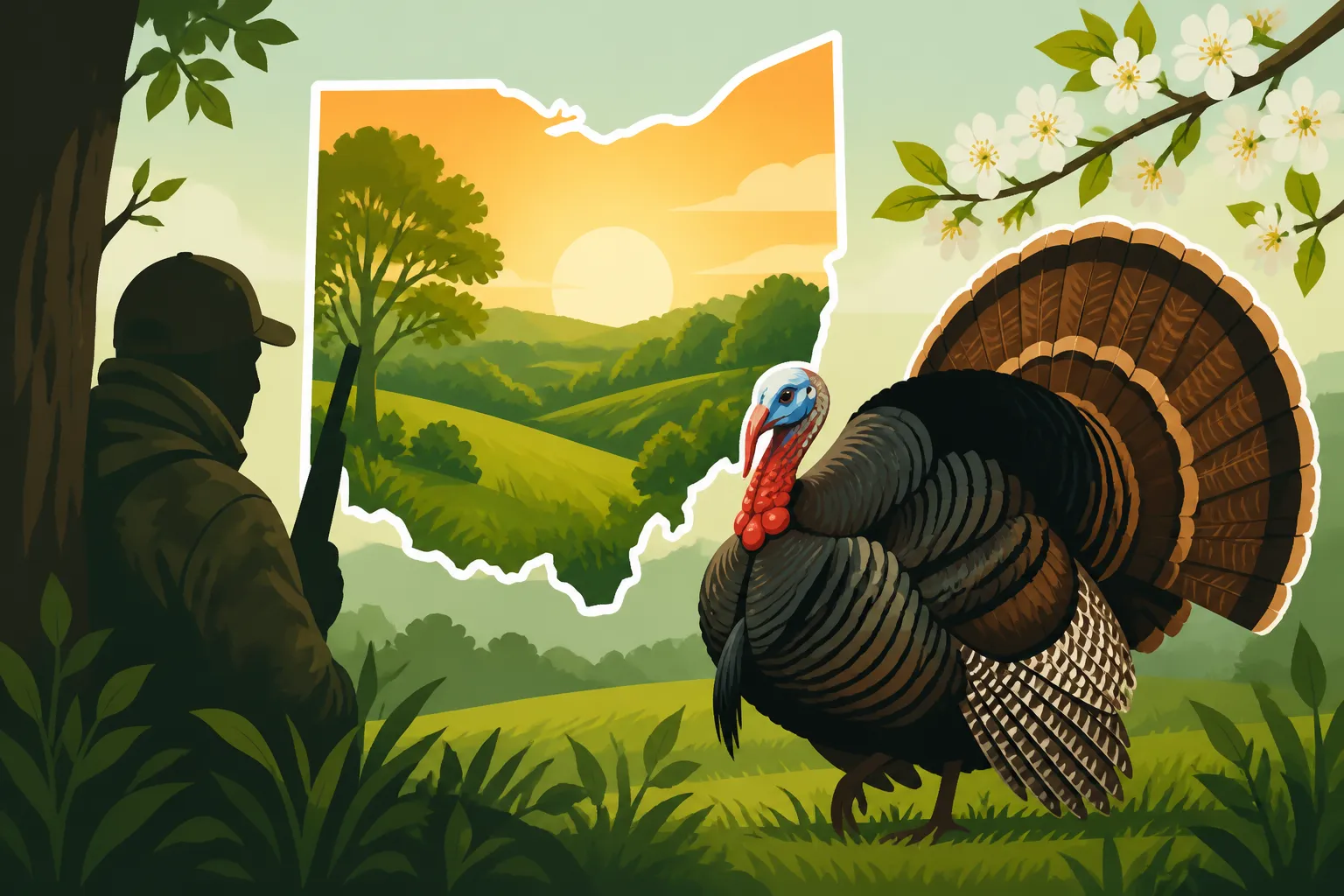
There's nothing quite like the sound of a spring gobbler hammering on the roost, shattering the pre-dawn quiet. For many of us, chasing wild turkeys in Ohio during the spring season is a deeply ingrained tradition, a welcome relief from the long winter months. But let's be honest, those booming gobblers don't always cooperate, and the woods can quickly turn silent, leaving you wondering if you're doing something wrong. This comprehensive guide is here to walk you through every facet of spring turkey hunting in Ohio, from understanding the birds themselves to the gear, tactics, and regulations you'll need to fill your tag and experience the thrill of the hunt.
Understanding Ohio's Spring Gobbler Landscape
Ohio’s wild turkey population is a true conservation success story, and understanding this history and how turkeys are distributed across the state is crucial for any hunter. These birds aren’t just randomly scattered; their presence often reflects specific habitat types and population trends that can influence your hunting strategy.
The Remarkable Comeback of Ohio's Wild Turkeys
It's hard to believe, but just a few generations ago, wild turkeys were completely gone from Ohio. Due to unregulated hunting and massive habitat destruction in the late 1800s and early 1900s, these magnificent birds vanished. It took dedicated conservation efforts, primarily by the Ohio Department of Natural Resources (ODNR), to bring them back. Starting in the 1950s, wild turkeys were trapped in states with healthy populations, like West Virginia and Missouri, and released into suitable habitats in Ohio. This reintroduction program was painstakingly slow but incredibly effective.
By the 1980s, the population had rebounded enough for limited hunting seasons to begin, and today, wild turkeys can be found in all 88 counties. It's a testament to what focused conservation can achieve. You can learn more about how these incredible birds were brought back in our post on How Turkeys Were Restored to Ohio, which dives deeper into this fascinating history. This comeback means that no matter where you are in Ohio, you have a chance to hear a gobbler sound off, though some areas are definitely better than others.
Where the Birds Are: Regional Densities and Habitat
While turkeys are statewide, their density varies significantly. Generally, you'll find the highest turkey populations in the unglaciated, heavily wooded hills of southeastern Ohio. Areas like Shawnee State Forest, Wayne National Forest, and the myriad of state forests and wildlife areas in the Appalachian foothills provide ideal habitat with mature timber, diverse undergrowth, and plenty of roosting options. The broken terrain offers great cover for birds and hunters alike.
However, don't overlook the mixed agricultural and woodlot landscapes of central and northeastern Ohio. These areas, particularly where large tracts of timber border crop fields, can hold excellent numbers of turkeys. The birds utilize the fields for feeding on waste grain and insects, then retreat to the safety of the woods for roosting and breeding. Even in heavily farmed northwestern Ohio, turkeys can thrive in river bottoms, fencerows, and small woodlots that provide essential cover and food sources. Understanding these localized habitat preferences is a key part of successful turkey hunting in Ohio.
Ohio Turkey Population Trends and Management
The ODNR continually monitors Ohio's wild turkey population to ensure healthy numbers and sustainable hunting opportunities. This involves annual brood surveys, harvest data analysis, and habitat management. While the overall trend has been positive, turkey populations can fluctuate year-to-year due to factors like harsh winters, poor spring hatches, and even disease. For instance, a cold, wet spring can significantly impact poult (young turkey) survival, which affects the following year's hunting success.
The ODNR uses this data to make informed decisions about season lengths, bag limits, and management strategies. They focus on maintaining a healthy balance between turkey numbers and available habitat. You can dive deeper into the specifics of these numbers and how they impact hunting by checking out our detailed guide on Ohio Turkey Population Trends. As hunters, our license fees directly contribute to these vital conservation efforts, ensuring future generations can experience the thrill of chasing Ohio gobblers.
Ohio's Spring Turkey Seasons and Zones
Understanding the specific dates and regulations for Ohio's spring turkey season is paramount. It’s not a one-size-fits-all season; Ohio divides the state into different zones and offers special youth opportunities. Missing a detail could mean missing out on a prime hunting day or, worse, violating a regulation.
Navigating the South and Northeast Zones
Ohio's spring turkey season is split into two distinct zones: the South Zone and the Northeast Zone. This staggered opening helps manage hunting pressure and accounts for the earlier spring green-up in the southern part of the state. The South Zone typically opens earlier, covering the majority of Ohio's counties, generally starting in late April. The Northeast Zone, which includes a handful of counties in the far northeastern corner, opens a week later, usually in early May.
It's absolutely critical to know which zone your hunting county falls into, as hunting outside the legal dates is a serious offense. Before you even think about hitting the woods, double-check the current year's ODNR hunting regulations or consult our post specifically outlining the Ohio Spring Turkey Zones and Dates to ensure you're squared away. This zone system allows hunters to potentially extend their season by traveling between zones if they have permission, but it also means you need to be extra diligent about checking the calendar.
Youth Hunting Opportunities for Spring Gobblers
Ohio places a high value on introducing new hunters to the sport, and the spring turkey season includes a dedicated youth hunting weekend. This special season, usually held a week or two before the regular statewide opener, provides young hunters (typically 17 years old and younger) an exclusive opportunity to chase gobblers with an experienced adult mentor. It's a fantastic way to give kids a head start without the added pressure of a full-fledged opening day crowd.
During the youth season, mentors cannot hunt themselves, focusing solely on guiding and teaching their young charge. This dedicated time often leads to higher success rates for youth hunters and creates invaluable memories. If you have a young hunter in your life, taking advantage of Ohio's youth turkey weekend is highly recommended. It’s an unforgettable experience and a foundational step in fostering a love for the outdoors. Make sure to review the specific dates and rules for Hunting the South Zone Youth Turkey Weekend or Hunting the Northeast Zone Youth Turkey Weekend if you plan to participate.
Understanding Bag Limits and Permitting
Ohio's spring turkey bag limit is famously straightforward: one bearded wild turkey per hunter per season. That's it. This means you can't harvest multiple birds, even if you have multiple permits. Once you tag your single gobbler, your spring turkey season is officially over. To participate, you'll need a valid Ohio hunting license and an Ohio spring turkey permit. These permits are relatively inexpensive and are available online through the Wild Ohio system, or at authorized license vendors across the state.
After harvesting your turkey, state law mandates that you immediately complete the game tag found on your permit and attach it to the bird. Then, you must report your harvest through the Ohio game check system by noon the day after the kill. This can be done online, by phone, or at a physical check station. This data is vital for ODNR management. For up-to-date costs and detailed permit information, our guide on Ohio Spring Turkey Permit Cost is a great resource. Failing to check your game is a serious offense, so always prioritize this critical step.
| Ohio Spring Turkey Season Overview | South Zone | Northeast Zone | Youth Season |
|---|---|---|---|
| Typical Open Dates | Late April | Early May | Weekend before regular |
| Counties Covered | Most Ohio counties | Specific NE counties | Statewide |
| Bag Limit | One Bearded Turkey | One Bearded Turkey | One Bearded Turkey |
| Permit Required | Yes | Yes | Yes (Youth Permit) |
| Checking Deadline | Noon day after kill | Noon day after kill | Noon day after kill |
Essential Gear for Ohio Spring Turkeys
Heading into the turkey woods unprepared is a recipe for frustration. Spring turkey hunting, while seemingly simple, benefits immensely from having the right gear. From your gun to your calls, each piece plays a role in increasing your chances of success and making your time in the woods more enjoyable.
Shotguns, Chokes, and Ammunition
When it comes to spring turkeys, the shotgun is king. Most hunters opt for a 12-gauge, but 20-gauge shotguns have become incredibly popular, especially with the advent of high-density tungsten super shot (TSS) ammunition. The key is patterning your gun with your chosen load and choke before the season. You want a dense, even pattern out to your maximum comfortable shooting distance, typically 30-40 yards. A full or extra-full choke is almost always recommended for turkey hunting to keep your pattern tight.
Modern TSS loads have revolutionized turkey hunting, allowing smaller gauges to achieve devastating patterns at longer ranges than traditional lead shot. Brands like Federal Premium's Heavyweight TSS or Winchester's Long Beard XR are popular choices. Don't just buy a box of shells and assume they'll perform; get out to the range and see how your specific gun, choke, and ammunition combination performs. A well-patterned shotgun instills confidence, and our comprehensive article on Turkey Shotguns and Chokes can help you make an informed decision and get your setup dialed in.
Calls, Decoys, and Locator Calls
Turkey calling is an art form, but you don't need to be a world champion caller to bring in a bird. A few basic calls mastered consistently are far more effective than a dozen calls used poorly. Mouth calls (diaphragm calls), slate calls (pot calls), and box calls are the most common. Each has its strengths; mouth calls allow for hands-free calling, slate calls produce realistic hen sounds, and box calls are loud and easy to use. I always carry at least two types – usually a mouth call and a slate – to vary my sounds.
Decoys can be game-changers, especially on public land where birds might be wary. A simple lone hen decoy is often all you need to draw a gobbler into range. Adding a jake decoy can sometimes spark aggression in dominant toms. Just be mindful of safety, especially when using realistic decoys on public ground. Locator calls, like crow calls, owl hoots, or gobble tubes, are also crucial for getting a roosted bird to shock gobble and reveal his position without having to make turkey sounds yourself. For a deeper dive into what to carry, explore our post on Turkey Calls Worth Carrying in Ohio and another on Turkey Decoys That Work on Pressured Birds.
Apparel and Accessories for the Woods
Comfort and concealment are key in the spring woods. Layering is essential, as mornings can be chilly but afternoons can warm up quickly. High-quality camouflage, preferably with a pattern designed for spring foliage, will help you blend in. A good turkey vest is almost mandatory; it organizes your calls, provides a comfortable padded seat, and has plenty of pockets for snacks, water, and other essentials. Brands like ALPS OutdoorZ or Primos offer excellent turkey vests.
Don't forget the small but mighty accessories:
- Headlamp: For those pre-dawn walks to your setup.
- Bug Spray/Thermacell: Ohio springs are notorious for ticks and mosquitoes. A Thermacell can be a lifesaver on a long sit.
- Pruners: For clearing small shooting lanes or brushing in a blind.
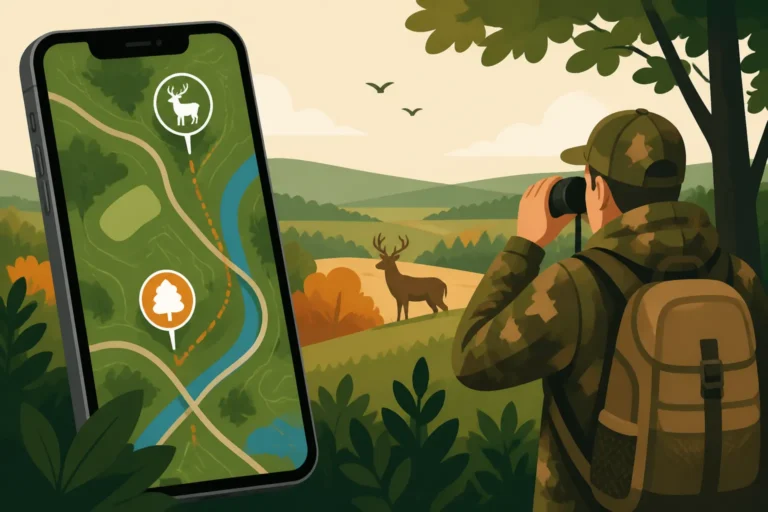
- GPS or Mapping App (like GoHunt): For navigation, marking roosts, and tracking your movements, especially on unfamiliar public land. GoHunt offers detailed satellite imagery and property boundaries, which is invaluable for scouting and avoiding trespass.
- Rain Gear: Ohio weather is unpredictable; a lightweight rain suit can save your hunt.
- Gloves and Facemask: Essential for concealment; turkeys have incredible eyesight.
Scouting Strategies for Spring Turkeys
You can have the best gear and calling skills in the world, but if you're not where the birds are, it's all for naught. Scouting is arguably the most critical component of spring turkey hunting success. It’s about more than just looking for tracks; it's about understanding the land and the birds' daily routines.
Pre-Season Recon: Finding Roost Trees and Travel Routes
The work for spring turkey season starts long before opening day. Pre-season scouting, done weeks or even months in advance, allows you to locate key turkey areas without pressuring the birds. Focus on finding roost trees – often the tallest trees (oaks, sycamores, pines) near water or on prominent ridges. Look for turkey droppings and shed feathers at the base of these trees. Learning where birds typically fly up to roost and fly down in the morning gives you a massive advantage.
In addition to roosts, identify potential strut zones (open areas like logging roads, field edges, or ridgetops where gobblers display), feeding areas (fields, mast-producing timber), and travel corridors between them. Use aerial maps, like those available on the GoHunt app, to identify pinch points, saddles, and terrain features that turkeys might use to move between different parts of their home range. Don't be afraid to put boots on the ground, but do so quietly and minimally to avoid alerting birds to your presence. The more you know about their routine before the season, the better equipped you'll be to intercept a gobbler.
In-Season Adaptations: Reading Sign and Listening
Once the season opens, your scouting becomes more dynamic. Every time you're in the woods, you're gathering intelligence. Look for fresh tracks, dusting bowls, and droppings to confirm recent turkey activity. Listen intently. Early morning gobbling on the roost is your most direct sign of a turkey's presence. Pay attention to how often they gobble, which direction the sound is coming from, and whether they respond to locator calls.
If you don't hear a gobble at first light, don't give up. Move and listen, especially if you're on public land where birds might be pressured. Turkeys can become "gobble shy" after a few days of intense hunting pressure, only sounding off sporadically or quietly. Be ready to adapt your plan based on what the birds are telling you. If they're not gobbling much, focus more on sign, and consider calling less or using softer, more subtle calls. Sometimes, silence and patience are the best tactics.
Using Technology for Turkey Scouting
In today's age, technology is an indispensable tool for turkey scouting. Online mapping applications, like the robust tools found in the GoHunt platform, provide unparalleled insights. You can overlay satellite imagery with topographic maps, identify public land boundaries, property lines, and even specific habitat features from your couch. This allows you to pinpoint potential roosting areas, feeding grounds, and travel corridors before you ever step foot in the woods.
The GoHunt app, for example, allows you to drop pins, measure distances, and track your routes, making it easier to navigate dense woods and remember key locations. During pre-season, I'll spend hours on these apps, marking potential spots. Then, when I get on the ground, I can confirm what the maps showed me. The ability to pull up aerial photos and topo maps on your phone in the field is a huge advantage, especially when trying to decipher tricky terrain or avoid trespassing onto private property. Don't underestimate the power of these digital tools in creating a strategic hunting plan.
Effective Calling and Decoy Tactics
The true heart of spring turkey hunting lies in the interaction between hunter and bird. Mastering calling and strategically deploying decoys can turn a frustrating silent morning into an exhilarating confrontation with a strutting longbeard. It's a dance of deception, and learning the steps is key.
Mastering the Art of Turkey Calling
Turkey calling is not about making every call perfectly; it's about consistency, realism, and knowing when and how much to call. Start by learning the basic hen sounds: the yelp, cluck, and purr. The yelp is a series of notes that communicates a hen's location or desire to breed. A cluck is a short, sharp sound, often used for contentment or to get attention. A purr is a soft, rolling sound, indicating contentment or closeness.
Beyond these basics, learning a few cuts (sharp, aggressive yelps) or even the gobble can be effective in specific situations, like challenging a dominant tom. Vary your calling cadence and volume. Sometimes a soft series of clucks and purrs is all it takes to seal the deal with a wary gobbler, while other times you need loud, assertive yelps to get his attention from a distance. The ultimate goal is to sound like a real hen, enticing the tom to come looking for you. Practice often, listen to real turkeys, and record yourself to refine your technique.
Decoy Setups for Different Scenarios
Decoys can be incredibly effective, but they need to be used intelligently. The most common setup is a single hen decoy, placed 20-25 yards from your position, facing away from you. This gives the approaching gobbler something to focus on other than your blind or camouflaged position, and often prompts him to circle the decoy, giving you a better shot angle.
For more aggressive tactics, consider a jake and hen setup. Placing a submissive jake decoy with a hen can often enrage a dominant tom, causing him to charge in. A strutting tom decoy can also be a powerful attractant, but it also increases the risk of drawing in other hunters, especially on public land. Always consider safety when using decoys, and avoid carrying them uncovered while walking. Position your decoys where approaching birds have good visibility, but also where you have clear shooting lanes. The goal is to draw the bird into an ethical shooting range, typically 20-30 yards.
Adapting to Pressure and Weather
Ohio spring turkeys, especially on public land or heavily hunted private ground, can become incredibly wary. They've heard every call and seen every decoy setup imaginable. This is when adaptability becomes crucial. If birds are silent and not responding to aggressive calling, try calling less, using softer, more subtle calls, or even going completely silent. Sometimes a "no-call" approach, where you simply set up and wait in a known travel corridor, can be effective.
Weather also plays a huge role. On windy days, gobbling can be suppressed, and your calls won't carry as far. You might need to call louder or move to more sheltered locations. Rainy days can make birds more active as they come out to feed, but can also make them quiet. Knowing when to be aggressive and when to be patient, when to call loudly and when to whisper, is the mark of an experienced turkey hunter.
Hunting Techniques: From Roosting to Run-and-Gun
Once you've scouted, geared up, and understand the birds, it's time to put a plan into action. There are various hunting techniques for spring turkeys, and often, the most successful hunters are those who can seamlessly transition between them based on what the birds are doing.
Roost Hunting Ohio Gobblers
Roost hunting is a classic and often highly effective tactic, especially on opening day or when you've pinpointed a gobbler's specific roost tree. The idea is to get into position silently, well before first light, within earshot of a roosting bird. You want to be close enough to hear him gobble on the limb, but far enough away not to spook him when he flies down. Think 100-150 yards. Position yourself with good back cover (like a wide tree trunk or brush) and clear shooting lanes in the direction you expect the bird to fly down or approach.
As dawn breaks, listen for the first gobble. Once he sounds off, a few soft tree yelps from your call can sometimes be enough to keep him interested. Resist the urge to call excessively. You want to pique his curiosity and convince him to fly down in your direction. The most critical moment is when he flies down; many gobblers will pitch down, land, and strut away. Be ready for this. If he lands out of sight, a bit more calling might be needed. For a deep dive into this classic method, check out our article on Roost Hunting Ohio Gobblers.
Setting Up Against a Big Oak and Ambushing
Many times, turkeys don't cooperate with a perfect roost setup, or you might be hunting later in the morning. This is where ambushing comes in. The core principle is finding a location where turkeys want to be or have to pass through, setting up meticulously, and waiting. This could be a strut zone on a ridge top, a field edge they use for feeding, a pinch point between two woodlots, or even a logging road where they display.
Once you've identified such a spot, the setup is paramount. Choose a large tree, preferably wider than your shoulders, that offers excellent concealment and a solid backrest. This allows you to sit still and undetected. Clear your shooting lanes of any small branches or obstructions before a gobbler appears. You want to be able to raise your gun smoothly and make an unhindered shot. If using a blind, ensure it's brushed in well and positioned for maximum visibility and shooting lanes. Patience is your greatest ally here; sometimes you'll wait hours for a bird to show, so comfort is key. Our guide on Setting Up Against a Big Oak provides even more detailed advice on this fundamental tactic.
Run-and-Gun Turkey Tactics on Public Land
For hunters covering large expanses of public land, especially when birds are scattered or pressured, the "run-and-gun" or "strike and move" tactic can be highly effective. This involves actively walking and stopping frequently to use loud locator calls (crow, owl, coyote howls, or even aggressive turkey yelps) to "strike" a gobble and locate a bird. Once a gobbler responds, you quickly move to set up as close as possible without spooking him, ideally closing the distance to within 100-200 yards.
This method requires good physical conditioning and the ability to move quickly and quietly. Once you hear a gobble and get set up, you then transition to calling and trying to draw him in. If he doesn't respond or moves off, you pack up and repeat the process. This is particularly useful when hunting properties where birds are spread out, or when you're dealing with pressured birds that aren't gobbling consistently from the roost. Our article on Run-and-Gun Turkey Tactics on Public Land offers excellent strategies for this active hunting style. Remember to move safely, especially on public ground, and be aware of other hunters.
Public Land vs. Private Land: Navigating Access
Ohio offers a diverse range of hunting opportunities, but understanding the nuances of public and private land access is crucial for a successful and legal hunt. Each presents its own challenges and rewards.
Hunting Ohio's State Forests and Wildlife Areas
Ohio boasts a significant amount of public hunting land, primarily in the form of state forests and wildlife areas managed by the ODNR. These areas, particularly in southeastern Ohio like Wayne National Forest, Shawnee State Forest, and Zaleski State Forest, offer vast tracts of timbered hills perfect for turkey hunting. In other regions, you'll find numerous wildlife areas that often feature a mix of woods, fields, and wetlands, such as Killdeer Plains Wildlife Area or Mosquito Creek Wildlife Area.
The main challenge on public land is often hunting pressure. Opening weekends can see high hunter numbers, which can make birds wary and push them into less accessible areas. To mitigate this, consider hiking deeper into remote sections that other hunters might overlook. Utilizing mapping apps like GoHunt to scout these less-pressured areas can be a game-changer. Also, be aware of specific regulations for each public land area, as some might have special rules regarding vehicle access, camping, or blind setups. Our comprehensive guide to Public Hunting Land in Ohio is an invaluable resource, and you might be surprised by How Many Acres of Public Land Ohio Has, offering plenty of room to roam.
Securing Private Land Permission
Hunting private land often offers a more consistent and less pressured experience, but gaining access requires effort and good etiquette. The most common way to get permission is by simply asking landowners. Start by identifying properties with good turkey habitat – active fields bordering mature timber, creek bottoms, or large woodlots. Then, respectfully approach the landowner in person, preferably when they're not busy.
Be polite, introduce yourself, explain your intentions clearly, and offer to share some of your harvest. Many farmers appreciate hunters who are respectful, careful with their property, and perhaps even offer to help with chores in exchange for access. If you get permission, always abide by the landowner's rules, be extra careful with gates and fences, and make sure to thank them profusely. A handwritten thank-you note or a small gift can go a long way in building a long-term relationship. Treat private land access as a privilege, not a right.
Urban and Suburban Turkey Opportunities
While most turkey hunting conjures images of remote forests, Ohio also offers surprising opportunities in more developed areas, particularly through special urban deer and turkey hunts or in close proximity to suburban sprawl where ample green space exists. These areas can hold surprisingly large turkey populations, often due to less hunting pressure and abundant food sources.
Accessing these areas typically involves special permits, applications, or unique local regulations. Some municipal parks or large private land parcels bordering developed areas might participate in controlled hunts managed by the ODNR to help manage wildlife populations. These hunts usually have strict rules on firearms, hunting hours, and specific boundaries. It’s worth checking the ODNR website or contacting local wildlife officers to see if such opportunities exist near you. While they might not offer the wilderness experience, they can provide exciting and often successful hunts for a wary suburban gobbler.
Safety and Ethical Considerations
Responsible hunting goes hand-in-hand with safety and ethics. As turkey hunters, we have a responsibility to ourselves, other hunters, the landowner, and the resource to ensure a safe, legal, and ethical hunt.
Vital Shot Placement and Recovery
Making a clean, ethical kill is paramount in hunting. For turkeys, the primary target is the head and neck. A head shot typically results in an instant, humane kill. Some hunters also aim for the body where the wing connects, targeting the heart/lung area, but this offers a smaller margin for error due to the bird's dense feathers and relatively small vitals. Patterning your shotgun correctly (as discussed in Turkey Shotguns and Chokes) is crucial to ensure you have enough pellet density to hit this small target consistently.
After the shot, if the bird doesn't drop immediately, keep your eyes on it and listen for sounds. Turkeys can sometimes run a surprising distance even when mortally wounded. Mark the location of the shot and wait quietly for a few minutes before approaching. If you have to trail a bird, look for signs like dropped feathers, blood, or disturbed leaves. If you lose the trail, expand your search in concentric circles. Losing a bird is incredibly frustrating and unethical, so always strive for a clean shot and thorough recovery.
Blaze Orange, Transport, and Checking Rules
Safety is non-negotiable in the turkey woods, especially with other hunters around. Ohio law requires hunters to wear hunter orange (or hunter pink) when actively pursuing any game animal during legal hunting hours, except when hunting deer, wild turkey, or migratory birds during archery season. However, while not strictly required when turkey hunting, it is highly recommended to wear blaze orange when walking in or out of your hunting spot, or whenever you are moving through the woods. Once you're set up and calling, you can remove it. This simple act can prevent serious accidents, as another hunter might mistake movement for a turkey. Our article on Ohio Blaze Orange Requirements details the specific rules.
Once you harvest a turkey, immediately attach your game tag. The tag must remain with the turkey until it is processed. Transporting an untagged turkey is illegal. As mentioned earlier, all harvested turkeys must be checked in with the ODNR by noon the day after the kill. This can be done online through the Wild Ohio system, via phone, or at a designated check station. Remember, this data is vital for wildlife management, so always comply. You'll find more details on Ohio Deer Checking and Reporting Rules in another post, and the same principles largely apply to turkeys.
Respecting the Resource: Ethics and Conservation
Hunting is a privilege, and with it comes a deep responsibility to respect the wildlife and the land. Ethical hunting practices include adhering to fair chase principles, which means not pursuing birds that are obviously domestic or penned, and not using illegal methods. Always strive for a quick, clean kill. Avoid unnecessary pressure on birds, especially during nesting season. If you've been working a bird for hours and he's just not committing, sometimes the most ethical choice is to back out and try another day or another bird.
Conservation goes beyond just following the rules; it's about being a steward of the land. Pack out everything you pack in, leaving no trace of your presence. Respect private property lines and landowner wishes. Support conservation organizations like the National Wild Turkey Federation (NWTF), which has played a massive role in turkey restoration and habitat improvement. By upholding these ethical standards, you not only ensure the future of spring turkey hunting in Ohio but also demonstrate the true spirit of a responsible outdoors person.
Disclaimer
Please note: Hunting regulations and seasons can change annually. While this guide provides comprehensive and current information based on available data, it is imperative that all hunters consult the official Ohio Department of Natural Resources (ODNR) hunting regulations for the current year before participating in any hunting activity. This content is for informational purposes only and should not be considered legal advice.