Treestands and Saddles on Public Land
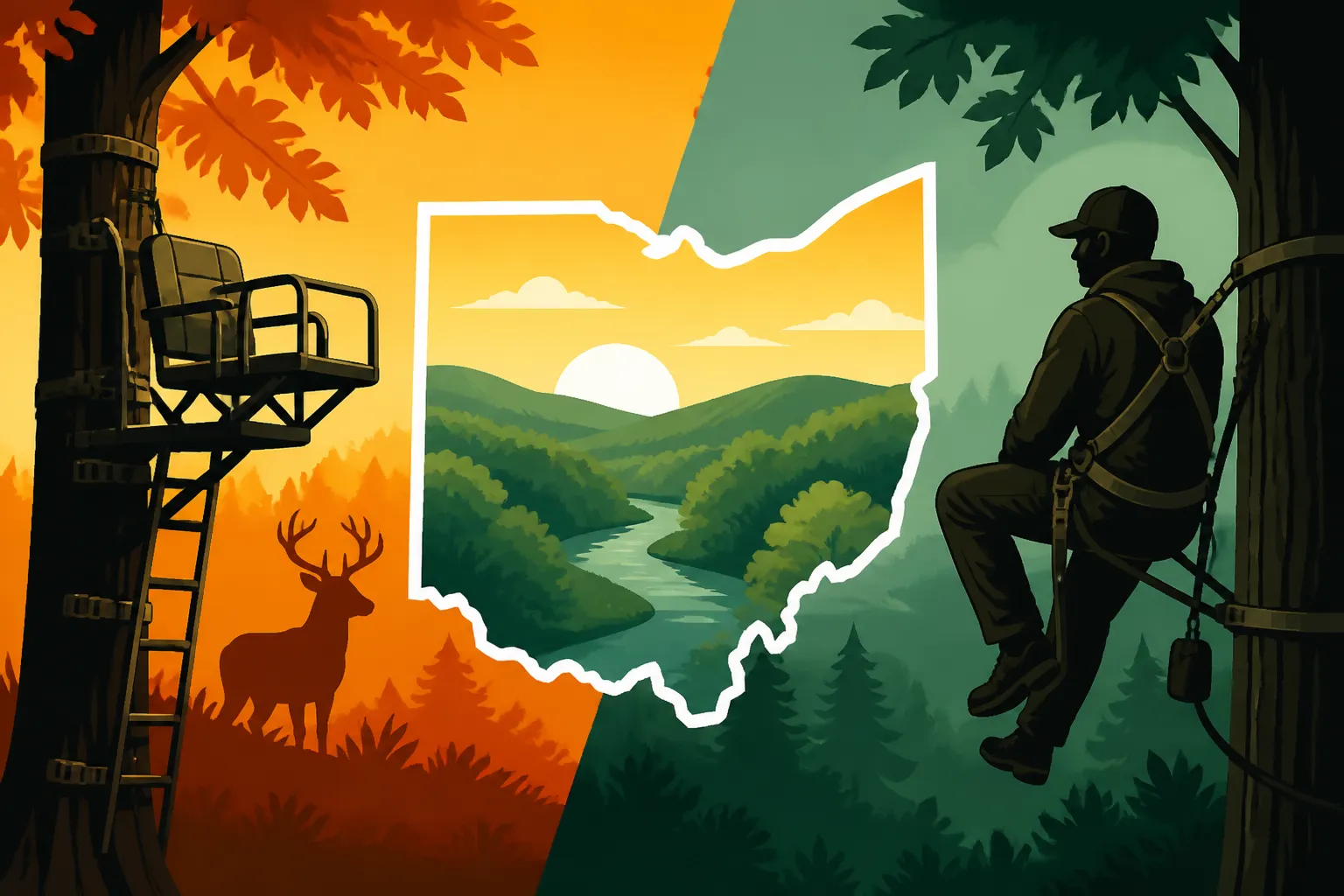
One of the biggest headaches for Ohio public land hunters is figuring out how to get above the deer and gain a true advantage, especially when you're battling pressure and trying to remain mobile. This guide is going to walk you through everything you need to know about using both traditional treestands and the increasingly popular saddle hunting systems on Ohio's public lands, helping you choose the right setup to get you closer to those elusive whitetails.
Navigating Ohio Public Land Regulations for Elevated Stands
Hunting public land in Ohio, whether it's a bustling wildlife area or a remote corner of the Wayne National Forest, comes with its own set of rules. You can't just toss a stand up anywhere and leave it forever like you might on private land. These regulations are in place to ensure fair chase, manage resources, and keep everyone safe, but they can definitely be a source of frustration if you're not clued in.
Understanding Treestand and Blind Rules
When it comes to elevated hunting, Ohio has specific guidelines that dictate what you can and cannot do on public property. Generally speaking, any stand or blind you put up must be portable. This isn't just a suggestion; it's a hard rule. The idea is that no hunter should lay permanent claim to a spot, and the land should remain accessible and natural for everyone. This portability requirement applies whether you're using a hang-on treestand, a climbing stand, or even a ground blind.
The core principle here is "pack it in, pack it out." If you're using a portable treestand or ground blind, you generally need to remove it from public land at the end of each hunting day. There are some nuances, however, especially on state forests or specific wildlife areas, where stands might be allowed to remain for a few days, sometimes even longer, provided they are clearly marked with the hunter's name and address or hunter ID number. Always double-check the specific rules for the public land you intend to hunt, as they can vary between state forests, wildlife areas, and federal lands like Wayne National Forest. A quick look at the Ohio Department of Natural Resources (ODNR) website or a call to the local wildlife office can save you a lot of grief.
The "No Permanent Stands" Rule and What It Means
The "no permanent stands" rule is probably the most significant regulation impacting elevated hunting on Ohio public land. This means you cannot install anything that causes permanent damage to the tree or the environment. Think about things like screw-in steps, permanent ladders, or even trimming large branches with a saw. These actions are generally forbidden because they alter the natural landscape and can be a hazard to other users or damage the timber resource.
This rule is a big reason why climbing sticks and strap-on steps have become so popular for hang-on treestands, and why climbing treestands are a favorite for hunters who want to get up and down quickly without leaving anything behind. It forces you to be thoughtful about your setup, encouraging low-impact methods that leave no trace. It also means that prime trees might get hunted by multiple people over a season, which is just part of the public land game. For those who invest in scouting tools like GoHunt, understanding property lines and specific area regulations becomes even more critical to ensure compliance and avoid issues.
Blaze Orange Requirements When Elevated
Safety is paramount, and Ohio takes blaze orange seriously, especially during certain gun seasons. If you're hunting deer during the gun season, or even during the muzzleloader season, you absolutely need to wear a certain amount of hunter orange. This applies even if you're tucked high up in a treestand. The specific regulations generally require you to wear an outer garment of solid hunter orange or camouflage hunter orange, visible from all sides.
Now, during archery season, the blaze orange requirement is typically relaxed, but it's always a good idea to check the current regulations, as they can sometimes change or have specific exceptions. Even when not required, some hunters opt to wear a blaze orange hat or vest while entering and exiting their stand during archery season, especially if gun seasons for other species overlap, simply as an added precaution. Remember, blending in with your surroundings is important, but being seen by other hunters is even more so. Always prioritize safety first. Ohio Blaze Orange Requirements provides more details on specific mandates.
Traditional Treestands: Stability and Vantage on Public Ground
For decades, treestands have been the go-to for deer hunters wanting to get an elevated view. They offer stability, a clear shooting lane, and perhaps most importantly, they get your scent up and away from a deer's nose, at least a bit. On Ohio's public lands, where deer can be spooky and conditions change, knowing your treestand options is key.
Climbing Stands for Mobility and Flexibility
Climbing stands are the quintessential mobile treestand, perfect for the public land hunter who moves frequently or hunts diverse terrain. These stands consist of two main sections: a seat section and a platform section, which are "climbed" up a tree by alternately pushing down with your feet and pulling up with your hands. Their biggest advantage is that they are entirely self-contained; you don't need separate climbing sticks or steps. This means you can pack it in, climb up, hunt, and pack it out without leaving any trace, which adheres perfectly to most public land rules.
However, climbing stands have their limitations. They require a relatively straight, limbless tree to climb, which isn't always easy to find in dense Appalachian Ohio hardwoods or in younger regeneration areas. Carrying them in can be cumbersome, and the act of climbing itself can be noisy, potentially alerting nearby game. Still, for those long walks into remote sections of public land or when Hunting Shawnee State Forest Ridges, a climbing stand offers unparalleled freedom to adapt to fresh sign and changing deer patterns. Practice climbing silently in your backyard before hitting the woods to truly maximize their potential.
Hang-On Stands and Climbing Sticks: Versatility and Setup
Hang-on treestands, used in conjunction with climbing sticks or strap-on steps, offer another level of versatility. Unlike climbers, hang-ons can be set in trees that aren't perfectly straight or have some lower limbs, as long as you can get your climbing aids past them. This opens up many more potential treestand locations, allowing you to get into that gnarly oak that offers perfect cover or that strategically placed tree overlooking a thick bedding area. You first secure the climbing sticks to the tree, ascend, and then attach the hang-on stand at your desired height.
The benefit of this system on public land is immense. You can carry your sticks and stand separately, sometimes distributing the weight more evenly in your pack. They can be quieter to set up than a climbing stand once you're proficient. The trade-off is often more individual pieces to carry and potentially a slightly longer setup time, especially if you're trying to set up quietly in the dark before a morning hunt. Many hunters will pre-scout potential trees and identify prime spots, marking them on a mapping application like GoHunt, making their in-season setup faster and more efficient. For deep dives into specific setups, check out Treestand Setups in Appalachian Ohio Hardwoods.
Ladder Stands: Comfort and Considerations for Public Use
Ladder stands, while incredibly comfortable and spacious, are generally less common and often impractical for typical public land hunting in Ohio. These stands feature a built-in ladder that leans against the tree, leading up to a large platform and seat. They offer a stable, comfortable hunting experience, often with a backrest and shooting rail, which is great for long sits during cold weather.
However, their bulk and weight make them extremely difficult, if not impossible, to "pack in and pack out" daily, which is the primary rule for most Ohio public lands. Transporting them even a short distance from a vehicle can be a challenge, let alone deep into a wildlife area. While some specific controlled hunts or special access programs might allow a semi-permanent setup, for the vast majority of public land hunting, a ladder stand simply doesn't meet the portability requirements. They are much more at home on private land where they can be left in place for an entire season.
Saddle Hunting: The Ultimate Mobile Solution for Ohio Public Land
If you're looking for the absolute peak of mobility and stealth on public land, saddle hunting is probably on your radar. It's a completely different approach to elevated hunting that has exploded in popularity, especially among hunters who value ultralight setups and the ability to adapt on the fly.
What is Saddle Hunting and Why It's Gaining Popularity
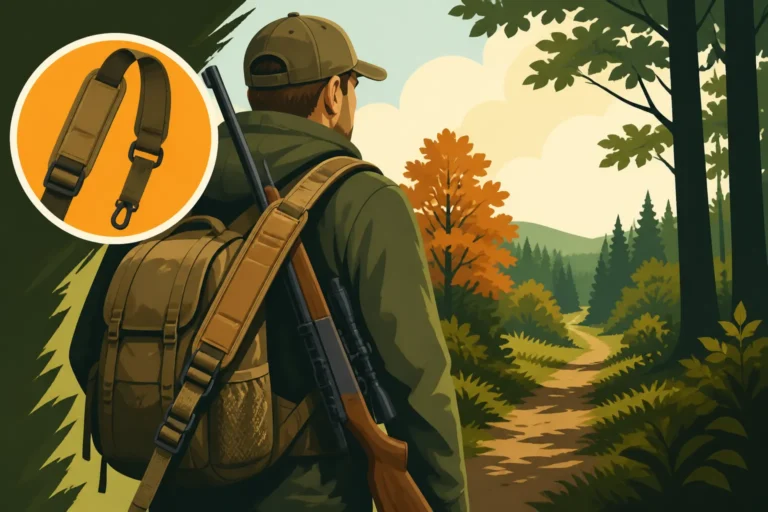
Saddle hunting involves wearing a specialized harness, or "saddle," around your waist and upper thighs. Instead of sitting in a stand, you essentially "lean" or "perch" against the tree, suspended by your saddle and a tether attached to the tree. Your feet rest on small platforms, either separate individual steps, small sticks, or a single platform that encircles the tree. The beauty of this system is its minimalist nature. The saddle itself is lightweight and compact, easily fitting into a small backpack alongside your climbing method.
The popularity of saddle hunting has soared for public land hunters precisely because it addresses many of the challenges of traditional stands. It's incredibly mobile, allowing you to literally climb almost any tree (given it's healthy enough) and hunt 360 degrees around it by simply shifting your body. This makes it fantastic for quickly adapting to deer movement or wind shifts. You become part of the tree, offering unparalleled concealment. Plus, the reduced weight makes those long hikes into remote public parcels much more manageable. Many public land regulations around "leaving no trace" are easily met with a saddle setup.
Essential Saddle Gear Components
A complete saddle hunting setup is a system, and each component plays a crucial role in safety, comfort, and functionality. At its core, you have the saddle itself, which is the harness you wear. This comes in various designs, from minimalist to more padded, depending on personal preference for comfort. Next, you need a lineman's belt for safety while ascending and descending the tree, allowing you to keep both hands free to attach climbing sticks.
The tether is what connects your saddle to the tree once you're at hunting height; it's adjustable to control how far you lean out. Then there's the bridge, a short rope that connects your saddle's loops to the tether, providing adjustability for comfort and positioning. For climbing, most saddle hunters use climbing sticks or tree steps similar to those used with hang-on stands. Finally, a platform or individual steps are essential for your feet, giving you stability and leverage to maneuver around the tree. Each piece is designed to be lightweight and efficient, maximizing your ability to carry everything you need deep into the woods. Saddle Hunting in Ohio Hardwoods delves into how these components come together in practice.
Advantages and Disadvantages of Saddle Hunting in Ohio Timber
Saddle hunting brings a lot to the table, particularly for Ohio's diverse hunting landscape. Advantages include superior mobility and adaptability, allowing you to set up quickly in response to fresh sign or changing conditions, especially in pressured areas where deer might change their patterns quickly. It offers excellent concealment, as you're tucked tight against the tree, breaking up your outline. The lightweight nature of the gear means less fatigue on long hikes, letting you penetrate deeper into public land to Find Ground Others Walk Past. Plus, the 360-degree shooting capability means you're rarely "busted" by a deer circling your stand.
However, saddle hunting isn't without its disadvantages. There's a definite learning curve, and it takes practice to become proficient and comfortable. The initial investment in quality gear can be comparable to or even higher than a good treestand setup. Comfort can also be an issue for some hunters, especially during all-day sits in cold weather, as you're in a more active, leaning posture rather than a relaxed sitting position. And while you can shoot 360 degrees, some shots might feel less stable than from a traditional stand with a shooting rail. Ultimately, it requires a commitment to learn and master, but for many, the benefits far outweigh the challenges, especially when hunting mobile on public lands.
Choosing Your Elevated Advantage: Treestand vs. Saddle for Ohio Public Land
Deciding between a traditional treestand and a saddle hunting system for Ohio public land is a personal choice, but it often comes down to balancing mobility, comfort, and hunting style. Both have their place and excel in different situations.
Factors to Consider: Terrain, Mobility, and Comfort
When making your choice, consider the kind of terrain you'll be hunting and your personal hunting style. If you're frequently hunting steep, rugged terrain in the Appalachian foothills, where every ounce counts on the hike in, a saddle might be a better fit due to its lighter weight and smaller profile. If you're hunting flatter agricultural areas with consistent timber blocks, a climbing stand or hang-on might be perfectly adequate. The ability to quickly move and adapt to deer sign is critical on public land, and both systems offer varying degrees of mobility.
Comfort is another huge factor. For all-day sits, especially during the colder late season, some hunters find traditional treestands more comfortable due to their larger seats and platforms. Saddle hunters, however, often find they are more "active" in their setup, constantly shifting and adjusting, which can help with staying warm and alert, but it's a different kind of comfort. If you plan to carry heavy gear or frequently adjust your setup based on current conditions, thinking about how you'll move through cover and up a tree should heavily influence your decision. For example, Hunting a Ridge-Top Saddle for Rutting Bucks could be effectively done with either, but the saddle might offer more shot versatility.
| Feature | Traditional Treestand (Climber/Hang-on) | Saddle Hunting System |
|---|---|---|
| Mobility | Good, but often heavier/bulkier; requires specific tree types for climbers | Excellent; ultralight, allows access to more trees, 360-degree movement |
| Comfort | Generally higher for static sitting, especially for long waits | Can be less comfortable for extended motionless sitting; more active posture |
| Concealment | Good, especially with camo and tree selection | Superior; hugs the tree, breaks up human silhouette naturally |
| Setup Time | Moderate to quick, depending on system and proficiency | Moderate to quick, depending on climbing method and proficiency |
| Tree Choice | Climbers need straight, limbless; hang-ons more versatile | Highly versatile; can use many tree types/sizes, even those with lower limbs |
| Weight | Heavier overall for stand + sticks | Significantly lighter, more compact |
| Learning Curve | Moderate for safe setup and climbing | Steeper; requires practice to be comfortable and efficient |
| Shooting Lanes | Fixed, limited to stand orientation, some blind spots | 360-degree shooting capability; no blind spots |
Cost and Investment Comparison
The initial investment for both treestands and saddle hunting setups can vary widely, but they are often comparable, especially for quality gear. A good quality climbing stand or hang-on stand with climbing sticks can range from a few hundred dollars to well over what some may be willing to pay. Factors like materials (aluminum vs. steel), brand reputation, and features all play a role.
Saddle hunting gear, while lighter, also represents a significant investment. The saddle itself, climbing sticks or steps, and a platform all add up. You might find that a full saddle setup, especially if you opt for high-end, ultralight components, can cost a similar amount to a premium treestand. It's not necessarily cheaper, but it's an investment in a different style of hunting. Consider your budget, but also think about the long-term value and how frequently you expect to use the gear. For many, the ability to adapt to diverse public land scenarios justifies the investment in either system.
Learning Curve and Practice for Safe Use
Both treestands and saddle hunting systems require practice and a commitment to safety. For traditional treestands, mastering the silent setup of climbing sticks or the smooth ascent with a climbing stand takes time. You need to become proficient at strapping stands securely, making sure they're level, and always, always wearing your full-body harness. This includes using a lifeline when ascending and descending.
Saddle hunting, however, generally has a steeper learning curve. The technique for ascending and descending, positioning your platform, and comfortably leaning into the saddle for extended periods takes specific practice. You're not sitting in a static position; you're actively engaging with the tree. It’s crucial to practice at low heights, preferably with a spotter, until you're completely confident in your setup and movements. Just like learning to shoot a new bow or rifle, becoming proficient with an elevated hunting system requires dedication. Never compromise on safety. For more information, check out Treestand Safety Gear for Steep Ground and Safety Harnesses and Lifelines.
Essential Safety and Setup Practices for Elevated Hunting in Ohio
Regardless of whether you choose a treestand or a saddle, elevated hunting presents inherent risks. The number one priority should always be safety. On Ohio public lands, where you might be far from help, taking every precaution is critical.
Full-Body Harnesses: Non-Negotiable Safety
Let me say this clearly: a full-body harness is not optional. It is absolutely essential for any elevated hunting. Falling from a treestand or saddle is one of the leading causes of serious hunting accidents. A full-body harness is designed to safely suspend you if you fall, preventing you from hitting the ground. It distributes the impact across your body, reducing the risk of serious injury.
When using a harness, always make sure it's properly fitted and that all straps are secure. Connect your harness to a lifeline or a safety rope that goes all the way up and down the tree as soon as your feet leave the ground, and remain connected until you're safely back on solid ground. Never try to climb without being tethered. Even if you're just putting up climbing sticks, a lineman's belt keeps you secure to the tree, freeing your hands to work. Don't let comfort or a rushed setup tempt you to bypass this critical piece of safety gear. Your life literally depends on it.
Safe Stand Placement and Tree Selection
Choosing the right tree for your elevated setup is a crucial decision, impacting both your safety and your hunting success. Always inspect the tree carefully. Look for signs of decay, insect damage, or dead limbs that could fall. Avoid trees that are leaning significantly, are dead, or have loose bark that could compromise your climbing method or stand stability. Young, healthy, straight trees are generally best for climbing stands, while hang-ons and saddles offer more flexibility for trees with some lower limbs.
Position your stand or saddle setup where you have good cover to break up your outline but also clear shooting lanes. Think about the sun's position and prevailing wind direction. On public land, it's also smart to consider visibility to other potential hunters, especially during gun seasons. While you want concealment from deer, you also need to ensure you're visible if blaze orange is required. Use mapping tools, possibly from GoHunt, to identify promising areas for Finding Sign in Big Appalachian Timber and then narrow down suitable trees on the ground.
Dealing with Public Land Pressure and Ethics
Hunting on Ohio public land means you're sharing the resource with others, and pressure is a real factor. This can impact deer movement, and also how you approach your elevated hunting setup. To avoid conflicts and uphold hunting ethics, always be mindful of other hunters. Avoid setting up too close to another hunter's location, especially if you see their stand or ground blind already in place. If you're using a system where you leave climbing sticks for a short period (where permitted), ensure they are clearly marked and only placed where rules allow.
Ethically, remember the "leave no trace" principle. Pack out everything you pack in, including trash, spent cartridges, and any flagging tape you used to mark trails. If you trim small branches for shooting lanes (check local rules first, as some public lands forbid any trimming), take those trimmings with you. Respect the land and other users, and focus on the hunt. By being a responsible public land hunter, you help ensure these valuable resources remain available for everyone for years to come. Scouting Ohio Public Land Before Season can help you find less pressured areas.
Disclaimer
This article is for general informational purposes only and does not constitute professional advice. Laws, prices and regulations vary by location and change over time. Consult a qualified professional for guidance on your specific situation.