Slate and Glass Calls in Wet Weather
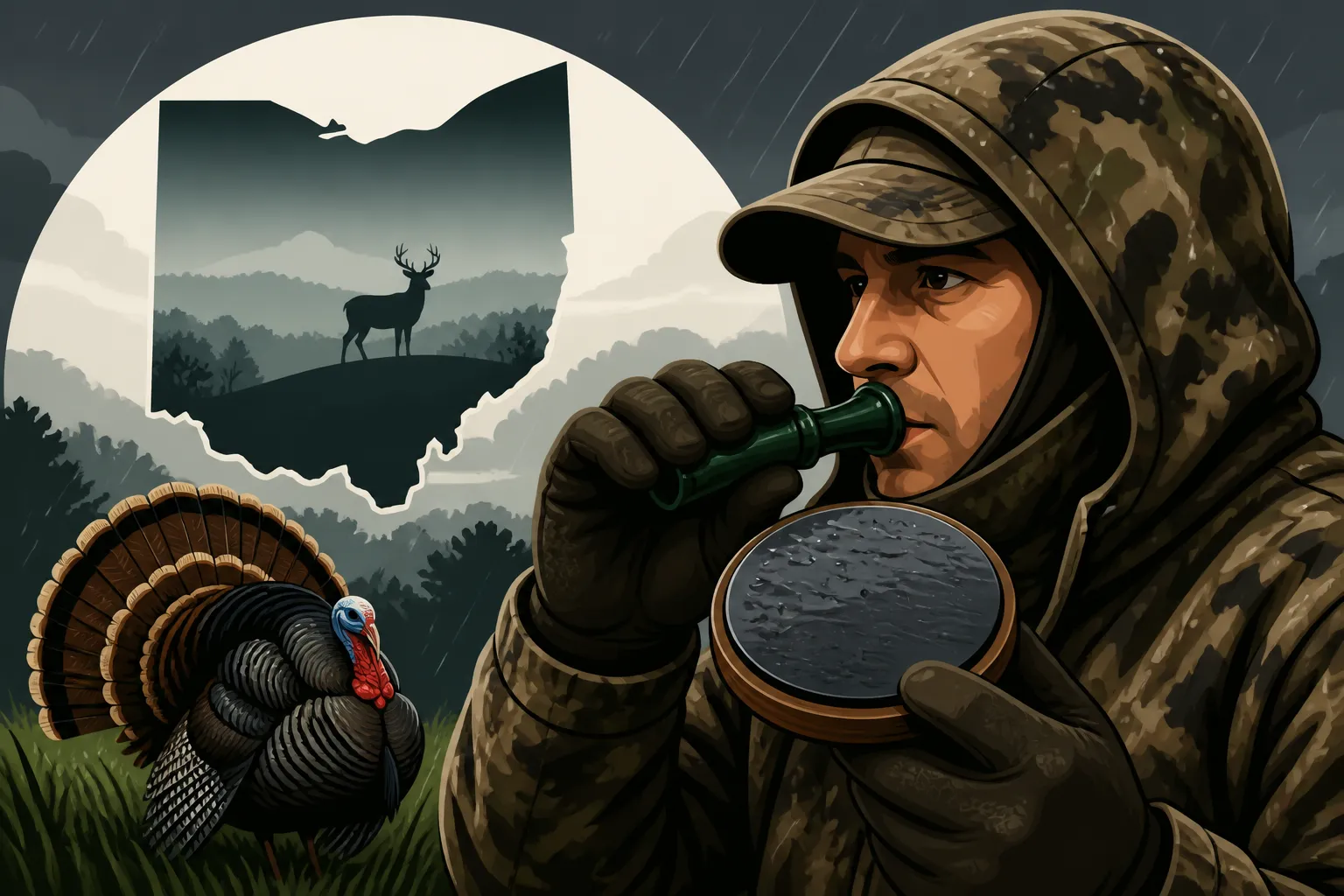
There's nothing quite as frustrating as waking up to a light spring rain on opening day of turkey season, only to find that your favorite slate or glass pot call, the one that perfectly mimics a lonely hen, has suddenly gone silent or sounds more like a dying cat. You've practiced for months, you know the birds are roosted nearby, and now your primary communication tool feels utterly useless because of a little dampness. It can really throw a wrench in your plans, turning a promising morning into a struggle just to get a decent sound out. This guide will dive deep into understanding why slate and glass calls struggle in wet conditions and, more importantly, how you can overcome these challenges to keep those gobblers talking, even when the weather isn't cooperating in the Ohio woods.
The Science Behind the Silence: Why Wet Weather Wrecks Pot Calls
It’s not just in your head—your pot call really does sound different, and often worse, when it’s wet. The physics of how these calls work, relying on friction and vibration, means they are inherently vulnerable to moisture. Understanding why this happens is the first step toward combating it. It’s a battle many Ohio turkey hunters have fought, from the ridge tops of Appalachia to the sprawling farmlands of the northwest.
The Material Matters: Slate, Glass, and Their Water Affinity
Both slate and glass calls rely on a precise interaction between your striker and the call's surface to create sound. When that surface gets wet, even with a light mist or high humidity, everything changes. Water acts as a lubricant, drastically reducing the friction needed for the striker to "grab" the surface and produce clean, crisp vibrations. Imagine trying to run your finger over a wet countertop – it slides, doesn't it? The same principle applies here. Instead of the tight, consistent friction that creates those perfect yelps, clucks, and purrs, you get a slick, inconsistent slide that results in squeaks, chirps, or just dead silence.
Slate, being a naturally porous material, is particularly susceptible. It can absorb moisture, which not only affects the surface but also changes the density and vibration characteristics of the call itself. Even if the surface appears dry, the absorbed moisture beneath can still mute the sound. Glass, while less porous, still suffers from a film of water on its surface. This film prevents the fine grit of the conditioning pad from working effectively, and the striker struggles to make the necessary contact. It’s like trying to play a guitar with wet strings – the sound just isn't there.
This issue becomes glaringly obvious during a typical Ohio spring when conditions can shift from sunny and calm to foggy and drizzly within an hour. You might be working a hot bird, Calling an Ohio Gobbler Off the Roost, and suddenly, as the dew settles or a light shower begins, your go-to hen sounds evaporate. It’s a frustrating reality that every turkey hunter faces, but knowing this fundamental material weakness helps you prepare for it.
Striker Sag and Sound Degradation
It's not just the call surface that's affected; your striker plays an equally crucial role, and it too is susceptible to moisture. Most strikers are made of wood—hickory, mahogany, dymondwood, or other natural materials. Wood, by its very nature, absorbs moisture. When a wooden striker gets damp, the tip can swell slightly, changing its profile and how it contacts the call surface. This swelling can lead to a less precise point of contact, reducing the sharpness and clarity of your calls. Furthermore, the very tip of the striker, where you condition it to create friction, can become saturated, making it impossible to produce a consistent sound.
The natural oils and resins in wooden strikers, which contribute to their unique sound qualities, can also be diluted or washed away by persistent moisture, further degrading performance. Even synthetic or carbon strikers, while less prone to swelling, can struggle if their tips become slick with water. The fine, abrasive texture needed to grip the pot call surface is lost, resulting in that dreaded "dead" sound. You might try to push harder, thinking it's a technique issue, but you'll only exacerbate the problem by creating more noise than actual turkey talk.
Consider a scenario where you've been sitting for a while, perhaps Setting Up Against a Big Oak on a dewy morning. Your striker, even if tucked away, can slowly absorb moisture from the humid air. When you finally spot a tom and reach for your call, that once-perfect striker feels slightly different, and the sounds it produces are muted, lacking the sharp cutts or subtle purrs you need. It's a subtle but significant degradation that can cost you a bird.
Essential Strategies for Keeping Your Pot Calls Dry
Knowing the enemy is half the battle, right? Now that we understand why wet weather mutes our calls, we can focus on practical, actionable strategies to keep them in prime gobbler-attracting condition. It’s all about preparation and quick thinking in the field.
Proactive Protection: Before the Hunt and In the Field
The best defense is a good offense, and that means protecting your calls before the rain even starts. Before you head out for Spring Turkey Hunting in Ohio, give some thought to how you’ll store your calls. Investing in quality, waterproof bags or pouches specifically designed for turkey calls is a game-changer. These aren't just for keeping dirt out; they create a barrier against moisture. Look for pouches with robust zippers or roll-top closures that truly seal out the wet. Some hunters even use small, sealable plastic bags as an extra layer of protection for each individual call.
Beyond dedicated pouches, your hunting vest or jacket can be your first line of defense. Keep your most crucial calls tucked away in an inner pocket, close to your body heat. Your body heat will help keep them dry and even warm, which can improve sound quality in cold, damp conditions. Many experienced hunters carry multiple calls and strikers specifically for this reason – if one gets wet, you have a dry backup ready to go. Think of it as an insurance policy for your turkey talk. While some might suggest waterproof treatments, be cautious. You never want to spray anything on the actual playing surface of your call, as it will destroy the friction needed for sound. Focus on keeping the call shielded from direct moisture instead.
Imagine you're hunting in southeastern Ohio, where morning fog often blankets the hills. You know from checking the forecast there's a 30% chance of rain by mid-morning. Before leaving the truck, you ensure your main slate call is in a waterproof pouch, nestled deep in your vest. Your backup glass call, along with a couple of extra strikers, is in another secure, dry pocket. This proactive approach ensures that when that first drizzle starts, you're not scrambling to protect your most valuable tools; they're already safe.
The Art of the Dry Striker
A pot call is only as good as its striker, and a wet striker is a useless striker. This is perhaps the most critical component to keep dry. The tip of your striker, whether it's wood, carbon, or a synthetic material, needs to be rough and dry to create the necessary friction. Always carry a small piece of fine-grit sandpaper, a conditioning pad, or even a small piece of Scotch-Brite scrubber in your vest. Use it regularly, even during the hunt, to scuff up the tip of your striker. This removes any moisture and roughs up the surface, allowing it to grip the call properly.
Furthermore, carrying multiple strikers made from different materials is a smart move. While wooden strikers can swell and become ineffective when wet, carbon or synthetic strikers tend to fare much better in damp conditions. They don't absorb water in the same way, maintaining their integrity and sound quality more consistently. Many hunters swear by carbon strikers for their reliability in the rain. When the weather turns, you can quickly swap out a damp wooden striker for a dry, weather-resistant carbon one, and keep right on calling. Make sure these extra strikers are also stored in a separate, dry pocket or a small, sealable container.
You've found a gobbler, and he's hot, but a sudden downpour forces you to seek shelter quickly. You pull out your favorite wooden striker, but it feels slick. Rather than giving up, you pull out your conditioning pad and quickly rough up the tip. Still not sounding quite right? No problem, you swap it for a dry carbon striker you kept in a separate, small waterproof case. Suddenly, the crisp yelps return, and that tom is still interested. This adaptability is key to consistent success. For more options to build your calling arsenal, check out Turkey Calls Worth Carrying in Ohio.
Tactical Adjustments When Rain Hits
Even with the best preparation, sometimes you just get caught in a downpour, or the humidity is so thick that everything feels damp. This is where tactical adjustments to your calling style and setup become paramount. You can't just keep calling the same way and expect results.
Adapting Your Calling Style
When your pot call gets damp, a forceful, aggressive calling style can often make it sound even worse. Instead of trying to overpower the moisture, try adapting. Use lighter pressure on your striker and slower, more deliberate strokes. This can help coax out softer, more realistic sounds that might still attract a gobbler. Focus on short, sharp clucks and soft purrs rather than long, drawn-out yelps, which require more consistent friction and are harder to produce cleanly when wet. You’ll find that a lighter touch might just surprise you.
It's also a good idea to have other call types in your arsenal. Mouth calls (diaphragm calls) are completely impervious to wet weather, as they operate internally. They are excellent for continuous calling in a downpour, allowing you to keep your hands free and your pot calls dry. Box calls, while also made of wood, can often be played with a slightly different technique in the rain. If the lid and paddle are waxed, they might resist moisture longer than an exposed pot call surface. If the rain is really coming down, relying on a mouth call or a carefully protected box call might be your best bet to keep the conversation going.
Imagine a situation where you're set up on a Turkey Tactics for Farmland Field Edges in a light but persistent drizzle. Your slate call is making some decent sounds, but not its usual stellar performance. Instead of forcing loud, aggressive calls, you switch to soft, pleading yelps with minimal pressure, interspersed with gentle clucks. The gobbler, hearing these subtler sounds that mimic a lone, slightly displaced hen, might just be enticed to investigate, especially if you're using a quality call like those available through GoHunt, known for their consistency even in less-than-ideal conditions.
Utilizing Natural Cover and Shelter
One of the simplest yet most effective ways to protect your calls, and yourself, from the elements is to use natural cover. When you're Run-and-Gun Turkey Tactics on Public Land and the skies open up, look for the thickest pine trees or hardwoods with dense canopies. These natural umbrellas can provide surprising shelter, keeping you and your calls relatively dry. Position yourself so your calling hand, and thus your call, is shielded from direct rain.
If you know wet weather is likely, consider hunting from a ground blind. A good ground blind offers maximum protection for you and all your gear, allowing you to use your pot calls comfortably, even in heavy rain. Make sure you anchor it well, especially in Ohio's sometimes gusty spring winds. Setting up near rock overhangs, dense thickets, or even beneath a fallen tree can provide temporary shelter in a pinch. The goal is to minimize direct exposure to rain on your call's playing surface and your striker.
You've got a gobbler hammering in the distance, but the forecast calls for heavy rain by midday. You decide to deploy your ground blind near a known strut zone, understanding that it's a marathon, not a sprint, especially when the weather is against you. Inside the blind, your calls stay perfectly dry, allowing you to deliver crystal-clear yelps and cutts. This strategic use of shelter keeps you comfortable and keeps your calls functioning perfectly, maximizing your chances of success during the Ohio Spring Turkey Zones and Dates season. If you're looking for tips on setting up a blind, check out Using a Ground Blind on Ohio Public Land.
Maintenance and Long-Term Care for Wet-Weather Performance
The hunt doesn't end when you tag your bird or head back to the truck. Proper post-hunt care is vital, especially when your calls have been exposed to moisture. Neglecting them after a wet outing can lead to long-term damage and poor performance in future hunts.
Post-Hunt Drying and Conditioning
Never, ever store your pot calls when they are wet or damp. This is a recipe for disaster, as it can lead to warping, mildew, and permanent damage to both the call and your strikers. As soon as you get home, take all your calls and strikers out of their pouches and let them air dry thoroughly. Don't put them directly on a heater or in direct sunlight, as extreme heat can also cause warping or cracking. A cool, dry place with good air circulation is ideal. Lay them out on a towel or a rack where air can get to all sides.
Once completely dry, it's time to re-condition the playing surface of your pot calls. Use a conditioning pad or fine-grit sandpaper (typically 120-150 grit for slate, and a Scotch-Brite pad or finer grit for glass) to scuff up the entire surface. This removes any grime, oils, or residue that might have accumulated during the hunt and, more importantly, restores the critical friction needed for optimal sound. Don't forget to re-condition your strikers too, focusing on the tip. Check them for any signs of swelling, cracking, or damage from moisture exposure. A little TLC after each wet hunt will ensure your calls are ready for the next adventure.
Let's say you endured a particularly damp morning pursuing a bird near the Ohio River Valley Ridges. When you get home, despite not connecting with a gobbler, you make sure to pull out all your calls from your Turkey Gear for an Ohio Spring setup. You let them air dry on the kitchen counter for a day, then take a fine-grit sandpaper to your slate call, bringing back that dull, chalky finish that produces such sweet sounds. Your wooden strikers also get a quick scuff. This diligence means your calls will perform like new for your next hunt.
Building a "Wet Weather" Call Kit
For the serious turkey hunter in Ohio, having a dedicated "wet weather" call kit can be a game-changer. This isn't just about having backups; it's about having tools specifically chosen and prepared to perform in adverse conditions. Start with a truly waterproof bag or box that can fit snugly into your vest. Within this, include:
- A secondary pot call: Perhaps a glass call with a carbon striker, which tends to be more resilient to moisture than slate and wood combinations.
- Multiple carbon or synthetic strikers: These are your go-to when wood fails. Make sure they are pre-conditioned and stored dry.
- A conditioning pad or small piece of sandpaper: Essential for quick touch-ups in the field.
- A compact, waterproof box call: Some box calls, especially those made from synthetic materials or with well-waxed wooden parts, can hold up surprisingly well in light rain. They offer a different sound profile and a reliable backup.
- Mouth calls: Always have several fresh mouth calls in your vest. They are the ultimate wet-weather turkey call.
By having this specialized kit, you eliminate guesswork and frustration when the weather turns. You know exactly which calls will perform, and they are protected and ready to deploy. Brands like GoHunt often feature reviews and gear guides on various call types, helping you select the most robust options for wet weather. This proactive approach allows you to stay focused on the hunt, rather than worrying about your gear.
| Striker Material | Wet Weather Performance | Pros | Cons |
|---|---|---|---|
| Wood (Hickory) | Poor | Excellent natural sound, versatile | Absorbs moisture, can swell, degrades sound quickly |
| Wood (Dymondwood) | Fair | More stable than natural wood, good sound | Still susceptible to moisture, can swell over time |
| Carbon | Excellent | Impervious to moisture, consistent sound | Can be "harder" sounding, less natural for some |
| Acrylic | Excellent | Impervious to moisture, very consistent | Can be slick if not properly conditioned, less forgiving |
By understanding these nuances, you'll be much better equipped to face whatever Mother Nature throws at you during your next Ohio turkey hunt.
Disclaimer
This article is for general informational purposes only and does not constitute professional advice. Laws, prices and regulations vary by location and change over time. Consult a qualified professional for guidance on your specific situation.