Live Traps for Nuisance Furbearers
Dealing with nuisance furbearers on your property in Ohio can be a real headache. Whether it's a family of raccoons turning over your trash cans every night, a skunk living under your deck, or groundhogs decimating your garden, these situations are incredibly frustrating and can feel overwhelming to manage. This guide will walk you through the ins and outs of using live traps to safely and ethically address these common wildlife issues, helping you reclaim your peace of mind and your property.
Understanding Nuisance Furbearers in Ohio
Ohio is home to a diverse array of furbearers, and while most coexist peacefully with humans in their natural habitats, some have adapted a little too well to suburban and rural living. When these animals decide your backyard, attic, or shed is a prime piece of real estate, they quickly become a nuisance. It's not usually malicious; they're simply seeking food, shelter, or a safe place to raise their young, but the consequences for homeowners can be significant.
Common Culprits and Their Damage
Let's be real, you're probably not trying to trap a majestic buck or a wary gobbler. More often than not, the animals causing problems are some of Ohio's most adaptable furbearers. Raccoons are notorious for their dexterity and intelligence, making quick work of garbage cans, pet food, and even garden produce. They can also cause structural damage gaining access to attics or crawl spaces. Skunks, with their unmistakable defense mechanism, often dig under sheds or decks for dens, and their spray can be an absolute nightmare for pets and people alike. Then there are groundhogs, those industrious burrowers who can undermine foundations, create tripping hazards in pastures, and turn a lush vegetable garden into a barren wasteland in a matter of days. Opossums might seem less destructive, but they can still raid chicken coops, spread parasites, and make a general mess. Sometimes, even foxes or coyotes might become nuisance animals if they start preying on domestic animals or becoming too bold around homes, though they are usually handled differently than smaller furbearers.
The damage these animals inflict isn't just an inconvenience; it can be costly. Repairs to damaged structures, replacing ruined gardens, or vet bills for sprayed pets add up fast. It's why many Ohioans seek out humane solutions to deal with these unwanted visitors.
The Rationale Behind Live Trapping
So, why choose live trapping? For many, the appeal lies in its humane approach. Instead of lethal methods, live traps allow you to capture an animal without harming it, giving you the option to release it elsewhere or turn it over to wildlife professionals. This can be especially important if you're unsure of the species you're dealing with, or if you simply prefer a non-lethal solution. It's also a highly effective method when you know where the animal is denning or feeding, allowing for targeted removal.
Another key reason for live trapping is precision. Unlike general pest control measures, a live trap allows you to capture the specific animal causing the problem, minimizing impact on other wildlife in your yard. Plus, if you discover you've caught a non-target animal, like a neighbor's cat or a squirrel, you can safely release it without incident. This control and ethical consideration makes live trapping a popular choice for homeowners and even some wildlife professionals when dealing with localized nuisance issues.
Choosing the Right Live Trap for the Job
Picking the right live trap isn't as simple as grabbing the first cage you see at the hardware store. The success of your trapping effort, and the safety of both you and the animal, hinges on selecting an appropriate trap for the species you're targeting.
Different Trap Styles and Sizes
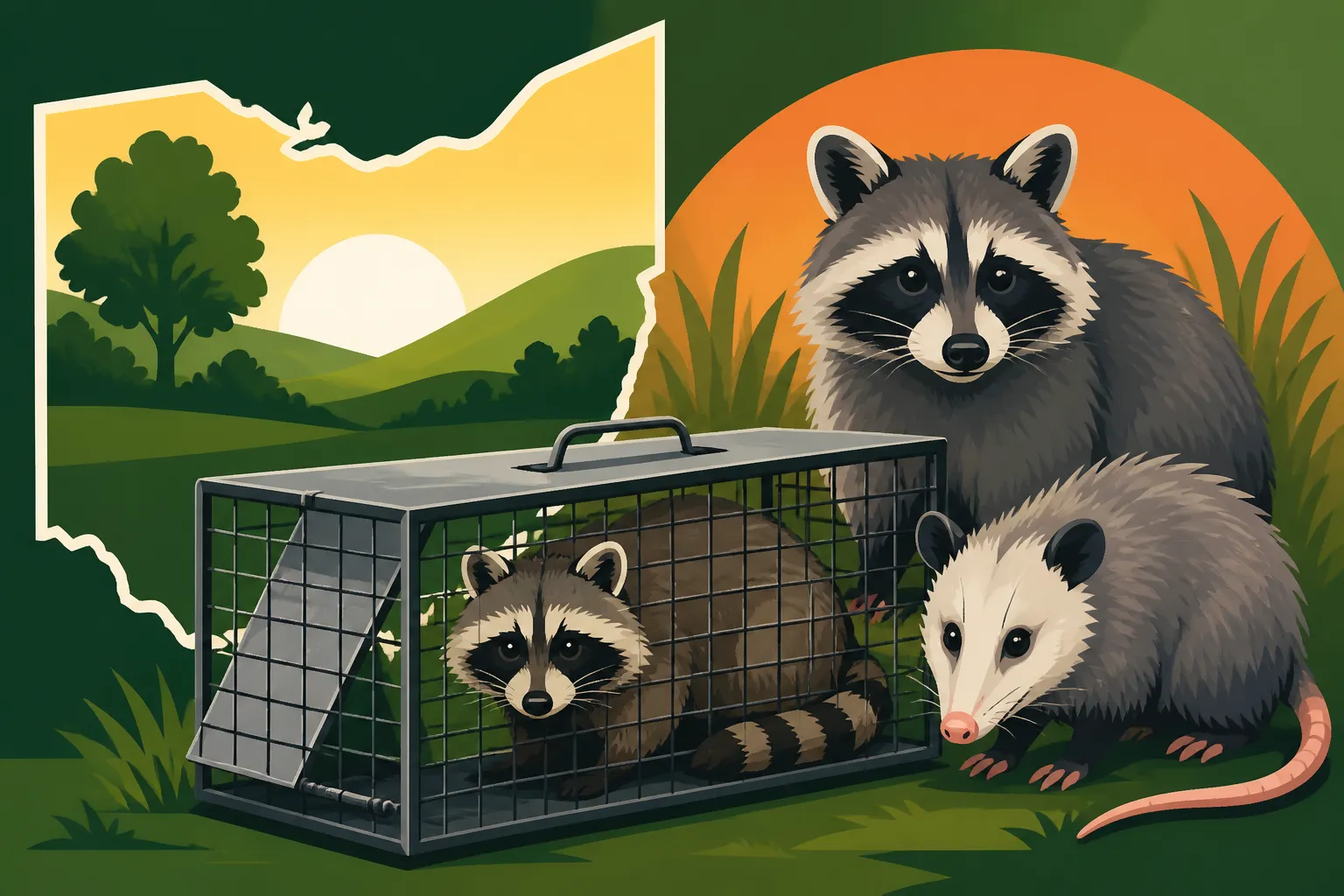
Live traps come in various styles and sizes, each designed with specific animals in mind. For smaller furbearers like squirrels, rabbits, or even opossums, a single-door, medium-sized trap (think 24-30 inches long) usually does the trick. These are relatively easy to set and conceal. However, for larger, more powerful animals like raccoons or skunks, you’ll need a larger, more robust trap, typically 30-36 inches long or even bigger. Raccoons, in particular, are strong and can quickly damage or escape a flimsy trap. Double-door traps can sometimes be effective, offering a more open "run-through" feel that can make wary animals less hesitant to enter, but single-door traps with a strong spring mechanism are generally sufficient and often more practical for most home use.
When considering sizes, remember to err on the side of slightly larger if you're unsure. A trap that's too small might injure the animal or allow it to escape, while a slightly larger one simply provides more space. Manufacturers like Havahart, Tomahawk, and Safeguard offer a wide range of options that cater to different species and user needs. If you check out resources like GoHunt, you'll often find reviews and recommendations that can help you narrow down your choices based on effectiveness and durability.
Materials and Durability Considerations
The longevity and effectiveness of your live trap largely depend on its construction. Most quality live traps are made from heavy-gauge galvanized steel wire, which offers good rust resistance and strength. Cheaper traps might use thinner wire or less durable coatings, leading to rust, bending, or animal escapes over time. For tenacious animals like raccoons, a sturdy, reinforced frame is crucial. Look for traps with strong spring-loaded doors that latch securely and smoothly. You don't want a trap that sticks or jams, as this can either fail to capture the animal or injure it.
Another often-overlooked feature is a protective handguard or carrying handle. Once you've caught an animal, you'll need to move the trap, and a good handle keeps your hands clear of potential bites or scratches. This is especially important when dealing with species like skunks, where a comfortable and safe grip can prevent a very unpleasant encounter. Investing in a well-made trap will save you frustration and potential injury in the long run, and it's a tool you can rely on for years to come. Think of it as a long-term solution for whatever critter might show up next.
Setting, Baiting, and Monitoring Your Live Traps
Once you have the right trap, the real work begins. Successful live trapping isn't just about putting a trap down; it's about smart placement, irresistible bait, and diligent monitoring. Skimp on any of these steps, and you'll likely end up with an empty trap and continued frustration.
Strategic Placement and Concealment
Where you place your trap is almost as important as the bait you use. Think like the animal. Where do they travel? Where do they eat? Where do they feel safe? For raccoons raiding trash cans, place the trap near the cans or along their common entry/exit routes from your yard. For skunks under a deck, place the trap at the entrance to their den. Groundhogs? Right near the entrance to their burrow. You want the trap to be in a high-traffic area for the target animal.
Consider the ground, too. Place the trap on a flat, stable surface so it doesn't wobble or tip when the animal enters. Some trappers like to partially conceal the trap with natural materials like leaves, branches, or even an old tarp to make it less intimidating, especially for wary animals. Creating a "funnel" with logs or fencing that guides the animal directly into the trap can also increase your success rate. Remember to set the trap away from direct sunlight, especially on warm days, to prevent captured animals from overheating. An ideal spot might be in the shade of a large oak tree or under a dense thicket, where the animal feels a sense of security.
Effective Baiting Techniques for Ohio Species
Bait is the lure, the irresistible aroma that draws your target into the trap. The best bait depends entirely on what you're trying to catch.
- Raccoons: These omnivores aren't picky. Marshmallows, canned cat food, dry kibble, sweet corn, or even a piece of fried chicken will often do the trick. A common tactic is to place a small amount of bait just outside the trap entrance and then a trail leading to the trigger plate.
- Skunks: They love strong, smelly foods. Canned fish (sardines or tuna), peanut butter, or even cat food mixed with bacon grease are good choices. A smart move for skunks is to place the bait deep inside the trap, ensuring they fully enter to reach it, which helps prevent them from spraying outside the trap.
- Groundhogs: Being herbivores, they prefer fresh fruits and vegetables. Cantaloupe, apples, corn on the cob, or even leafy greens like lettuce and spinach are excellent choices.
- Opossums: Like raccoons, they're opportunists. Canned pet food, rotten fruit, or even leftover scraps can work.
Always secure your bait to the trigger plate if possible, so the animal has to manipulate it, ensuring the trap fires. You don't want them snatching the bait and backing out without tripping the mechanism. You can find more specific baiting tips for various furbearers by looking up Ohio's trapping regulations and advice on sites like GoHunt, which often have user-submitted insights.
The Importance of Regular Monitoring
Once a trap is set and baited, diligent monitoring is not just good practice—it's often a legal requirement and an ethical responsibility. Ohio law typically requires traps to be checked daily, and sometimes even more frequently depending on the species and conditions. A captured animal can become stressed, dehydrated, or overheated very quickly, especially in warmer weather or direct sunlight. If an animal is left in a trap for too long, it can injure itself trying to escape, or worse.
Check your traps first thing in the morning and ideally again in the late afternoon. If you’re trapping near your home, a quick visual check several times a day is even better. This ensures that any animal caught is dealt with promptly and humanely. Also, frequent checks allow you to re-bait if necessary, or adjust placement if it's not working. Remember, your goal is to resolve a nuisance, and that means being responsible throughout the process. An animal left in a trap too long is not only suffering, but it's also a clear sign of irresponsible trapping that can lead to fines or penalties.
Handling and Relocating Captured Animals Legally and Ethically
Catching a nuisance furbearer is only half the battle. The next, and arguably most critical, step is deciding what to do with it. This is where Ohio's regulations come into play, and where ethical considerations become paramount.
Ohio Regulations for Trapping and Relocation
Before you even set a trap, you need to understand Ohio's specific regulations regarding trapping and the relocation of furbearers. This is not something you want to guess about. Generally, in Ohio, it is illegal to relocate many species of wild animals, especially furbearers, from one property to another without proper permits or without being a licensed Nuisance Wildlife Control Operator. The primary reason for this is to prevent the spread of diseases, particularly rabies, and to avoid simply shifting a problem from your property to someone else's. Ohio Trapping License Requirements outlines some of the general rules you'll encounter.
For most common nuisance furbearers like raccoons, skunks, and opossums, if you capture them on your property, state regulations often dictate that they must either be released on the property where they were caught or humanely euthanized. Relocating them to a new, wild area, such as a state forest or wildlife area, is generally prohibited for homeowners. This is a crucial distinction and one that many people misunderstand. Always check the most current Ohio Department of Natural Resources (ODNR) regulations or contact your local wildlife officer for specific guidance. Ignoring these rules can lead to significant fines and legal trouble. If you’re unsure, seeking advice from a professional Nuisance Wildlife Control Operator who understands Ohio Trapping and Furbearer Seasons and all relevant rules is always the safest bet.
Safe Handling Practices for Trapped Animals
When you approach a trap with a captured animal, safety for yourself and the animal is the absolute priority. Never approach a trapped animal with bare hands. Wear heavy leather gloves, eye protection, and consider long sleeves or a jacket. Animals are wild and unpredictable when stressed or frightened. They can bite, scratch, or spray without warning.
For skunks, the key is to move slowly and quietly. Often, covering the trap with a blanket or tarp can calm the animal down and make it less likely to spray. This dark, enclosed environment makes them feel more secure. For raccoons, their strength and sharp claws require extreme caution. Always handle the trap from the top or back, keeping clear of the door mechanism and any gaps the animal might be able to reach through. Use a sturdy carrying handle for transport, and never stick your fingers into the cage. If you’ve trapped an animal that looks sick or injured, do not attempt to handle it yourself. Contact your local wildlife officer or a licensed Nuisance Wildlife Control Operator. You might also want to review resources on Reporting a Sick Animal in Ohio.
What to Do If You Catch a Non-Target Animal
It happens more often than you think. You're trying to catch a groundhog, and you end up with a neighbor's curious cat, a squirrel, or even a domestic rabbit. This is another reason live traps are preferred by many; they allow for the safe release of non-target species.
If you catch a non-target animal, approach the trap cautiously, speaking softly to keep the animal calm. Ensure you're wearing protective gloves, even for small animals, as any wild animal can bite when scared. Position the trap away from you and then carefully open the door, stepping back quickly to allow the animal to exit on its own. It's usually a swift departure. For domestic animals like cats, check for collars or tags, and if possible, try to contact the owner. If you can't identify the owner, you may need to contact your local animal shelter or humane society. Remember, the goal is to target the nuisance, not to harm other wildlife or pets. If you're consistently catching non-target animals, re-evaluate your bait, placement, or even the time of day you're trapping. Sometimes adjusting your approach based on species activity patterns (e.g., Ohio Raccoon Season Opening Night might show their nocturnal habits) can make a big difference.
Table: Common Nuisance Furbearers, Recommended Trap Sizes, and Bait
| Nuisance Furbearer | Common Damage Caused | Recommended Trap Size (Length) | Effective Baits | Notes & Ohio Considerations |
|---|---|---|---|---|
| Raccoon | Trash raiding, structural damage, pet food theft, disease vectors. | 30-36 inches | Marshmallows, canned cat food, sweet corn, fried chicken, dry kibble. | Nocturnal; strong and intelligent. Can be aggressive. Relocation generally prohibited for homeowners. See Raccoon Density Near Ohio Farmland. |
| Skunk | Digging dens under structures, foul odor, garden damage, disease. | 24-30 inches | Canned fish (sardines, tuna), peanut butter, bacon grease, cat food. | Move slowly and cover trap with a blanket to prevent spraying. Nocturnal. |
| Groundhog | Extensive burrowing, garden destruction, damage to foundations/outbuildings. | 24-30 inches | Cantaloupe, apples, corn on the cob, carrots, leafy greens. | Diurnal. Place near burrow entrance. See Ohio Groundhog Burrow Habits. |
| Opossum | Trash raiding, pet food theft, chicken coop raids, parasite spread. | 24-30 inches | Canned pet food, rotten fruit, leftover meat scraps. | Nocturnal; less aggressive but can bite. Relocation generally prohibited. |
| Fox (Red/Gray) | Predation on poultry/small pets, denning under structures. | 30-36 inches | Canned cat food, fish, meat scraps, commercially available predator lures. | Wary; difficult to trap. Professional help often recommended. Check Coyote and Predator Hunting in Ohio for broader context. |
| Weasel | Predation on poultry, small rodents. | 18-24 inches | Meat scraps, fresh eggs. | Small, agile, and elusive. Often require specialized small traps. |
Disclaimer
This article is for general informational purposes only and does not constitute professional advice. Laws, prices and regulations vary by location and change over time. Consult a qualified professional for guidance on your specific situation.