Ohio Raccoon Season Opening Night
The crisp air of early November, often signaling the true arrival of fall in Ohio, brings with it a unique blend of anticipation and a touch of chaos for many hunters. While deer hunters might be focused on the rut, for many dedicated furbearer enthusiasts, opening night of raccoon season is the main event. It’s a night filled with the excited bawling of hounds, the beam of headlamps cutting through the darkness, and the promise of a thrilling chase. But navigating the specific regulations, getting your gear dialed in, and understanding where to find these wily nocturnal creatures on that very first night can be a real head-scratcher. This guide aims to clear up the confusion and help you prepare for a successful and safe raccoon season opening night in Ohio.
Understanding Ohio's Raccoon Season Structure
Ohio's furbearer seasons are structured a bit differently than big game seasons, often designed to manage populations effectively while providing ample opportunity for hunters and trappers. For raccoons, the opening night isn't just a date on a calendar; it's the kickoff to months of potential action, and knowing the ins and outs is crucial.
Key Dates and Regulations for Opening Night
When that first night of raccoon season rolls around, usually in early November, it marks the moment when hunters can legally pursue raccoons with a firearm, archery equipment, or dogs. Unlike some other states or species, Ohio's raccoon season typically opens statewide without special zones or differing dates based on region. The season generally kicks off around November 10th, running through the end of January, but it's always critical to double-check the current year's Ohio Department of Natural Resources (ODNR) hunting and trapping regulations digest. They publish this annually, and a quick glance at the Ohio Raccoon and Fox Season Dates will give you the precise information you need.
For opening night specifically, the rules for legal shooting hours are particularly important. While many forms of hunting are restricted to daylight hours, raccoon hunting is a classic nocturnal pursuit. From one-half hour before sunrise to one-half hour after sunset for some species, for raccoons, the fun truly begins when the sun dips below the horizon. You're legally allowed to hunt raccoons at night, which is why bright lights, GPS collars for hounds, and a good sense of direction are absolutely indispensable. There are no daily or season bag limits for raccoons in Ohio, which means you can focus on the hunt itself without worrying about counting your take, a reflection of raccoons often being managed as a nuisance species in agricultural areas.
License and Permit Requirements
Before you even think about stepping into the woods on opening night, you absolutely need to make sure your paperwork is in order. It's a fundamental part of responsible hunting, and getting caught without the right license can ruin your hunt and cost you a pretty penny in fines. In Ohio, to hunt raccoons, you’ll need a valid Ohio hunting license. This isn't specific to furbearers; it's the general license required for almost any hunting activity in the state. If you’re an Ohio resident, you’ll typically opt for an annual resident hunting license. Non-residents, on the other hand, will need to purchase a non-resident hunting license, which costs a bit more. You can learn more about these options by checking out the Ohio Resident Hunting License Options.
Beyond the general hunting license, there's a specific requirement for furbearer hunting and trapping. While there isn't a separate "raccoon permit" per se, your hunting license covers raccoons when the season is open. However, if you plan to also trap raccoons, or any other furbearer, a separate trapping license would be required. For night hunting raccoons with a firearm or bow, your standard Ohio hunting license is generally sufficient.
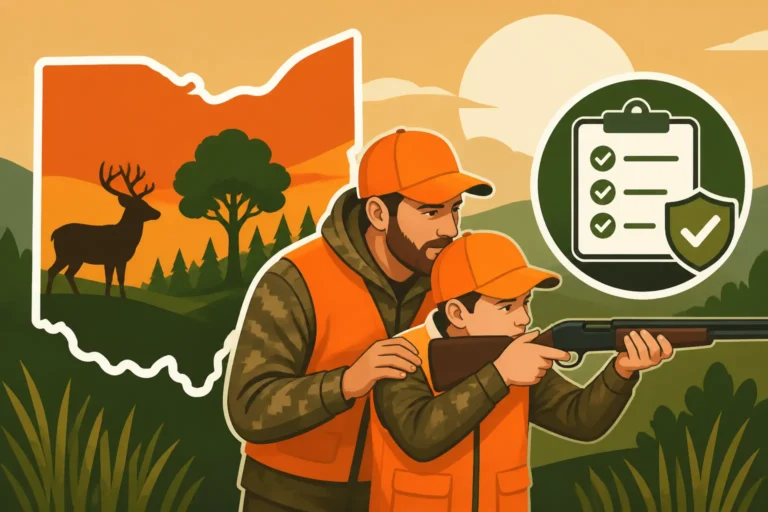
For our younger hunters, Ohio offers excellent opportunities with specific regulations for youth hunters. Minors typically need a youth hunting license. If they are participating in hunting activities, especially with a firearm, they must comply with the state's hunter education requirements. If they haven't completed hunter education, they can hunt under the supervision of a licensed adult as part of the Ohio Apprentice Hunter Rules, which is a fantastic way to introduce new generations to the outdoors. It's vital that the supervising adult stays within a close, direct line of sight and voice communication to ensure safety and adherence to all regulations.
Preparing for a Successful Opening Night Hunt
Opening night is always special. The raccoons haven't been pressured yet, and there's a certain buzz in the air. To capitalize on this, you need to be well-prepared, both in terms of your gear and your chosen hunting spots.
Essential Gear for Night Hunting Raccoons
Night hunting for raccoons isn't like deer hunting; your gear list will look quite different. You're operating in the dark, often moving quickly through varied terrain, and relying on different senses.
First and foremost, lights are paramount. A good, reliable headlamp is non-negotiable. Look for one with adjustable brightness settings and a red-light option to preserve your night vision when you don't need full illumination. Beyond your personal headlamp, a powerful handheld spotlight is essential for "shining" trees to locate a treed raccoon. Some hunters even use specialized "coon lights" that attach to a helmet or hat, providing a focused, intense beam. These are often powered by external battery packs worn on a belt. If you're running hounds, you'll want to ensure your headlamp has a bright enough beam to navigate safely through thickets and across creek beds to reach your dogs. For recommendations on specific lighting, check out our piece on Headlamps Built for Night Raccoon Hunts.
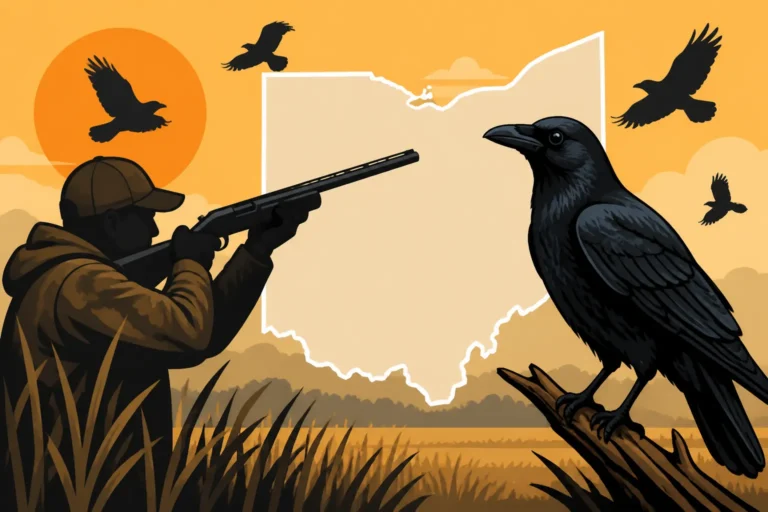
For firearms, Ohio has specific rules. During the open season, you can legally use a variety of firearms for raccoons, including rimfire rifles (like a .22 LR), shotguns (with appropriate loads), and even certain centerfire handguns. Bows and crossbows are also legal. The key is to select a firearm that is suitable for the conditions and ethical for the animal. A .22 LR rifle is a popular choice for dispatching a treed raccoon due to its low report and accuracy, especially when you're hunting near residential areas. If you're still-hunting or calling, a shotgun with small game loads can be effective. Always know your target and what's beyond it, especially at night.
Calling equipment can also be a game-changer. While not as universally used as for coyotes, distress calls or coon squallers can sometimes draw in curious raccoons, especially on unpressured opening night. Electronic calls are also legal for raccoons in Ohio and can be very effective, broadcasting a variety of sounds from raccoon fights to pup distress.
Finally, navigation is critical. Hunting at night, particularly with hounds, can quickly disorient you. A reliable GPS unit or a smartphone with a robust hunting app like GoHunt is invaluable. These tools allow you to mark your vehicle, track your path, and, most importantly, locate your hounds if they range far. Many hound hunters use GPS collars on their dogs, which communicate with a handheld unit, showing the dogs' exact location and whether they are moving or "treed." This technology has revolutionized hound hunting, making it safer and more efficient. For more on this, check out Treeing a Raccoon With a GPS Collar.
Scouting and Location Selection
You can't just stumble into the woods on opening night and expect to find raccoons consistently. A bit of pre-season scouting will drastically improve your odds. Raccoons are creatures of habit and are highly dependent on food and water sources.
On opening night, focus your scouting efforts on areas where raccoons will be actively foraging. This usually means creek bottoms, river corridors, and the edges of agricultural fields, especially those with standing corn or recently harvested fields where gleanings are abundant. Raccoons are omnivores, and in early November, they'll be looking to pack on weight before winter. Look for tell-tale signs:
- Tracks: Raccoon tracks are distinctive, resembling tiny human hands. Check muddy banks along streams or soft ground near field edges.
- Scat: Their droppings often contain seeds or insect parts and can be found along trails or at the base of trees.
- Foraging sign: Overturned rocks, disturbed leaf litter, or damaged corn cobs can all indicate raccoon activity.
- Den trees: While you're not targeting their dens, knowing where they might be bedding during the day gives you an idea of where they'll emerge at night. Large, old hardwood trees with cavities, particularly near water, are prime candidates.
For hunters working private land, establishing a good relationship with landowners is key. Farmers often welcome raccoon hunters, as these animals can cause significant damage to crops. Always ask for permission well in advance, and clarify the exact boundaries you're allowed to hunt. Being a good steward of the land, closing gates, and respecting property are essential. If you're new to this, our guide on Ohio Trespass and Permission Law.can help you understand the legalities of accessing private property. Knowing the Raccoon Density Near Ohio Farmland, for example, might help you pinpoint ideal private land spots.
Public lands can also offer excellent opportunities, especially state wildlife areas or state forests that permit night hunting for furbearers. Always consult the specific regulations for any public land you plan to hunt, as rules can vary regarding hours, permissible methods, and even vehicle access at night.
Tactics for Opening Night Success
Once you have your gear and your location, it's time to talk tactics. The approach you take will largely depend on whether you're hunting with dogs or relying on your own skills.
Hunting with Hounds: The Traditional Ohio Method
For many, raccoon hunting isn't truly raccoon hunting without a pack of well-trained hounds. Ohio has a rich tradition of coon hunting, and opening night sees many truck beds full of eager dogs ready to hit the trail. The magic of "turning out" your dogs and listening to their voices echo through the night woods is an experience like no other.
On opening night, raccoons are typically active and unpressured, which means your dogs should have plenty of scent to work with. The process usually starts by releasing your hounds in an area with known raccoon activity, like a field edge bordering a creek or a timber stand adjacent to corn. The dogs will pick up a scent trail and begin to "strike" – giving voice as they follow the raccoon's path.
As they pursue, you'll learn to distinguish their different barks. A "chop" or a "bawl" often indicates they are on a trail, hot on the raccoon's heels. When the barking changes to a steady, repetitive "tree bark," it means they've got the raccoon cornered up a tree. This is when the real work begins for the hunter: navigating to the treed animal, often through dense undergrowth and over obstacles in the pitch black. A good pair of waterproof boots and a keen ear are your best friends here. You'll then use your spotlight to locate the raccoon in the tree, making sure it's not a squirrel or opossum before proceeding. To delve deeper into this classic pursuit, our article on Running Hounds for Ohio Raccoon, is an excellent resource.
Calling and Still-Hunting Strategies
While hounds are iconic, you absolutely can still-hunt or call raccoons successfully without them, especially on opening night when raccoons might be less wary. This method requires a different kind of stealth and patience.
Still-hunting involves slowly and quietly moving through known raccoon habitat, often along creek beds or timber edges, scanning for eye shine or listening for the rustle of foraging raccoons. The key is to move at a snail's pace, pausing frequently to listen. Use your headlamp sparingly, or only on its lowest setting, to avoid spooking animals.
Calling can be highly effective, especially with electronic calls that can mimic a variety of raccoon vocalizations or prey distress sounds. Set up quietly downwind of a promising area, such as a brushy fencerow or a woodlot bordering a cornfield. Play a series of calls, starting softly and increasing in volume. Be prepared for a raccoon to respond quickly, often approaching with surprising stealth. Ethical shot placement at night with a light source is paramount, so practice with your chosen firearm and light setup before opening night.
Some hunters also experiment with thermal or night vision optics, though their use is often more common for coyote hunting. It's crucial to check the most current Ohio regulations on the use of these devices for raccoon hunting, as rules can change. Currently, artificial lights and electronic calls are legal for furbearer hunting in Ohio, but specific optic regulations can vary by species or season.
Safety and Ethical Considerations
Night hunting is an incredibly rewarding experience, but it comes with unique challenges and responsibilities. Safety should always be your top priority, followed closely by ethical hunting practices.
Night Hunting Safety Protocols
Operating in the dark inherently increases risk, so a strong emphasis on safety is non-negotiable.
- Hunt with a Buddy: Never hunt alone at night. Having at least one other person with you ensures that if an accident or injury occurs, help is immediately available. Establish clear communication methods, whether that's consistent vocal contact or two-way radios.
- Firearms Safety: The fundamental rules of firearms safety are even more critical at night. Always identify your target and what is beyond it before taking a shot. Be acutely aware of your muzzle direction, especially when moving through brush or around other hunters. Only load your firearm when you are ready to shoot and are confident of your target.
- Navigation: Even with GPS devices, navigating unfamiliar terrain in the dark can be treacherous. Study maps of your hunting area in daylight. Identify potential hazards like ravines, cliffs, water bodies, or property lines. Wear sturdy, ankle-supporting boots to prevent falls. Consider carrying a small first-aid kit, whistle, and extra batteries for all your electronics.
- Property Lines: Respecting property lines is not just good etiquette; it's the law. In the dark, it's incredibly easy to inadvertently cross onto private land, especially if you're following a running dog. Use your mapping app (like GoHunt) to clearly delineate boundaries. If you retrieve a treed raccoon on private land, you must have explicit permission from the landowner to do so. Ignoring Ohio Posted Land Rules can lead to serious legal repercussions.
Responsible Raccoon Management
While raccoons are often abundant and can even be considered nuisance animals in some areas, responsible hunting still plays a vital role in wildlife management.
- Bag Limits: As mentioned, Ohio generally does not have a daily or season bag limit for raccoons, reflecting their robust population and the need for population control in certain regions. However, this doesn't mean you should indiscriminately harvest every raccoon you encounter. Take what you can reasonably use or process.
- Game Recovery and Handling: Just like any other game animal, it's your responsibility to ensure a quick, humane harvest and to recover any animal you shoot. At night, this can be particularly challenging. Ensure you have adequate lighting and the means to transport the animal out of the woods. For those looking to utilize the fur, proper skinning and care are important. If you plan to consume the meat, ensure proper handling and cooking practices.
- Understanding Their Role: Raccoons are an integral part of Ohio's ecosystem. While sometimes a nuisance to humans, they also play a role as scavengers and predators. Responsible hunting helps maintain a healthy balance in their populations. Be aware of any unusual behavior in raccoons you encounter, such as lethargy, disorientation, or aggression, as these can be signs of disease. If you observe a sick animal, it's crucial to report it to the ODNR, as detailed in our guide on Reporting a Sick Animal in Ohio.
Opening night of raccoon season in Ohio is a fantastic opportunity to experience a different side of hunting. With proper preparation, a focus on safety, and a deep respect for the land and the animals, it promises to be a memorable adventure under the stars.
Disclaimer
Please note that hunting regulations, season dates, and license requirements can change annually. It is the responsibility of every hunter to consult the most current Ohio Department of Natural Resources (ODNR) hunting and trapping regulations digest before heading afield. This guide provides general information and should not be considered a substitute for official legal documentation.