Ohio Fawn Survival Rates
You're out in the Ohio woods, scouting before the season, and maybe you've noticed something that's been on your mind: where are all the fawns? It's a common thought for many hunters and wildlife enthusiasts who spend time observing our deer herd. Fluctuations in young deer sightings can be concerning, making you wonder what's really happening out there. This guide is here to shed some light on Ohio fawn survival rates, breaking down the critical factors that influence whether those spotted bundles of energy make it to adulthood and how that impacts our deer population.
The Critical First Year: Why Fawn Survival Matters
For any deer population, the survival of its fawns is absolutely paramount. It’s not just about seeing cute little deer in the summer fields; it's the very foundation upon which the future of the herd is built. Without successful fawn recruitment into the adult population, deer numbers can stagnate or even decline, impacting everything from hunting opportunities to the overall health of the ecosystem. As an Ohio hunter, understanding this dynamic helps you make sense of what you're seeing in the woods and better anticipate future hunting seasons.
The Vulnerability Window
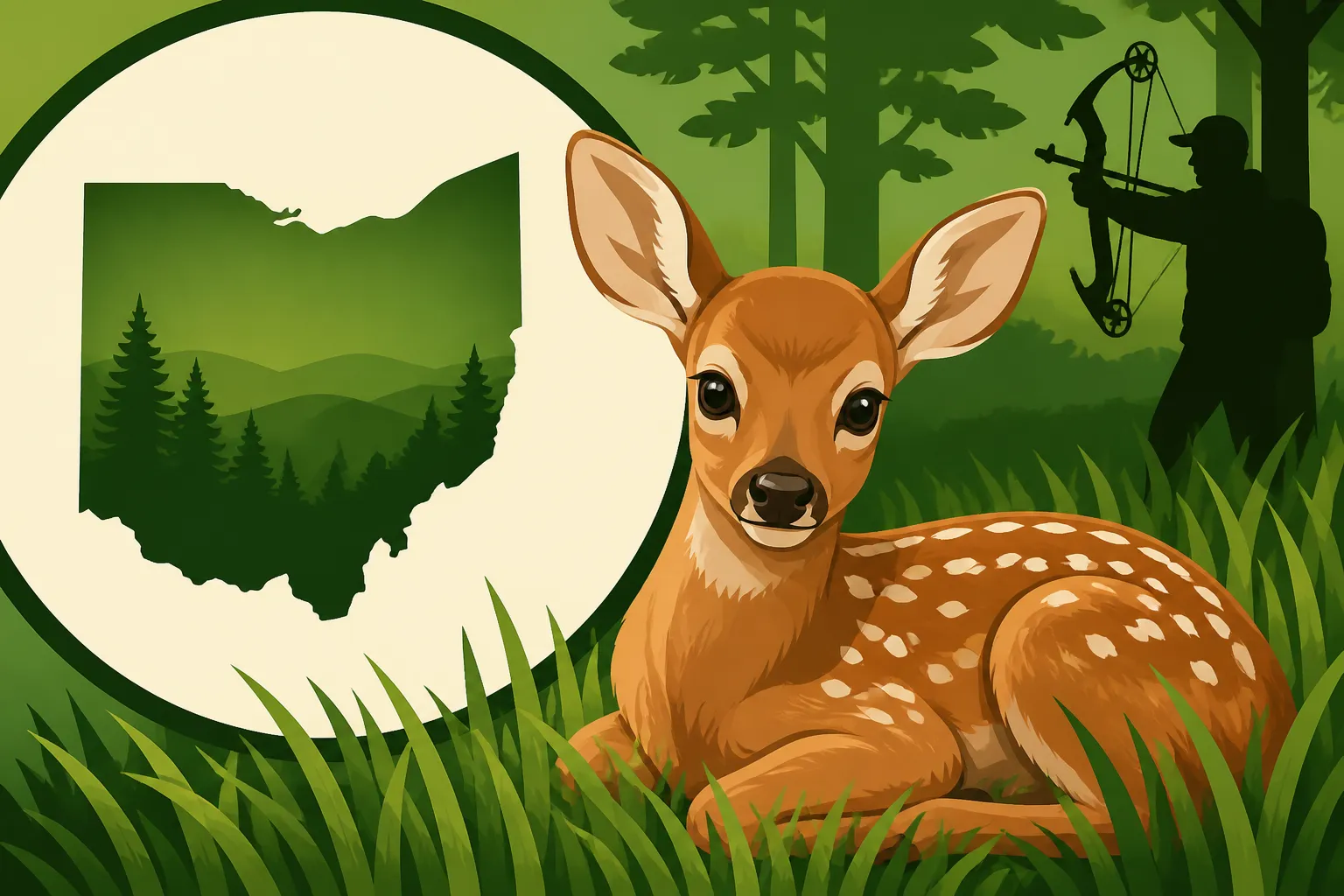
Let's be real, those first few months of a fawn's life are tough. They are born small, scentless for a short period, and incredibly vulnerable. Think about it: a newborn fawn relies entirely on its mother for milk and protection, often spending its first few weeks bedded down and hidden while the doe feeds nearby. This period, from birth through late summer, is what we call the "vulnerability window." They're easy targets for predators, susceptible to disease, and highly dependent on ample, quality cover to avoid detection. A cold, wet spring can reduce survival, as can a lack of dense vegetation for hiding. It's a make-or-break time, and the odds are stacked against a good percentage of them right from the start. That's just nature's way, but it underscores how vital good habitat and healthy does are for giving fawns a fighting chance.
Impact on Deer Population Dynamics
The number of fawns that successfully make it to their first birthday, often referred to as "recruitment," directly dictates the size and age structure of the deer herd in subsequent years. If fawn survival is high, you'll see a growing population with a healthy balance of young and mature deer. If it's low, due to harsh winters, increased predation, or poor habitat, the population can shrink, and the average age of the herd might skew older as fewer young deer are added. This recruitment rate also influences the Ohio Buck-to-Doe Ratio by Region, which is a crucial metric for wildlife managers trying to maintain a balanced herd and quality hunting opportunities. A strong fawn crop today means more yearlings next season and more mature deer down the line. It's a cycle every hunter needs to appreciate, whether you're chasing them in the Bowhunting Ohio's Long Archery Season or during Ohio's Two-Weekend Gun Deer Season.
Major Factors Influencing Ohio Fawn Survival
Fawn survival isn't a single, simple number; it's a complex equation with many variables constantly at play. From the moment they're born until they shed their spots and become independent, fawns face a gauntlet of challenges. Understanding these factors helps us appreciate the resilience of Ohio's deer and gives us a better idea of what to expect when we're out in the field.
Predation Pressure
Let's talk about predators. This is often the first thing hunters point to when fawn numbers seem low, and for good reason. Coyotes, in particular, are a significant factor in Ohio. They're opportunistic hunters, and a defenseless fawn is an easy meal. While coyotes don't typically impact the entire deer population across the state to a severe degree, they can certainly suppress fawn survival in localized areas where their numbers are high, or other food sources are scarce. Fox and even bobcats in certain parts of southern Ohio also play a role, though generally less impactful than coyotes. You might see a healthy number of does, but if few fawns are tagging along, increased predator activity could be the culprit. The Ohio Department of Natural Resources (ODNR) monitors this closely, and we know that Ohio Predator Impact on Fawn Recruitment is a real, measurable influence on our herd's growth.
Beyond direct predation, the presence of predators can also influence doe behavior, potentially making them less likely to let their fawns roam and feed freely, which could indirectly impact fawn health and growth. This is a natural part of the ecosystem, and it’s why understanding the full picture is so important, rather than just pointing fingers.
Habitat Quality and Cover
Good habitat is literally a fawn's lifeline. Think of dense brush, thickets, tall grasses, and areas with fallen timber – these are natural nurseries where fawns can bed down, hidden from predators. The thicker the cover, the better their chances of avoiding detection. If an area lacks this crucial escape and hiding cover, fawns are exposed, making them much more vulnerable.
Beyond just hiding, habitat quality also dictates the nutritional plane of the does. Does that are healthy and well-fed throughout the year produce stronger, healthier fawns with a better chance of survival. A lack of nutrient-rich forage can lead to weaker fawns and mothers who struggle to produce enough milk. In Ohio, areas like the Wayne National Forest Hunting and Shawnee State Forest Hunting offer vast tracts of cover, while other regions might rely on fencerows and woodlots for protection. It's a constant balance, and a hunter using a tool like GoHunt's mapping features can often identify areas with ideal fawn-rearing habitat, such as dense clear-cuts or swampy bottoms, even before setting foot in the woods.
Maternal Health and Doe Age
The health and experience of the mother doe are surprisingly important for fawn survival. A healthy doe, one that's been able to find good food sources and isn't stressed, is more likely to give birth to robust fawns. She'll also produce more milk, helping those fawns grow quickly and develop the strength they need to evade predators. Older, more experienced does often have better success rates with their fawns because they've learned where to hide them, how to escape danger, and how to find the best forage.
On the flip side, young does or those in poor health due to harsh winters, disease, or limited food might produce smaller, weaker fawns, or even lose them shortly after birth. This is part of why wildlife managers pay close attention to overall herd health. A well-managed deer herd, with a good age structure among its does, generally leads to better fawn recruitment. When you see does looking strong and healthy, it's a good sign for the next generation of deer.
Disease and Malnutrition
Just like any animal, fawns are susceptible to various diseases. While large-scale die-offs are less common in Ohio than in some other states, things like hemorrhagic disease (EHD) can certainly impact fawns, especially during dry periods when deer congregate near limited water sources. More commonly, however, malnutrition can be a silent killer. If food sources are scarce or of poor quality, fawns won't get the nutrients they need to grow strong and resist illness. This is particularly true after a severe winter or during prolonged droughts.
A fawn struggling with malnutrition might be weaker, less alert, and therefore more vulnerable to predators or simply succumb to a common illness that a healthier fawn could fight off. This is another reason why diverse and abundant habitat is so crucial, providing consistent food sources throughout the year. The resilience of deer is incredible, but even they have their limits, especially when they're so young.
Monitoring and Management: How ODNR Tracks Fawn Success
You might wonder how wildlife agencies, like the Ohio Department of Natural Resources (ODNR), actually keep tabs on something as elusive as fawn survival. It's not like they're out there counting every single newborn! Instead, they use a combination of scientific surveys, hunter input, and habitat assessments to get a comprehensive picture of what's happening on the ground. This information is vital for setting appropriate hunting regulations and ensuring the long-term health of our deer population.
Fawn-to-Doe Ratios and Surveys
One of the primary ways wildlife biologists estimate fawn recruitment is through fawn-to-doe ratio surveys. These aren't always direct counts of fawns next to their mothers, but rather estimates derived from various observation methods. For example, during summer surveys, biologists might drive established routes or fly over areas, recording the number of does they see and how many fawns are accompanying them. They also use trail cameras and other remote sensing techniques.
These ratios give ODNR a statistically sound estimate of how many fawns per doe are surviving up to a certain point in the year. A high fawn-to-doe ratio suggests a robust and growing population, while a low ratio could signal potential issues. This data, combined with harvest numbers from seasons like Ohio's Two-Weekend Gun Deer Season and Muzzleloader Deer Hunting in Ohio, helps them understand the Ohio Deer Population Estimate and make informed decisions about herd management, ensuring we have healthy deer for generations to come.
Hunter Observations as Key Data
As hunters, we are literally the "eyes and ears" on the ground for wildlife agencies. Our observations, whether through casual scouting or during a hunt, provide invaluable anecdotal and sometimes quantifiable data. When you're out there, pay attention not just to how many deer you see, but how many fawns are accompanying does. Are there twins? Are the fawns healthy and active? Or do you see few fawns with many does?
Many wildlife agencies encourage hunters to report their observations, and some even have specific surveys for it. While not as scientific as a dedicated biological survey, thousands of hunter observations can paint a surprisingly accurate picture of fawn recruitment trends across different regions of Ohio. So next time you're on a hunt, take a moment to really observe and remember what you're seeing; your data matters more than you might think. You can even track these observations yourself within a tool like GoHunt to see trends over seasons in your specific hunting areas.
Habitat Improvement and Predator Management Efforts
ODNR isn't just counting deer; they're actively working to improve the conditions for deer, including fawns. This often involves habitat improvement projects on public lands like Ohio Wildlife Areas and Ohio State Forest Hunting. These efforts might include selective timber harvesting to create new growth and dense cover, prescribed burns to stimulate new forage, or planting food plots strategically. These initiatives directly benefit fawn survival by providing better hiding cover and a higher quality food source for pregnant and lactating does.
Regarding predators, while direct large-scale predator control for deer protection isn't common, the presence of various furbearer seasons (like for coyotes) can help manage predator populations in specific areas, especially on private lands. It's a multi-faceted approach, recognizing that a healthy ecosystem with diverse habitats generally supports healthy wildlife populations, including robust fawn recruitment. Habitat Work on Ohio Wildlife Areas is a continuous effort to provide the best possible environment for wildlife.
What Hunters Can Observe and Consider
As hunters, our understanding of fawn survival can significantly enhance our overall experience and even improve our hunting strategies. It's not just about pulling a trigger; it's about being a student of the landscape and the animals within it. By consciously observing and interpreting what we see, we can gain a deeper appreciation for the complex dynamics of Ohio's deer herd.
Reading the Landscape for Fawn Sign
When you're out scouting, especially in the late summer and early fall, start looking for clues that point to good fawn recruitment. Are there areas of thick, dense cover – maybe a recent clear-cut, a grown-up old field, or a swampy bottom? These are prime locations where fawns would have spent their early, vulnerable weeks. Look for browse lines in these areas, indicating that does and their fawns have been feeding.
Beyond just cover, observe the overall health of the does you encounter. Do they look robust and well-fed, or thin and struggling? Healthy does are a strong indicator of successful fawn rearing. If you're using aerial maps or scouting apps like the Scouting With the Ohio HuntFish App or GoHunt, identify these potential fawn-rearing areas – dense cover, proximity to water, and good food sources. These observations can tell you a lot about local fawn success rates and therefore, the health of the local herd. Reading Aerial Photos for Southeast Ohio Deer can highlight these key habitat features.
Connecting Observations to Hunting Strategy
Understanding fawn survival can absolutely influence your hunting strategy. If you've observed a strong fawn crop in an area, it suggests the local doe population is healthy and the habitat is thriving. This could mean a growing herd, potentially offering more opportunities for antlerless deer permits in the future, especially if you're looking to fill an Ohio Deer Management Permits. It might also indicate that in a year or two, you'll see a surge in yearling bucks.
Conversely, if fawn sightings are scarce, it might signal a struggling local population, perhaps due to over-predation or poor habitat. This could lead you to adjust your harvest goals, focusing more on quality over quantity, or even shifting your hunting efforts to areas with better recruitment rates. Knowing whether fawns are surviving in good numbers helps you make more informed decisions, whether you're planning for Hunting the Ohio Rut in Early November or Filling an Antlerless Permit Late in Ohio. It's about being a more intelligent, adaptable hunter, always learning from the natural world around us.
Here's a quick look at the major factors influencing fawn survival:
| Factor | Impact on Fawn Survival | Hunter Observation Tips |
|---|---|---|
| Predation Pressure | Direct mortality, stress on does, reduced fawn activity. | Note coyote sign (scat, tracks, howls), observe doe behavior around fawns. |
| Habitat Quality | Provides cover from predators, food for does, thermal regulation. | Look for dense brush, thickets, tall grass, abundant forage. |
| Maternal Health | Stronger fawns, more milk, better protection. | Observe overall condition of does; healthy does generally mean healthy fawns. |
| Doe Age | Experienced does often have higher success rates. | Harder to observe directly, but a stable doe population often indicates older, wiser mothers. |
| Disease/Malnutrition | Weakens fawns, increased susceptibility to illness, death. | Report any sick or unusually thin deer to ODNR; note food availability (e.g., acorn crops). |
Disclaimer
This article is for general informational purposes only and does not constitute professional advice. Laws, prices and regulations vary by location and change over time. Consult a qualified professional for guidance on your specific situation.