Ohio Buck Age Structure
One of the most enduring mysteries for any deer hunter in Ohio, or anywhere for that matter, is figuring out just how old that buck was that you spotted, stalked, or were lucky enough to harvest. It’s a question that sparks endless campfire debates and drives many of our scouting efforts. This guide aims to pull back the curtain on the actual Ohio buck age structure, diving into what the data really tells us about the deer roaming our woods and fields, and what that means for your hunting strategy.
What "Buck Age Structure" Really Means for Ohio Hunters
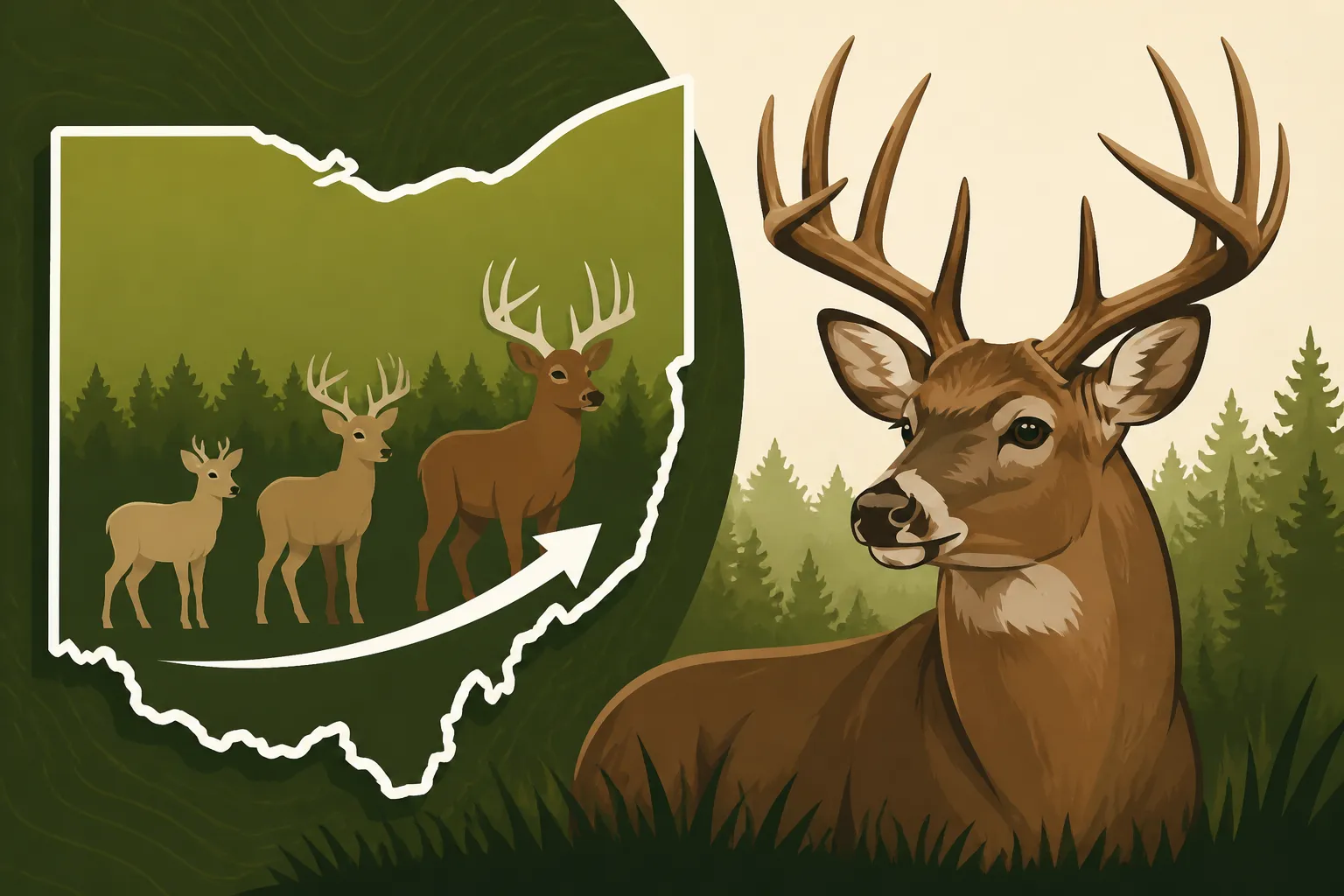
When we talk about "buck age structure," we're essentially looking at the distribution of different age classes within the male deer population. Are most of the bucks 1.5 years old (yearlings)? Are there a healthy number of 3.5-year-old and older bucks running around? Understanding this isn't just a matter of curiosity; it deeply impacts everything from management goals to your personal hunting experience.
Why Understanding Age Matters Beyond Antlers
For many hunters, a buck's age is often conflated with its antler size. While older bucks generally grow bigger antlers, the actual age structure of the herd tells us so much more about the health and balance of the deer population. If an area is dominated by yearling bucks, it might indicate very high hunting pressure, or perhaps an unbalanced sex ratio. Seeing a good number of older bucks, on the other hand, suggests that those deer are surviving through multiple hunting seasons and other challenges.
Think about it: have you ever felt the frustration of seeing a beautiful 8-point buck, only to realize by its small body and slender neck that it's clearly a yearling? Or the sheer thrill of watching a massive-bodied, mature buck that just oozes wisdom as it slips through the timber? That feeling comes from recognizing the age and experience behind those antlers, not just the bone itself. A balanced age structure means more opportunities to encounter those truly mature animals, which can be incredibly rewarding, even if you don't pull the trigger.
How Age is Determined in Harvested Deer
The most accurate way wildlife biologists determine the age of a harvested deer is by examining its jawbone. This involves looking at the eruption patterns of the teeth and the amount of wear on their surfaces. Just like humans, deer have baby teeth that are eventually replaced by permanent ones, and those permanent teeth wear down over time. A 1.5-year-old buck, for instance, will still have some baby teeth or newly erupted permanent teeth showing very little wear. A 4.5-year-old buck, however, will have a full set of heavily worn permanent teeth.
While field aging by body characteristics (like a pot belly, thick neck, or saggy back) or antler development (bases, mass, tine length) can give us clues, it's notoriously difficult to be precise. A well-fed 2.5-year-old buck on prime farmland might look more mature than a 3.5-year-old buck struggling in a poorer habitat. That's why the jawbone remains the gold standard for wildlife agencies like the Ohio Department of Natural Resources (ODNR) when they compile harvest data and analyze population trends. It’s a much more objective measure than our excited guesses in the field!
The Reality of Ohio's Buck Age Structure
So, what does the data actually say about the age of bucks running around, and more specifically, those that end up being harvested in Ohio? The reality often surprises hunters who might envision a landscape teeming with ancient giants. While trophy bucks exist, they represent a small fraction of the overall population and harvest.
The Ohio Deer Harvest Numbers – A Look at the Data
When you look at the Ohio deer harvest records, you'll find a consistent trend: the vast majority of harvested bucks are young. Yearling bucks (1.5 years old) typically make up the largest percentage of the buck harvest, often followed by 2.5-year-old bucks. While precise percentages fluctuate year to year and by region, it's common for 1.5- and 2.5-year-old bucks to account for 60-70% or even more of the total buck harvest in Ohio.
This isn't necessarily a bad thing; it reflects a healthy, productive deer herd that is experiencing a certain level of hunter mortality, which is part of effective wildlife management. However, it also means that encountering and harvesting truly mature bucks (3.5 years and older) is a rarer feat, requiring more dedicated scouting and strategic hunting. Many hunters dream of seeing those massive-bodied, truly old deer, but understanding that they are the exception rather than the rule can help manage expectations.
Here’s a general breakdown of what you might typically see in Ohio's buck harvest data, though these numbers can shift:
| Age Class (Years) | Typical Percentage of Ohio Buck Harvest | Characteristics (General) |
|---|---|---|
| 0.5 (Fawn) | Very low (incidental) | Rarely targeted, small body, button antlers (often not visible), no breeding activity. |
| 1.5 (Yearling) | 35-50% | Small to medium body, slender neck, generally smaller antlers (spikes, 4-8 points), often curious and less wary. |
| 2.5 | 20-30% | Medium to large body, neck thickening, antlers showing more mass and tine length, becoming warier. |
| 3.5 | 10-15% | Large body, thick neck, deep chest, antlers showing significant mass and spread, very wary and intelligent. |
| 4.5+ | 5-10% | Very large body, sway back often visible, heavy neck, antlers at or near peak potential, extremely wary, often nocturnal. |
Factors Influencing Buck Age in Ohio
Several key factors play a role in shaping the age structure of Ohio's buck population. Understanding these helps explain why some areas might produce more mature bucks than others.
One of the biggest influences is hunting pressure. Ohio has a strong hunting tradition, and with various deer seasons overlapping, from Bowhunting Ohio's Long Archery Season to Ohio's Two-Weekend Gun Deer Season and Muzzleloader Deer Hunting in Ohio, bucks face significant pressure. Gun seasons, in particular, tend to have a higher impact on the buck harvest, as they are often less selective. When many hunters are out, especially during opening weekend, more bucks are removed from the population, often before they reach older age classes.
Landowner objectives also make a huge difference. On properties managed with a strong quality deer management (QDM) focus, hunters might intentionally pass younger bucks to allow them to mature. This selective harvesting strategy can significantly alter the age structure on those specific tracts. However, on properties primarily hunted for meat or where any legal buck is fair game, the age structure tends to remain younger.
Finally, natural mortality contributes to the age structure. Bucks face dangers beyond hunters, including vehicle collisions (a significant factor in Ohio as shown by Ohio Deer Vehicle Collisions), disease outbreaks like EHD, and predation from coyotes and other predators. While these factors are less selective by age, they still reduce the number of bucks that survive to reach older age classes.
Regional Differences in Ohio Buck Age
Ohio is a diverse state, from the rolling Appalachian foothills in the southeast to the flat, agricultural lands of the northwest. This geographical and habitat diversity translates directly into noticeable regional differences in buck age structure.
Appalachian Ohio – A Chance for Older Bucks
If you're looking for areas with a higher likelihood of encountering older bucks, the rugged, heavily timbered Appalachian region of Southeast Ohio often stands out. Areas like Wayne National Forest, Shawnee State Forest, and other large blocks of public and private timber provide vast, often challenging terrain. The sheer size of these areas, combined with steeper topography, can create pockets where bucks are able to escape hunting pressure and age. It's harder for hunters to access every corner, and deer have more remote cover to retreat to.
In these deep woods, bucks can become incredibly elusive. They learn to navigate the ridgelines and hollows, often using their intimate knowledge of the terrain to evade hunters. While the deer density might not be as high as in some agricultural areas, the potential for an older buck exists. Hunters who are willing to put in the miles and penetrate deeper into these big woods often have a better chance at encountering these more mature animals. For more insight, check out Why Southeast Ohio Grows Older Bucks and tips for Finding Ground Others Walk Past.
Farm-Belt Ohio – High Pressure, Younger Bucks
Conversely, the flat, fertile farmlands of Northwest, Central, and Western Ohio typically see a younger buck age structure in the harvest. While these regions often boast incredibly high deer densities due to abundant food sources (think corn and soybeans), the landscape is often fragmented with smaller woodlots, fencerows, and drainages. This makes deer more visible and accessible to hunters, especially during gun season.
The high hunter access and common practice of deer drives in farm country contribute to a higher harvest rate of younger bucks. It's tough for a buck to hide for several seasons when its core habitat might be a 20-acre woodlot surrounded by open fields. While these areas can still produce impressive antlers due to nutrition, the average age of harvested bucks here is generally lower. Hunters in these areas might find tips on Hunting Northwest Ohio Farmland Deer useful.
Naturally, hunters looking to maximize their odds on these properties use tools like GoHunt to analyze aerial maps and property boundaries, helping them identify less-pressured pockets or crucial travel corridors that might hold older, warier bucks.
Suburban/Urban Edges – Unique Pressures and Opportunities
The fringes of Ohio's expanding cities and towns present a unique scenario for buck age structure. These areas often have significant deer populations, but hunting opportunities are typically limited to archery and sometimes specific urban deer programs. The lack of gun hunting pressure, combined with reduced hunter access on smaller, often fragmented private parcels, can allow bucks to reach older age classes.
However, these bucks face different pressures. High vehicle traffic leads to significant Ohio Deer Vehicle Collisions, and residents may report nuisance deer, leading to culling efforts. Still, a wily old buck can live a surprisingly long life in these suburban havens, often becoming nocturnal and incredibly adept at navigating the urban landscape. It's a complex environment where mature bucks can exist, but harvesting them requires extreme stealth and often specific permissions.
Strategies for Targeting Older Bucks in Ohio
If your goal is to consistently encounter and harvest older bucks in Ohio, you'll need to adapt your strategy beyond simply heading out on opening day. It requires a deeper understanding of deer behavior, habitat, and hunter pressure.
Public Land Tactics for Mature Deer
Hunting mature bucks on Ohio public land is often described as a chess match against both the deer and other hunters. The key to finding older bucks in these areas is to seek out sanctuaries – places other hunters overlook or are unwilling to access. This means going the extra mile, literally. Look for areas that require a long walk, navigate steep terrain, or involve crossing natural barriers like creeks or thickets.
Extensive pre-season Scouting Ohio Public Land Before Season is paramount. Look for mature buck sign like large rubs and well-used scrape lines in remote areas. Use aerial maps and topo maps to identify natural funnels, remote ridges, and secluded benches that offer deer escape routes and bedding cover far from human disturbance. Tools like GoHunt can be invaluable here, allowing you to layer different maps and identify potential hiding spots that other hunters might miss. Remember, Hunting Pressure on Ohio Public Land will be highest near access points.
Private Land Approaches to Age Structure
On private land, you have more control over the factors influencing age structure. If your goal is to produce older bucks, implementing quality deer management (QDM) principles is essential. This often involves:
- Selective Harvesting: Intentionally passing on younger bucks to allow them to mature. This requires discipline but can dramatically improve the age structure over several years.
- Habitat Improvement: Creating diverse food sources, bedding areas, and cover to keep deer on your property and healthy. This might include planting Food Plots on Ohio Private Land or performing timber stand improvements.
- Reducing Pressure: Limiting the number of hunters or the amount of time spent disturbing the property can help bucks feel more secure and less pressured, leading to more daylight movement by older animals.
Even if you don't own land, fostering good relationships with landowners can open doors to properties where deer aren't heavily pressured, allowing older bucks to thrive.
Patience, Persistence, and Realistic Expectations
Ultimately, targeting older bucks in Ohio requires immense patience and persistence. These animals didn't get old by being careless; they've learned to avoid danger, often becoming primarily nocturnal or incredibly adept at sensing danger. You might spend many days in the woods without seeing a truly mature buck, but when you do, it makes the effort worthwhile.
Focus on key times like Hunting the Ohio Rut in Early November, when older bucks are more likely to be on their feet during daylight hours, searching for does. Be prepared for cold-weather sits and understand that you're hunting a rare commodity. While the Ohio Deer Herd Size is healthy, the Ohio Buck-to-Doe Ratio by Region and overall age structure means truly old bucks are always going to be a challenge. Set realistic expectations, enjoy the process, and celebrate every deer you harvest, regardless of its age, knowing you’re participating in a rich Ohio hunting tradition.
Disclaimer
This article is for general informational purposes only and does not constitute professional advice. Laws, prices and regulations vary by location and change over time. Consult a qualified professional for guidance on your specific situation.