Best Ohio Counties for Big Bucks
If you're an Ohio hunter, you know the dream: that moment when a heavy-antlered buck steps out of the timber, a true monarch of the woods. But finding those elusive giants isn't just about luck; it's often about knowing where to focus your efforts. This guide is dedicated to helping you understand which Ohio counties consistently produce bigger bucks, delving into the reasons behind their success and how you can apply this knowledge to your own hunting strategy.
The Quest for Ohio's Monster Bucks: Why Location Matters
Every deer hunter in Ohio dreams of that wall-hanger, the kind of buck that makes your heart pound just looking at its rack. And while a big buck can theoretically show up anywhere, the reality is that certain areas of our great state just have a better track record for producing mature, heavy-horned whitetails. It’s not just folklore; there are very real, tangible reasons why some counties consistently rank at the top for trophy deer.
Think about it: just like a prize-winning garden needs fertile soil, abundant sunlight, and consistent care, a big buck needs a specific set of environmental and management conditions to reach its full potential. These conditions aren't uniform across Ohio. From the flat, fertile farmlands of the northwest to the rugged, timbered hills of the southeast, the landscape varies dramatically, and so does the quality of the deer herd. The availability of high-quality food, the amount of cover for bedding and escape, and the age structure of the buck population all play critical roles. It’s a complex dance between nature and, to a significant extent, human influence through land management and hunting pressure. Understanding these regional differences is the first step in stacking the odds in your favor when pursuing a truly impressive whitetail.
Unpacking Ohio's "Golden Triangle" and Beyond: Premier Big Buck Counties
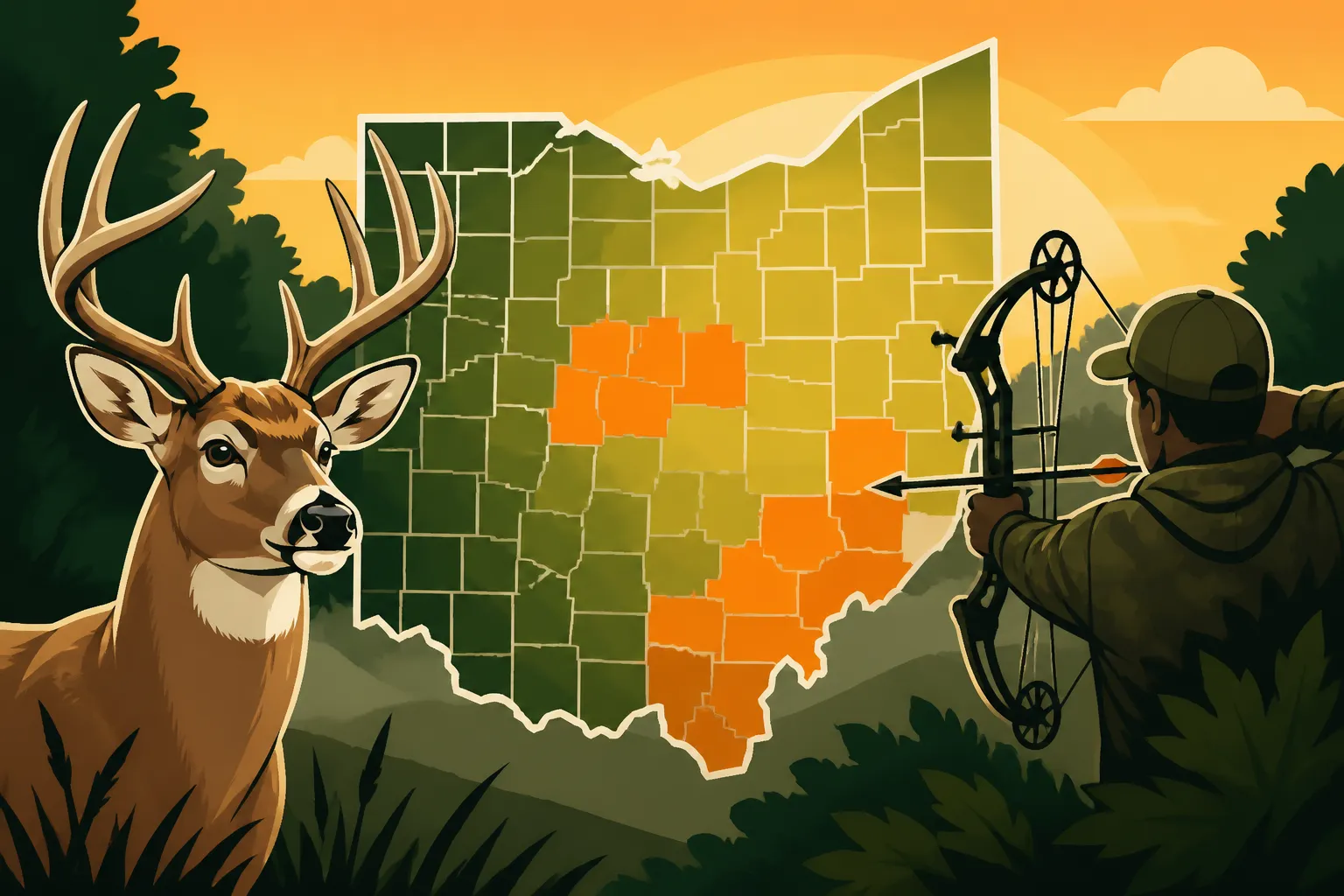
When hunters talk about Ohio's best counties for big bucks, one term inevitably comes up: the "Golden Triangle." This isn't an officially designated area, but rather a colloquial term that refers to a cluster of east-central Ohio counties renowned for their consistent production of record-book whitetails. These counties, generally considered to include Coshocton, Muskingum, Licking, Knox, Holmes, Guernsey, and Tuscarawas, boast a unique blend of agriculture and timber, creating an ideal environment for deer to thrive.
In these "Golden Triangle" counties, you'll find expansive agricultural fields — corn, soybeans, alfalfa — providing a rich, high-energy diet essential for antler growth and body mass. Interspersed with these fields are dense woodlots, thickets, and winding creek bottoms that offer ample cover for bedding, security, and sanctuary from hunting pressure. This patchwork landscape allows bucks to feed heavily and then retreat to secure cover to grow old. Many of these areas also benefit from a strong tradition of private land ownership, where landowners often practice quality deer management, passing up younger bucks and focusing on improving habitat. This combination of nutrition, cover, and a favorable age structure is the magic formula.
However, the "Golden Triangle" isn't the only place to find giants. Ohio’s southern counties, particularly in the Appalachian foothills, also hold significant potential, though for slightly different reasons. Counties like Adams, Scioto, Pike, Jackson, Gallia, and Lawrence might not have the same widespread agricultural bounty, but they offer vast expanses of timber, rugged terrain, and often lower hunting pressure in deeper pockets of public and private land. Here, bucks might not grow quite as large on average as their farm-country cousins due to less protein-rich forage, but they have the opportunity to reach older age classes in the dense woods. It's a different kind of hunt, often requiring more physical exertion and a keen eye for subtle sign, but the reward can be a truly ancient, gnarly-racked buck that has eluded hunters for years. For hunters who enjoy a challenge and want to explore the rugged beauty of the region, understanding Hunting Southeast Ohio Appalachian Foothills can be a game-changer.
To give you a clearer picture, here’s a quick overview of some top-tier counties and what makes them stand out:
| County/Region | Primary Characteristics | Big Buck Factors | Hunting Style |
|---|---|---|---|
| Coshocton/Muskingum | Rich agricultural fields, dense woodlots, rolling terrain | Abundant nutrition, diverse cover, private land management. | Mix of stand hunting over food/funnels, some spot & stalk. |
| Licking/Knox | Productive farmlands, good timber blocks, moderate pressure | Excellent forage, good age structure on managed lands, less rugged. | Stand hunting, often over agriculture or wood edges. |
| Holmes/Tuscarawas | Mix of agriculture and dense Amish-managed timberland | Quality food sources, often lower pressure on some private parcels, ample cover. | Blend of stand hunting and still-hunting in timber. |
| Adams/Scioto | Rugged Appalachian hills, vast timber, state forests | Older age structure due to escape cover, less widespread agriculture, lower pressure. | Primarily still-hunting, glassing clear-cuts, hunting ridges. |
| Gallia/Lawrence | Steep ravines, extensive hardwoods, Ohio River Valley influence | Mature timber, remote pockets, potential for older bucks in deep woods. | Challenging still-hunting, long hikes, targeting remote areas. |
When scouting these areas, especially if you're looking at public ground within them, remember to check maps carefully. A tool like GoHunt can provide invaluable insights into property boundaries, topographic features, and even recent harvest data if available, helping you pinpoint those overlooked spots. When looking at hunting areas, don't forget to investigate Ohio Wildlife Areas and Ohio State Forest Hunting within these high-potential counties, as some offer excellent opportunities for public land hunters willing to put in the effort.
Beyond the Map: Factors That Cultivate Giant Whitetails
While knowing the "best" counties is a great starting point, understanding why these areas produce big bucks is crucial. It's not magic; it's a combination of specific environmental and management factors working in harmony.
Abundant Nutrition and Diverse Habitat
The number one factor influencing antler size and overall deer health is nutrition. Bucks need a consistent supply of high-quality forage throughout the year, especially during spring and summer when antlers are growing rapidly. Ohio's rich agricultural belt provides this in spades. Fields of corn and soybeans are like protein shakes for deer, packing on mass and fueling incredible antler development. Beyond the crops, diverse forests with a variety of mast-producing trees (oaks, hickory) and browse (young saplings, forbs) ensure a balanced diet. A county with a good mix of agriculture and diverse timber is often a recipe for big bucks. If you're interested in the details of deer diet and how it impacts antler growth, you might find more information on Late-Season Food Sources for Ohio Whitetails.
However, nutrition alone isn't enough. Deer also need security. Dense thermal cover, thickets, swamps, and remote timber blocks provide places for bucks to bed, escape predators, and avoid human disturbance. In counties like Coshocton, the mixture of crop fields adjacent to thick woodlots gives bucks the best of both worlds: easy access to food and secure hideouts. The more secure cover available, especially during hunting season, the better the chances a buck has of surviving long enough to grow a truly impressive rack.
Age Structure: The Secret Ingredient
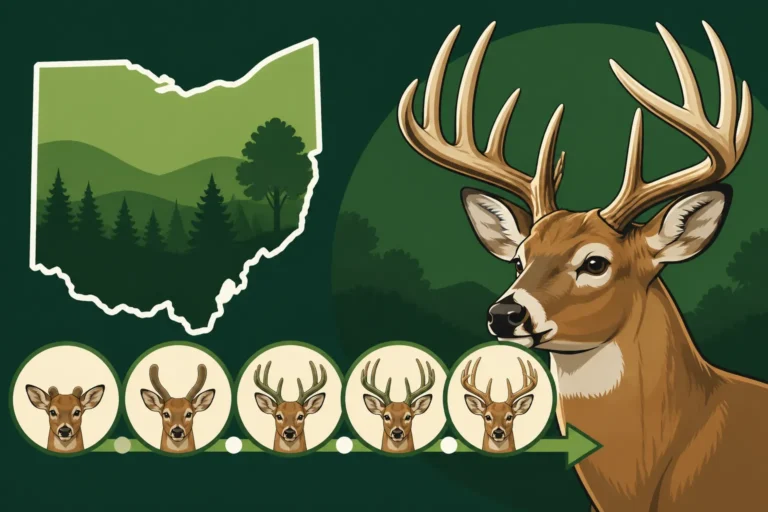
Even with the best nutrition, a buck won't grow a giant rack if it doesn't live long enough. This is where age structure comes in. A county with a healthy population of older bucks (3.5 years and up) will naturally produce more trophy-class animals. It takes time for a buck's antlers to fully mature, often peaking in size between 4.5 and 7.5 years old. In areas with high hunting pressure and a strong tradition of shooting the first legal buck, regardless of age, the average age of the herd remains low, and fewer bucks reach their full potential.
Many of the top big buck counties in Ohio benefit from a combination of factors that allow bucks to age. This might include large tracts of privately managed land where landowners deliberately pass younger bucks, or rugged public lands where a significant portion of the herd finds sanctuary due to difficult access. While Ohio doesn't have statewide antler point restrictions (APRs), many individual hunters and landowners choose to practice self-imposed restraint, which cumulatively contributes to a better age structure. This concept is explored further in discussions about Why Southeast Ohio Grows Older Bucks. When scouting, look for signs of older deer presence, such as large rubs and scrapes, indicating that mature bucks are in the area.
Managing Hunting Pressure and Hunter Access
Hunting pressure is an undeniable factor. In areas with extremely high pressure, bucks are constantly on the move, stressed, and often harvested before they can reach maturity. The best big buck counties often have areas where hunting pressure is relatively low or well-managed. This could be due to large private land holdings, challenging terrain that deters many hunters, or simply sheer acreage of diverse habitat that spreads hunters out.
On public lands within these counties, finding success often means going deeper, away from easy access points, or targeting overlooked pockets of cover. This is where tools like GoHunt, with its detailed mapping capabilities and public/private land overlays, can become incredibly useful. By analyzing aerial photos and topography, you can identify remote ridges, thick swamps, or dense clear-cuts that might hold older, pressure-shy bucks. For those venturing onto public land, understanding strategies for Finding Ground Others Walk Past can make all the difference. Sometimes, it’s not about finding new land, but finding unpressured sections of familiar land.
Maximizing Your Hunt in Ohio's Big Buck Hotspots
Just because a county is known for big bucks doesn't mean a trophy will walk right into your lap. Hunting these areas successfully still requires skill, effort, and strategic thinking.
Dedicated Scouting and Digital Tools
Before you even step foot in the woods, thorough scouting is essential. This means studying maps, both topographic and aerial, to identify key features like pinch points, funnels, bedding areas, and food sources. Look for transition zones where different habitat types meet, as these are often prime travel corridors for mature bucks. Digital mapping apps, including features within the GoHunt platform, are incredibly powerful for this. They allow you to mark potential stand locations, track historical deer sightings, analyze wind directions for specific spots, and identify property boundaries with precision.
Early season scouting, long before the first leaves fall, allows you to find summer food sources and locate rubs and scrapes from previous years, giving you a baseline for buck movement. During the season, using trail cameras can confirm deer presence and patterns. Understanding Scouting Ohio Public Land Before Season is particularly critical if you're hitting state forests or wildlife areas. Pay attention to how the terrain funnels deer, especially during the rut. Scouting goes beyond just finding fresh sign; it's about understanding the deer's behavior in that specific landscape.
Public vs. Private Land Strategies
While many record-book bucks come from private, managed lands, there are absolutely opportunities for public land hunters to tag giants. The key is adaptation. On public land, expect more pressure, especially during the gun seasons. This means your strategy needs to account for other hunters. Often, the biggest bucks on public land learn to become nocturnal or gravitate towards the densest, most difficult-to-access cover.
- Private Land: If you have access to private land, focus on collaborating with landowners on quality deer management practices. Encourage passing younger bucks, creating food plots, and improving cover. Building a relationship with a landowner who is serious about deer management can lead to incredible long-term opportunities. Knowing how to approach Knocking on Doors in Ohio Farm Country is a crucial skill.
- Public Land: On public ground, consider hunting mid-week, focusing on areas far from parking lots and main trails. Embrace rugged terrain, as many hunters won't venture deep into steep ravines or dense swamps. Learn to read maps for subtle topographical features like ridge-top saddles or hidden benches that funnel deer movement. These spots are often overlooked but can be incredibly productive, especially during the peak of the rut. Understanding Hunting Pressure on Ohio Public Land and how to avoid it is paramount.
Understanding the Rut and Peak Movement
No matter where you hunt in Ohio, understanding the timing of the rut is critical for big buck success. While bucks can be taken throughout the season, the period when they are actively seeking does is often when mature bucks are most vulnerable. They become more daylight active and less cautious, sometimes abandoning their typical nocturnal habits. Learning about Hunting the Rut in Early November and how to capitalize on this intense period of activity can significantly increase your odds. Knowing when to be in your stand and focusing on those high-traffic areas during this time can make all the difference.
Ultimately, the best Ohio counties for big bucks are those that provide a perfect storm of nutrition, cover, age structure, and manageable hunting pressure. By combining this knowledge with diligent scouting, smart strategies, and a little patience, you'll be well on your way to pursuing the Ohio whitetail of your dreams.
Disclaimer
This article is for general informational purposes only and does not constitute professional advice. Laws, prices and regulations vary by location and change over time. Consult a qualified professional for guidance on your specific situation.