Layout Blind Hunting Ohio Farm Fields
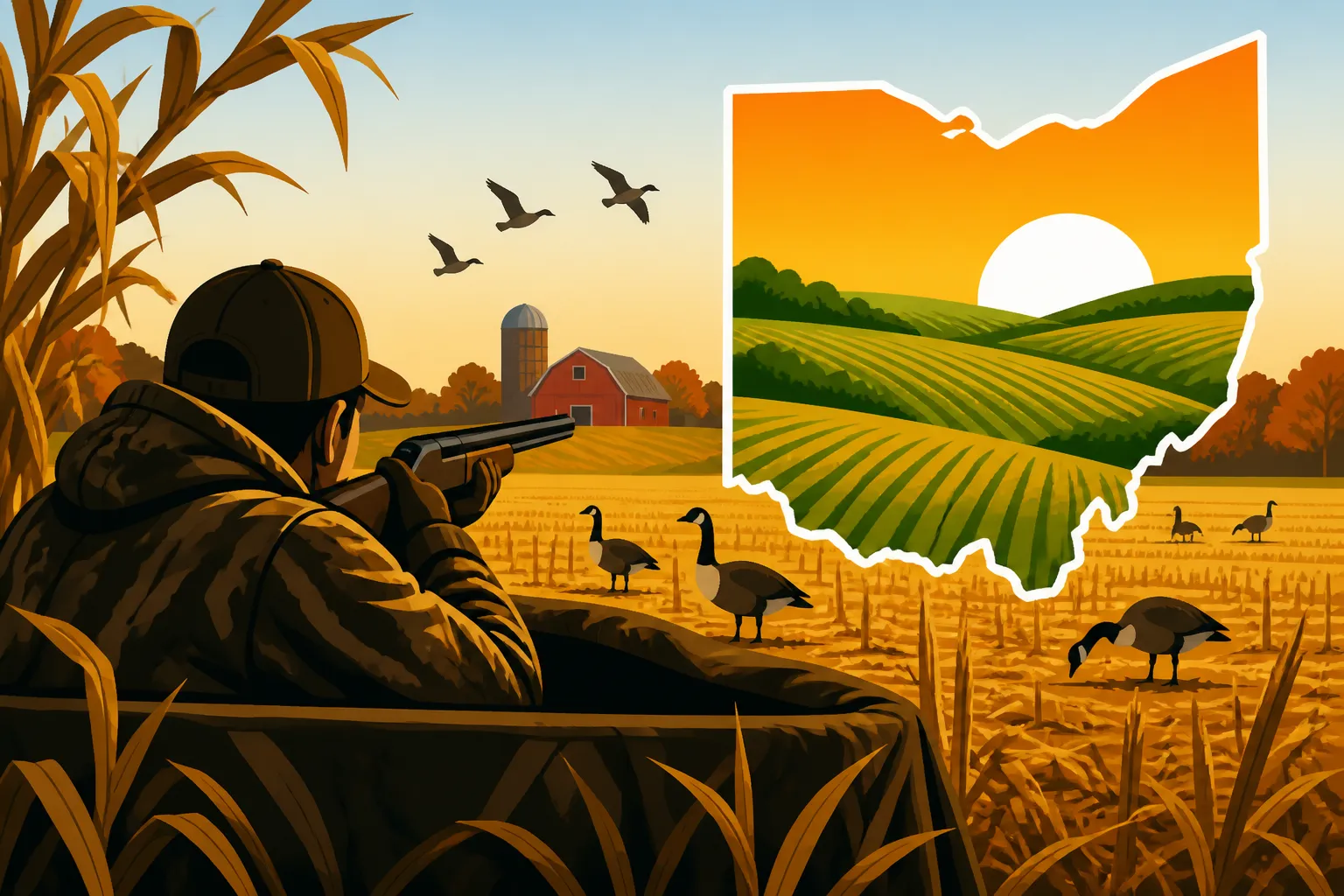
There’s nothing quite like the sight of a flock of geese or a string of mallards committed to your spread, wings cupped, legs down, making that final descent over an open Ohio farm field. But getting them into that sweet spot often feels impossible when you're perched awkwardly behind a fencerow or in a ditch. The frustration of trying to disappear into a landscape with minimal cover is real, and it’s a challenge many Ohio waterfowl hunters face. This comprehensive guide is all about mastering the art of layout blind hunting in Ohio farm fields, giving you the tools and tactics to become virtually invisible and consistently fool those wary birds.
Why Layout Blinds Are a Game-Changer in Ohio Fields
Hunting waterfowl in Ohio's vast agricultural landscape presents a unique set of challenges. Unlike marsh hunting, where natural cover is abundant, farm fields often leave you exposed, making it incredibly difficult to get close to geese and ducks. This is where the magic of a layout blind truly shines, transforming an otherwise impossible situation into a prime hunting opportunity.
The Frustration of Field Edges and Open Ground
For years, many Ohio hunters tried to make do with whatever natural cover they could find on field edges – a sparse hedge row, a ditch bank, or even just the subtle contour of a rise. We've all been there, hunched over, trying to become one with a clump of weeds, only to have a flock flare at 200 yards because our outline stuck out like a sore thumb against the horizon. It’s disheartening, and it often leads to missed opportunities, especially with pressured birds that have seen every trick in the book. The birds are feeding in the wide-open expanse, far from the woods, and trying to hide on the fringe just doesn't cut it. This challenge is particularly evident when hunting those massive grain fields common in regions like Northwest Ohio Farm Country.
Blending Seamlessly into the Landscape
Layout blinds are specifically designed to make you disappear. They’re low-profile, coffin-like structures that allow you to lie down flat, becoming part of the field itself. Modern blinds come in various camouflage patterns, but the real secret is their ability to be "brushed in" with local vegetation. Whether you’re hunting a cut cornfield, a picked soybean field, or even winter wheat, you can quickly thatch your blind with corn stalks, stubble, or whatever is available, breaking up its outline completely. This seamless integration is what fools birds, making them believe there’s nothing but a natural undulation in the landscape, not a hunter waiting underneath. It's about minimizing your vertical profile and merging with the horizontal lines of the field.
Comfort and Concealment in Harsh Weather
Beyond invisibility, layout blinds offer a level of comfort that's hard to beat, especially during Ohio's often brutal late-season waterfowl hunts. Lying prone, you're shielded from the biting winds, sleet, and even light snow that can make a long sit miserable. Many blinds feature padded headrests and backrests, making those hours of waiting far more tolerable. When the weather turns nasty, you'll be warm and dry, allowing you to focus on the hunt rather than shivering in discomfort. This comfort also allows you to stay still for longer periods, which is absolutely critical when dealing with wary geese circling your spread.
Choosing the Right Layout Blind for Ohio Conditions
Selecting the perfect layout blind isn't a one-size-fits-all decision. Ohio's diverse agricultural landscape and varying weather conditions mean hunters need to consider several factors to find a blind that truly works for them. From the type of field you hunt to how you transport your gear, the right choice can significantly impact your success and comfort.
Different Styles and Their Advantages
Layout blinds generally fall into a few main categories, each with its own benefits. Basic "coffin" style blinds are often the most common, offering a low profile and solid concealment. Brands like Final Approach and Avery offer robust options in this style. Then there are the "door" blinds, which typically feature a hinged lid that flips open for shooting, providing quick access and a clear shot. Some newer designs, like certain models from Rogers Sporting Goods, incorporate more ergonomic features, making them easier to get into and out of, which is a huge plus when you're bundled up. Finally, there are larger "pit" blinds or "sled" blinds that offer more room for gear or even a dog, though these are typically heavier and more cumbersome for mobile hunting. Consider what kind of hunting you do most: are you sitting in one spot all season, or are you constantly moving to new fields?
Material and Durability Considerations
Ohio weather can be notoriously unpredictable, swinging from mild to freezing with rain, snow, and ice, sometimes all in one day. This demands a blind built to last. Look for blinds constructed with heavy-duty, waterproof fabrics like 600D or 900D polyester. The frame material is equally important; aluminum or steel frames offer excellent durability against bending and rust, which is a common issue with cheaper options. Pay attention to the stitching and zipper quality, as these are often the first points of failure. A blind that can withstand repeated brushing in, being dragged across frozen stubble, and getting soaked by a downpour will serve you well for many seasons. Remember, you're not just buying a blind; you're investing in a piece of gear that will protect you and your equipment from the elements.
Transport and Setup Ease in Rural Settings
Ohio farm fields aren't always easily accessible. You might be parking on a gravel road and walking a quarter-mile across muddy or frozen ground to your hunting spot. Therefore, the weight and portability of your layout blind are crucial. Many modern blinds are designed to fold flat or collapse into a relatively compact package, often with backpack straps for easier carrying. Some, like the GoHunt Stealth Pro, even feature lightweight aluminum frames that shave off precious pounds. Think about how you'll get your blind, decoys, and other gear to your chosen spot. If you're hunting alone, a lighter, more compact blind that can be carried on your back is invaluable. If you hunt with a partner and have an ATV, a slightly larger, more comfortable blind might be a better option, as you can easily transport it along with your spread of Canada Geese on Ohio Farmland. Before purchasing, try setting up and collapsing a few different models to gauge their true ease of use.
Essential Gear and Decoy Spreads for Field Hunting
Once you've got your layout blind, the next critical step for successful field hunting in Ohio is assembling the right gear and mastering the art of the decoy spread. It's not just about having a pile of plastic birds; it's about creating a believable scenario that draws in wary waterfowl.
Decoy Selection and Placement Strategies
For field hunting in Ohio, your decoy spread needs to mimic what real birds are doing – feeding, resting, and interacting. The core of any good spread will be full-body Canada goose decoys. Their realistic size and posture are essential for attracting distant birds. Supplement these with a few feeder and sentry poses to add realism. For ducks, a mix of mallard and pintail full-body or shell decoys can be effective, especially in fields with standing water or near sloughs. Don't be afraid to mix in some "motion" decoys, like flags or wind-activated flappers, to give your spread life on still days.
Placement is key:
- The "U" or "J" Shape: This classic spread creates a landing zone directly in front of your blinds. Birds naturally want to land into the wind, so position the open end of your "U" or "J" downwind of your blinds.
- Family Groups: Place small clusters of 3-5 decoys together, simulating natural family units.
- Edge Placement: Position some decoys along the edge of your spread, as if they are just arriving or feeding away from the main group.
- Dirty Zone: Consider a few decoys behind your blinds, acting as a "dirty zone" or "rear guard," which can make the spread seem larger and more natural, especially when birds circle overhead.
Knowing when to deploy a minimal spread versus a massive one often comes down to scouting and understanding local bird pressure. Sometimes, fewer, higher-quality decoys are more effective than hundreds of mismatched fakes.
Calling Techniques and Locator Calls
Calling is the voice of your spread, drawing attention and reassuring birds that it's safe to come in. For geese, a short, sharp greeting call to get their attention, followed by clucks, moans, and murmurs as they get closer, creates a realistic flock sound. Don't overcall; let the birds tell you what they want. If they respond well to a greeting, give them more. If they shy away, go quiet. Brands like Zink and Field Proven offer excellent goose calls that can replicate a full range of vocalizations.
For ducks, especially mallards, a contented feeding chuckle can be incredibly effective. Mix in some quacks and a few aggressive "hail" calls if birds are distant, but transition to softer clucks and contented sounds as they approach. Locator calls, such as an owl hooter or a coyote howl, can be invaluable for pinpointing roosting birds or getting a response from distant flocks during Early Goose Season Tactics in Ohio. Practice your calling year-round so you're not fumbling with your call when the moment of truth arrives.
Shotgun, Ammunition, and Other Must-Haves
For Ohio field hunting, a 12-gauge shotgun is the workhorse, offering the versatility to handle everything from ducks to big Canada geese. A 3-inch or 3.5-inch chamber is ideal for maximizing payload. Consider a semi-automatic for quick follow-up shots, but a pump-action is also perfectly capable. When it comes to ammunition, steel shot is mandatory for waterfowl. Brands like Federal, Kent, and Winchester offer excellent non-toxic loads. For geese, #BB, #2, or #3 steel are popular choices, while #2, #3, or #4 steel often work well for ducks. Remember, you'll need to pattern your shotgun with your chosen loads to understand its effective range.
Beyond your firearm and ammo, a few other items are critical:
- Waders: Even if you're not in water, fields can be muddy or have standing puddles. A good pair of waders will keep you dry.
- Blind Bag: Keep your calls, extra ammo, snacks, water, and emergency gear organized and dry.
- Headlamp: Essential for setting up in the dark and packing out after Ohio Legal Shooting Hours.
- Warm Clothing: Layers are crucial. Think good base layers, a warm mid-layer, and a waterproof/windproof outer shell. Layering for an Ohio Deer Stand offers good principles that apply here too.
- Ghillie Blanket/Netting: An extra layer of concealment to throw over your blind if it needs more brushing in, or to break up the outlines of your hunting partners.
- Dog Gear: If you bring a retriever, ensure they have a blind to hide in or a dog stand to keep them out of the mud and snow.
Scouting and Setup Strategies for Success
Successful layout blind hunting in Ohio farm fields isn't just about showing up with a blind and some decoys. It starts long before opening day with meticulous scouting and continues with strategic setup on hunt day. This proactive approach is what separates consistently successful hunters from those who just get lucky.
Reading the Fields: Identifying Key Locations
Scouting is the single most important factor for consistent waterfowl success in Ohio farm fields. This means putting in windshield time, driving around rural areas, and observing bird behavior. What fields are the geese and ducks feeding in? Are they returning to the same field day after day, or do they move around? Look for areas with heavy traffic – not vehicle traffic, but bird traffic. Pay attention to specific entry and exit points in fields, as birds often follow consistent flight paths.
Use tools like satellite imagery (Google Maps, onX Hunt, or the Ohio HuntFish app) to identify potential food sources, water, and travel corridors. Look for cut corn, picked soybeans, or even winter wheat. Consider proximity to roosting areas, which can be lakes, large rivers, or even large ponds. The goal is to identify the "X" – the exact spot where birds want to be. Remember, the birds will tell you where to set up if you just watch and listen. This is similar to how you would approach Scouting Ohio Public Land Before Season for deer, but with a waterfowl focus.
Optimal Blind Placement and Brushing In
Once you've found your "X," careful blind placement is paramount. First, consider the wind direction. Birds almost always land into the wind, so your blinds need to be positioned so that birds land in front of them, at an ideal shooting distance (usually 20-35 yards). This means placing your blinds facing downwind. Second, think about the sun. Try to position your blinds so the sun is at your back, shining into the birds' eyes as they approach. This makes it harder for them to spot you and eliminates glare for your shot.
Brushing in is where the magic truly happens. Don't just rely on the blind's camouflage pattern. Take the time to gather local vegetation – corn stalks, soybean stubble, grass, weeds – and thatch your blind. Stuff the stubble straps and lay material over the top, making the blind blend seamlessly with the surrounding field. Break up the hard lines of the blind. The goal is to make it look like a natural lump in the field, indistinguishable from the agricultural debris. If you can't find enough natural cover, sometimes a Ghillie blanket can help provide an extra layer of camouflage.
Adapting to Weather and Bird Behavior
Ohio weather changes constantly, and so does bird behavior. A successful hunter is always adaptable. On calm, clear days, birds can be incredibly wary. You might need a larger spread, more motion decoys, and impeccable brushing in. If it's windy, rainy, or snowing, birds might be more aggressive and less cautious, allowing for a slightly smaller spread or less meticulous brushing.
Observe how birds react to your spread. Are they flaring at a certain point? Is there a hole in your spread they don't like? Are they landing short or overshooting? Make adjustments. Move decoys, change calling cadence, or even shift blind positions slightly if necessary. Sometimes, the difference between a bust and a bounty is a minor tweak to your spread or blind placement. Hunting a Standing Soybean Field in different weather conditions will require different approaches to calling and decoy setup.
Overcoming Challenges of Layout Blind Hunting
While layout blinds offer incredible advantages, they also come with their own set of challenges. From dealing with fickle birds to managing the logistics of a large spread, knowing how to anticipate and overcome these hurdles is key to a smooth and successful hunt in Ohio's farm fields.
Dealing with Changing Conditions and Pressure
Ohio waterfowl are smart, and they get smarter as the season progresses. By mid-season, they've seen countless decoy spreads and heard every call in the book. This pressure makes them extremely wary. When birds start to shy away or circle endlessly without committing, it's time to adapt.
- Go Smaller, Go Realistic: Sometimes, less is more. Instead of a massive spread, try a smaller, hyper-realistic spread of a dozen full-body decoys with perfect brushing.
- Vary Your Spacing: On pressured birds, don't clump decoys too tightly. Give them plenty of room, as if they're naturally spread out while feeding.
- Silence is Golden: If calling isn't working, go completely quiet. Let your realistic spread and concealment do the work.
- New Fields, New Luck: If a field consistently spooks birds, move to a new one. Canada Geese on Ohio Farmland will often change their preferred feeding spots based on pressure and food availability. The GoHunt app can help locate new accessible areas or even scout new private land permissions.
Constantly observe the birds. Are they picking up on something specific? Is your blind sticking out? A quick adjustment can make all the difference.
Managing Retriever Behavior in Blinds
Having a well-behaved retriever is a huge asset, but managing them in a layout blind requires practice.
- Concealment is Key: Your dog needs to be just as hidden as you are. Some layout blinds have built-in dog compartments, or you can use a separate, low-profile dog blind right next to yours. Brush it in thoroughly!
- Stay Still: Train your dog to be completely still until the shot. Even a slight movement or whine can flare an entire flock. Treats and positive reinforcement are vital during training.
- Controlled Breaks: If you're having a slow day, take your dog out for a quick, leashed walk away from the blinds to relieve themselves and stretch, then get them back in before any birds appear.
- Practice, Practice, Practice: Practice getting your dog into and out of the blind, and having them stay put, long before opening day. Simulated hunting scenarios can help them understand their role. A calm dog makes for a calm hunt.
Handling Large Spreads and Pack-Up Logistics
Setting up and tearing down a large decoy spread, especially in muddy or frozen conditions, can be exhausting.
- Organization: Keep your decoys organized. Use decoy bags or sleds to transport them efficiently. Many hunters use large mesh bags that hold a dozen or more full-body decoys, making deployment and retrieval quicker.
- Teamwork: If hunting with partners, assign roles. One person sets the downwind decoys, another the upwind, and another works on brushing in the blinds. This streamlines the process significantly.
- Clean Up: Always double-check that you haven't left any decoys, calls, or trash behind. Leaving a field cleaner than you found it is part of being a responsible hunter and helps maintain good landowner relations. This is especially important when obtaining Getting Private Land Permission in Ohio.
- Mud Management: Bring a small tarp or heavy-duty garbage bags to lay your blind on when packing up, keeping your vehicle cleaner. Mud is inevitable in Ohio farm fields, so embrace it and plan for it.
Safety and Regulations for Field Hunting in Ohio
Hunting in Ohio farm fields, especially with layout blinds and shotguns, requires a strict adherence to safety protocols and a thorough understanding of state regulations. Your safety, and the safety of those around you, is paramount.
Legal Requirements and Shooting Hours
Before you even step foot in a field, ensure you have your valid Ohio hunting license and a migratory bird endorsement (HIP certification), as well as a federal duck stamp if you're over 16. These are non-negotiable. Ohio Hunter Education Requirements mandate specific training for new hunters, which covers many of these basic regulations.
Ohio's legal shooting hours for migratory birds generally run from 30 minutes before sunrise to sunset. However, always double-check the current hunting digest, as dates and times can vary slightly or be impacted by special regulations. Knowing the exact opening and closing times is crucial, especially when setting up or packing up in low light. Using a reliable app or GPS device that provides sunrise/sunset times can be a lifesaver.
Safe Blind Operation and Hunter Communication
Operating layout blinds safely is critical, especially when multiple hunters are present.
- Muzzle Control: Always keep your shotgun pointed in a safe direction, even when inside the blind. Before opening your blind for a shot, be acutely aware of where your partners are and what direction they will be shooting.
- Clear Lanes: Discuss shooting lanes with your hunting partners before the hunt begins. Know who is responsible for which birds and in which direction.
- Communication: Establish clear communication signals. A common practice is for one hunter to be the designated "caller" and "shooter," who calls the shot when birds are in range. This prevents multiple hunters from jumping up simultaneously or shooting at the same bird, which can lead to unsafe situations.
- Eye Protection: Consider wearing shooting glasses. While not always mandated, they offer protection from stray pellets and debris.
- Visibility When Not Shooting: While concealed, you are invisible. When walking to or from your blind, or moving about the field, wear blaze orange or blaze pink to be visible to others, especially during overlapping deer seasons. Remember that Ohio Blaze Orange Requirements apply to deer hunters and are generally a good idea for any movement in a field.
Carcass Handling and Ethical Considerations
Responsible hunting extends beyond the shot.
- Nontoxic Shot: Remember, it is a federal requirement to use nontoxic shot for all waterfowl hunting, regardless of whether you're hunting Diver Ducks on Lake Erie or puddle ducks in an inland field.
- Retrieval: Always retrieve every bird you shoot. This means having a capable retriever or being prepared to track wounded birds. Leaving a downed bird in the field is unethical and wasteful.
- Carcass Disposal: After the hunt, responsibly dispose of any cleaned bird carcasses. Do not leave them in the field or along public roads. Take them home for proper disposal.
- Landowner Respect: If you're hunting on private land, always leave the property as clean or cleaner than you found it. This helps maintain good relationships and ensures future hunting opportunities. Follow the terms of any permission you received, and respect the farmer's land and crops.
Layout blind hunting in Ohio farm fields is a thrilling and effective way to pursue waterfowl. By understanding the gear, mastering the strategies, and prioritizing safety, you'll be well on your way to many memorable hunts and full strap.
| Decoy Type | Primary Purpose | Ideal Placement | Notes |
|---|---|---|---|
| Full-Body Goose | Mimic feeding/resting geese; provide realism & bulk | Main spread, family groups | Essential for attracting wary Canadas. |
| Shell Goose | Adds bulk to spread at lower cost/weight | Outer edges of spread, distant clusters | Less realistic up close, but good for drawing attention from afar. |
| Full-Body Duck | Mimic feeding/resting ducks (mallards, pintails) | Near any standing water, close to blinds | Critical for duck species, especially if mixed with geese. |
| Motion Decoys | Adds lifelike movement; visible from long distances | Upwind, within the landing zone | Flags, spinning-wing decoys. Crucial on calm days. |
| Sentry Decoys | Simulate alert birds watching over the flock | Elevated positions, outside main spread | Adds realism, can make birds feel safer approaching. |
| Feeder Decoys | Simulate birds actively feeding, head down | Throughout the spread, in feeding clusters | Very convincing, shows birds are comfortable. |
Disclaimer
Hunting is an inherently dangerous activity. This guide provides general information and recommendations; however, individual conditions and circumstances vary. Always consult the most current Ohio hunting regulations and safety guidelines published by the Ohio Department of Natural Resources (ODNR) before participating in any hunting activities. Adhere to all local, state, and federal laws. The author and publisher are not responsible for any accidents, injuries, or legal repercussions resulting from the use of this information. Practice responsible, ethical, and safe hunting at all times.