Bird Dog Gear for Ohio Farm Country
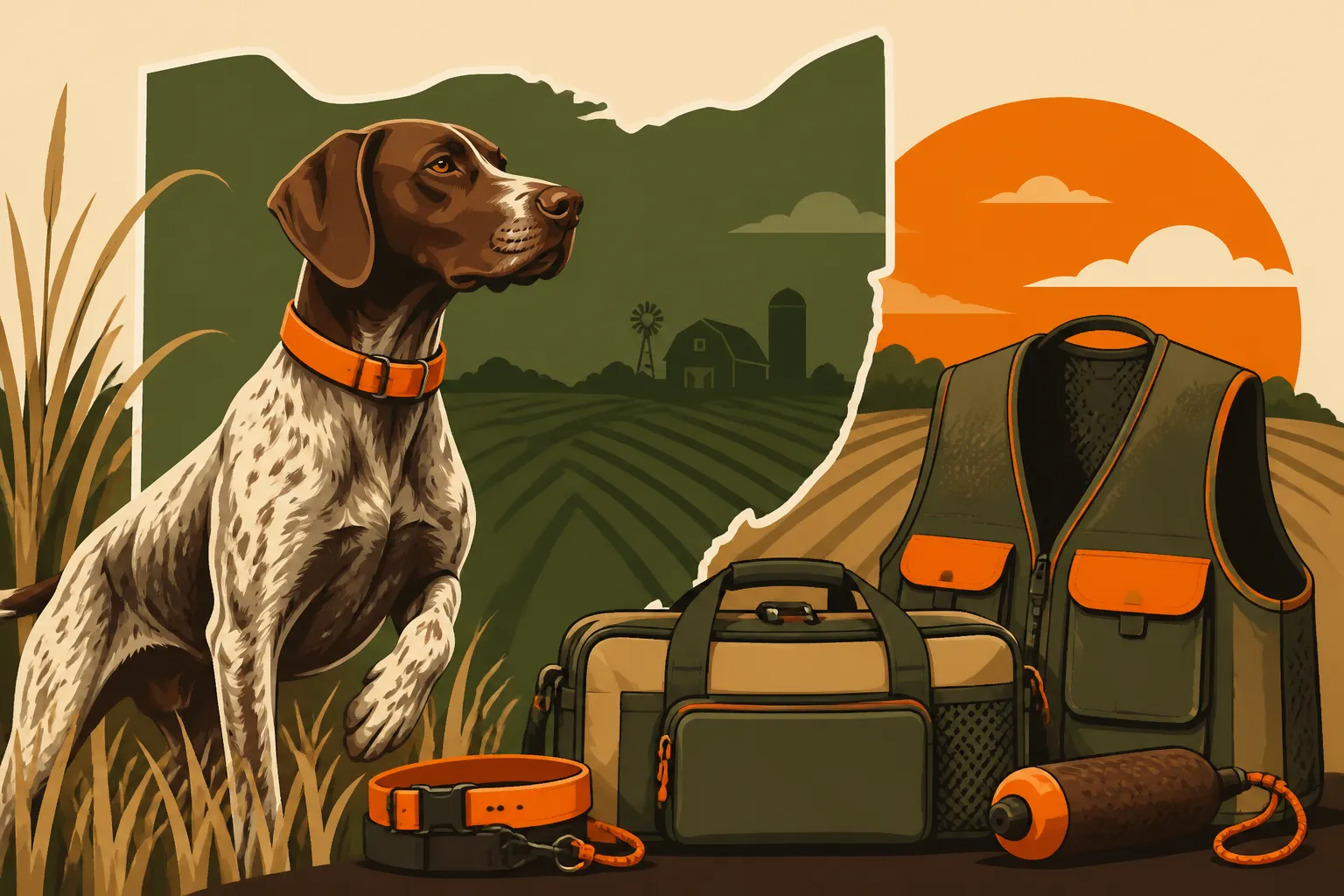
There’s nothing quite like watching a well-trained bird dog work a field, nose to the ground, tail wagging with anticipation, as it locks up on scent. But let's be real, Ohio's farm country, with its corn stubble, barbed wire, drainage ditches, and thick fencerows, isn't exactly a manicured park. It's a tough environment, and without the right gear, your canine hunting partner can quickly go from hero to hurt. This guide is all about equipping your bird dog for success and, more importantly, safety, in the demanding landscapes of Ohio's pheasant, quail, and rabbit country.
Essential Protection for Your Hunting Dog in Ohio Fields
Hunting in Ohio's agricultural heartland or even along the edges of our public wildlife areas means navigating some seriously rugged terrain for a bird dog. Those open fields might look tame, but they hide all sorts of hazards that can quickly put an end to a hunt – or worse, injure your best hunting buddy. Getting out there means being prepared, and that starts with serious protection.
Protective Vests and Visibility
When your dog is running through a sea of goldenrod, briar thickets, or waist-high cut corn, they become incredibly hard to see. This isn't just an inconvenience; it's a major safety concern. A good protective vest serves multiple purposes, but chief among them is visibility and shielding them from the unforgiving cover. Imagine your dog busting through a thorny multiflora rose bush or diving into a drainage ditch choked with sharp, broken stalks. A vest can literally mean the difference between a minor scrape and a trip to the vet.
These vests are usually made from tough, abrasion-resistant materials like Cordura or ballistic nylon. They're designed to shed burrs, resist punctures from thorns and sticks, and generally act as a shield for your dog's chest and belly – areas particularly vulnerable to injury when they're running hard and low to the ground. Beyond just protection, a bright, blaze orange or blaze pink vest makes your dog stand out against the drab winter landscape, not just to you, but to other hunters. Especially during periods when deer season might overlap or other hunters are afield, like the Ohio's Two-Weekend Gun Deer Season, that splash of color is an absolute must-have for safety. You want a vest that fits snugly but allows for full range of motion, doesn't chafe, and has minimal snag points.
Paw Protection and Booties
If there's one area that takes a beating more than any other for a bird dog, it's their paws. Ohio's farm fields, especially in late fall and winter, can be brutal. Frozen corn stubble is like a field of tiny daggers, cut soybean stalks are surprisingly sharp, and let's not forget the ever-present burrs, briars, and even road salt near field entrances. A torn pad or a deeply embedded burr can cripple a hunt instantly. I've seen tough dogs limp back to the truck, their pads raw and bleeding after just an hour in particularly harsh cover.
This is where dog booties become invaluable. While some dogs take a little getting used to them (expect some comical high-stepping at first!), they are a game-changer for paw health. You can find booties made from various materials: durable rubber for wet conditions and puncture resistance, fabric-based ones for lighter protection and breathability, or even leather for a traditional feel. The key is finding a pair that stays on. Look for good Velcro straps or designs that cinch securely around the ankle. Even with booties, it's wise to carry some paw balm or wax to condition their pads before and after the hunt, and always check for small debris that might have worked its way inside. Don't forget that even the toughest booties wear out, so always have a spare set in your truck.
Snake and Predator Protection
While Ohio isn't typically thought of as a state with widespread dangerous snakes, we do have venomous species like the Eastern Massasauga Rattlesnake, primarily in wetland and bog habitats. More commonly, though, the threat comes from four-legged predators, particularly coyotes. Coyote and Predator Hunting in Ohio has become more popular as their numbers have increased, but these adaptable canines are always present, especially around the edges of farm country and woodlots.
A thick, protective vest can offer a degree of defense against minor bites or scratches from brush or even smaller animals, but it's not foolproof against a determined predator. The best defense is often proactive. Keeping your dog within reasonable range, especially if you're working thick cover where a coyote could be lurking, is crucial. Training your dog to ignore or avoid unfamiliar animals is also important. Some hunters consider specialized snake training, particularly if they frequently hunt areas known for these reptiles, to teach their dogs to avoid the scent and sound of snakes. Always be aware of your surroundings, listen for unfamiliar barks or yelps, and never let your dog range so far that you can't intervene if a dangerous encounter arises.
Tracking and Communication Systems for Ohio's Open Spaces
One of the biggest anxieties for any bird hunter is losing track of their dog. In Ohio's expansive farm fields, with their long fencerows, hidden drainage ditches, and bordering woodlots, a dog can quickly disappear from sight. A good tracking and communication system isn't just about finding your dog; it's about staying connected, providing direction, and ensuring their safety when they're out of sight and hearing range.
GPS and Tracking Collars
Modern GPS tracking collars have revolutionized bird hunting. Gone are the days of frantically blowing a whistle, hoping to hear a faint bell, or shouting into the wind. Today, a reliable GPS collar is an absolute necessity, especially when you're working across a mile-long cornfield or along a winding fencerow. These collars constantly transmit your dog's location, allowing you to see their exact position, direction of travel, and even if they're on point or running.
When choosing a GPS collar, consider its range – how far away can your receiver pick up the signal? Look for a good battery life, as a dead collar is useless halfway through a long day. Many systems integrate with handheld devices that display detailed maps, showing not just your dog's position but also topographical features, property lines, and even where you've walked. This kind of mapping, especially when paired with detailed land management overlays from platforms like GoHunt's mapping tools, becomes incredibly powerful, allowing you to track your dog's movements in relation to field edges, roads, and even private property boundaries. This peace of mind is invaluable, preventing your dog from straying into dangerous areas or onto land where you don't have permission, like when you're Hunting Northwest Ohio Farmland Deer and don't want to accidentally cross a property line.
E-Collars for Training and Control
The e-collar, often mistakenly called a shock collar, is a powerful tool for communication and control when used correctly. It's not about punishment; it's about reinforcing commands over distance, ensuring your dog listens even when distracted by game or vast open spaces. Imagine your dog locked on point near a busy road, or about to bust a pheasant into a neighboring field you don't have access to – a gentle reminder from an e-collar can be crucial.
Modern e-collars offer various levels of stimulation, from mild vibrations or tones to static corrections, allowing you to match the intensity to your dog's temperament and the situation. Consistency in training is paramount; the e-collar should be introduced properly, with commands learned first on a leash. Look for collars with a good range that matches your GPS collar, and ensure it fits snugly for consistent skin contact. It's an extension of your voice and hand, giving you the ability to guide your dog through complex scenarios, like preventing them from chasing deer when Filling an Antlerless Permit Late in Ohio might be happening in nearby woods, or reeling them in before they cross a ditch you can't navigate. The key is using it responsibly as a training aid to build a better, safer, and more responsive hunting partner.
Bells and Beepers
While high-tech GPS collars have become standard, don't overlook the simple, reliable utility of a good old-fashioned bell or beeper. These traditional tools still have a place in the bird hunter's arsenal, especially in thick cover where satellite signals might be spotty or you just need to know the general direction of your dog without constantly checking a screen. A bell, jingling rhythmically, tells you your dog is moving. When the bell stops, it's often a tell-tale sign they're on point, frozen solid in the cover.
Beeper collars, on the other hand, can be set to emit a tone at regular intervals when the dog is moving and a distinct, rapid tone when they're on point. Some even have a "locate" function you can activate to hear exactly where your dog is. These are particularly useful in dense woods or heavy brush where a bell might be muffled. Many hunters combine these methods, using a GPS collar for precise location and a bell or beeper for a quick, auditory cue. It's an extra layer of reassurance, helping you keep tabs on your dog's work, especially when the wind is swirling or you're pushing through a particularly dense patch of Rabbit Hunting Ohio Fencerows.
Nutrition and Hydration for Hard-Working Dogs
A bird dog in Ohio's farm country isn't just taking a leisurely stroll; they're an athlete. They're covering miles, bursting through heavy cover, and putting their entire body into the hunt. This kind of intense physical activity demands a specific approach to nutrition and hydration, far beyond what your average household pet needs. Skimping here isn't just detrimental to performance; it can be dangerous to your dog's health.
High-Performance Dog Food
Think of your bird dog's diet like that of an endurance athlete. They need sustained energy and robust muscle recovery. Standard dog foods often don't cut it when your canine partner is spending hours scenting, running, and retrieving across vast fields, especially during intense hunts like Pheasant Hunting Ohio Farm Country. You need to look for dog foods specifically formulated for "active" or "working" dogs.
These high-performance formulas typically boast higher protein and fat content. Protein is crucial for muscle repair and maintenance, while healthy fats provide a dense, slow-burning energy source that fuels them through long days. Carbohydrates offer quick energy bursts. It's important to transition your dog to a high-performance food gradually before hunting season begins to avoid digestive upset. Also, consider the timing of their meals. Feeding a large meal right before a hunt can cause discomfort or even more serious issues like bloat. Many hunters opt for a lighter meal the night before and a smaller, easily digestible snack a few hours before hitting the field, with the main meal reserved for after the hunt when they can properly rest and digest.
Portable Water and Bowls
Dehydration is a silent killer in the field. A dog working hard can quickly become overheated and dehydrated, even on seemingly cool days. Unlike humans, dogs don't sweat efficiently and rely on panting to regulate their body temperature. If they don't have access to water, their core temperature can spike dangerously, leading to heatstroke. This is especially true when hunting in the sun-exposed, open fields of Ohio's farm country.
You absolutely must carry water specifically for your dog, and enough of it for the entire hunt. Don't rely on stagnant farm puddles or ditches, which can be contaminated. Collapsible silicone bowls are lightweight and packable, making it easy to offer water during every break. Another handy option is a dog-specific water bottle with an attached bowl or dispenser, allowing for quick sips on the go. For longer hunts or warmer days, consider adding electrolyte supplements to their water to help them retain fluids and replenish vital minerals lost through exertion. Always offer water whenever you stop for a breather, and insist your dog drinks, even if they seem reluctant. A well-hydrated dog is a happy, healthy, and high-performing dog.
Field Snacks and Supplements
Just like a human athlete, a bird dog can benefit from mid-hunt snacks and long-term supplements. A long day afield, running mile after mile, burns a tremendous amount of calories. A small, easily digestible, high-energy snack during a lunch break can help replenish their stores and keep their drive up for the afternoon push. Look for treats designed for active dogs, or even small portions of their regular high-performance kibble.
Beyond immediate energy, certain supplements can contribute to your dog's overall health and longevity, particularly for breeds prone to joint issues. Glucosamine and chondroitin supplements can support joint health, which is crucial for dogs constantly pounding the ground and making quick turns. Omega-3 fatty acids can promote healthy skin, coat, and reduce inflammation. Some hunters also use specific muscle recovery supplements post-hunt. Discuss any supplement regimen with your veterinarian, especially if your dog has pre-existing conditions. Proactive care ensures your dog stays in top hunting shape season after season, ready to hit the cover for Rabbit and Upland Bird Hunting in Ohio.
First Aid and Emergency Preparedness for Canine Companions
No matter how well-prepared you are, accidents can happen in the field. Ohio's farm country, with its mix of natural cover and man-made obstacles, presents numerous opportunities for a dog to get injured. Having a comprehensive canine first aid kit and knowing how to respond to common emergencies is just as important as having a good gun or a trained dog. It could literally save your dog's life.
Comprehensive Canine First Aid Kit
Your personal first aid kit isn't going to cut it for your four-legged partner. You need a dedicated canine first aid kit, stocked with items specific to dog injuries. Think about the common hazards: cuts, punctures, torn pads, and embedded foreign objects. A well-stocked kit should include:
- Paw Wraps and Self-Adhesive Vet Wrap: To cover cuts, torn pads, or secure bandages.
- Antiseptic Wipes or Solution: For cleaning wounds (like Betadine or chlorhexidine).
- Blood Stop Powder: Crucial for quickly staunching bleeding from minor cuts, especially toenail tears.
- Tick Remover: A must-have in Ohio for quickly and safely removing ticks.
- Small Scissors and Tweezers: For cutting tape/bandages or removing splinters/thorns.
- Sterile Gauze Pads: For cleaning and covering wounds.
- Muzzle: A soft, temporary muzzle might be needed if your dog is in pain and prone to biting, even if they're usually gentle.
- Pain Reliever (Vet-Approved): Only use pain medication specifically prescribed or approved by your vet for dogs. Human pain relievers can be toxic.
- Benadryl (Diphenhydramine): For allergic reactions or insect stings, vet-approved dosage only.
- Hydrogen Peroxide: For inducing vomiting only if advised by a vet in case of ingestion of certain toxins.
- A Small Flashlight: Handy for examining wounds in low light.
Knowing how to use each item is just as important as having it. Consider taking a basic pet first aid course or familiarizing yourself with common procedures before heading afield.
Common Field Injuries and Prevention
Ohio's hunting environments expose dogs to specific types of injuries. Awareness and prevention are your first lines of defense.
- Cuts and Punctures: Barbed wire, broken glass, sharp rocks, and thorny bushes are everywhere. A good protective vest and booties help significantly. If a cut occurs, clean it, stop the bleeding, and apply a sterile dressing.
- Torn Pads: Hard running on abrasive surfaces, especially frozen ground or stubble, can tear paw pads. Again, booties are your best friend. For a torn pad, clean thoroughly, apply pressure to stop bleeding, and wrap carefully.
- Heat Exhaustion/Heatstroke: Even on cool days, intense running can lead to overheating. Symptoms include excessive panting, lethargy, dark red gums, and staggering. Get your dog to shade, offer water, and cool them down with wet cloths, especially on the paw pads and belly. Prevent by hydrating frequently and avoiding the hottest parts of the day.
- Hypothermia: Less common in Ohio's upland seasons, but possible in bitter cold and wet conditions. Shivering, lethargy, and cold skin are signs. Get your dog dry, warm them with blankets, and seek shelter. A good, insulated vest can help in cold weather.
- Bee Stings/Insect Bites: Swelling, itching, and pain are common. For severe reactions or swelling around the face/throat, seek vet attention immediately. Benadryl (at vet-approved dosage) can help with mild reactions.
Prevention often means scouting your hunting area for obvious hazards, taking breaks, and knowing your dog's limits. Be mindful of areas bordering rural homes where trash or hazards might be dumped.
Emergency Contact Information and Planning
When an emergency strikes, seconds count. Don't be caught fumbling for numbers or struggling to describe your location. Always have your veterinarian's phone number programmed into your cell phone. Additionally, know the number and location of the nearest 24-hour emergency veterinary clinic, especially if you're hunting far from home. A quick search before you leave can make all the difference.
Beyond vet contacts, being able to pinpoint your location is critical. Modern GPS collars and smartphone apps, including robust mapping features like those offered by GoHunt, provide precise coordinates (latitude and longitude) that you can relay to emergency services. If you're hunting on public land, know the wildlife area or state forest name, and any specific landmarks or road numbers. If you're deep in a place like Wayne National Forest Hunting, you might not have cell service, so plan your escape route and know the nearest road. Always hunt with a buddy if possible, so one person can attend to the dog while the other seeks help. Having a fully charged phone and a portable charger is also a smart move. When seconds matter, a clear head and readily available information are invaluable.
Training Aids and Retrieval Gear for Ohio Upland Birds
A well-equipped bird dog isn't just about protection and tracking; it's also about ongoing training and efficiency in the field. From maintaining their retrieving drive to ensuring crisp commands, the right training aids and retrieval gear play a pivotal role in creating a polished hunting companion that truly shines in Ohio's upland cover.
Training Dummies and Launchers
Even seasoned bird dogs benefit from off-season training and tune-ups. Training dummies are fundamental for reinforcing retrieving skills, holding birds softly, and building drive. They come in various sizes, weights, and materials – from soft canvas dummies that mimic the feel of a bird to tougher plastic ones for more aggressive chewers. Scented dummies, which you can infuse with pheasant or quail scent, are excellent for honing a dog's nose and mimicking real-world bird scenarios without using actual birds.
For more advanced training or to simulate hunting conditions, bird launchers are incredibly effective. These devices, ranging from manual handheld throwers to remote-controlled automatic launchers, propel training dummies or even dead birds into the air, simulating a flushing bird. This allows you to practice "whoa" commands, mark fall locations, and encourage retrieves under conditions closer to a real hunt. Consistent training with these tools helps ensure your dog is sharp and ready when Spring Turkey Hunting in Ohio or Ohio's Shotgun-Only Fall Turkey Season roll around, or when you're targeting pheasants in the open fields. It builds confidence and ensures they know what to do when the real action starts.
Leads, Check Cords, and Whistles
Control is paramount for a bird dog, both in and out of the field. Even the best-trained dogs need guidance, and leads, check cords, and whistles are your primary tools for communication and ensuring good manners. A strong, comfortable lead is essential for safe transport to and from the hunting area, and for keeping your dog at heel when walking through parking lots or near other people.
Check cords, often 20-50 feet long, are invaluable for teaching range, recall, and honoring points. They allow you to give your dog freedom to range while still having a physical means of control to reinforce commands without yelling. For instance, when training for Run-and-Gun Turkey Tactics on Public Land, you might use a check cord to teach your dog to stay close and respond to quiet commands. Whistles are perhaps the most underutilized communication tool. A whistle's sound carries further than your voice, especially in windy conditions or across large fields, and its tone is consistent, unlike a human voice which can vary with emotion. Different whistle patterns can be used for specific commands – a single peep for "sit," a series of short peeps for "come," or a sustained trill for "whoa." This "silent communication" is incredibly effective, allowing you to direct your dog over long distances without disturbing nearby game or other hunters.
Bird Bags and Game Vests
Once your bird dog has successfully found and retrieved a pheasant or rabbit, the next step is properly handling the game. A good bird bag or a hunting vest with dedicated game pockets is crucial for keeping harvested birds clean, cool, and secure. Dragging a bird by hand, or stuffing it into a regular backpack, is messy and can lead to spoilage, especially on warmer early season hunts.
Bird bags are typically made from durable, easy-to-clean material, often with mesh sides for airflow. This ventilation is key to cooling down the game quickly, preventing bacteria growth, and preserving the meat quality. Many bird bags also feature adjustable straps, allowing you to carry them comfortably over your shoulder or around your waist. Game vests, on the other hand, integrate the bird-carrying capacity directly into your hunting attire, often with large, expandable pockets on the back. This can be more convenient for hands-free hunting and distributing the weight evenly. Regardless of your choice, ensure it's easy to clean, has good airflow, and can securely hold your daily bag limit. A smart hunter, and a respectful one, takes care of the game their dog worked so hard to find, whether you're hunting Ohio Squirrel and Rabbit Season Rules or chasing pheasants.
Here's a quick look at some common bird dog protection gear:
| Gear Type | Primary Benefit | Key Features | Best Use Case |
|---|---|---|---|
| Protective Vest | Thorn/Stubble protection, high visibility | Durable fabric (Cordura, ballistic nylon), blaze color, chest/belly coverage | Dense briar patches, cornfields, safety from other hunters |
| Rubber Booties | Waterproof, puncture resistance, traction | Thick rubber, good grip, secure closures (Velcro, cinch) | Wet conditions, frozen stubble, sharp terrain |
| Fabric Booties | Lightweight, breathable, moderate protection | Durable cloth (Cordura), flexible, breathable | Mild conditions, abrasive surfaces, general paw protection |
| GPS Tracking Collar | Real-time location, mapping, distance monitoring | Long range, battery life, handheld receiver/app integration, mapping | Large fields, thick cover, preventing lost dogs |
| E-Collar | Remote communication, command reinforcement, safety | Adjustable stimulation, tone/vibration modes, waterproof, good range | Recall, "whoa" commands, boundary control, safety |
| Beeper Collar | Auditory location, "on point" indicator | Distinct tones for movement/point, locate function, waterproof | Dense cover, knowing general direction of dog |
Disclaimer
This article is for general informational purposes only and does not constitute professional advice. Laws, prices and regulations vary by location and change over time. Consult a qualified professional for guidance on your specific situation.