Ottawa County Marsh Access
One of the biggest hurdles many Ohio hunters face, especially when they dream of chasing waterfowl, is simply figuring out where they can go. It’s a real challenge, particularly when you set your sights on a prime area like the marshes of Ottawa County, where public access can feel like a well-guarded secret. This guide is here to unravel those complexities, walking you through the ins and outs of accessing and successfully hunting these rich wetlands.
Understanding Ottawa County's Marsh Landscape for Hunting
Ottawa County, nestled along the shores of Lake Erie, is a legendary destination for waterfowl hunters in Ohio. But it's also a place that can feel intimidating if you're not familiar with its unique ecosystem and the specific rules governing access. It's not like walking into a state forest with clearly marked boundaries and open season for deer. Marsh hunting here requires a different kind of preparation and understanding.
The Allure and Challenge of Marsh Hunting in Ohio
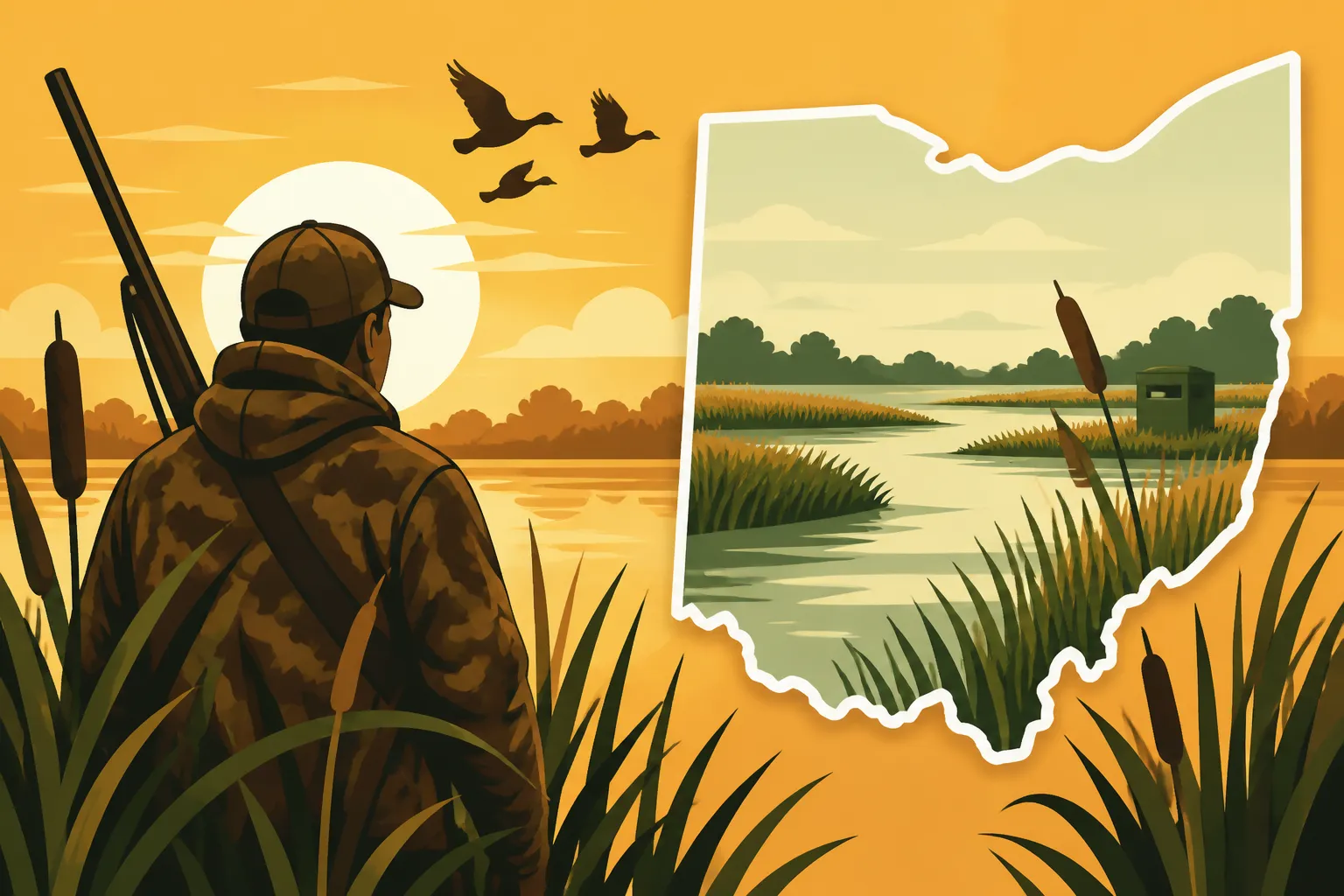
There's nothing quite like a cold, crisp morning in an Ohio marsh, with the sounds of unseen wings whistling overhead and the distant calls of ducks and geese echoing across the water. The sheer volume of migratory birds that pass through or winter in this region is astounding, making it a true magnet for waterfowl enthusiasts. You're not just hunting; you're immersed in a dynamic, wild environment. It's easy to see why so many hunters are drawn to the promise of Ohio Waterfowl Hunting on Lake Erie and Inland.
However, this allure comes with significant challenges. Marshes are incredibly complex habitats, a patchwork of shallow water, dense cattails, reeds, and mud. They can be difficult to navigate, even on foot, and getting your gear in and out can be a true slog. Beyond the physical demands, the access itself is often restricted or managed through specific programs. You can't just show up and expect to set up decoys anywhere you please. This management is crucial for conserving the fragile marsh ecosystem and ensuring sustainable hunting pressure, but it certainly adds a layer of planning to your hunt.
Key Marsh Areas and Public Access Points
Ottawa County is home to several prominent marsh areas, many of which are managed by the Ohio Department of Natural Resources (ODNR) or federal agencies. These include some of the most famous waterfowl hunting grounds in the state. You might hear names like Magee Marsh, Ottawa National Wildlife Refuge, and Metzger Marsh Wildlife Area tossed around. Each of these has its own specific set of rules, drawing periods, and access methods.
- Magee Marsh Wildlife Area: This is perhaps the most famous, known globally for birdwatching, but it also offers controlled waterfowl hunting. Access is strictly through a lottery system for specific days and zones. It’s not a place you can typically walk into on a whim. If you get drawn, it's an incredible experience, but the odds can be tough.
- Ottawa National Wildlife Refuge (ONWR): The ONWR is a sprawling federal refuge, offering both controlled hunts and some areas with more general public access, albeit still with specific regulations. Understanding the difference between refuge hunting regulations and state wildlife area rules is critical here. Their website is usually the go-to for current information on hunting opportunities and application deadlines. You'll want to review Ottawa National Wildlife Refuge Hunting Rules carefully.
- Metzger Marsh Wildlife Area: Located just west of Magee Marsh, Metzger is another popular spot. It, too, operates under a permit system, often through a daily draw or lottery, especially during peak seasons.
These areas, along with others like Toussaint Wildlife Area and Darby Marsh, form the core of Ottawa County's marsh hunting opportunities. They are specifically managed to maximize waterfowl production and provide regulated hunting experiences. Always remember that regulations can change, so checking the current ODNR and refuge websites is your absolute first step every season.
Navigating the Unique Habitat
Hunting an Ohio marsh isn't just about finding birds; it's about understanding the terrain itself. You're dealing with varying water depths, soft mud, submerged vegetation, and often, little in the way of solid ground. This makes navigation challenging, both on foot and with watercraft. A seemingly shallow stretch can suddenly drop to waist-deep mud, or a hidden snag can capsize a small boat if you're not paying attention.
The dense cattails and phragmites can create a labyrinth, making it easy to get disoriented, especially in low light or fog. Knowing how to read the subtle changes in water flow, identify natural channels, and recognize landmarks (like prominent tree lines or abandoned structures) is key. The weather also plays a huge role; a stiff north wind can turn calm water into whitecaps on Lake Erie, pushing high water into the marshes or making already treacherous conditions even more dangerous. Reading a Marsh for a Morning Flight involves not just bird behavior but also understanding the nuances of the water and vegetation.
Public Access Programs and Permit Systems
Hunting the prime waterfowl habitat in Ottawa County almost always involves some form of managed access. You'll rarely find open-ended public hunting outside of specific, smaller pockets or through private land leases. The extensive marsh systems are ecologically vital and are managed carefully to protect wildlife and provide quality hunting experiences.
Controlled Hunts and Application Processes
Many of the most sought-after hunting opportunities in Ottawa County's marshes are offered through controlled hunts. These are designed to regulate hunter numbers, distribute pressure, and ensure fair chase. You can think of them as a lottery system, where you apply for a chance to hunt a specific area on a specific date.
- Application Windows: These hunts typically have application periods well in advance of the hunting season, often in late summer or early fall. Missing the application window means you've missed your shot for the year. The ODNR website is your primary source for these dates.
- Drawing Success: Drawing a spot can be tough, especially for prime dates. It often comes down to luck, but some areas or dates might have slightly better odds than others. Don't get discouraged if you don't get drawn the first few times; persistence is key.
- Group Applications: Many controlled hunts allow you to apply as a group, which is a great way to ensure you can hunt with your buddies if you get drawn. Be sure to understand the maximum group size and who can apply.
- Specific Rules: Once drawn, you'll receive detailed instructions for your hunt. This will include check-in times, designated hunting zones, bag limits specific to that area, and any other unique rules. Violating these can lead to serious penalties and loss of hunting privileges. For example, some areas might have antlerless-only permit rules for deer during their deer season, and similar specific rules apply for waterfowl.
These controlled hunts offer unparalleled access to prime, managed habitat. While the application process can be a bit of a hurdle, the experience of hunting a world-class marsh like Magee or Ottawa National Wildlife Refuge is often well worth the effort.
General Public Hunting Opportunities (Non-Controlled)
While the big-name marshes often rely on controlled hunts, there are some general public hunting opportunities in Ottawa County and the broader Lake Erie Marsh Region. These are usually found on smaller ODNR wildlife areas or specific designated zones within larger refuges that don't require a lottery draw.
- First-Come, First-Served: These areas often operate on a first-come, first-served basis, meaning you need to arrive early to secure a spot. This might involve signing in at a kiosk or specific check station.
- Designated Access Points: Hunters are typically required to use designated access points and stay within marked hunting zones. Wandering into a refuge non-hunting area or private property can lead to trouble.
- Variable Pressure: Expect higher hunting pressure in these areas, especially on weekends and during peak migration. This means you might need to adjust your tactics or scout even harder to find less-pressured birds.
- Checking Regulations: Even for general access areas, there will be specific regulations regarding hunting hours, allowed firearms, bag limits, and often, non-toxic shot requirements. Always review the current Ohio hunting regulations for Ohio Duck and Goose Bag Limits and other specifics.
A good example of finding these general access areas is by using the ODNR's "HuntFish" map tool, which can highlight public hunting lands and sometimes even indicate specific hunting regulations for those locations. It’s a powerful resource for finding accessible spots.
Understanding Special Regulations and Zones
The Lake Erie Marsh Region is not a monolith; it's a mosaic of different management units, each with its own set of rules. This is particularly true when it comes to Ohio's New Waterfowl Zone Map. Ohio divides its waterfowl hunting into different zones, and Ottawa County typically falls within a specific zone that dictates season dates and bag limits.
- Zone-Specific Seasons: Make sure you know which zone Ottawa County falls into and refer to that zone's specific season dates. Hunting out of season, even by a day, is a serious violation.
- Bag and Possession Limits: These are not just statewide. Specific areas, especially controlled hunts, might have slightly different daily or possession limits for certain species. Always double-check.
- Non-Toxic Shot: In virtually all waterfowl hunting situations across Ohio, and especially in sensitive marsh environments, the use of non-toxic shot (steel, bismuth, tungsten alloy) is mandatory. Lead shot is strictly prohibited for waterfowl.
- Blaze Orange/Pink: While not typically required while hunting waterfowl from a blind or boat, remember that if you are walking to or from your hunting spot through fields or uplands during deer gun season, blaze orange or pink requirements still apply. Check Ohio Blaze Orange Requirements for details.
- Carcass Movement Restrictions: If you're hunting in or near any areas that might be part of Ohio's Chronic Wasting Disease (CWD) Surveillance Area (DSA), be aware of rules regarding carcass movement, even for waterfowl, although CWD is primarily a deer disease. It's always smart to be familiar with all disease regulations, especially if you also pursue deer.
Being a responsible hunter means doing your homework on all these specific regulations. Ignorance of the law is never an excuse, and game wardens in these highly managed areas are diligent about enforcement.
Essential Gear and Tactics for Ottawa County Marshes
Once you've navigated the access challenges, the next step is ensuring you're properly equipped and tactically sound for hunting Ohio's marshes. This isn't your average upland hunt; the environment demands specialized gear and a thoughtful approach.
Waterfowl Hunting Gear and Decoy Strategies
Your gear will make or break your marsh hunting experience. Investing in reliable, marsh-specific equipment is crucial for both comfort and success.
- Shotgun and Ammunition: A reliable 12-gauge shotgun is standard for waterfowl. As mentioned, non-toxic shot is mandatory. Choose shot sizes appropriate for the species you're targeting – typically #2, #3, or #4 steel for ducks, and BB or BBB for geese. Always pattern your shotgun with your chosen loads before the season.
- Decoys: Decoys are your bread and butter for attracting birds. A mix of mallards, pintails, and maybe some teal will usually do the trick for ducks. If geese are common, adding a few Canada goose decoys can be effective. Consider motion decoys like spinning wing models or jerk cords to add realism, especially in still water. For diver hunting on Lake Erie's open water, you'll need larger spreads of diver decoys, as covered in Decoy Spreads for Lake Erie Divers.
- Calls: A good duck call (mallard is a must) and a goose call (if targeting geese) are essential. Practice your calling before the season. Learning how to make realistic sounds is far more important than owning the most expensive call.
- Blind: Whether it's a portable layout blind, a permanent blind built into the marsh edge (if allowed and available), or simply natural cover you've brushed up, having a way to conceal yourself is vital. Layout Blinds and Marsh Boats are common tools here.
When setting up your decoys, think about wind direction and how birds will approach. Leave a landing zone for them, and position your decoys to give you clear shots. In highly pressured areas, sometimes a smaller, more natural spread can be more effective than a massive, elaborate one.
Boots, Boats, and Blinds: Navigating the Wetlands
Movement and concealment in the marsh are fundamentally different from hunting a woodlot or field edge.
- Waders: High-quality chest waders are non-negotiable. You'll be standing in water, sometimes for hours, and often walking through mud and submerged vegetation. Look for insulated, durable waders designed for waterfowl hunting. Neoprene or breathable waders with good boot traction are essential. Waders for Ohio Marsh Hunting are a key piece of gear.
- Watercraft: Depending on the specific marsh and access, a small boat might be necessary. This could be a canoe, kayak, or a specialized marsh boat with a shallow draft and ideally a mud motor. Always wear a life vest, even in seemingly calm water, and ensure your boat is properly registered and equipped with safety gear. A push pole is also invaluable for navigating shallow, vegetated areas where an outboard might get tangled.
- Concealment: Natural blinds made from cattails, reeds, or corn stalks are highly effective. For open water or field edges bordering marshes, layout blinds can offer excellent concealment. The key is to break up your outline and blend in perfectly with the surroundings. Pay attention to shadows and sun angles to avoid silhouetting yourself. You might even need to Brushing In a Blind on a Field Edge if you're hunting adjacent farm fields.
Getting to your spot silently and setting up quickly before legal shooting hours is a critical skill. Practice loading your boat, strapping decoys, and getting into your waders smoothly.
Scouting and Preparing for a Successful Hunt
You wouldn't deer hunt without scouting, and marsh hunting is no different. In fact, it's arguably even more crucial due to the dynamic nature of waterfowl and the specialized access.
- Pre-Season Scouting: Before the season opens, visit the marsh areas you plan to hunt. Observe bird patterns, identify potential roosting and feeding areas, and locate suitable spots for blinds. Look for hidden channels, shallow areas, and firm ground for walking. Use binoculars to glass large areas without disturbing birds.
- In-Season Reconnaissance: Once the season starts, scouting might involve driving nearby roads, observing flight patterns from a distance, or even just listening for activity. Pay attention to changes in weather patterns, as these greatly influence bird movement. A strong cold front can bring in new birds, while high winds might push them into more sheltered areas.
- Mapping Tools: Digital mapping apps like onX Hunt are incredibly valuable for marsh hunting. They allow you to mark potential blind locations, water depths, access routes, and even property lines. This is especially helpful in complex marsh environments where getting lost is a real possibility. Plotting your entry and exit routes beforehand can save you a lot of grief in the dark. GoHunt also offers robust mapping and data insights that can assist in identifying productive zones based on historical bird movements or habitat features.
- Weather Monitoring: Waterfowl hunting is heavily dependent on weather. Monitor wind speed and direction, temperature, and precipitation. Strong winds can make open water dangerous and affect bird flight paths. Cold temperatures can freeze up shallow areas, forcing birds to open water or different feeding grounds.
- Physical Preparation: Marsh hunting is physically demanding. You'll be walking through mud, wading in water, carrying heavy decoys, and potentially pushing a boat. Being in decent physical shape will make your hunt safer and more enjoyable.
A successful marsh hunt often starts long before you ever fire a shot, with meticulous scouting and preparation being the foundation.
Overcoming Access Challenges and Maximizing Your Hunt
Even with an understanding of the permits and gear, the sheer scale and complexity of Ottawa County's marshes can present ongoing challenges. But with the right mindset and tools, you can maximize your chances of a successful and rewarding hunt.
Using Technology for Marsh Navigation
In the maze of cattails and water, technology can be your best friend. Relying solely on your memory or a paper map can quickly lead to disorientation.
- GPS and Mapping Apps: As mentioned, tools like onX Hunt are game-changers. Their detailed satellite imagery and public/private land ownership layers are invaluable. You can drop waypoints for your blind, boat launch, or even a deep channel to avoid. Having an offline map downloaded is critical, as cell service can be spotty in remote marsh areas. This digital assistance helps you to not only identify legal hunting ground but also to find advantageous positions within that ground.
- Battery Life: If you're using your phone for GPS, bring a portable power bank. Cold weather drains batteries quickly, and you don't want to be stranded without navigation in the dark.
- Two-Way Radios: If hunting with a partner, two-way radios can be a lifesaver, especially if you get separated or need to coordinate a plan across a large marsh. They work where cell phones won't.
These tools don't replace good old-fashioned woodsman (or marsh-man!) skills, but they greatly enhance safety and efficiency in an unfamiliar or challenging environment.
Respecting Boundaries and Ethical Hunting Practices
Hunting in a highly managed and often crowded area like Ottawa County's marshes means being acutely aware of and respectful of boundaries – both physical and ethical.
- Private Land: Never trespass on private land. Many marsh areas are adjacent to private farms or hunt clubs. Always know exactly where you are. Mapping apps like onX Hunt clearly delineate property lines, making this easier than ever. If you're trying to gain access to private ground, Knocking on Doors in Ohio Farm Country is still the best approach.
- Refuge Boundaries: Respect refuge boundaries and non-hunting areas within public lands. These zones are crucial for providing safe haven for wildlife and ensuring continued hunting opportunities in other areas.
- Ethical Shooting: Only take clean, ethical shots. Wounded birds that sail into impenetrable cover are a waste. Understand your shotgun's effective range and stick to it.
- Clean Up: Pack out everything you pack in. This includes spent shells, empty food wrappers, and any other trash. Leave no trace.
- Report Violations: If you witness illegal activity, report it to the ODNR. Responsible hunters are the first line of defense against poachers and unethical behavior. You can find information on Reporting a Poacher in Ohio through the ODNR's website or their tip line.
- Hunting Pressure: Be mindful of other hunters. Avoid setting up too close to another group, and communicate if possible. A crowded marsh can ruin everyone's hunt.
Following these practices ensures you're contributing to the positive image of hunters and helping to preserve these incredible marsh environments for future generations.
Weather Considerations and Safety in Marsh Environments
The weather in Ottawa County, particularly near Lake Erie, can be notoriously unpredictable and turn dangerous quickly. Safety must always be your top priority.
- Cold Exposure: Hypothermia is a real risk. Dress in layers, preferably wool or synthetic materials that retain warmth even when wet. A waterproof outer layer is essential. Always carry extra warm clothing in a dry bag. Layering for an Ohio Deer Stand principles apply equally to marsh hunting, adapting for moisture.
- Water Safety: If using a boat, wear a life vest. Know how to swim. Be aware of changing water levels and currents. If the wind picks up, be prepared to get off the water quickly.
- Navigation in Fog/Darkness: Marshes can become disorienting in fog or before sunrise/after sunset. A reliable headlamp (with spare batteries) is critical. Use your GPS device to navigate to and from your spot.
- Buddy System: Whenever possible, hunt with a partner. If something goes wrong, having someone else there can be life-saving. Tell someone where you're going and when you expect to return.
- First Aid: Carry a basic first aid kit, especially one equipped for cuts, scrapes, and minor injuries that can occur in rough terrain.
Hunting the marshes of Ottawa County is a truly special experience, one that connects you deeply with Ohio's wild heritage. By understanding the access systems, preparing with the right gear, and prioritizing safety, you'll be well on your way to a memorable season in these incredible wetlands.
Disclaimer
This article is for general informational purposes only and does not constitute professional advice. Laws, prices and regulations vary by location and change over time. Consult a qualified professional for guidance on your specific situation.