Wayne County Farmland Access Rules
For many hunters in Ohio, especially those looking to pursue whitetails in the rich agricultural regions, finding reliable hunting ground can feel like an impossible puzzle. Public land in some areas is sparse, and the best opportunities often lie behind closed gates on private farms. This guide aims to demystify the process of gaining access to Wayne County farmland, outlining the unspoken rules, legal requirements, and practical strategies you'll need to successfully hunt these productive lands.
Understanding Wayne County's Unique Hunting Landscape
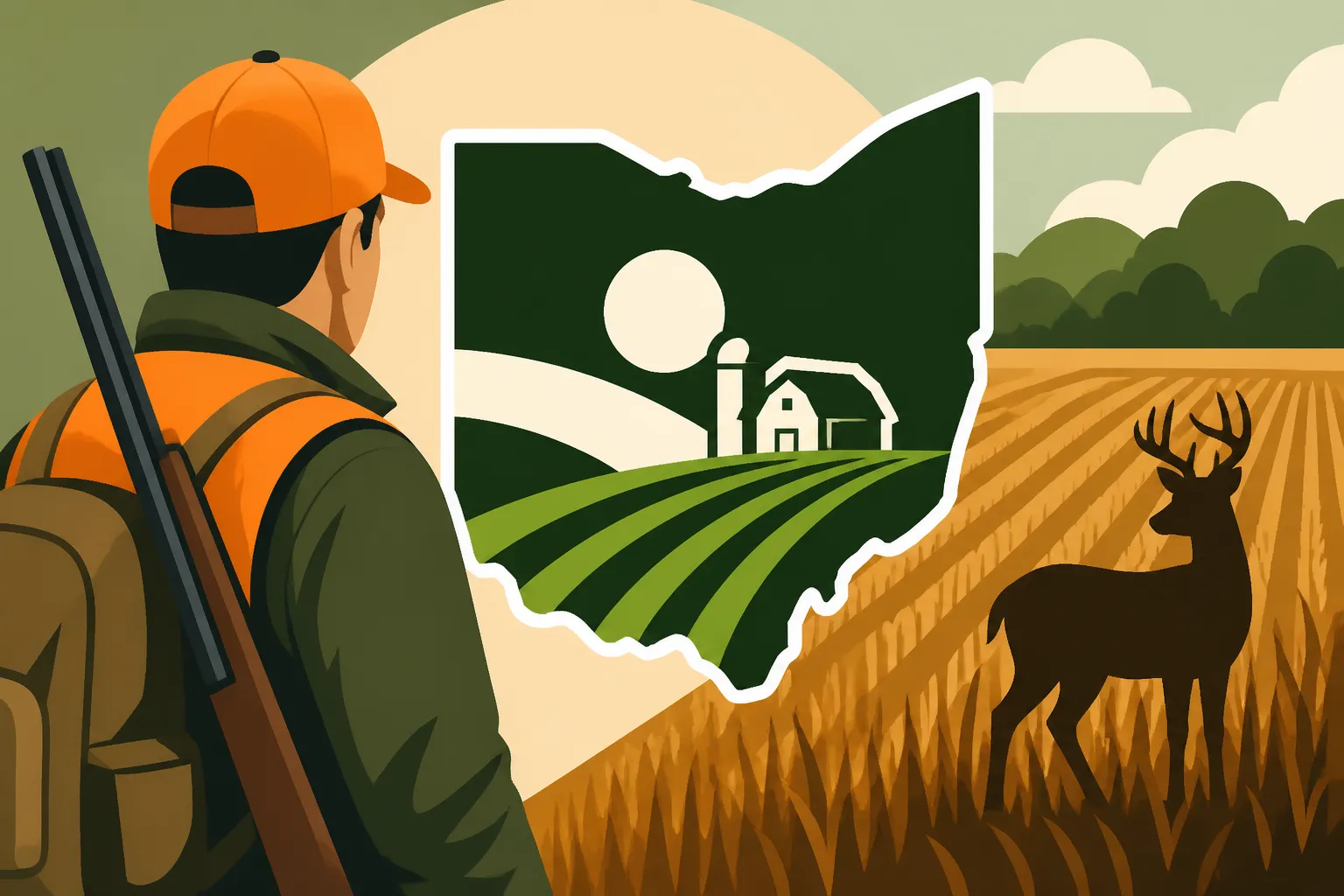
Wayne County, Ohio, presents a distinct set of challenges and opportunities for hunters. Unlike the sprawling state forests and national lands of Appalachian Ohio, Wayne County is dominated by agriculture. We're talking vast cornfields, soybean operations, hayfields, and pastures, interspersed with smaller woodlots, thick fencerows, and meandering creek bottoms. This landscape is a whitetail deer haven, offering abundant food and cover. However, it's almost entirely privately owned.
The sheer amount of private land means that successful hunting here hinges on your ability to secure permission from landowners. It's a relationship-based game, and understanding the local culture is key. Wayne County is also home to a significant Amish population, whose land use practices and cultural norms might differ from what you're accustomed to. Approaching these landowners with respect and a clear understanding of their needs is paramount, more so than just knocking on any random door. These aren't just properties; they're livelihoods and homes.
Beyond deer, these farmlands also offer opportunities for small game like rabbits and pheasants, especially in unkempt field edges and brushy creek bottoms. But again, these opportunities are almost exclusively on private land. You won't find designated public hunting areas carved out of cornfields. Therefore, developing a solid strategy for private land access is not just recommended; it's absolutely essential to filling your tags in this part of Ohio.
Navigating Ohio's Private Land Access Laws
Before you even think about approaching a landowner, it's crucial to understand the legal framework surrounding private land access in Ohio. Ignorance of the law is never an excuse, and trespassing can lead to serious consequences, damaging your reputation and potentially making it harder for all hunters to gain future access.
Ohio law is pretty clear on private property. You generally need permission to enter or hunt on someone's land. This permission doesn't always have to be a formal written contract, but it absolutely must be explicit. Walking onto land without permission, even if it's not posted with "No Trespassing" signs, is still trespassing in the eyes of the law. While many hunters assume unposted land is fair game, that's simply not true in Ohio. Always assume land is private and requires permission unless it's clearly marked as public hunting land. This is a fundamental rule in Ohio hunting and one you should never forget. For more on the specifics, check out Ohio Trespass and Permission Law.
Understanding Posted Land vs. Unposted Land
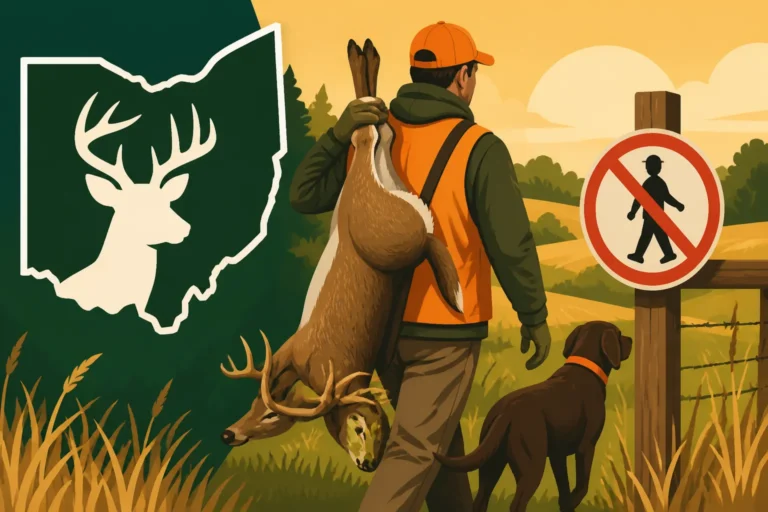
The concept of "posted" land often causes confusion. In Ohio, land that is legally "posted" is typically marked with signs or purple paint on trees or fence posts, clearly indicating that entry is forbidden. Hunting on posted land without permission is a direct violation and will almost certainly result in charges. However, as mentioned, the absence of these signs does not imply permission. It simply means the landowner hasn't taken the extra step of formally marking their boundaries.
Think of it this way: a lock on a door indicates "no entry," but an unlocked door doesn't automatically mean "come on in." The same principle applies to private land. Always seek out the landowner and ask for permission, regardless of whether you see signs or not. It's the only way to be legally and ethically in the field.
The Importance of Explicit Permission
When you do talk to a landowner, make sure their permission is explicit. Don't assume. Ask direct questions: "May I hunt deer on your property this season?" or "Would you allow me to hunt squirrels on your woodlot?" If they say yes, clarify the terms: What areas are off-limits? What dates or times can you hunt? Are there any specific rules they have, like no driving vehicles into the fields or where to park?
While verbal permission is legally binding in Ohio, many seasoned hunters prefer to get it in writing. This protects both you and the landowner by documenting the agreement, including names, dates, specific permissions, and any restrictions. A simple note with both signatures can save a lot of headaches later, especially if a new landowner takes over, or if there's a misunderstanding about boundaries.
Strategies for Gaining Farmland Hunting Permission
Now, for the million-dollar question: how do you actually get that coveted permission? It's not always easy, but with persistence, politeness, and the right approach, it's absolutely possible in Wayne County.
Doing Your Homework Before You Knock
Before you even think about knocking on a door, do some scouting. Not just for deer sign, but for land ownership information. Tools like onX Hunt or GoHunt are absolute game-changers here. You can use these apps to identify property boundaries and, crucially, the landowner's name and contact information. This saves you from knocking on the wrong door or approaching someone who doesn't even own the land you're interested in.
Use these apps to pinpoint promising woodlots, fencerows, or creek bottoms that look like good deer cover. Then, find the name associated with that parcel. Knowing who you're speaking to instantly makes your approach more professional and respectful. For example, using onX Hunt, you might locate a promising timber block adjacent to a cornfield. You can see the owner's name, let's say "Miller Family Farm," and then address your inquiry specifically to "Mr. Miller" when you introduce yourself. These tools can also help you understand property lines, which is crucial once you do get permission. Reading Aerial Photos for Southeast Ohio Deer offers similar insights that can be adapted to farmland scouting.
The Art of the Knock on the Door
The best time to approach landowners is typically in the off-season, well before hunting pressure starts to build. Spring and summer are ideal. Farmers are busy, but often less stressed than right before harvest or during planting. Weekend afternoons can be a good bet. Dress neatly, act respectfully, and bring a positive attitude.
When you approach, introduce yourself clearly, state your purpose, and be upfront about what you're asking for. "Hello, Mr. Jones. My name is [Your Name], and I was wondering if you ever allow hunting on your property. I'm really interested in trying to get a deer this season, and I respect private land rules." Be prepared for "no," and accept it graciously. Don't argue or try to convince them. A "no" today doesn't mean "no" forever. Sometimes, you just catch them at a bad time, or they've had bad experiences in the past. If you're polite, they might remember you positively later. Check out Knocking on Doors in Ohio Farm Country for more detailed tactics.
Building Trust and Offering Value
Landowners, especially farmers, often have concerns about hunters. They worry about gates being left open, fences being cut, crops being damaged, or safety issues. Addressing these concerns proactively can set you apart.
Consider offering something in return. "I'd be happy to help you repair a fence, or move some hay bales, or keep an eye on your property." Small gestures of help can go a long way in building trust. Some hunters offer a portion of their harvest or processed venison, especially if the landowner enjoys wild game but doesn't hunt themselves.
Emphasize safety. Assure them you're a responsible hunter, will only shoot in safe directions, know the property boundaries, and will always check in and out. Discussing your hunting style (e.g., archery only, still-hunting, no deer drives) can also put their mind at ease. Many landowners are simply tired of large, rowdy groups or people who don't respect their property. By demonstrating that you are a considerate and respectful individual, you'll greatly increase your chances. This is particularly true in areas with dense deer populations that might cause crop damage, where the landowner might be interested in Ohio Deer Damage Control Permits for Farmers.
Respecting the Landowner and Maintaining Access
Gaining permission is only half the battle; keeping it is the other, equally important part. Your behavior on the property directly impacts not just your future access, but potentially access for other hunters in Wayne County. Be an ambassador for ethical hunting.
Following the Rules and Communicating Clearly
Once you have permission, stick to the agreed-upon terms explicitly. If they say no vehicle access beyond a certain point, don't try to sneak your ATV back there. If certain fields are off-limits, respect that boundary. Always tell the landowner when you plan to hunt and when you're leaving. A quick text or phone call is often appreciated. This allows them to know who is on their land and when, providing a sense of security and control.
If you wound a deer and it runs onto an adjacent property where you don't have permission, immediately contact the landowner of the property you're on, and together, approach the neighboring landowner to request permission to track and retrieve. Do not cross that property line without explicit permission, even for a wounded animal. This is a critical point that can quickly sour relationships.
Leave No Trace and Go Above and Beyond
When you leave, ensure there's absolutely no trash, spent casings, or any other sign you were ever there, other than possibly deer tracks. If you use a ground blind, make sure it's brushed in properly and removed at the end of the season unless the landowner approves it staying. If you hang a treestand, make sure it's removed by the legal deadline (usually February 1st on public land, but apply the same respect on private land unless otherwise agreed upon).
Even better, go above and beyond. If you notice a broken fence post, let the landowner know, or offer to fix it. If you see illegal dumping on their property, report it to them. Become an extra set of eyes and ears for their property. This kind of stewardship not only earns you goodwill but also demonstrates that you genuinely care about their land, not just the hunting opportunity it provides. Many small landowners appreciate having a responsible hunter around to keep tabs on things.
The Long Game: Nurturing the Relationship
Private land access isn't usually a one-and-done deal. It's an ongoing relationship. Send a thank-you card after the season, or drop off a small gift around the holidays. A gift certificate to a local store, a few pounds of processed venison from your harvest, or even a batch of homemade cookies can be incredibly thoughtful gestures.
Remember that permission can be revoked at any time. Your continued access depends on your consistent demonstration of respect, responsibility, and communication. By taking the long view and actively nurturing the relationship, you can secure valuable hunting opportunities in Wayne County's farmlands for years to come.
Ohio Private Land Access: Key Considerations
To help summarize the essential elements for successful private land hunting in Wayne County, consider the following points:
| Consideration | Details | Why It Matters |
|---|---|---|
| Legal Basis | Ohio law requires explicit permission to hunt on private land, whether posted or not. Verbal permission is valid, but written is preferred for clarity. | Prevents trespassing charges, protects you and the landowner, and establishes clear terms for hunting. |
| Landowner ID | Utilize mapping apps like onX Hunt or GoHunt to identify property boundaries, ownership, and contact information. | Ensures you approach the correct person, demonstrates preparation, and helps you understand the property layout. |
| Timing of Approach | Best to ask in the off-season (spring/summer) when farmers are less busy and hunting pressure is low. Avoid peak times like planting or harvest. | Increases the likelihood of a positive reception and allows time to build rapport before the season. |
| Personal Demeanor | Be polite, respectful, neatly dressed, and articulate. State your purpose clearly and be prepared for either a "yes" or "no." | First impressions are critical. A respectful approach can open doors, while rudeness will shut them permanently. |
| Offer of Value | Consider offering help (fence repair, minor chores), a share of the harvest, or simply being an extra set of eyes on the property. | Builds trust and demonstrates that you're not just taking, but also willing to contribute. |
| Clear Communication | Always inform the landowner when you plan to hunt and when you're leaving. Clarify boundaries, off-limit areas, and any specific rules they may have. | Prevents misunderstandings, ensures safety, and respects the landowner's control over their property. |
| Ethical Conduct | Follow all hunting regulations, practice safe firearm handling, respect property boundaries, retrieve all game responsibly, and leave no trace. | Upholds your reputation, the reputation of hunters, and ensures continued access for yourself and others. |
| Post-Season Follow-up | Send a thank-you note, small gift, or offer to help with chores after the season. | Nurtures the relationship, shows gratitude, and increases the likelihood of renewed permission next season. This is part of the "long game" in private land access. |
Hunting the farmlands of Wayne County can be incredibly rewarding, offering access to thriving deer populations and the peaceful solitude of rural Ohio. It simply requires a different approach than heading to a public forest. By understanding the legal requirements, employing smart strategies for gaining access, and committing to being an exemplary guest, you'll unlock some of the best hunting opportunities Ohio has to offer. Remember, every "yes" starts with a polite question and a willingness to earn trust. Hunting Northwest Ohio Farmland Deer provides more context on hunting similar landscapes.
Disclaimer
This article is for general informational purposes only and does not constitute professional advice. Laws, prices and regulations vary by location and change over time. Consult a qualified professional for guidance on your specific situation.