Why Black Bears Are Wandering Into Ohio
Ohio black bear populations and increasing sightings stem from growing migration and recovery across neighboring Appalachian states.
Know what you’re after.
Big game, small game, upland birds, and waterfowl — identification, behavior, rut and migration timing, and how each species moves through the season.
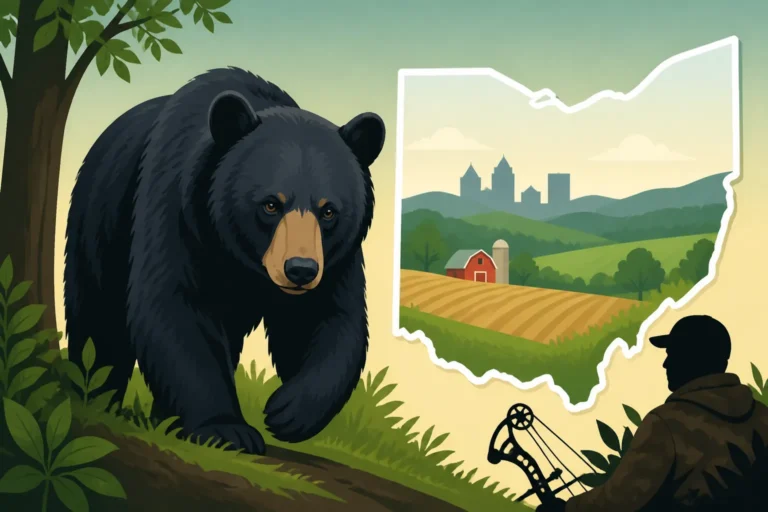
Ohio black bear populations and increasing sightings stem from growing migration and recovery across neighboring Appalachian states.
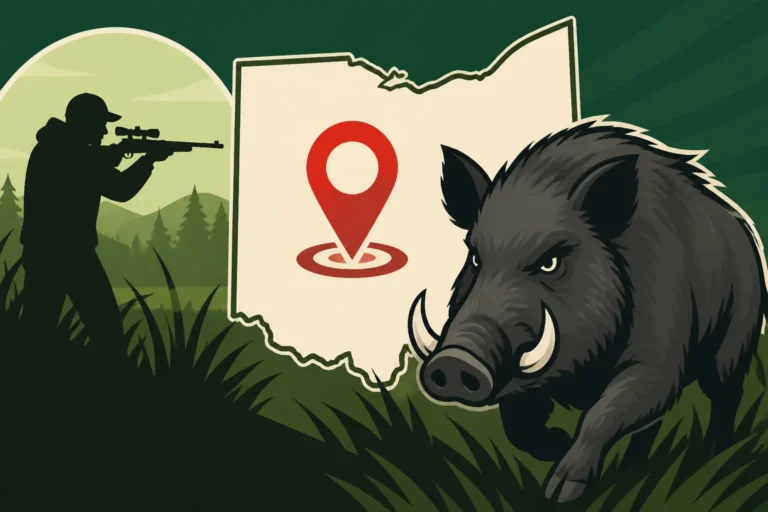
Feral swine populations in Ohio destroy crops and spread dangerous diseases, requiring residents to report sightings to the Department of Natural Resources.
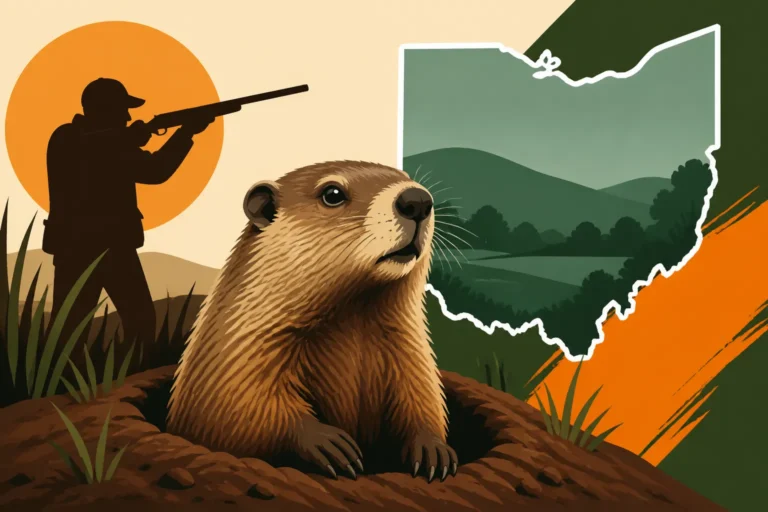
Ohio groundhogs thrive across agricultural and woodland edges, where their burrow systems provide vital shelter for wildlife.
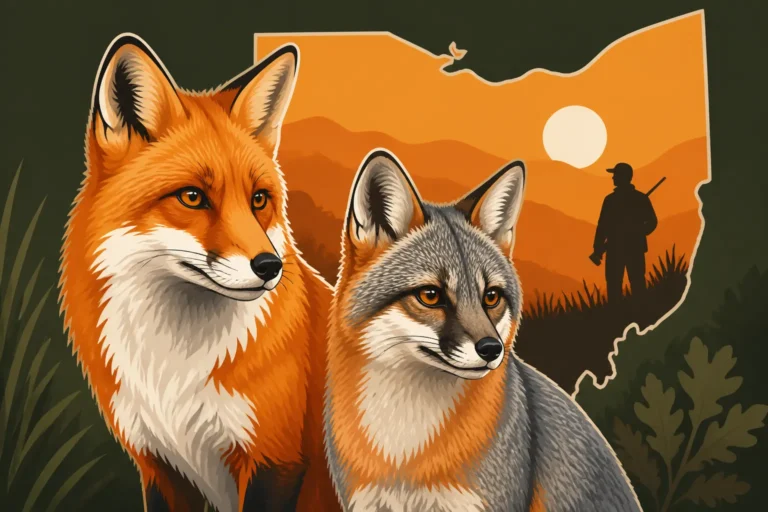
Ohio red foxes and gray foxes feature distinct behaviors, traits, and tree-climbing abilities that help hunters identify them.
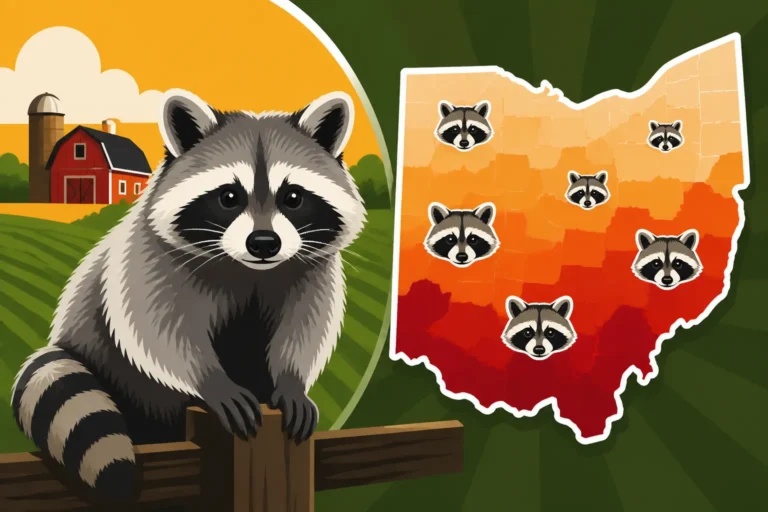
Raccoon density in Ohio farm country stems from nocturnal foraging habits, edge habitats, and opportunistic omnivorous diets.
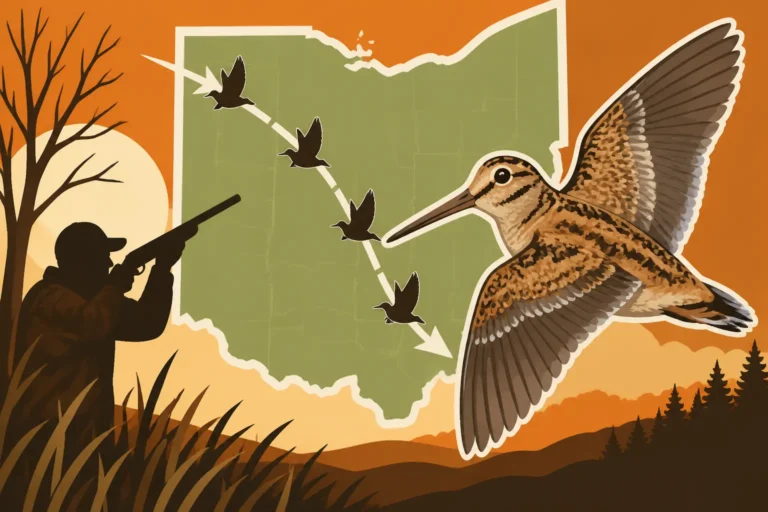
American woodcock migration routes across Ohio help hunters locate transient game birds in moist, early successional habitats.
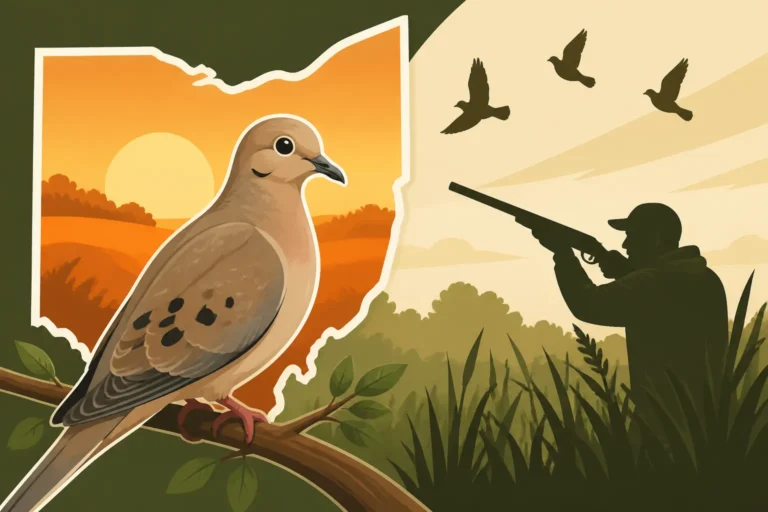
Ohio Department of Natural Resources monitors mourning dove populations using annual call-count surveys and tracking habitat and weather factors.
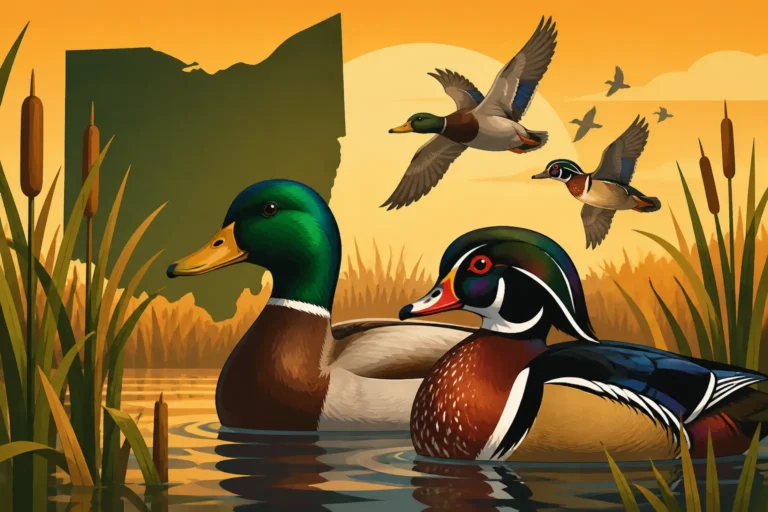
Ohio marsh hunting strategies for mallards and wood ducks explain how to navigate wetlands, decoy birds, and manage cold fronts.
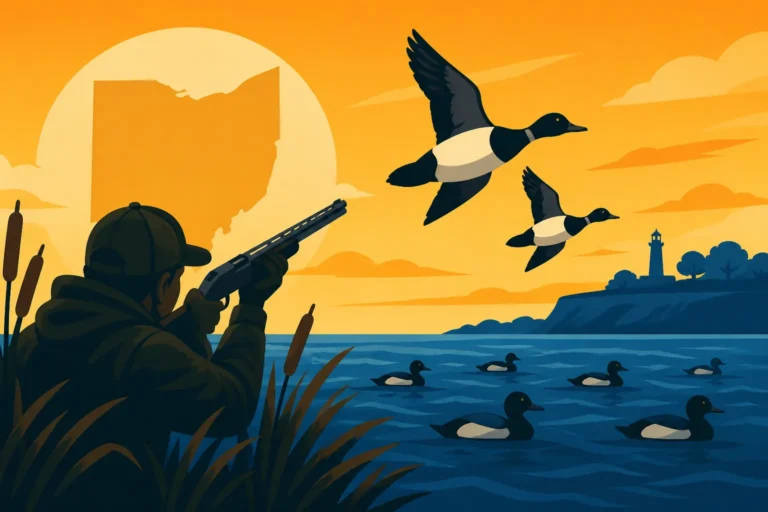
Lake Erie diver duck hunting requires understanding western, central, and eastern basin habitats, bird behavior, and weather conditions.
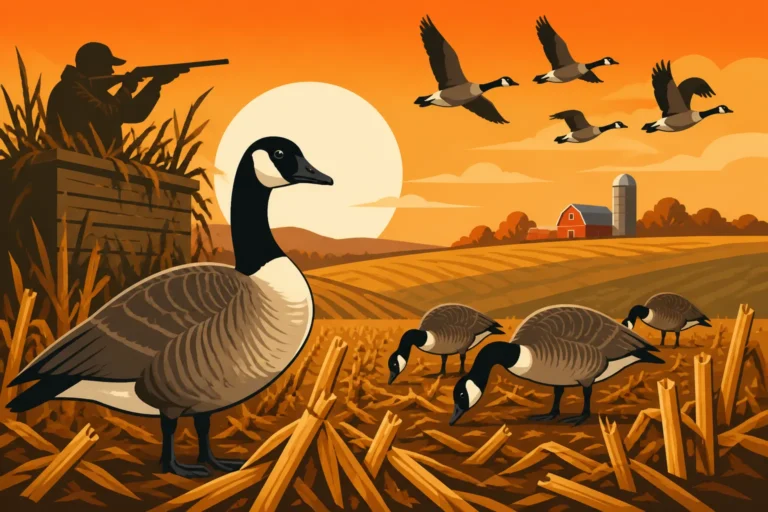
Canada geese in Ohio feed on winter wheat and corn, creating financial challenges for farmers and hunting opportunities.