Ruffed Grouse in Decline Across Ohio
Ohio ruffed grouse populations declined eighty to ninety percent over decades due to severe habitat loss in eastern and southeastern counties.
Know what you’re after.
Big game, small game, upland birds, and waterfowl — identification, behavior, rut and migration timing, and how each species moves through the season.
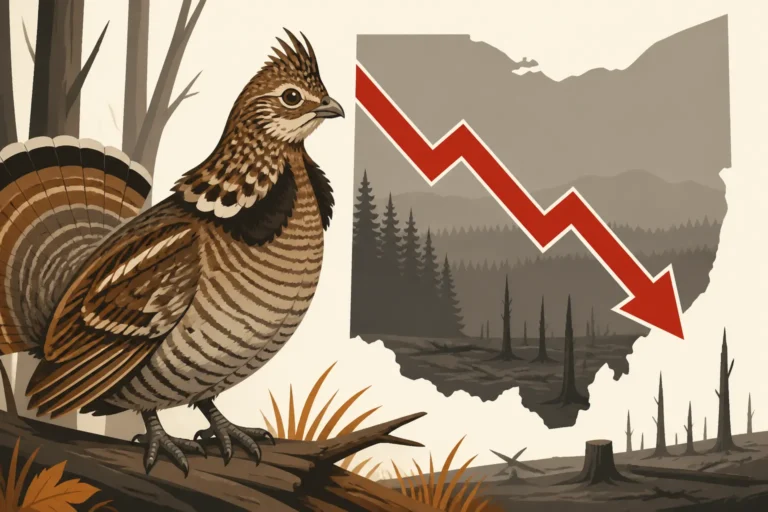
Ohio ruffed grouse populations declined eighty to ninety percent over decades due to severe habitat loss in eastern and southeastern counties.
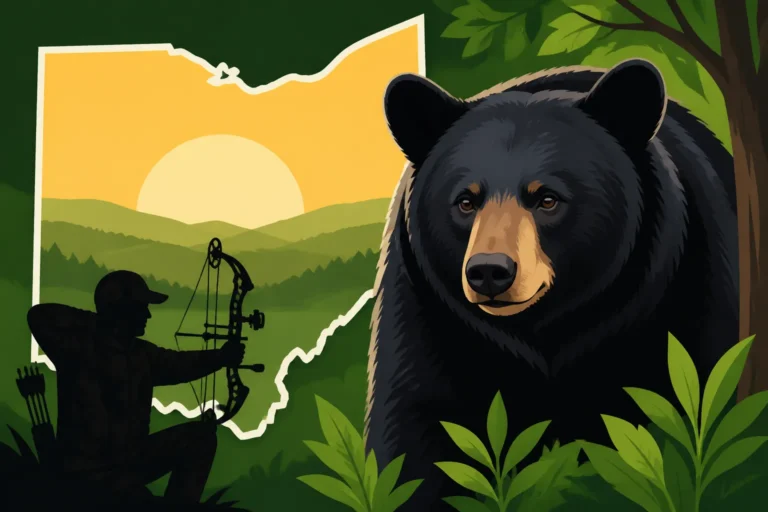
Ohio black bear sightings and history explain natural population recovery from neighboring states and safe coexistence strategies.
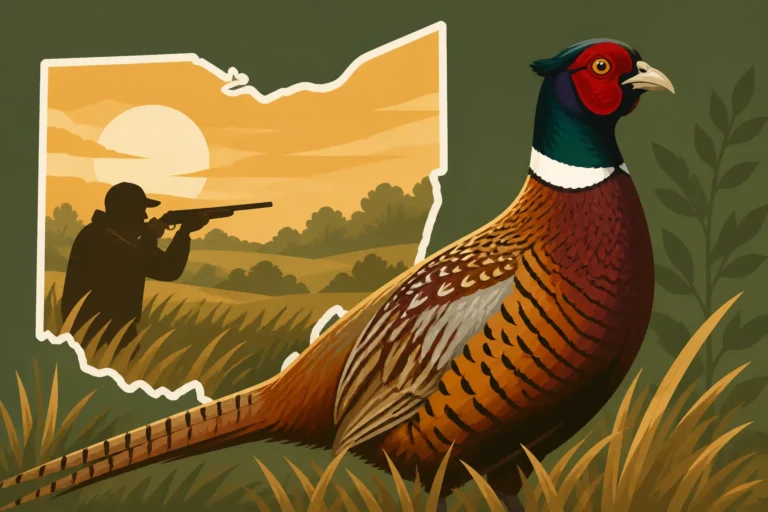
Ring-necked pheasant hunting in Ohio has shifted from historical abundance to reliance on stocked birds due to habitat loss.
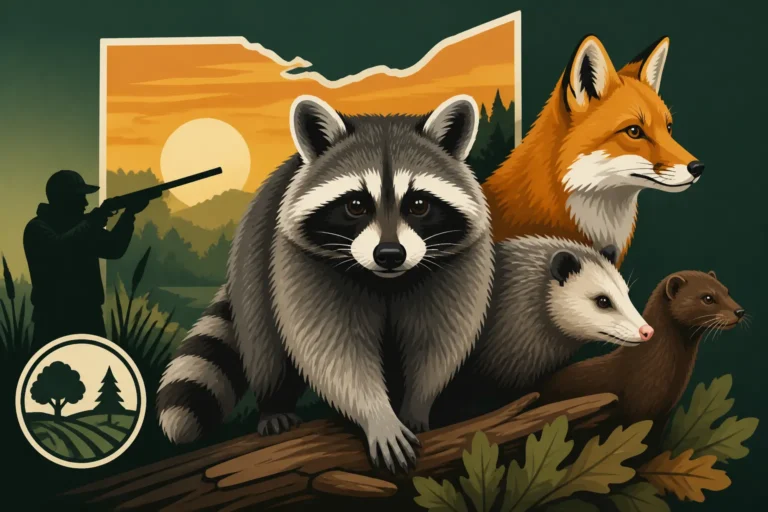
Ohio furbearer populations, including adaptable raccoons and river otters recovering from 1980s reintroduction programs, across state habitats.
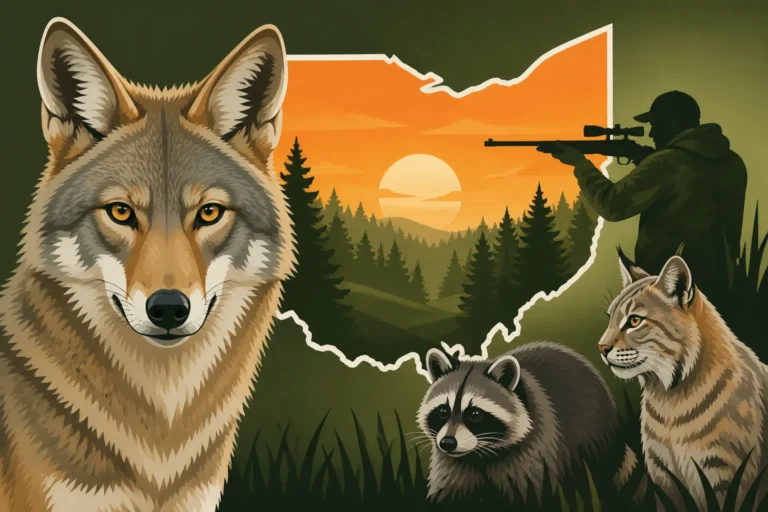
Coyotes, bobcats, and foxes in Ohio impact deer and turkey populations, requiring hunters to manage predators across all eighty-eight counties.
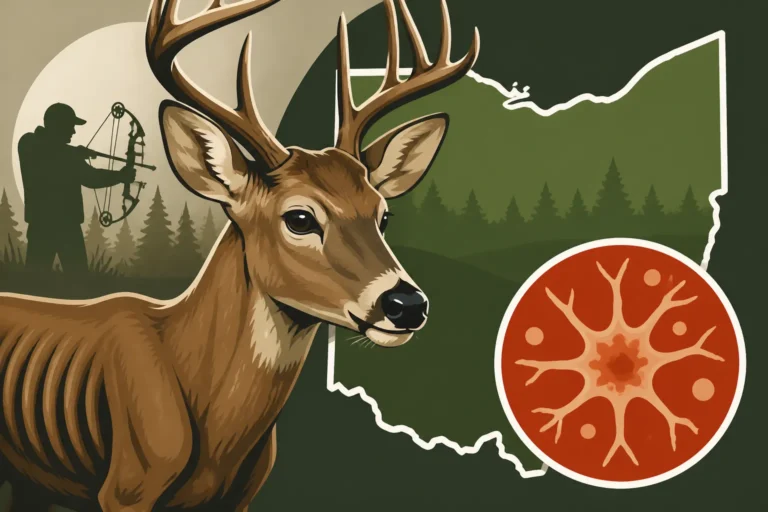
Chronic Wasting Disease in Ohio deer is a fatal neurological illness caused by prions spreading through environments and animal contact.
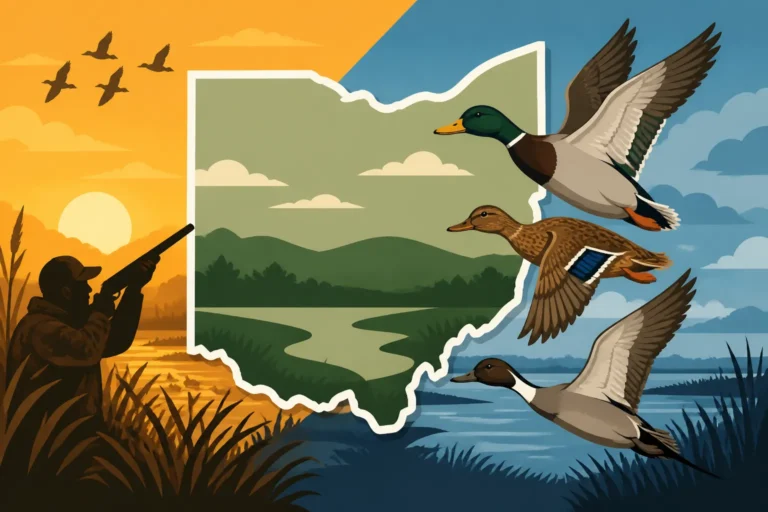
Ohio waterfowl migration routes across the Mississippi and Atlantic flyways determine bird populations and hunting success.
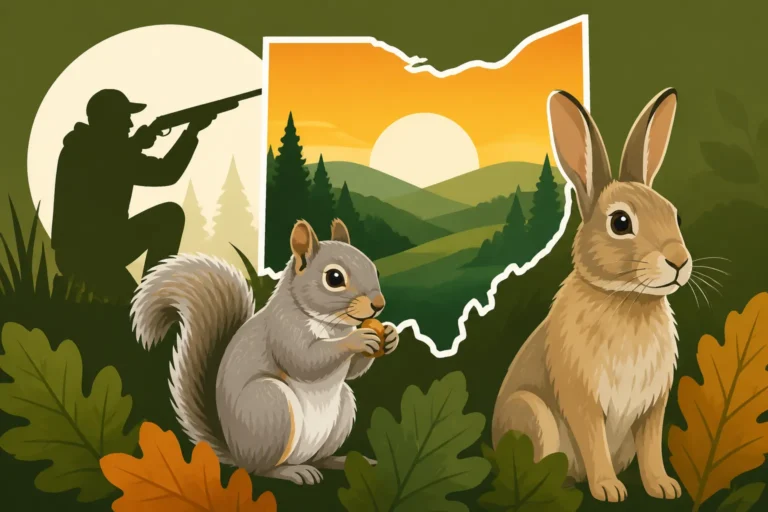
Ohio gray squirrel and fox squirrel populations, habitats, and behaviors are detailed to help hunters find field success.
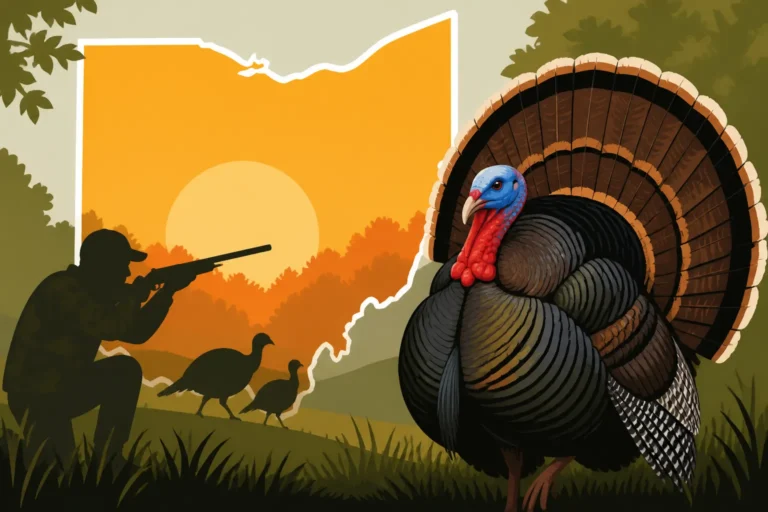
Ohio wild turkeys returned through conservation efforts, providing hunting opportunities after being extirpated in 1904.
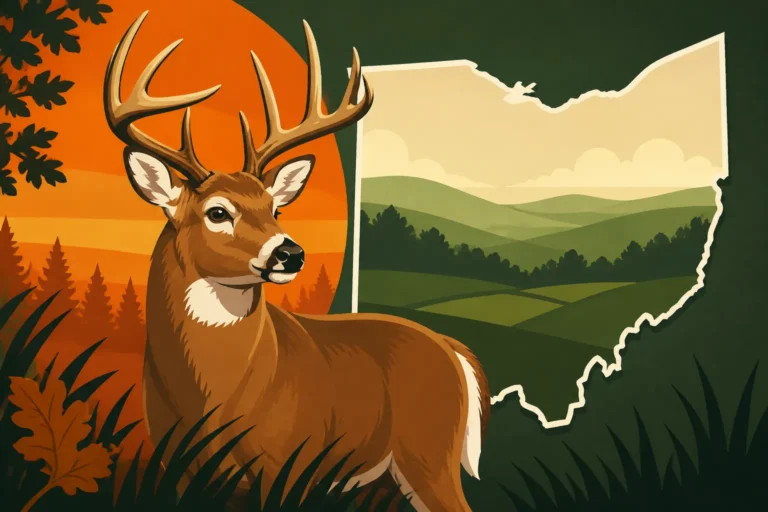
Ohio white-tailed deer populations recovered from near extirpation through conservation, strict regulations, and twentieth century habitat restoration.