Ohio Resident Canada Goose Population
The sheer number of Canada geese you see year-round in Ohio can be baffling, especially when you think about migration and the traditional image of V-formations heading south. Many hunters and landowners alike find themselves scratching their heads, wondering why these birds seem to be everywhere all the time, completely ignoring the seasonal calls to migrate. This guide will dive deep into understanding the unique resident Canada goose population in our state, why they're here to stay, and how managing their numbers is a shared responsibility that often involves hunting.
Understanding Ohio's Resident Canada Goose Population
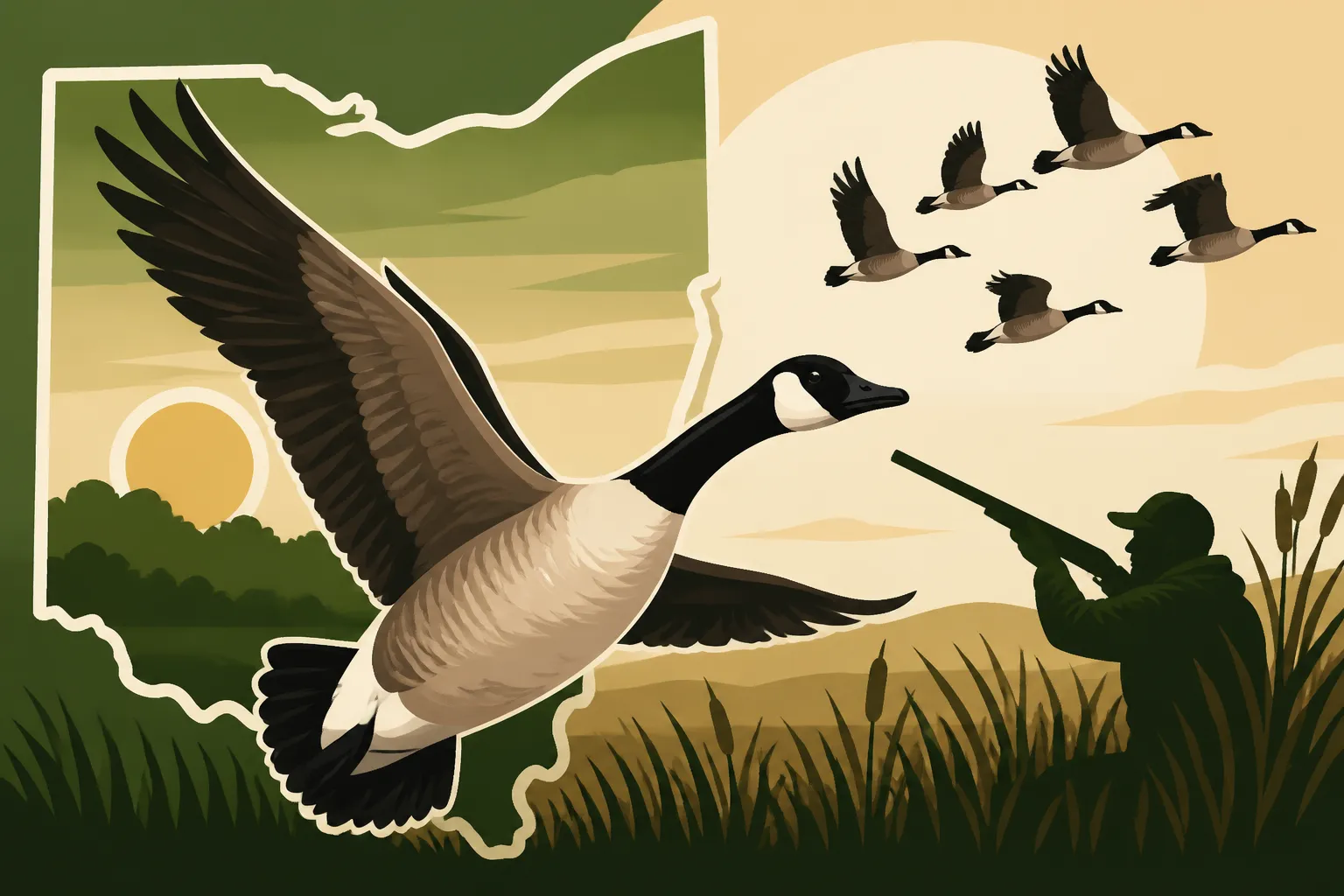
When we talk about Canada geese in Ohio, it's crucial to understand that we're often discussing two distinct groups: the migratory birds that pass through our state on their epic journeys, and the non-migratory "resident" population that has set up permanent shop. These resident geese are the ones you see grazing in parks, waddling across golf courses, and honking loudly in suburban ponds, even in the dead of winter. They've found everything they need right here, and they've decided Ohio is home sweet home.
Defining Resident Versus Migratory Geese
The key difference between resident and migratory Canada geese isn't always about how they look, though migratory birds might sometimes appear a bit leaner after their long travels. It's truly about their behavior and their life cycle. Migratory geese breed in the northern reaches of Canada and Alaska, then fly south to warmer climates, often through Ohio, to escape the harsh winter. They are driven by an ancient instinct, a clockwork precision in their journeys.
Resident geese, on the other hand, forego this grand migration. They were often introduced or established from captive flocks, or they are descendants of migratory birds that simply stopped migrating. They nest and raise their young within Ohio's borders, finding ample food, water, and nesting sites without the need for a thousand-mile flight. This sedentary lifestyle has allowed their numbers to explode, as they don't face the same pressures and risks associated with migration, like extreme weather or exhaustion from long flights. They are, in essence, Ohioans through and through.
Historical Context of Their Rise
It might seem like resident geese have always been here, but their proliferation is a relatively modern phenomenon. Historically, Canada geese were primarily migratory, and their numbers were actually quite low in many areas due to overhunting and habitat loss. Conservation efforts in the mid-20th century, including restocking programs and habitat improvements, helped bring them back. However, a significant part of this recovery involved establishing non-migratory flocks in areas where they hadn't traditionally bred. Many of these foundational flocks were composed of "giant" Canada geese, a subspecies known for being larger and less inclined to migrate.
As these populations grew, aided by human-created environments like golf courses, corporate parks, and urban ponds that offered perfectly manicured lawns for grazing and predator-free water bodies, the geese thrived. They found a niche that provided everything they needed: abundant food, safety from predators, and year-round open water. It's a testament to their adaptability, but it also created a new set of challenges for wildlife managers and landowners dealing with their sheer numbers and associated impacts.
Why Resident Geese Are So Prevalent in Ohio
Ohio provides an almost ideal environment for resident Canada geese, so it’s no wonder their numbers have swelled. From manicured landscapes to abundant water sources, our state offers a veritable buffet and a safe haven, allowing these birds to bypass the rigors of migration entirely. This prevalence isn't accidental; it's a direct result of several factors that have aligned perfectly for them.
Abundant Food Sources and Water
Think about any suburban park, golf course, or corporate campus in Ohio. What do they almost all have in common? Expansive, short-cropped green grass and often, a pond or retention basin. This combination is practically a five-star resort for Canada geese. They are primarily grazers, and these lush lawns provide an endless supply of easily digestible forage. They don't have to work hard to find food, unlike their migratory cousins who might contend with natural cycles and harder-to-reach wild edibles.
Beyond the greens, agricultural fields across Ohio also play a huge role. After harvest, waste grain in corn and soybean fields provides a high-energy food source, especially valuable in the colder months. These fields are often close to rivers, reservoirs, and smaller ponds, offering ideal roosting sites. This reliable food supply means geese don't need to expend energy on migration. When you couple that with the sheer number of ponds, lakes, and slow-moving rivers that rarely freeze solid in an Ohio winter, you have a recipe for a thriving, sedentary population.
Lack of Natural Predation in Urban Areas
One of the biggest advantages resident geese enjoy, particularly in suburban and urban settings, is a relative lack of natural predators. While coyotes and foxes might occasionally snatch an unwary goose or gosling, the sheer density of human activity often deters larger predators that would typically help keep populations in check in more wild areas. Furthermore, their nesting sites, often on small islands in ponds or along protected shorelines, provide a safe nursery for their young.
Humans, for the most part, also contribute to their safety. Many people view geese as part of the natural landscape and may even feed them, further habituating them to human presence and removing any natural fear. This reduced predation pressure means more goslings survive to adulthood, contributing to the exponential growth of the resident population. It’s a classic case of an adaptable species finding a new ecological niche with fewer checks and balances.
Urban and Suburban Habitats
Ohio's sprawling urban and suburban development has inadvertently created a perfect mosaic of habitats for resident geese. From the smallest retention pond in a housing development to the vast stretches of turf at a university campus, these areas offer sanctuary. Laws and ordinances often restrict hunting or even the discharge of firearms within city limits, creating de facto wildlife refuges where geese can live out their lives undisturbed by hunters.
This isn't just about safety; it's also about convenience. These developed areas often have stable water levels, minimal human disturbance to nesting sites (outside of direct harassment, which is often illegal), and an endless supply of mowed grass. It's a low-stress existence that allows them to reproduce effectively and flourish, often to the consternation of property owners dealing with droppings, aggressive behavior during nesting season, and crop damage. These areas, while not designed for wildlife, have become prime real estate for the adaptable Canada goose.
Managing Resident Goose Numbers in Ohio
The sheer prevalence of resident Canada geese, while a conservation success story in one light, has also created significant management challenges for Ohio wildlife agencies and private landowners. From fouled waterways to damaged crops, their booming numbers often lead to conflicts, making effective population control a necessity rather than just an option. It's a balancing act to maintain a healthy ecosystem while addressing human concerns.
Challenges Posed by Overpopulation
An unchecked resident goose population can lead to a host of problems. One of the most common complaints revolves around their droppings. Geese are prolific defecators, and their waste can accumulate rapidly on lawns, sidewalks, golf courses, and even beaches. Beyond being aesthetically unpleasant, goose droppings can contribute to elevated nutrient levels in ponds and lakes, potentially leading to harmful algal blooms. They can also carry bacteria that pose public health risks.
Agriculturally, large flocks of resident geese can cause significant damage to crops, particularly during planting season when they graze on young sprouts or feed on winter wheat. This can result in substantial financial losses for farmers. Furthermore, aggressive behavior during nesting season, especially from protective ganders, can pose a nuisance or even a threat to people, particularly children or pets, who venture too close to their nests. Airfield safety is another major concern, as goose-aircraft collisions can be catastrophic. These cumulative impacts underscore the need for active management strategies.
Non-Lethal Control Methods
Before resorting to lethal means, many landowners and communities explore a variety of non-lethal control methods to deter geese. These can range from simple harassment techniques to more involved habitat modification. Hazing, which involves repeatedly disturbing geese to make an area less appealing, can be effective if done consistently. This might include using trained dogs, remote-controlled boats, or even loud noises. The goal is to make the area feel unsafe or unpleasant.
Habitat modification is another key strategy. This could involve letting grass grow taller around ponds to make grazing less attractive or planting vegetation barriers to block easy access to water bodies. Reducing or eliminating supplemental feeding is also crucial, as it often concentrates geese and makes them more reliant on human-provided food. For nests, egg oiling or addling (shaking or rotating eggs to prevent hatching) can be used under appropriate permits to reduce reproductive success without killing adult birds. While these methods require effort and consistency, they can reduce goose impacts in specific areas.
Hunting as a Population Management Tool
For wildlife agencies, and indeed for hunters, regulated hunting plays a vital role in managing the overall resident Canada goose population across Ohio. Unlike non-lethal methods which might displace geese from one area to another, hunting directly removes birds from the population, helping to control numbers on a broader scale. The challenge with resident geese is often their location; they tend to congregate in areas where hunting isn't practical or permitted.
However, where hunting is allowed, particularly on agricultural lands and certain public hunting areas, it is an effective tool. Early goose seasons, specifically designed to target resident populations before the main migratory birds arrive, are a prime example. These seasons offer hunters an opportunity to contribute to population management while enjoying a thrilling hunting experience. Ohio's New Waterfowl Zone Map highlights areas with varying hunting opportunities. It's an essential part of the equation, ensuring that goose numbers don't overwhelm ecosystems and human interests.
Hunting Resident Canada Geese in Ohio
Hunting resident Canada geese in Ohio offers a unique challenge and opportunity. These birds are often more accustomed to human presence than their truly wild, migratory counterparts, which can make them tricky to hunt, but also present chances closer to home. Understanding their behavior and the available seasons is key to a successful hunt.
Early Goose Season Tactics
Ohio typically has an early goose season, often in early September, specifically designed to target the resident population. This timing is critical because it generally precedes the arrival of the vast majority of migratory geese. Hunters who brave the warmer temperatures of early fall can find excellent opportunities. One common tactic involves scouting agricultural fields where geese are actively feeding. Cut corn or soybean fields are often prime locations. Using spread decoys, often full-body or shell decoys, can be very effective, especially if you set up along flight paths the geese are already using.
Concealment is paramount. These geese are smart, and they've seen plenty of people. Layout blinds brushed in well on field edges or natural cover near their feeding areas are crucial. Even when using a scouting tool like GoHunt to pinpoint public land access or property boundaries, remember that the geese are more likely to be found on adjacent private farmland where they feed, making landowner permission essential for many prime spots. Early Goose Season Tactics in Ohio goes into more detail on how to approach these hunts. Calling can also be very effective, especially when birds are circling the spread, to encourage them to commit.
Utilizing Public and Private Lands
Finding suitable hunting ground for resident geese can sometimes be a puzzle, as many birds reside in areas where hunting is prohibited. However, Ohio does offer opportunities on both public and private lands. Many Ohio Wildlife Areas and State Forests that border agricultural areas or have water features will hold resident geese. It's crucial to check the specific regulations for each public area, as some may have restrictions on hunting methods or times. For example, some areas might have specific waterfowl management zones.
Private land, especially agricultural fields near water, offers some of the best hunting. Building relationships with farmers and landowners is invaluable. Often, farmers are eager to have hunters help reduce goose numbers that are impacting their crops. Remember, getting permission well in advance is not just good manners, it's often legally required. When you scout these areas, pay attention to daily flight patterns and feeding habits. Canada Geese on Ohio Farmland are a common sight, making these areas productive. Always make sure you're aware of Ohio Legal Shooting Hours for migratory birds.
| Characteristic | Resident Canada Geese | Migratory Canada Geese |
|---|---|---|
| Migration Pattern | Non-migratory; reside year-round in local areas, often within Ohio. | Migrate long distances, breeding in northern regions and wintering further south. |
| Habitat Preference | Often found in urban/suburban areas, golf courses, parks, retention ponds, agricultural fields, and smaller waterways. | Primarily found in more rural wetlands, large lakes, rivers, and agricultural fields during migration. |
| Diet | Heavy reliance on manicured grass, waste grain from agricultural fields, and readily available aquatic vegetation. | Broader diet including natural grasses, grains, seeds, and aquatic plants found along their migratory routes. |
| Adaptation to Humans | Highly habituated to human presence; often show little fear, making them prone to nuisance behaviors. | Generally warier of humans, especially in hunting pressure areas, though can become accustomed to human activity in non-hunting zones. |
| Nesting Sites | Nest in local, often protected, areas within their year-round range, including islands in ponds, shorelines, and even rooftops. | Nest in remote, often tundra or boreal forest regions in the far north. |
| Hunting Season Focus | Primarily targeted during special early seasons before the main migratory flight. | Targeted during regular waterfowl seasons when they are passing through or wintering. |
Gear and Regulations for Goose Hunting
Just like any other waterfowl pursuit, goose hunting requires specific gear and a strict adherence to regulations. First and foremost, you'll need an Ohio hunting license, an Ohio Wetlands Habitat Stamp, and a Federal Migratory Bird Hunting and Conservation Stamp (often called a Federal Duck Stamp). Don't forget your Harvest Information Program (HIP) certification. These are all non-negotiable legal requirements. Ohio Federal Duck Stamp Requirement is particularly important.
For firearms, a 12-gauge shotgun is the standard, often paired with a modified or full choke to provide a dense pattern for incoming birds. Non-toxic shot, typically steel, bismuth, or tungsten-based, is required for all waterfowl hunting in Ohio. Lead shot is prohibited. Decoys are essential, and a good call can make a huge difference in bringing birds into range. Dress in camouflage that blends with your surroundings, whether it's field stubble for a layout blind or natural vegetation near water. Remember to check Ohio Duck and Goose Bag Limits for the current season, as these can change. Being prepared and compliant means a safer, more enjoyable, and successful hunt.
Disclaimer
This article is for general informational purposes only and does not constitute professional advice. Laws, prices and regulations vary by location and change over time. Consult a qualified professional for guidance on your specific situation.