Chronic Wasting Disease in Ohio Deer
For Ohio hunters, few topics spark as much concern and conversation around the campfire as Chronic Wasting Disease (CWD). It's a scary thought, knowing this always-fatal neurological disease can impact the very deer we spend so much time pursuing and put so much effort into managing. The uncertainty, the regulations, and the fear of the unknown can really cast a shadow over what should be an exciting season. This guide is here to break down everything you need to know about CWD in Ohio, from how it spreads to what you, as a hunter, can do to help.
Understanding Chronic Wasting Disease What it is and Why it Matters
Chronic Wasting Disease (CWD) is a topic that can feel heavy and confusing, especially when you're just trying to enjoy your time in the woods. But understanding what it is, and what it isn't, is the first step in facing it head-on. It's not like a typical bacterial or viral infection; it's something entirely different and far more insidious.
The Basics of CWD Transmission
At its core, CWD is a transmissible spongiform encephalopathy (TSE), a fancy way of saying it's a neurological disease caused by abnormal proteins called prions. These aren't living organisms like bacteria or viruses; they're misfolded proteins that cause normal proteins in the brain to misfold too. Think of it like a zombie apocalypse for brain cells. Once these prions start accumulating, they create microscopic holes in the brain tissue, leading to the devastating symptoms we associate with CWD.
The real kicker with prions is their incredible persistence in the environment. Unlike many pathogens that die off relatively quickly, prions can remain infectious in soil, plants, and even water for years. This means if a CWD-infected deer sheds prions through saliva, urine, feces, or decomposition, that area can become a hotbed for transmission to other deer. It's a terrifying prospect for wildlife managers because it makes eradication incredibly difficult once it's established in an area. Deer can contract CWD through direct contact with an infected animal or indirectly by coming into contact with contaminated environments. This environmental persistence is precisely why careful carcass disposal is so critical in affected areas. Understanding the life cycle and spread of these prions is crucial for grasping the challenges involved in managing this disease, especially when considering the health of Ohio's impressive White-Tailed Deer Across Ohio population.
Clinical Signs and Impact on Deer
Seeing a deer with CWD is heartbreaking. These animals are often described as "wasting away," hence the name. The symptoms develop slowly, usually over 18 to 24 months, so an infected deer might appear perfectly healthy for a long time before showing any outward signs. However, once symptoms manifest, they are progressive and always fatal.
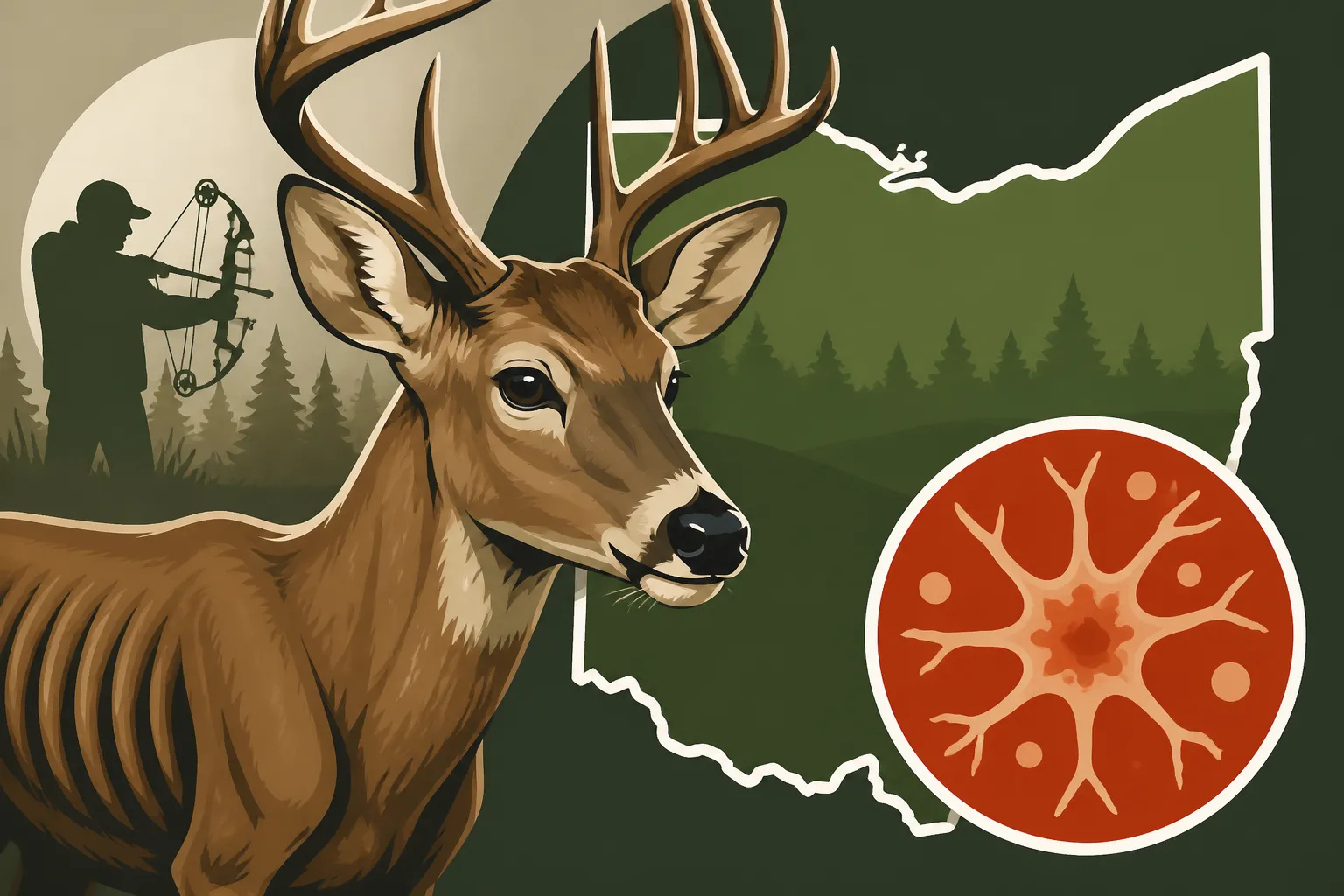
Common clinical signs include drastic weight loss, which is usually the most noticeable symptom, giving the deer a gaunt appearance. You might also see excessive salivation, leading to a wet muzzle and drooling, alongside an insatiable thirst and frequent urination. Behavioral changes are also common; infected deer might appear lethargic, have a blank stare, carry their head and ears lowered, or lose their natural wariness of humans. They might also exhibit an abnormal gait, stumbling or walking in repetitive patterns. Imagine watching a buck that typically holds its head high and is acutely aware of its surroundings, now listlessly wandering without a care. That's the tragic reality of CWD. The disease essentially destroys the deer's brain, impacting its ability to forage, escape predators, and ultimately survive. It's a death sentence, plain and simple, and it severely impacts the overall health and vitality of the deer herd, potentially affecting the long-term Ohio Deer Herd Size.
Ohio's CWD Timeline and Geographic Footprint
Ohio was fortunate to remain CWD-free for a long time compared to many neighboring states. For years, wildlife officials were vigilant, monitoring for any signs of the disease. When it finally arrived, it served as a stark reminder of how interconnected wildlife populations are and how easily diseases can spread across state lines, often unnoticed until it’s too late.
The First Cases and Initial Discoveries
Ohio's first positive CWD case in a wild deer was confirmed in 2014, in a captive deer facility in Holmes County. While this wasn't a wild deer, it was a wake-up call, immediately triggering heightened surveillance in surrounding wild deer populations. Then, in 2020, the worst fears were realized when CWD was detected in a wild deer in Wyandot County. This was a game-changer, shifting Ohio's CWD strategy from preventative surveillance to active management. The unfortunate discovery led to intensive sampling efforts, particularly in the vicinity of the positive deer, to understand the extent of the spread. This initial detection in Wyandot County underscored the critical need for hunters to participate in testing, even when it feels like an inconvenience, as it directly informed the state's response. It was a tough pill to swallow for hunters who had always prided themselves on Ohio's healthy deer herd, but it galvanized efforts to control the disease. The story of How CWD Reached Wyandot County is a complex one, involving both natural deer movement and potentially human-assisted factors.
Ohio's Six-County CWD Footprint
Since that initial wild deer detection in Wyandot County, CWD has continued to be detected in additional wild deer, expanding the state's known footprint. As of recent data, Ohio has identified CWD in wild deer across a handful of counties. The primary cluster has remained centered around Wyandot County, but positive cases have also been confirmed in parts of Hardin, Marion, Allen, and Crawford counties. This geographical spread is a significant concern because it means the prions are now established in multiple wild populations, making containment exponentially more challenging.
The Ohio Department of Natural Resources (ODNR) monitors these areas closely, and unfortunately, the trend has been a gradual increase in the number of positive cases each year. It's not a rapid explosion, but a slow, persistent creep. This is why initiatives like the mandatory testing windows during gun season are so vital; they provide a snapshot of the disease's prevalence and help identify any new areas of concern. For hunters wondering Why Wyandot County Leads Ohio's CWD Count, it's largely due to being the initial epicenter of wild deer detection and thus receiving the most intense surveillance efforts, revealing more cases over time.
The Chronic Wasting Disease Surveillance Area DSA Explained
The establishment of a Disease Surveillance Area (DSA) is one of the most significant responses by wildlife agencies to a CWD detection. It’s not just an arbitrary line on a map; it's a designated zone where specific rules and restrictions are put in place to monitor, manage, and hopefully limit the spread of the disease. For hunters, understanding the DSA is paramount because it directly impacts how you hunt and handle your deer.
Defining the DSA Boundaries and Purpose
The CWD Surveillance Area, or DSA, is essentially a zone encompassing counties where CWD has been detected or is deemed at high risk of spreading. In Ohio, this currently includes Wyandot, Hardin, Marion, Allen, Crawford, and some surrounding townships within neighboring counties. These boundaries aren't static; they can expand or contract based on new data and surveillance findings. The main purpose of the DSA is two-fold: first, to gather as much information as possible on the prevalence and distribution of CWD within that area through mandatory testing, and second, to implement measures that reduce the risk of further spread, such as carcass movement restrictions.
For a hunter within one of these counties, like in Wyandot or Hardin, it means you're operating under different rules than someone hunting just outside the DSA. These regulations, while sometimes inconvenient, are absolutely critical to the state's long-term strategy for managing the disease. It’s a collective effort, and compliance from hunters is the strongest tool wildlife managers have. You can always find the most up-to-date map and list of affected areas by checking the ODNR's official resources or using the GoHunt app for detailed boundary information. This detailed approach is the foundation of Ohio's plan for dealing with Ohio's Chronic Wasting Disease Surveillance Area.
Mandatory Testing Windows and Requirements
One of the most impactful rules within the DSA is mandatory CWD testing. This isn't optional; it's a requirement for hunters who harvest a deer within the DSA during specific periods. Typically, this mandatory testing is focused around the opening weekend of Ohio's two-weekend gun deer season, as this is when hunter harvest rates are highest, providing the best opportunity to collect a large sample size. During these mandatory testing windows, all deer harvested in the DSA counties must be taken to a designated CWD sampling station or self-serve kiosk within 24 hours of harvest.
The process usually involves removing the deer's head, which biologists then use to collect tissue samples (specifically, the obex from the brainstem and lymph nodes) for testing. While it might add an extra step to your post-harvest routine, it's a vital contribution to understanding the disease. The data collected from these samples directly informs ODNR's management strategies, helping them track prevalence rates and identify any new hotspots. Missing this step could lead to penalties, so always be aware of the specific dates for Mandatory CWD Testing Windows in the DSA, especially around the Mandatory Testing on Statewide Gun Opening Weekend. It’s a small price to pay for the health of our deer herd and future hunting opportunities.
Carcass Movement Restrictions and Safe Handling
Once you've successfully harvested a deer, the excitement can be immense. But if you're hunting in a CWD-affected area, there's another layer of responsibility that kicks in: safe carcass handling and adherence to movement restrictions. These rules are designed to prevent the accidental spread of prions to new areas, something that could have devastating long-term consequences.
Rules for Transporting Deer Out of the DSA
The biggest concern with CWD is the physical movement of potentially infected carcass parts. Prions are most concentrated in the brain, spinal cord, lymph nodes, and spleen. Because these tissues can inadvertently transport the disease to CWD-free areas, strict rules apply to deer harvested within Ohio's DSA if you plan to transport any part of it out of the zone.
Generally, whole deer carcasses cannot be taken out of the DSA. This means you can't just throw a whole deer in the back of your truck and drive it home if your home is outside the surveillance area. Instead, hunters must take steps to minimize the risk of prion transfer. Acceptable methods for transporting deer out of the DSA typically include:
- Deboning: Removing all meat from the bone. The deboned meat can then be transported.
- Quartering: Removing the four quarters with no brain or spinal column material attached.
- Skull Caps: Only the clean skull plate with antlers (no brain material or attached tissue), antlers themselves, or teeth can be removed.
- Hides: Hides are generally permissible as long as all brain and spinal tissue is removed.
It’s about leaving behind the high-risk parts. If you're planning to butcher your deer at a processor outside the DSA, you must ensure they are aware of these regulations and that you've processed your deer accordingly beforehand. Always check the current ODNR guidelines for the most up-to-date information on carcass movement restrictions out of the DSA before heading afield. A little planning goes a long way to ensure compliance and prevent further spread.
Best Practices for Field Dressing and Processing
Beyond the legal requirements for transport, there are also practical best practices for field dressing and processing a deer harvested in a CWD-affected area. These steps are about minimizing personal exposure and preventing environmental contamination. While there's no conclusive scientific evidence of CWD transmitting to humans, health organizations like the CDC recommend caution.
First and foremost, always wear latex or rubber gloves when field dressing any deer. This isn't just for CWD; it's a good hygiene practice for handling any wild game. When gutting the deer, avoid cutting into the brain or spinal column. Use separate knives and tools for field dressing versus butchering, if possible, or thoroughly clean and sanitize all tools with a 10% bleach solution after use. This solution is effective at denaturing prions, something regular soap and water isn't guaranteed to do.
Dispose of all high-risk tissues (brain, spinal cord, lymph nodes, spleen) and the carcass waste appropriately. If you're in the DSA, this means leaving them within the DSA, preferably at a designated collection site or buried deep on the property where the deer was harvested, rather than just tossing them into a landfill that might not be equipped to handle such waste. For those processing their deer at home, consider using dedicated cutting boards and surfaces that can be easily sanitized or are disposable. This meticulous approach ensures that you're not inadvertently contributing to the problem while also taking responsible steps for your own safety and the environment. Taking these precautions is vital when Handling Venison From a DSA County Safely.
How Hunters Can Help Combat CWD in Ohio
As hunters, we are often the first line of defense and the most critical partners in wildlife management. When it comes to CWD, our participation isn't just helpful; it's absolutely essential. We spend more time in the woods than almost anyone else, and our observations and compliance with regulations provide invaluable data that wildlife biologists simply can't gather on their own.
Utilizing CWD Sampling Kiosks and Stations
One of the most direct and impactful ways hunters can help combat CWD is by actively participating in the sampling program, especially within the DSA. During mandatory testing periods, hunters who harvest a deer in a DSA county are required to take their deer to a CWD sampling station or a self-serve kiosk. These stations are typically set up in convenient locations, often near popular public hunting areas or major roadways.
The process at a kiosk is straightforward: you'll usually find instructions on how to remove the deer's head (if you haven't already), place it in a provided bag, and fill out a data tag with your hunting license number, date of harvest, and harvest location. This tag is crucial because it links the sample to specific information, allowing biologists to track the disease geographically. For example, if you've been Hunting Northwest Ohio Farmland Deer in a DSA county, submitting your sample helps map the disease's presence in that agricultural landscape. Even outside mandatory periods, the ODNR often encourages voluntary testing, particularly in areas bordering the DSA. Don't underestimate the power of your contribution; each sample collected provides another piece of the puzzle, helping wildlife managers understand the disease's spread and refine their strategies. Finding a Self-Serve CWD Sampling Kiosk is usually easy with the GoHunt app or by checking the ODNR website.
Reporting Sick or Suspect Deer Sightings
Beyond submitting harvested deer for testing, our eyes and ears in the field are incredibly valuable. Hunters spend countless hours observing deer behavior, and we're often the first to notice when something seems off. Reporting sick or suspect deer sightings is another critical way to aid in CWD surveillance.
If you encounter a deer exhibiting any of the classic CWD symptoms—extreme weight loss, listlessness, drooling, head tremors, or loss of fear of humans—do not approach it. Instead, make note of the exact location (GPS coordinates if possible, or specific landmarks), the date, and a description of the deer and its symptoms. Then, contact the Ohio Department of Natural Resources (ODNR) immediately. There's usually a dedicated hotline or online reporting system for wildlife disease concerns. Your timely report could lead to the discovery of a new CWD-positive area or help confirm the presence of the disease in a suspected zone. It might feel like a minor action, but one observation could be the missing link for wildlife biologists trying to piece together the puzzle of CWD spread. It’s part of our shared responsibility to look out for the health of the herd and report any concerns, such as when Reporting a Sick Animal in Ohio.
Understanding CWD Prevalence and Future Outlook
The reality of CWD in Ohio is that it's here to stay, at least for the foreseeable future. However, that doesn't mean we throw in the towel. Understanding the current prevalence rates and the challenges ahead helps us manage expectations and continue our efforts. It’s a long-term battle, and consistent monitoring and adaptation are key.
Ohio's CWD Prevalence Rate in the DSA
The prevalence rate of CWD refers to the percentage of deer within a given population that test positive for the disease. In Ohio, within the designated Disease Surveillance Areas, the prevalence rates have, unfortunately, shown a slow but steady increase since the initial detection in wild deer. While it's not currently as high as some of the hotspots in Wisconsin or parts of Pennsylvania, any increase is a concern. For instance, in parts of Wyandot County, the prevalence among adult bucks has been higher than in other demographics, aligning with national trends where older bucks tend to have higher rates due to longer exposure times and wider ranges.
These rates are constantly being analyzed by the ODNR to guide management decisions, such as where to focus intensified sampling efforts or whether to adjust harvest limits. It's a dynamic situation, and the numbers can fluctuate based on annual harvest sizes and the specific areas sampled. For example, some years might see a slight dip or plateau, while others show an uptick. The key is the long-term trend, which indicates a persistent, albeit slow, increase in the disease's footprint and intensity within established areas. Keeping an eye on the official ODNR reports and using tools like GoHunt to stay informed about the Ohio CWD Prevalence Rate in the DSA is a smart move for any concerned hunter.
Why Ohio's CWD Count Keeps Climbing
There isn't one single, simple answer as to why Ohio's CWD count continues to climb. It's a complex interplay of biological, environmental, and perhaps even human factors. Firstly, the nature of CWD itself means a slow progression. Deer can be infected for a significant period before showing symptoms or succumbing to the disease. This "incubation period" allows infected deer to continue shedding prions into the environment and potentially transmit the disease to other deer without anyone realizing it.
Secondly, the environmental persistence of prions is a major hurdle. Once a prion is in the soil, it can remain infectious for many years, acting as a continuous source of infection for future generations of deer. This makes it incredibly difficult to "clean up" an area once it's contaminated. Additionally, increased surveillance naturally leads to more detections. As the ODNR expands its testing efforts and hunter participation increases, more positive cases are likely to be found simply because more deer are being tested. It's a frustrating paradox: finding more diseased deer means the program is working, but it also means the disease is still out there. Habitat conditions that concentrate deer, such as artificial feeding sites or certain types of agriculture, can also facilitate transmission by increasing deer density and interaction. While there's no single reason, the combination of these factors explains Why Ohio's 2025-26 CWD Count Was the Highest Yet (or continues to climb), and it highlights the ongoing challenge for wildlife managers.
Frequently Asked Questions About CWD and Venison Safety
The presence of CWD understandably raises many questions, particularly concerning the safety of consuming venison. Hunters have a deep connection to the food they harvest, and ensuring it's safe for their families is a top priority. Let's tackle some of the most common concerns head-on.
Is CWD a Risk to Humans?
This is perhaps the most critical question for hunters and their families. Currently, there have been no confirmed cases of CWD transmission to humans. Major health organizations, including the Centers for Disease Control and Prevention (CDC) and the World Health Organization (WHO), have studied this extensively. While there's no direct evidence, the CDC still recommends caution. They advise against consuming meat from animals known to be infected with CWD.
The reason for this cautious approach is simple: prions are unusual. Other prion diseases, like "Mad Cow Disease" (BSE), have been shown to cross species barriers to humans. Given the uncertainty, public health officials err on the side of caution. Think of it as a "better safe than sorry" approach. Until definitive research proves otherwise, avoiding potentially infected meat is the most prudent course of action. This is why participating in CWD testing programs is so important – it gives you the information you need to make an informed decision about the venison you're bringing to your table.
Cooking and Eating Venison from CWD-Positive Areas
Given the advice against consuming meat from CWD-positive deer, what does this mean if you're hunting in a DSA and your deer tests positive? The answer is clear: do not consume the meat. The testing process is specifically designed to identify infected animals so that hunters can avoid consuming them.
It’s crucial to understand that typical cooking temperatures, even high ones, do not destroy prions. They are incredibly resistant to heat, freezing, and even many chemical disinfectants. So, simply cooking the meat thoroughly will not eliminate the risk. If your deer tests positive, the recommendation is to dispose of the carcass appropriately, typically by bringing it back to an ODNR-approved disposal site within the DSA. This is understandably disheartening after a successful hunt, but it's the responsible choice for public health and herd management. If you are hunting in a CWD area, it's wise to wait for test results before processing or consuming any meat. This might mean keeping the meat cool in a large cooler or freezer until the results come back, which can often be obtained relatively quickly through the ODNR's CWD monitoring program.
| CWD Key Information | Details |
|---|---|
| What it is | A fatal neurological disease in deer and other cervids, caused by abnormal proteins called prions. |
| Transmission | Direct contact with infected animals or indirect contact with contaminated environments (soil, plants, water) where prions persist for years. |
| Symptoms | Drastic weight loss ("wasting"), excessive salivation, extreme thirst/urination, lethargy, abnormal gait, loss of fear of humans. Always fatal once symptoms appear. |
| Ohio's First Wild Case | Detected in Wyandot County in 2020. |
| DSA Counties (current) | Wyandot, Hardin, Marion, Allen, Crawford, and some townships within neighboring counties (always check ODNR for most current). |
| Mandatory Testing | Required for deer harvested in DSA counties during specific periods, typically opening weekends of Ohio's gun deer season. |
| Carcass Movement | Whole deer carcasses cannot leave the DSA. Only deboned meat, clean skull caps/antlers, and hides are permitted out. |
| Human Risk | No confirmed cases of human transmission, but health agencies advise against consuming meat from CWD-positive animals. |
| Venison Safety | Do not consume meat from CWD-positive deer. Cooking does NOT destroy prions. |
| How Hunters Help | Participate in mandatory testing, utilize sampling kiosks, and report sick deer sightings immediately to ODNR. |
Disclaimer
The information provided in this article is for general guidance and educational purposes only. Hunting regulations, CWD surveillance areas, and testing requirements are subject to change. Always consult the most current Ohio Department of Natural Resources (ODNR) hunting regulations and CWD advisories before planning your hunt or processing your harvested deer. Failure to comply with regulations can result in penalties.