Ohio Deer Season Overlap With Gun Deer
One of the most common points of confusion for deer hunters in Ohio, especially those new to the state or just getting started, is navigating the overlapping deer seasons. It can feel like a complex puzzle trying to figure out what weapon you can use and when, especially when archery season is still going strong as gun season opens. This guide will meticulously break down how Ohio's various deer seasons intersect, what rules apply during these overlaps, and how you can best prepare to hunt safely and effectively during these busy times.
Understanding Ohio's Overlapping Deer Seasons
Ohio's deer hunting framework is designed to offer ample opportunity for hunters while managing the deer herd effectively. To achieve this, several seasons are scheduled to run concurrently for specific periods, allowing hunters to utilize different methods during the same timeframe. This can be fantastic for maximizing your time in the woods, but it requires a solid understanding of the regulations.
The Archery and Gun Season Intersection
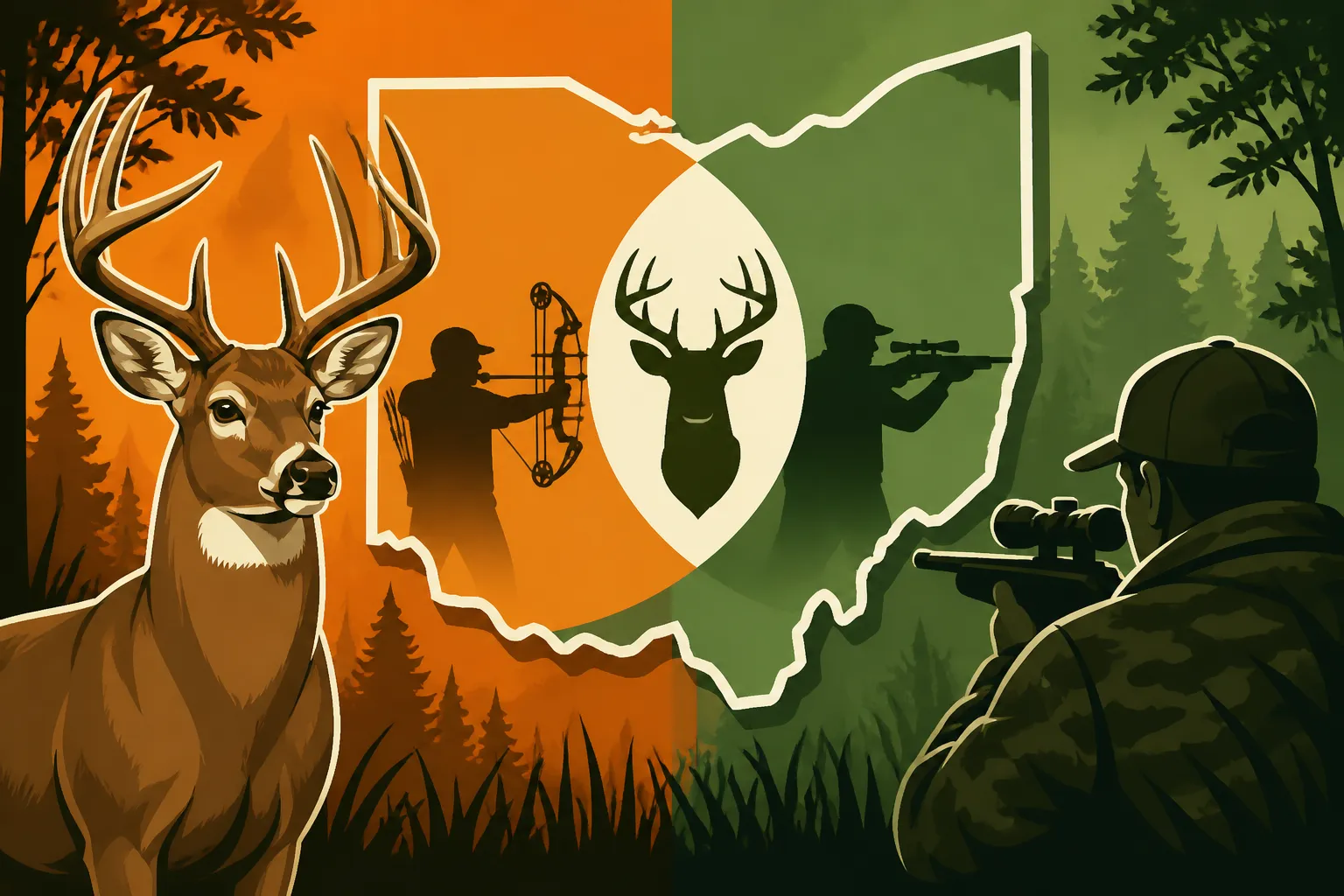
The most significant overlap occurs when Ohio's long archery season, which typically runs from late September into early February, meets the shorter gun deer seasons. The primary statewide gun season usually consists of two separate weekends in late November and mid-December, plus a later muzzleloader-only week in January. During these gun season dates, archery hunters are still permitted to hunt. This means you might be in your treestand with a bow, while a few ridges over, a gun hunter is looking for the same deer. It’s a dynamic period, and understanding the nuances is crucial for safety and success. For a complete picture of the dates, checking the official Ohio Deer Season Structure Explained is always a good first step.
Muzzleloader Season's Place in the Calendar
The muzzleloader season, usually a week-long affair in early January, also overlaps with the tail end of the archery season. By this point, the weather is often colder, and deer patterns have shifted significantly. The rules for Muzzleloader Deer Hunting in Ohio are specific, and while archery hunters can still be out there, the blaze orange requirements typically extend to all hunters during this dedicated period, even if you’re wielding a bow. It truly drives home the importance of knowing who else is in the woods and what safety precautions are mandated.
Early Gun Season in the CWD Surveillance Area
Another specific overlap worth noting is the early gun season that occurs in Ohio's Chronic Wasting Disease (CWD) Surveillance Area (DSA). This unique season, often held a week or two before the statewide gun opener, is a targeted management effort. Hunters in these specific counties have an additional opportunity to harvest deer using firearms. This creates an earlier intersection of archery and gun hunting, albeit in a geographically restricted zone. Hunters in these areas need to be particularly diligent about checking local regulations and understanding any additional Mandatory CWD Testing Windows in the DSA or carcass movement restrictions that apply. The Ohio Department of Natural Resources (ODNR) website and resources like GoHunt often provide real-time updates on these nuanced regulations.
Rules and Safety During Overlap Periods
Hunting during overlapping seasons demands extra vigilance and adherence to specific safety rules. It's not just about knowing when you can hunt, but how you must hunt to ensure everyone's safety. Ignoring these can lead to serious consequences, both legally and in the field.
Mandatory Blaze Orange Requirements
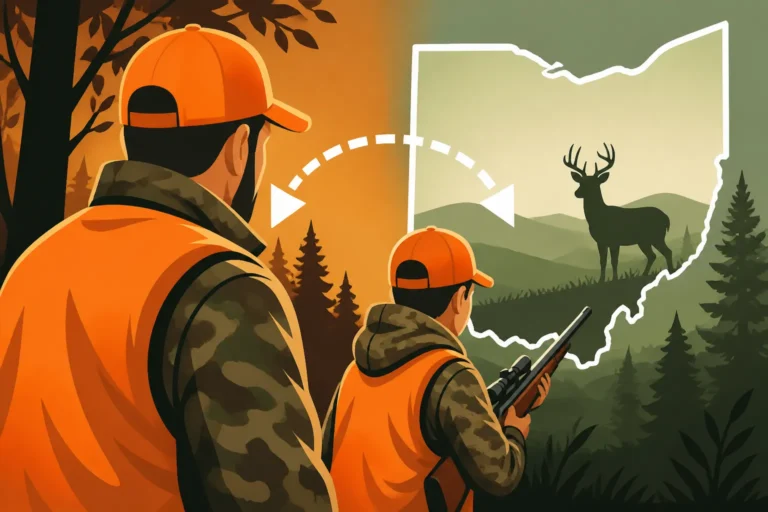
Perhaps the most critical rule during any firearm deer season in Ohio is the mandatory blaze orange requirement. This isn't just a suggestion; it's law. During the statewide gun deer season, the youth gun weekend, and the muzzleloader season, all deer hunters, regardless of their chosen weapon, must wear hunter orange. This typically means a minimum of 500 square inches of solid hunter orange or camouflage hunter orange visible from all sides. This includes a hat.
Think about it this way: even if you’re bowhunting during the gun season, that blaze orange makes you visible to a gun hunter who might not be expecting a bowhunter in their vicinity. It’s a non-negotiable safety measure that significantly reduces the risk of accidents. It’s also wise to educate yourself on Ohio Blaze Orange Requirements for specific details, as rules can sometimes have slight adjustments year to year. Even if you're deep in the woods, far from any perceived gun hunter, that orange could be the difference between a safe hunt and a regrettable incident.
Legal Weapons During Overlap
The question of what weapon you can legally use during overlapping seasons is straightforward but often misunderstood. During the statewide gun deer season and the muzzleloader season, you can use any legal deer hunting weapon permitted in Ohio for that specific timeframe. This means if you have a valid deer tag, you can hunt with a straight-wall cartridge rifle, a shotgun slug gun, or a muzzleloader, in addition to archery equipment like a vertical bow or crossbow. However, the catch is you must adhere to the weapon-specific regulations, such as Ohio Legal Firearms for Deer Hunting and caliber restrictions.
For example, during the gun season, you can hunt with a .450 Bushmaster straight-wall rifle. But you could also choose to hunt with your crossbow. The key is that if a gun season is open, firearms are permitted. If you are bowhunting, you are still bound by archery-specific rules when it comes to what constitutes a legal archery setup, but you must also comply with the general safety rules for the open firearm season. It's a "both/and" situation, not "either/or," concerning permissible weapons, but always "both/and" when it comes to safety protocols like blaze orange.
Strategies for Hunting During Overlap Periods
Navigating overlapping deer seasons isn't just about following rules; it's about adapting your hunting strategy to the increased pressure and changed deer behavior. Success often hinges on understanding how deer react to disturbance and finding ways to capitalize on those movements.
Adapting to Increased Hunter Pressure
When the gun seasons kick off, public lands and even private tracts that allow multiple hunters can see a significant influx of activity. This isn't necessarily a bad thing, but it will change how deer behave. Suddenly, those mature bucks that were moving predictably during early archery season might become largely nocturnal or retreat to the thickest, nastiest cover they can find.
A great strategy during these times is to focus on areas that other hunters might overlook or deem too difficult to access. This could mean deep ravines, thick briar patches, or swampy areas that are a pain to walk through. Deer often seek refuge in these places when pressure mounts. Using an app like GoHunt to scout aerial photos and topo maps can help you identify these pockets of sanctuary. Consider hunting mid-day; many gun hunters are out at dawn and dusk, but deer might be pushed into movement by other hunters during the late morning or early afternoon. A productive deep dive into Hunting Pressure on Ohio Public Land could provide invaluable insights into finding those less-pressured areas.
Utilizing Deer Drives and Push Tactics
Overlapping gun seasons are often a prime time for small, organized deer drives, especially on public land. When several hunters are legally carrying firearms, they can work together to push deer from thickets or woodlots towards standers positioned strategically. This is a tactic that's generally not feasible or safe during archery-only periods. Effective Deer Drives With Three or Four Hunters requires careful planning, clear communication, and a strong emphasis on safety protocols, including knowing where every hunter is at all times.
For individual hunters, the increased movement from other hunters can still be an advantage. Instead of solely focusing on classic feeding and bedding patterns, think about escape routes. Where will deer run when they hear shots or encounter other hunters? Setting up along these natural funnels, pinch points, or thick creek bottoms can put you in a prime position to intercept a deer on the move. Sometimes, simply finding a good vantage point to watch and listen can pay off, as deer driven by others might present an unexpected shot opportunity.
Locating Late-Season Food Sources
As the calendar turns deeper into winter and gun seasons continue, food sources become increasingly critical. Natural mast crops like acorns might be gone or buried under snow, forcing deer to seek out alternative sustenance. Agricultural fields, particularly standing corn or soybeans that haven't been harvested yet, become major draws. Clearcuts with new browse, honeysuckle thickets, or even abandoned orchards can provide vital nutrition.
Understanding Late-Season Food Sources for Ohio Whitetails is paramount. During the muzzleloader season in January, when temperatures can drop significantly, deer will be prioritizing calories. A hunter who has scouted and identified these crucial late-season food plots or natural browse areas will have a distinct advantage. Pair this knowledge with a Cold-Weather Sitting Strategy in Ohio to ensure you can stay on stand long enough to capitalize when deer finally move. A good hunting app, like those offered by GoHunt, can help you overlay public land boundaries with satellite imagery to pinpoint potential food sources and plan access routes.
Practical Considerations for Overlap Hunting
Beyond the rules and strategies, there are several practical aspects that every hunter should consider when heading out during Ohio's overlapping deer seasons. These often involve preparedness for varying conditions and specific gear choices.
Gear Adjustments for Mixed Seasons
When hunting during overlapping seasons, your gear might need some adjustments. For instance, if you're primarily an archery hunter, you're used to wearing camouflage. But during gun season, you'll need to layer that mandatory blaze orange over your camo. This can mean a vest, jacket, or even a full suit in blaze orange. It’s also wise to consider the footwear. The late fall and early winter can bring anything from muddy conditions to heavy snow, so waterproof, insulated boots are a must.
For those considering switching between weapons, ensure your firearms are properly sighted in and your archery equipment is dialed in. There's nothing worse than getting an opportunity and realizing your gear isn't ready. Carrying a rangefinder, even for what you might think are short shots in thick timber, can be invaluable during these dynamic periods where deer might be moving quickly. While not always required, having a GPS unit or using a reliable mapping app on your phone (downloading offline maps is key for areas with poor cell service) is also highly recommended, especially when exploring new ground or pushing deer.
Planning for Post-Harvest and Tracking
The increase in hunting pressure during gun season means deer often move to thicker cover, making tracking a downed animal more challenging. If you make a shot, take your time before pursuing. With other hunters around, disturbing a deer too soon could push it onto another hunter's property or into an even denser area. Marking your last point of sign and giving the deer ample time is crucial.
Furthermore, consider how you'll get a deer out of the woods. During gun season, the ground might be frozen, muddy, or even covered in snow. Having a deer cart, sled, or knowing the route to retrieve a deer with minimal disturbance to other hunters can make a huge difference. If you're hunting in areas with steep terrain, understanding how to safely retrieve an animal, potentially using a drag system or even multiple people, is paramount. Learning about Tracking a Deer in Fresh Ohio Snow or even Blood Trailing After Dark in Ohio can be valuable skills when conditions are challenging. Always have a plan for field dressing and transporting your harvest, especially if you're in a county within the CWD Surveillance Area, where specific rules for Handling Venison From a DSA County Safely might apply. Resources from ODNR or detailed guides found via GoHunt can assist with preparation.
Staying Informed and Respectful
The Ohio Department of Natural Resources (ODNR) is the authoritative source for all hunting regulations. Always consult their current hunting regulations digest before heading into the field. Regulations can change annually, and staying informed is your responsibility as a hunter. This includes specific dates for Ohio Regular Gun Season First Weekend and Ohio Regular Gun Season Second Weekend, as well as any other temporary restrictions or rules.
Beyond regulations, remember the spirit of respectful hunting. During overlapping seasons, you're likely sharing the woods with others. Be mindful of their presence, give them space, and avoid actions that could disrupt their hunt. A simple gesture of respect, like not walking directly into an area where you see another hunter's vehicle parked, goes a long way. Safety is everyone's responsibility, and clear communication (when appropriate) can prevent misunderstandings and ensure a positive experience for all.
| Season Type | Dates (General) | Legal Weapons | Blaze Orange Required | Primary Overlap | Key Consideration |
|---|---|---|---|---|---|
| Archery | Late Sep – Early Feb | Bow, Crossbow | No (unless gun season open) | Gun, Muzzleloader | Longest season, high overlap |
| Gun (1st Weekend) | Late Nov (Sat-Sun) | Firearms, Bow, Crossbow | Yes (All Hunters) | Archery | High hunter pressure |
| Gun (2nd Weekend) | Mid-Dec (Sat-Sun) | Firearms, Bow, Crossbow | Yes (All Hunters) | Archery | Cooler weather, deer seeking refuge |
| Muzzleloader | Early Jan (1 Week) | Muzzleloader, Bow, Crossbow | Yes (All Hunters) | Archery | Coldest weather, specific weapon type |
| Youth Gun Weekend | Mid-Nov (Sat-Sun) | Firearms, Bow, Crossbow | Yes (All Hunters) | Archery | Youth focus, earlier gun pressure |
Disclaimer: Hunting regulations, including season dates and specific rules, can change. Always refer to the official Ohio Department of Natural Resources (ODNR) hunting regulations for the current year before engaging in any hunting activities. This article is for informational purposes only and does not supersede official regulations.