Ohio Spring Turkey Bag Limit
The excitement of spring turkey season in Ohio is palpable, but nothing can dampen spirits quicker than confusion over hunting regulations, especially when it comes to how many gobblers you can actually take home. Many seasoned hunters and newcomers alike find themselves scratching their heads, trying to decipher the rules before heading out into the woods. This guide is here to clear up all the nuances of Ohio's spring turkey bag limit, ensuring you're fully prepared and compliant for a successful and enjoyable hunt across the Buckeye State.
Understanding Ohio's Spring Turkey Bag Limit
When that first gobble echoes through the timber, it’s a sound that electrifies every turkey hunter’s soul. But before you get too carried away planning your strategies, it’s absolutely crucial to understand the legal limits on your harvest. Ohio’s spring turkey season is designed to provide ample opportunity while also ensuring the long-term health and sustainability of our wild turkey populations. It's a careful balance, and sticking to the rules is paramount for everyone.
The Statewide Gobbler Limit
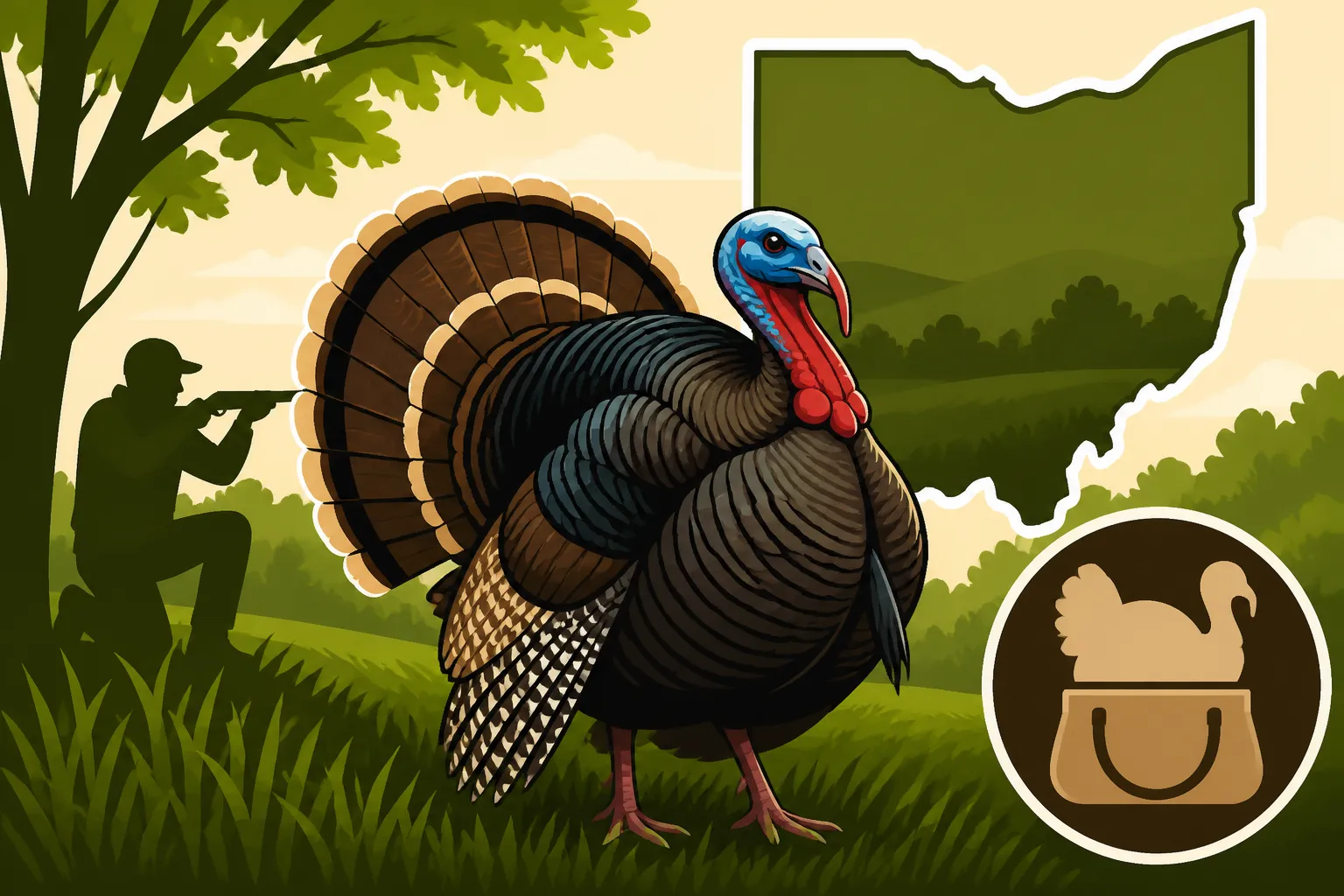
Let's cut right to the chase: in Ohio, during the regular spring wild turkey season, the statewide bag limit is two bearded turkeys. This means you can legally harvest a maximum of two gobblers (male turkeys) over the entire spring season. This limit applies to all hunters, regardless of whether you're a resident or non-resident, and it encompasses all designated hunting zones across the state. It's not one per week, or one per zone; it's two for the entire season.
This limit is pretty straightforward, but where folks sometimes get confused is thinking it means two per permit. That's not how it works. You buy one wild turkey permit, and that permit allows you to harvest up to two bearded turkeys during the spring season. You don't need a separate permit for each bird. Knowing the specific rules around your permit and what it covers is important, and you can learn more by looking into the details on the Ohio Spring Turkey Permit Cost to ensure you're squared away before opening day.
The two-bearded-turkey limit is a conservation measure, but it's also a testament to Ohio's healthy turkey population. We're lucky to have such robust numbers that allow for a generous limit, giving hunters ample chances to fill their tags. The goal is to provide a rewarding experience while still allowing enough birds to reproduce and maintain population levels for future generations.
Special Youth Season Considerations
Ohio is fantastic about getting the next generation into the woods, and the youth spring turkey season is a perfect example of that commitment. For young hunters, the bag limit structure for spring turkey is very similar to the regular season, with a key difference in timing. The statewide limit of two bearded turkeys still applies to youth hunters. However, they get a special weekend, typically a week or so before the regular season opener, to get out there with a mentor.
During this dedicated youth weekend, young hunters can take one bearded turkey. If they're successful and fill that tag, they still have the opportunity to harvest a second bearded turkey during the regular statewide season. It's a great way to give them an early chance, often with less pressure, to learn the ropes and experience the thrill of a spring gobbler hunt. Just imagine the pride of a youngster calling in their first bird with a seasoned mentor by their side!
Mentors play a critical role during the youth season, guiding young hunters not only in technique but also in understanding and respecting wildlife regulations. It's a fantastic opportunity to teach them about ethical hunting and the importance of adhering to bag limits. Resources like the Ohio Youth and Senior License Discounts can help families plan for these special hunts, making sure everything is in order for a memorable experience.
Why the Limit is Structured This Way
The Ohio Department of Natural Resources (ODNR) doesn't just pull these numbers out of a hat. The two-bearded-turkey limit is based on extensive biological research, population surveys, and harvest data collected year after year. Their primary goal is to manage the wild turkey population sustainably, ensuring there are plenty of birds for everyone to enjoy, both hunters and wildlife watchers, for years to come.
Wild turkeys are quite prolific, and a harvest of two bearded gobblers per hunter has proven to be sustainable for Ohio's turkey population. Hens are the primary drivers of population growth, and since only bearded birds (which are almost exclusively males) can be harvested in the spring, the reproductive potential of the flock remains largely unaffected. This careful management helps ensure that even with thousands of hunters pursuing turkeys each spring, the overall population remains robust. You can get a sense of the health of the flock by looking at the Ohio Turkey Population Estimate which is updated regularly by the ODNR.
Furthermore, allowing two birds gives hunters a reasonable challenge and extended opportunity. Many hunters enjoy the process of scouting, calling, and outsmarting a wily gobbler, and having a second tag often encourages more time in the woods. It also accounts for the reality that not every hunt is successful, and it takes time and effort to secure even one bird, let alone two. It's a generous limit that respects both the hunter's pursuit and the conservation of the species.
Navigating Ohio's Turkey Zones and Their Impact
While the bag limit itself is statewide, Ohio does divide its spring turkey season into two distinct zones. This can sometimes cause confusion, as hunters might mistakenly think the bag limit changes between zones. Rest assured, it doesn't; it's still two bearded turkeys. However, understanding these zones is critical because they dictate when you can hunt, and that absolutely impacts your overall strategy and opportunities to fill those two tags.
South Zone Versus Northeast Zone Dates
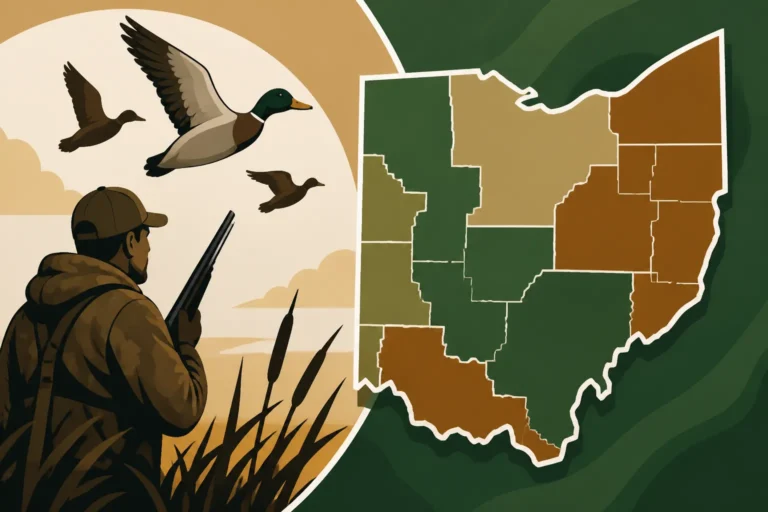
Ohio has historically divided the state into two zones for spring turkey hunting: the South Zone and the Northeast Zone. The reason for this split is primarily ecological, accounting for differences in spring green-up, weather patterns, and turkey breeding cycles across the state. Typically, the South Zone, which covers the majority of Ohio's counties, opens earlier, often by a week. The Northeast Zone then opens later, giving those northern birds a bit more time to engage in their breeding rituals before hunters hit the woods.
Knowing which zone your hunting grounds fall into is non-negotiable for planning your spring hunt. If you live in a county like Scioto, you're in the South Zone, and your season will kick off earlier. If you're heading up to Ashtabula County, you'll be in the Northeast Zone, and your start date will be later. This staggered opening can be an advantage for dedicated hunters who might split their time, perhaps Hunting Ohio's South Zone Spring Opener and then shifting their focus to the Northeast Zone as that season begins. Always check the official ODNR regulations each year, as exact dates can shift slightly.
The key takeaway here is that while the dates differ, the two-bearded-turkey limit remains constant across both zones. You're not allowed two birds in the South Zone and two birds in the Northeast Zone. It's two for the entire spring, regardless of where in Ohio you harvest them. Planning your hunting schedule with these zone dates in mind is crucial for maximizing your chances within the established limit.
How Zone Changes Affect Planning
For many hunters, the zone structure allows for strategic planning. If you have access to land in both zones, or if you're willing to travel, you can essentially extend your hunting opportunities. Imagine taking your first bird in the southern hills during the early opener, then a week later, relocating to the farmlands of northeast Ohio to pursue your second gobbler. This is a common tactic for those who truly live and breathe turkey hunting.
It's also important to remember that these zone lines can influence bird behavior. Turkeys in the South Zone might be further along in their breeding cycle by opening day, potentially making calling tactics like aggressive gobbling or soft clucks more effective at different times. In contrast, birds in the Northeast Zone, with their later opener, might respond differently to calls depending on whether they're still grouped up or have broken into smaller breeding units. Using a tool like GoHunt can help you visualize these zone boundaries in relation to public lands or your private hunting spots, making logistical planning much simpler.
Before committing to a multi-zone strategy, however, be sure to confirm the exact Ohio Spring Turkey Zones and Dates for the current year. Regulations are public, and a quick check can save a lot of headaches. It's all about being informed and adaptable, two traits that serve any turkey hunter well. The varying conditions between the zones can also lead to different types of hunting experiences, from calling an Ohio gobbler off the roost in a dense woodlot to working a field edge for a strutting tom.
Key Regulations Beyond Just the Bag Limit
While knowing your two-bearded-turkey bag limit is paramount, there are several other critical regulations that every Ohio spring turkey hunter must be aware of. Overlooking these details can lead to fines, loss of hunting privileges, and a generally miserable experience, so it's best to be informed and stay compliant. Hunting responsibly means understanding the whole picture, not just how many birds you can take.
Permitted Hunting Methods and Equipment
Ohio has specific rules about what you can and cannot use to harvest a spring turkey. For firearms, shotguns are the primary weapon of choice, and they must be 10-gauge or smaller, using shot sizes no larger than number 4. That means no buckshot, no slugs, and certainly no rifle cartridges. The idea is to ensure a humane kill at reasonable turkey hunting ranges while preventing over-harvest or accidental injury to other wildlife. If you're pondering Turkey Shotguns and Chokes, you'll find plenty of options, but always within these guidelines.
Archery equipment, including traditional bows, compound bows, and crossbows, is also legal. If you're using a bow, arrows must be tipped with a broadhead. No exploding heads or barbed points are permitted. For crossbows, make sure you're familiar with Crossbows Under Ohio Rules for spring turkey, as there are specific draw weight and safety mechanism requirements.
One of the most common questions revolves around decoys. Yes, decoys are legal for spring turkey hunting in Ohio. Many hunters find them incredibly effective for drawing in wary gobblers. However, it's illegal to hunt wild turkeys using an electronic calling device. All calls must be manual, simulating the natural sounds of turkeys. This keeps the challenge and tradition alive, requiring hunters to master the art of calling with slate, box, or mouth calls.
Checking and Reporting Your Harvest
This is one of the most critical steps after a successful hunt, and it's where many new hunters can trip up. In Ohio, all harvested wild turkeys must be checked in by 11:30 p.m. on the day of the kill. No exceptions. This isn't just a formality; it's how the ODNR collects vital data on harvest rates, population health, and disease surveillance. Failing to check your bird in can result in a fine.
There are a few ways to check your turkey:
- Online: The quickest and easiest method for most hunters is to use the Ohio Game Check system on the ODNR's website. You'll need your customer ID and the date, time, and county of harvest.
- Phone: You can also call a toll-free number to report your harvest. This is a good backup if you're in an area with poor internet service.
- App: The HuntFish OH mobile app also provides a convenient way to check your game directly from your smartphone.
When checking your bird, you'll be issued a confirmation number. This number is your proof of legal harvest and must remain with the turkey until it's processed. It's a good idea to write it on a piece of paper and tuck it into a zip-top bag to keep with the bird. For more detailed information, looking up the Ohio Deer Checking and Reporting Rules can give you an idea of the similar processes involved for big game.
Ohio Spring Turkey Harvest Check-In Summary
| Bag Limit | Two bearded turkeys per hunter, statewide, for the entire spring season. |
|---|---|
| Youth Season | Youth hunters can take one bearded turkey during the special youth weekend, and a second during the regular season. |
| Check-In Deadline | By 11:30 p.m. on the day of harvest. |
| Check-In Methods | Online (ODNR website), Phone (toll-free number), or HuntFish OH mobile app. |
| Required Information | Customer ID, date, time, and county of harvest. You'll receive a confirmation number that must stay with the bird until processed. |
| Legal Weapons (Shotgun) | 10-gauge or smaller, using shot sizes #4 or smaller. No buckshot or slugs. |
| Legal Weapons (Archery) | Compound, recurve, or longbow with broadheads. Crossbows also permitted under specific rules. |
| Calling Devices | Manual calls only. Electronic calling devices are illegal. |
| Decoys | Legal to use. |
Legal Hunting Hours and Safety Considerations
Spring turkey hunting in Ohio has specific legal shooting hours that hunters must adhere to. Generally, these hours are from 30 minutes before sunrise until noon during the early part of the season, and then they extend later in the day, typically until sunset, during the latter weeks. This change in hours is critical to note, as being in the woods before or after legal shooting times, even without a turkey, can lead to violations. Always verify the exact legal shooting hours for the current year in the Ohio hunting regulations digest, which you can often access via the Scouting With the Ohio HuntFish App.
Safety is always paramount, especially during turkey season. With hunters often wearing camouflage and mimicking turkey sounds, it's easy for accidents to happen if proper precautions aren't taken. Here are a few key safety rules:
- Positive Identification: Never shoot at a sound or movement. Positively identify your target as a legal bearded turkey and ensure no other hunters are in your line of fire.
- Avoid Red, White, and Blue: These colors are often found on wild turkeys. Avoid wearing them, especially a red, white, or blue hat, as another hunter might mistake you for a gobbler. Blaze orange is not required for spring turkey hunting, but some hunters choose to wear a small amount when entering or exiting the woods.
- Back Against a Tree: Always set up with a tree wider than your shoulders and taller than your head behind you. This protects you from a hunter approaching from the rear.
- Assume Every Sound is a Hunter: Be cautious and vigilant. If you hear another hunter calling, move to a safe location or clearly identify yourself by voice.
- Unload Your Firearm: Unload your shotgun or uncock your crossbow when crossing fences, difficult terrain, or entering/exiting your vehicle.
By following these simple safety guidelines and respecting the legal hunting hours, you can ensure a safer and more enjoyable experience in the Ohio woods. The goal is to fill your tags and make it home safely, sharing those stories for years to come.
Maximizing Your Spring Turkey Success Within Limits
So you know the bag limit is two bearded turkeys, and you understand the general regulations. Now, let’s talk strategy. Filling even one tag can be a challenge, let alone two, especially with Ohio’s smart, wary birds. But with the right approach and a deep understanding of turkey behavior, you can increase your odds significantly. It's about working smarter, not just harder.
Scouting and Strategy for Two Gobblers
To consistently fill both your tags, scouting is absolutely non-negotiable. This means spending time in the woods before the season even opens. Look for signs of turkeys: tracks, droppings, dusting bowls, and shed feathers. More importantly, listen for gobbling at dawn and dusk. Locating roosting areas is key. Knowing where birds spend the night gives you a massive advantage on opening morning. Using aerial maps, perhaps from a subscription service like GoHunt, can help you identify potential roosting cover, likely travel corridors, and open fields where birds might strut.
Once you’ve found turkeys, the real strategy begins. For your first bird, many hunters prefer to target a specific gobbler they've roosted or heard consistently. This might involve an early morning setup near the roost, attempting to call him down. If that doesn't work, switching to "run-and-gun" tactics, as described in Run-and-Gun Turkey Tactics on Public Land, can be effective, moving through the woods, calling, and listening for a response.
For the second bird, you might consider a change of scenery or a different tactic. If your first bird came from an aggressive setup near a roost, perhaps your second bird could be taken later in the morning from a more patient, ambush-style hunt near a food source or strutting zone. Understanding When Ohio Gobblers Go Quiet in Late May can also influence your late-season strategy, often requiring more patience and different calling sequences. The key is to be adaptable and not rely on the same approach for both birds, especially if you're hunting pressured public land.
Ethical Hunting Practices and Conservation
Beyond the legal limits, ethical hunting practices are fundamental to our sport. This includes ensuring a quick, humane kill, minimizing disturbance to wildlife and their habitat, and retrieving all game. A clean, ethical shot isn’t just about making the harvest; it's about respecting the animal and upholding the values of hunting. Practice with your shotgun or bow often to ensure you're proficient at typical turkey hunting ranges. Knowing your effective range is crucial.
Conservation, as mentioned earlier, is the backbone of hunting. The bag limit, zoning, and reporting requirements are all part of a larger conservation effort by the ODNR to manage Ohio's wildlife. By adhering to these regulations, you're directly contributing to the health and abundance of future turkey populations. Consider joining a conservation group like the National Wild Turkey Federation (NWTF). They do incredible work in habitat improvement and promoting ethical hunting.
Another aspect of ethical hunting is respecting other hunters and landowners. If you're on public land, be mindful of others. Give them space, avoid sky-busting or over-calling in areas where others are hunting, and never interfere with another hunter's setup. If you're hunting private land, always secure permission beforehand and leave the property in better condition than you found it. This helps foster positive relationships and ensures continued access for future generations. Knowing Hunting Pressure on Ohio Public Land can help you make more considerate choices.
Ultimately, filling your two tags in Ohio is a rewarding challenge that combines skill, patience, and a deep appreciation for the outdoors. By understanding and respecting the bag limit and all other regulations, you ensure not only a successful hunt for yourself but also contribute to the lasting legacy of wild turkeys in the Buckeye State.
Disclaimer
Please remember that hunting regulations can change annually. While this guide provides comprehensive information based on current regulations, it is always your responsibility to consult the official Ohio Department of Natural Resources (ODNR) hunting regulations digest for the most up-to-date and complete rules before heading into the field. This article is for informational purposes only and should not be considered legal advice.