When Ohio’s South Zone Turkey Season Opens
Oh, the anticipation for spring turkey season in Ohio! It’s a feeling every gobbler hunter knows well: that restless energy, the constant checking of weather forecasts, and the endless daydreaming of a thunderous gobble echoing through the timber. But one of the most common head-scratchers, especially for those new to Ohio or just trying to keep all the dates straight, is figuring out exactly when Ohio's South Zone turkey season opens. It’s not always as straightforward as you’d hope, with different zones and youth weekends, but don’t you worry, we’re going to break it all down for you right here, so you're ready when that first gobbler starts sounding off.
Understanding Ohio's Turkey Zones and Opening Dates
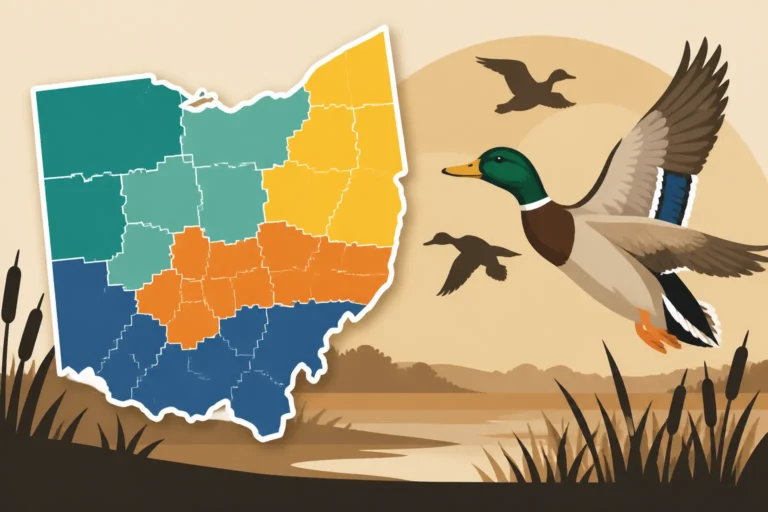
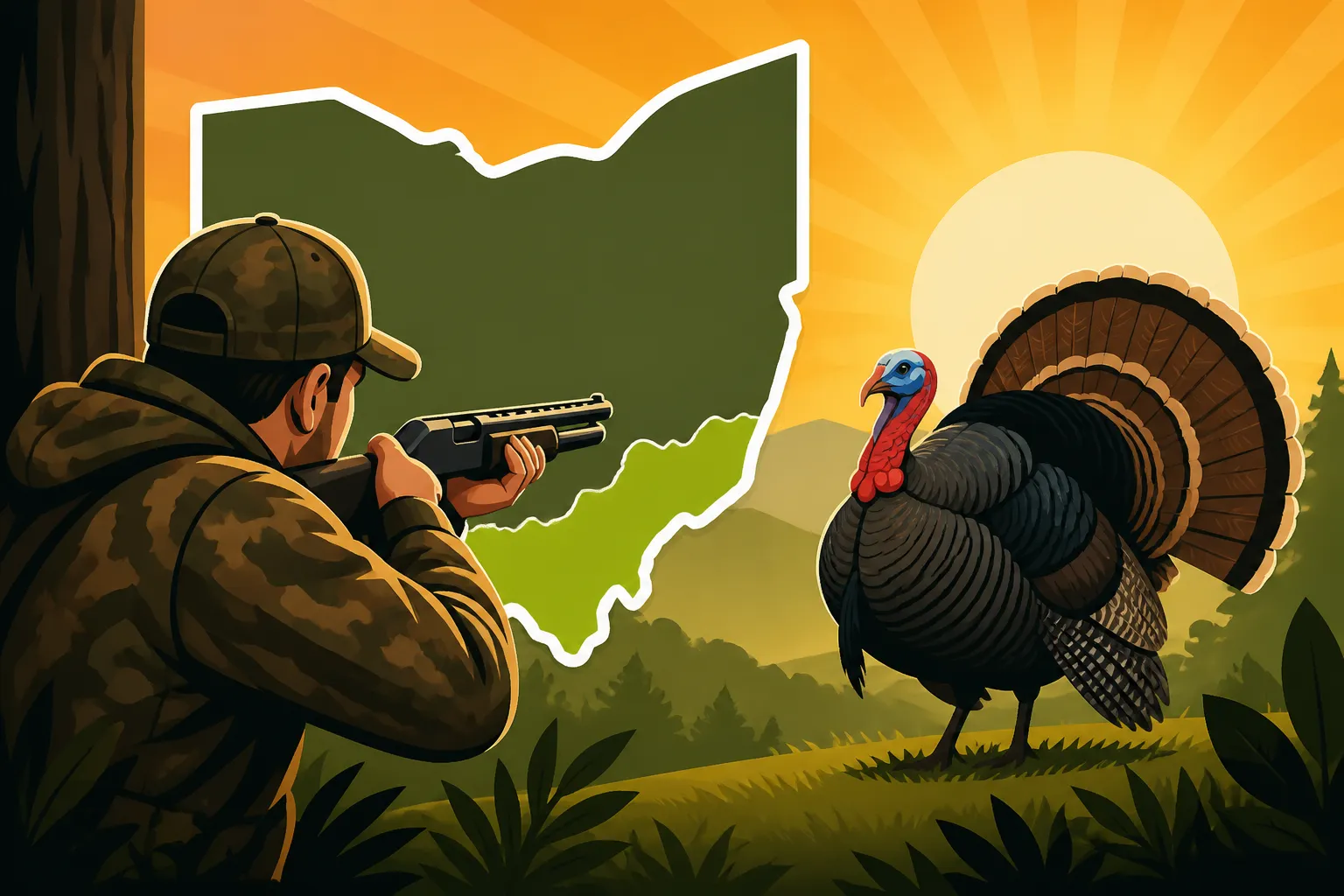
Ohio isn't a one-size-fits-all state when it comes to spring turkey season. We've got two distinct zones – the South Zone and the Northeast Zone – and knowing which one you're hunting in is absolutely crucial for planning your trips and avoiding any unwelcome surprises from the game warden. It can definitely feel a bit confusing at first, especially if you're used to states with a single statewide opener, but there's a good reason behind it.
Why Ohio Has Different Zones
The Ohio Department of Natural Resources (ODNR) divides the state into these two zones primarily due to ecological differences, particularly related to how spring arrives across the state and how quickly turkeys respond to those changes. Our southern counties, closer to the Ohio River Valley, typically experience an earlier spring green-up and warmer temperatures compared to the more northern and eastern parts of the state. This means that turkeys in the South Zone often begin their breeding cycles a bit sooner.
By having separate zones, the ODNR can better manage hunting pressure and ensure that hunters are targeting gobblers during a time when breeding activity is well underway, but before hens are too far along in their nesting. It’s all about sustainable management and giving those birds the best chance to reproduce successfully, while also providing ample opportunity for hunters. It's an intricate dance between biology and recreation, and frankly, it often leads to some fantastic early-season action if you're in the right place at the right time. For a deeper dive into the overall structure, check out our guide on the Ohio Spring Turkey Zones and Dates.
Exact South Zone Opening Day
Alright, let's get to the brass tacks! For the regular spring turkey season, Ohio's South Zone typically opens on the Monday following the youth-only weekend in late April. While the exact date shifts slightly each year, it consistently falls in that late April timeframe. For instance, in recent seasons, this has meant the opening day usually lands around April 22nd to April 25th.
It's absolutely essential to check the current year's Ohio Hunting and Trapping Regulations booklet or the ODNR's official website for the precise date before you head out. These dates are finalized annually, and you don't want to miss it or, worse, hunt on the wrong day. That early opener in the south means you often get to chase gobblers when they're still feeling pretty frisky and haven't seen too much pressure from other hunters yet, making for some exciting early mornings.
Youth Season in the South Zone
Before the regular spring turkey season kicks off for everyone else, Ohio offers a special youth-only hunting weekend. This is a fantastic opportunity for young hunters (ages 17 and under) to get out into the woods with a mentor and experience the thrill of turkey hunting without the added pressure of a crowded opening day.
This youth weekend usually takes place on the Saturday and Sunday immediately preceding the regular South Zone opener. So, if the South Zone opens on a Monday in late April, the youth weekend would be that preceding Saturday and Sunday. It’s a great way to introduce kids to ethical hunting practices and the magic of a spring morning afield. Mentors must be licensed but generally can't harvest a bird themselves during the youth weekend. Always double-check the specific rules for the Ohio Youth Gun Weekend Dates to ensure compliance and a safe, enjoyable experience for the young hunters.
What to Expect in the South Zone Early Season
Hunting the South Zone opener can be a truly unique experience. You're often catching the birds right as they're hitting peak breeding activity, and the landscape is just bursting with new life. However, it also comes with its own set of challenges and considerations that seasoned hunters learn to navigate.
Gobbler Behavior and Weather Patterns
When the South Zone opens, turkeys are typically in full-swing breeding mode. Gobblers are actively seeking out hens, often gobbling aggressively from the roost and throughout the morning. This is when they're most vocal and, frankly, most vulnerable to a well-placed call. You might find them strutting in fields, along logging roads, or just about anywhere they can be seen by potential mates. They're driven by instinct, and that makes them predictable in some ways, but unpredictable in others.
However, early spring weather in Ohio can be notoriously fickle. One day it's 60 and sunny, the next it's 30 and raining, or even snowing! These sudden shifts can impact gobbler behavior significantly. A cold front or heavy rain can make birds "clam up," gobbling less frequently and becoming harder to locate. On those crisp, clear, cool mornings, though, expect a symphony of gobbles. Understanding how Wind and Thermals on an Appalachian Ridge can affect sound travel and bird movement is key, especially in the hillier southern counties. Keep a close eye on the forecast and be prepared to adapt your tactics.
Hunting Pressure and Public Land Considerations
Let's be real: opening day, no matter where you are, often brings crowds. The South Zone opener is no exception, especially on popular public lands like parts of the Wayne National Forest or Shawnee State Forest. Everyone is just as excited as you are, and that means you might hear more distant calls from other hunters than you'd like. This isn't necessarily a bad thing, but it does mean you need to be prepared.
To get away from the immediate road-access points, you'll need to do some walking. Really putting in the miles to find ground others walk past is often the key to success. Using a robust mapping app like GoHunt can help you locate these less-pressured pockets, showing you property lines, terrain features, and access points that might deter less determined hunters. Remember, a gobbler that's heard a dozen bad calls by 8 AM is going to be a lot harder to work than one that's just waking up to the sound of your yelps. Consider focusing on areas with steep terrain or thick cover that are harder to access, or scouting out smaller, overlooked woodlots on private land where you've secured permission. For a successful public land hunt, a strategy involving Run-and-Gun Turkey Tactics on Public Land can be particularly effective.
Food Sources and Habitat Focus
Early season turkeys in the South Zone are primarily focused on breeding, but food is always a factor. As spring progresses, they'll be looking for new green growth – tender shoots of grass, clover, and whatever early insects they can find. South-facing slopes will often green up first, drawing birds to these sun-drenched areas. Agricultural fields, especially those with winter wheat or clover, can be magnets for strutting gobblers trying to show off for hens.
In the timber, look for areas with mature hardwoods, particularly oak and hickory ridges, as they'll provide good roosting habitat and residual mast from the previous fall. Bottomlands and creek bottoms with a mix of cover and open areas can also be productive. Before you even step foot in the woods, a good mapping tool like GoHunt can be invaluable for identifying potential roosting spots, open fields, and promising timber blocks. Pay attention to transition areas – where a field meets the woods, or where a ridge drops into a hollow. These are natural travel corridors and often where gobblers will spend their mornings.
Essential Gear and Tactics for the Ohio South Zone Opener
Having the right gear and a solid tactical plan can make all the difference when those South Zone gobblers are sounding off. You don't need a truckload of expensive stuff, but what you do carry should be reliable and well-suited for the dynamic conditions of early spring in Ohio.
Shotguns, Chokes, and Ammunition
For spring turkey hunting in Ohio, a 12-gauge or 20-gauge shotgun is the standard. You want something that patterns tightly, as turkey hunting is often a game of precise shot placement.
- Shotguns: Most modern pump-action or semi-automatic shotguns will do the trick. Ensure it's comfortable to carry and shoulders well. Brands like Mossberg, Remington, and Benelli are popular choices.
- Chokes: A super full or extra full choke is almost universally recommended for turkey hunting to achieve the densest pattern possible at typical turkey ranges (20-40 yards). Choke tubes specifically designed for turkey hunting will significantly outperform a standard full choke.
- Ammunition: Modern turkey loads, often featuring dense shot materials like tungsten or bismuth, are designed to deliver maximum energy and pellet count downrange. While more expensive, they can drastically improve your pattern and effective range compared to traditional lead loads. Always pattern your shotgun with your chosen choke and ammunition before the season to know its capabilities. Our guide on Turkey Shotguns and Chokes has even more specific recommendations.
Calling Strategies for Responsive Gobblers
Early season gobblers in the South Zone can be very vocal, especially on the roost. This means you can often be more aggressive with your calling initially.
- Locator Calls: Start with an owl hoot or crow call before dawn to pinpoint a gobbler on the roost. This allows you to set up strategically before he flies down.
- Tree Yelps: Once you hear a gobbler on the roost, soft, subtle tree yelps can entice him to fly down in your direction. Don't overdo it.
- Aggressive Calling: After fly-down, if the gobbler is hot and responding, don't be afraid to hit him with some excited yelps, cuts, and clucks. Mimicking a demanding hen can often be enough to pull a love-sick tom your way.
- Adaptation: As the morning progresses and especially if you're dealing with pressured birds, scale back your calling. Sometimes less is more. Try soft clucks and purrs, or go completely silent, letting a decoy do the work. Understanding Calling an Ohio Gobbler Off the Roost is foundational for success.
Scouting and Setup Techniques
Pre-season scouting is paramount. Spend time walking your chosen hunting areas, listening for gobbles, and looking for sign like tracks, droppings, and strut marks. Apps like GoHunt can help you pinpoint potential roost sites, open fields, and travel corridors from home, saving you valuable time in the woods.
When you're ready to set up:
- Roost Hunting: Get to your spot well before dawn, listening for birds. Set up so you have good visibility and a clear shot lane towards where you expect the gobbler to fly down. Try to get as close as safely possible without spooking him.
- Decoys: Decoys can be incredibly effective, especially an early season gobbler that’s looking for love. A hen or jake decoy can draw a tom into range. A full strut gobbler decoy can challenge a dominant tom, but use it with caution as it can also attract other hunters. Place decoys where they're visible and within your effective shotgun range.
- Back Cover: Always set up with a tree or natural barrier behind you to break up your silhouette and protect you from potential back-shots by other hunters. Setting Up Against a Big Oak provides excellent concealment.
- Patience: Turkey hunting often requires immense patience. A gobbler might hang up just out of range, or circle wide. Resist the urge to move too soon. Sometimes waiting him out is the best strategy.
Navigating Regulations and Permits for South Zone Turkeys
Understanding the rules and regulations isn't just about avoiding a fine; it's about being a responsible, ethical hunter and contributing to the conservation efforts that make Ohio's turkey hunting so great.
Licensing and Turkey Permit Requirements
To legally hunt spring turkeys in Ohio, you'll need a few things:
- Hunting License: All hunters, resident and non-resident, must possess a valid Ohio hunting license. This is your base permit. You can find detailed information on Ohio Resident Hunting License Cost and non-resident options on the ODNR website.
- Spring Turkey Permit: In addition to your hunting license, you'll need a specific spring turkey permit. This is what allows you to harvest a turkey. The cost for this permit is separate from your general hunting license. You can typically purchase these online through the Wild Ohio customer portal or at authorized license vendors. For more specifics, check out our post on Ohio Spring Turkey Permit Cost.
- HIP Certification: If you're hunting any migratory game birds (which turkeys are), you also need to complete the Harvest Information Program (HIP) certification. It's usually a free, quick online survey when you buy your license.
Remember, Ohio offers discounts for youth and seniors, so always check if you qualify for any reduced fees. Make sure to carry proof of all required licenses and permits while hunting.
Bag Limits and Checking Your Bird
Ohio has a statewide bag limit for spring turkey season, regardless of whether you're hunting in the South or Northeast Zone.
- Bag Limit: The typical bag limit for Ohio spring turkey season is one bearded wild turkey. This means you can only harvest a gobbler (male turkey) or a hen with a beard. You cannot harvest a beardless hen.
- Checking Your Bird: This is a crucial step! All harvested turkeys must be checked in with the Ohio Division of Wildlife by noon on the day of harvest. This is vital for the ODNR to collect data on turkey populations, harvest rates, and to monitor the health of the flock. You can usually check your bird online through the Wild Ohio system, via the HuntFish OH mobile app, or by phone. Failure to check your turkey is a violation and can result in penalties. Always know the rules for Ohio Turkey Tag Transport Rules as well.
Legal Hunting Hours
Ohio has specific legal shooting hours for spring turkey season. It's generally from 30 minutes before sunrise until noon during the early part of the season. As the season progresses into May, these hours often extend until sunset. Again, always verify the exact times for the current year in the official regulations. Hunting outside of these legal hours is a serious offense. Being aware of the legal shooting hours is not just about avoiding trouble; it’s also about ensuring fair chase and responsible hunting.
Here's a quick summary of key dates and rules for the South Zone:
| Aspect | Typical South Zone Details | Important Notes |
|---|---|---|
| Youth Season | Saturday & Sunday immediately preceding the regular opener (e.g., mid-April) | Ages 17 and under, with a licensed adult mentor. Mentor cannot harvest. |
| Regular Opener | Monday following youth weekend (e.g., late April) | Check current year's ODNR regulations for exact date. |
| Bag Limit | One bearded wild turkey per hunter per season. | No beardless hens. |
| Hunting Hours | 30 minutes before sunrise until noon (early season); may extend to sunset later in season. | Always verify current year's regulations for precise times. |
| Required Permits | Ohio Hunting License + Spring Turkey Permit + HIP Certification | Purchase online or from licensed vendors. Carry proof. |
| Checking Harvest | By noon on day of harvest (online, app, phone). | Mandatory for all harvested birds. |
| Zone Rationale | Earlier spring green-up/breeding in southern counties. | Helps manage harvest pressure and optimize reproductive success. |
Disclaimer
Please remember that hunting regulations and dates can change. Always consult the official Ohio Department of Natural Resources (ODNR) hunting regulations for the most current and accurate information before planning your hunt. The information provided here is for general guidance and educational purposes only.