What an Ohio Deer Permit Actually Covers
Figuring out exactly what an Ohio deer permit entitles you to can feel like deciphering ancient texts, especially for new hunters or those crossing state lines. It’s not just a simple tag; there are layers to it, and understanding those nuances can make the difference between a successful, legal hunt and a confusing, frustrating experience. This guide will peel back those layers, breaking down precisely what an Ohio deer permit covers and how to make the most of your tags throughout the season.
The Foundation: Your Standard Ohio Deer Permit
Let's start with the basics, because this is where a lot of the initial confusion crops up. When you purchase an Ohio deer permit, it's not a blanket pass for a certain number of deer, nor is it always specific to a season or gender initially. It's a foundational document that grants you the ability to harvest one deer.
What a Standard Deer Permit Allows
At its core, a standard Ohio deer permit, often referred to as an "either-sex permit," allows you to harvest one deer. This single deer can be either an antlered buck or an antlerless doe. That’s right, one deer, your choice, during any of the legal deer seasons in Ohio – whether you’re out during archery, the firearm season, or the late muzzleloader hunt. Many hunters, especially those new to the state, incorrectly assume their initial permit is for an antlered buck only, or that it grants them multiple deer. It’s important to remember this fundamental rule: one permit, one deer.
This permit is tied to your hunting license for the current license year. So, if you're planning on Bowhunting Ohio's Long Archery Season or gearing up for Ohio's Two-Weekend Gun Deer Season, this is the permit you'll use for your first deer. Hunters often appreciate this flexibility; it means you don't have to commit to a buck or a doe before the season even starts, allowing you to react to the opportunities the woods present.
Understanding the "Either-Sex" Clause
The "either-sex" designation on your standard permit is a significant point of flexibility. It means you can use this single permit to tag the first legal deer you harvest, regardless of whether it's a magnificent buck you've been chasing all season or a doe that steps out and offers a perfect shot. This is different from some other states that might require an antlered tag versus an antlerless tag right from the start.
For Ohio hunters, this means you can hold out for that trophy buck if you choose, knowing your permit covers it. Or, if your priority is filling the freezer, you can take the first available doe. This flexibility helps manage hunting pressure and allows individual hunters to pursue their specific goals. The cost of this permit will vary based on whether you are an Ohio resident or a nonresident. You can find detailed breakdowns on the Ohio Resident Hunting License Cost and Ohio Nonresident Hunting License Cost pages.
Diving Deeper into Deer Management Permits (DMPs)
Once you understand the standard deer permit, the next layer of Ohio’s system involves Deer Management Permits, often shortened to DMPs. These are distinct from your initial "either-sex" permit and serve a very specific purpose: managing the overall deer population, particularly does.
The Role of Deer Management Permits
Ohio's wildlife management goals often involve reducing deer numbers in certain areas to alleviate crop damage, decrease deer-vehicle collisions, or promote healthier habitats. That's where DMPs come in. These are additional permits, purchased beyond your initial standard deer permit, and they are strictly for antlerless deer. They cannot, under any circumstances, be used to tag an antlered buck.
Think of DMPs as a tool the Ohio Department of Natural Resources (ODNR) uses to give hunters more opportunities to harvest does. This helps keep deer populations in check, especially in agricultural regions or areas with high deer densities. Many hunters appreciate DMPs because they allow them to harvest more venison for their families, extending their hunting season and freezer-filling opportunities. You can learn more about these specific tags by checking out Ohio Deer Management Permits.
When and Where DMPs Come into Play
DMPs are not universally available in unlimited quantities across all Ohio counties. Their availability and quantity are often determined by county-specific deer management goals. In counties where deer populations are high and additional harvest is desired, DMPs might be unlimited. In other counties with lower deer densities, DPs might be limited or not available at all. It's crucial to check the current year's hunting regulations for the specific county you plan to hunt in.
These permits become especially popular during seasons like the late archery season, or during the Ohio Muzzleloader Season Tactics in January when hunters are focused on extending their time afield and stocking up on venison. They're a fantastic resource for hunters who've already filled their primary tag and want to continue hunting or want to target more does. For instance, if you’re Hunting Northwest Ohio Farmland Deer, DMPs might be abundant given the impact deer can have on agricultural fields.
The Antlerless-Only Restriction
This point cannot be stressed enough: Deer Management Permits are for antlerless deer only. An antlerless deer is defined as any deer without antlers, or a deer with antlers less than three inches in length. This is a critical distinction, and accidentally tagging a buck with a DMP can lead to serious legal repercussions. Always double-check your tags and your target before you shoot. This rule is designed to ensure the harvest of does to manage herd size, while still allowing the primary "either-sex" permit to account for buck harvest. The rules around these specific tags are detailed in Ohio Antlerless-Only Permit Rules.
Ohio's Chronic Wasting Disease Surveillance Area (DSA) and Permit Implications
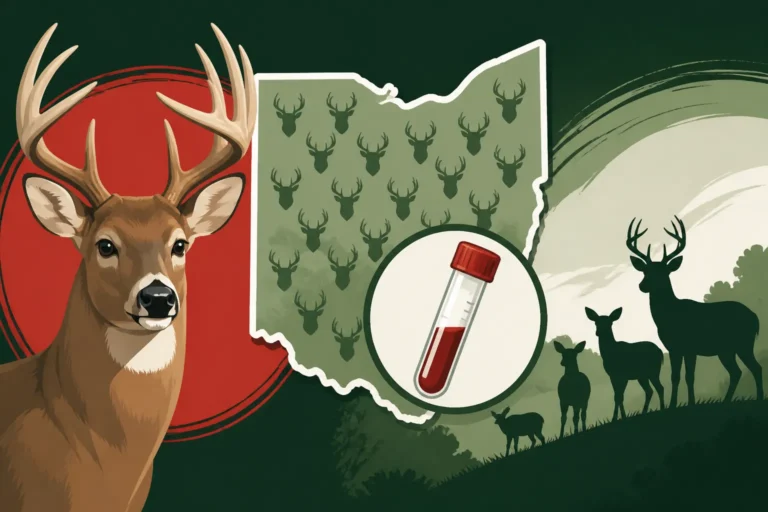
Ohio has a dedicated Chronic Wasting Disease (CWD) Surveillance Area (DSA) in certain counties, primarily focused around Wyandot County where the disease was first detected. This area has specific regulations that can affect how and when your permits are used, and what additional steps you might need to take after harvesting a deer.
Special Rules in the DSA
Hunting in the DSA means you might encounter additional requirements, especially concerning deer checking and carcass movement. While your standard and Deer Management Permits still function as described above (one deer per permit), the process after harvesting a deer can be different. Hunters in the DSA, particularly during opening weekends of firearm seasons, are often required to submit their deer for CWD testing at designated sampling stations or kiosks. This can be an added step and a frustration for hunters not used to it, but it’s vital for monitoring and containing the disease.
The ODNR implements these measures to protect Ohio's deer herd and ensure the long-term health of the ecosystem. It's not about making hunting harder, but about being responsible stewards of the wildlife. To stay informed, many hunters consult resources like GoHunt for up-to-date information on CWD regulations and testing locations within the DSA before heading out.
Early Gun Season and DSA Permits
One significant impact of the DSA on permits is the implementation of an "early gun season" specific to those counties. This special season typically occurs before the statewide gun season and is designed to increase harvest opportunities for antlerless deer in the CWD-affected areas. If you plan to hunt during this early gun season, your standard deer permit and DMPs will be applicable, but you'll be specifically targeting antlerless deer during this window.
It's a strategic move by the ODNR to help manage the deer population in the most critical areas. Understanding Why the Early Gun Season Exists in the DSA can help hunters plan their strategy. Also, be aware that mandatory testing is usually in effect during specific periods, like the Mandatory Testing on Early Gun Opening Weekend, requiring hunters to submit deer heads at check stations. This is a key difference from hunting outside the DSA and requires careful planning.
Strategic Permit Usage and Hunter Responsibilities
Navigating Ohio’s permit system effectively means more than just buying tags; it means understanding how to strategically use them to maximize your hunting experience and uphold your responsibilities as a hunter.
Maximizing Your Hunting Opportunities
Strategic use of your permits can significantly extend your time in the woods and your harvest potential. Here's a common strategy:
- Use your "Either-Sex" Permit Wisely: Many hunters will save their standard permit for an antlered buck they've been tracking, or for a prime opportunity during the rut, which often peaks around Hunting the Rut in Early November. If an antlerless deer presents itself early in the season and you're eager for venison, you can certainly use this permit on it.
- Leverage Deer Management Permits (DMPs): Once your standard permit is used, DMPs become your primary tool for harvesting additional deer (antlerless only). If you're in a county with unlimited DMPs, you can continue hunting for does throughout the season, which is excellent for filling the freezer and managing local deer numbers. This strategy is especially valuable when hunting public lands or seeking out Late-Season Food Sources for Ohio Whitetails when deer are concentrated.
- Plan Around Seasons: Consider the various seasons. During archery season, you have the flexibility to use either permit. During gun seasons, DMPs are crucial for taking additional does after your first deer. Muzzleloader season often provides a great chance to fill those remaining DMP tags.
Tools like the Ohio HuntFish App or mapping applications like GoHunt can be invaluable for researching county-specific regulations, identifying public land boundaries, and even scouting for potential hunting locations, helping you plan your permit usage.
Permit and License Validity
It's important to remember that all Ohio hunting licenses and deer permits are valid for a specific license year, which typically runs from March 1st to the end of February the following year. They do not roll over. So, if you purchase a permit in April, it's for the upcoming hunting season, not the previous one. Always check the current year’s regulations to ensure your permits are valid for the season you intend to hunt. Information on How Many Deer Permits an Ohio Hunter Can Buy is always updated annually by the ODNR.
Ohio Deer Permit Summary
To help clarify the differences, here's a quick overview of the main deer permit types in Ohio:
| Feature | Standard Deer Permit (Either-Sex) | Deer Management Permit (DMP) |
|---|---|---|
| What it Covers | One deer (antlered or antlerless) | One antlerless deer only |
| Primary Purpose | Grants initial opportunity to harvest one deer | Additional harvest to manage doe populations |
| Availability | Generally one per hunter per license year | Varies by county; often unlimited in high-density areas |
| Cost | Higher (base permit cost) | Lower than standard permit |
| Applicable Seasons | Archery, Gun, Muzzleloader | Archery, Gun, Muzzleloader (for antlerless deer) |
| DSA Considerations | May require mandatory CWD testing | May require mandatory CWD testing |
Your Responsibilities as an Ohio Deer Hunter
Beyond understanding what your permits cover, every hunter has critical responsibilities.
Checking and Reporting Your Harvest
In Ohio, it is mandatory to check in every deer harvested. This is typically done online or by phone through the Ohio Game Check system. Your permit information will be crucial for this process. This check-in process helps the ODNR gather vital data on deer harvest numbers, population trends, and herd health, which in turn informs future regulations. The deadline for checking a deer is usually 12:00 PM (noon) the day after the kill. Failing to check a deer is a violation and can result in penalties.
Knowing Local Regulations
Ohio is a diverse state, and deer regulations can vary significantly by county or even specific wildlife areas. Always consult the current Ohio Hunting and Trapping Regulations booklet or the ODNR website before you hunt. For example, some urban areas may have special archery-only seasons or restrictions. Using tools like GoHunt or the official Ohio HuntFish App allows you to quickly access up-to-date regulations for your specific location. It's your responsibility to know the rules for where you are hunting.
Understanding what an Ohio deer permit actually covers isn't just about avoiding a fine; it's about being an ethical, informed hunter who contributes to the healthy management of Ohio's fantastic deer resource.
Disclaimer
Please note: Hunting regulations are subject to change. Always consult the most current Ohio Department of Natural Resources (ODNR) hunting and trapping regulations before heading afield. This guide provides general information and should not be considered a substitute for official legal documents.