Ohio Spring Turkey Zones and Dates
There’s nothing quite like the sound of a spring gobbler hammering on the roost, making the whole woods vibrate with anticipation. But for many Ohio turkey hunters, just figuring out when and where you can actually chase those longbeards can feel like an equally challenging pursuit! With different zones and specific dates that shift slightly each year, it’s easy to get tangled up in the regulations. This guide is going to walk you through everything you need to know about Ohio's spring turkey zones and dates, breaking down the rules so you can focus on the hunt.
Demystifying Ohio's Spring Turkey Zones
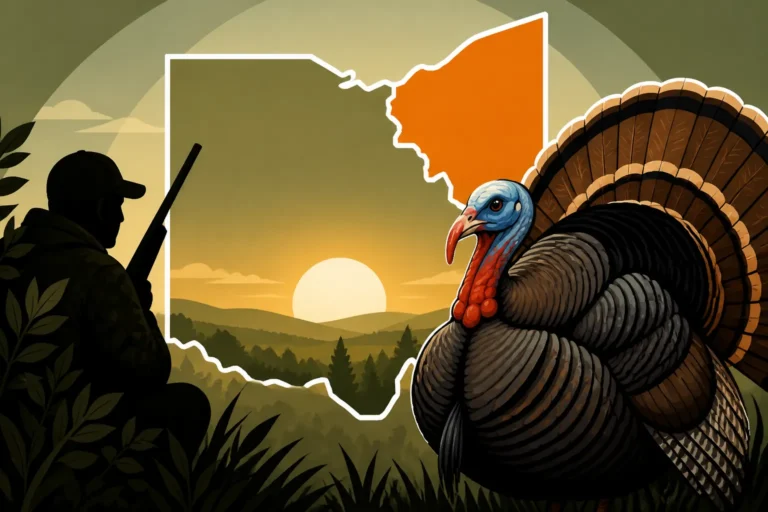
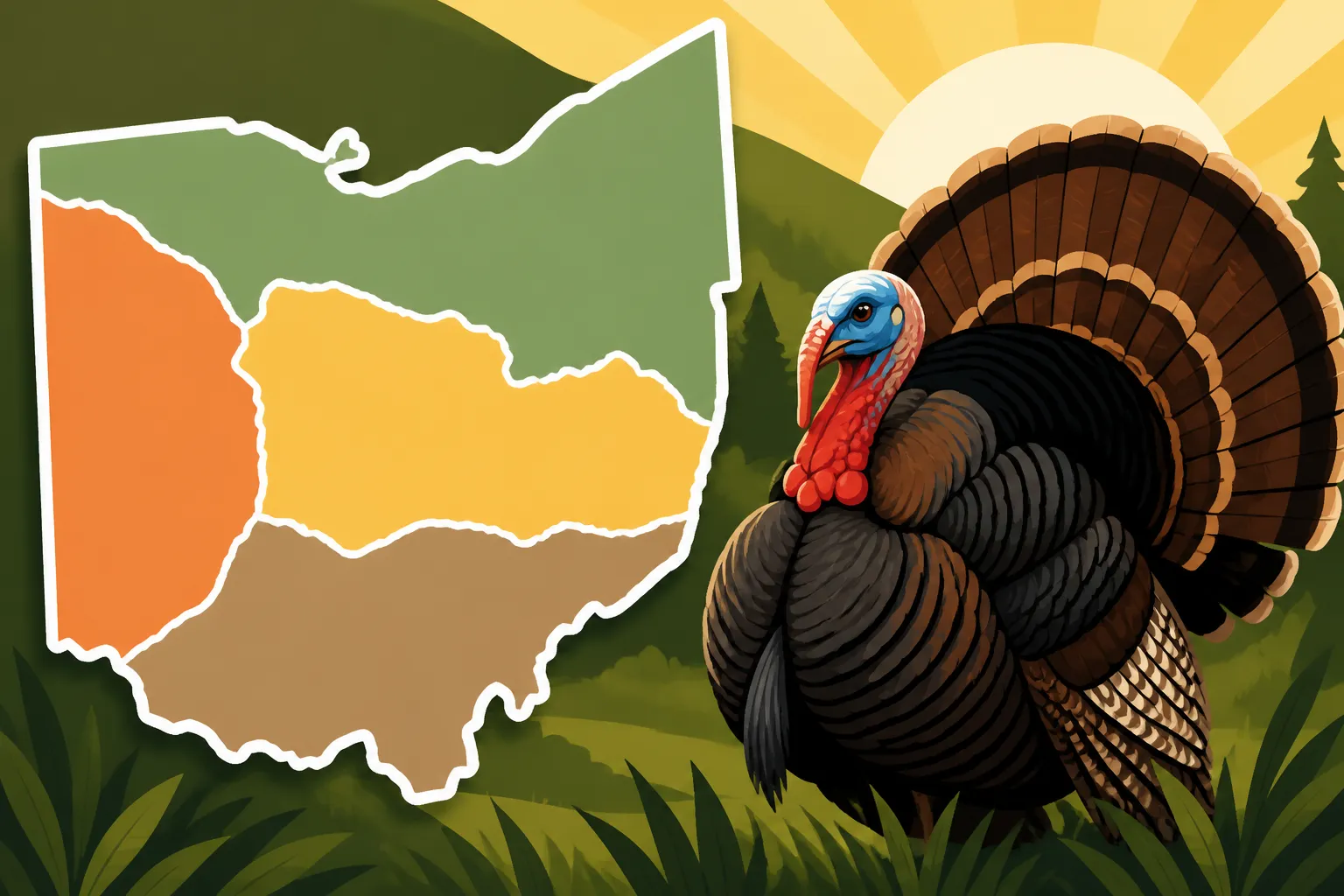
Ohio’s spring turkey season isn't a one-size-fits-all affair across the entire state, and that can certainly throw a wrench into your planning if you're not careful. Instead, the Ohio Department of Natural Resources (ODNR) divides the state into two primary zones for spring turkey hunting: the South Zone and the Northeast Zone. This zoned approach is a strategic move, designed to account for varying turkey populations, weather patterns, and the onset of breeding activity across our diverse landscapes.
The Why Behind Different Zones
The concept of hunting zones often feels like another layer of bureaucracy, but for spring turkey, it’s actually a brilliant way to manage a truly remarkable conservation success story. Think back a few decades: wild turkeys were practically non-existent in Ohio by the early 20th century, largely due to unregulated hunting and massive habitat destruction. But thanks to dedicated restoration efforts, including trap-and-transfer programs that relocated wild birds from states like Missouri and West Virginia, Ohio’s turkey population has exploded, reaching every single county in the state.
However, this recovery didn’t happen uniformly. Turkeys were reintroduced in different areas at different times, and their populations established themselves at varying rates. Today, environmental factors still play a huge role. For instance, the southern part of Ohio, with its vast tracts of Appalachian foothills and mature hardwood forests, typically experiences an earlier spring green-up and warmer temperatures compared to the more northern and eastern agricultural regions. This directly impacts when gobblers begin their breeding cycle, when hens start nesting, and ultimately, when prime hunting conditions emerge. By splitting the state into zones, the ODNR can tailor season dates to better align with the biological rhythms of turkeys in those specific regions, optimizing both hunter opportunity and species conservation. It helps spread out hunting pressure a bit, too, which is always a consideration on our popular public lands.
South Zone Explained
The South Zone encompasses the majority of Ohio’s counties, covering the vast expanse of the state from its southern border right up through the central and western regions. This zone includes much of Ohio’s Appalachian Plateau, characterized by rugged terrain, deep hollows, and extensive hardwood forests, particularly in counties like Athens, Vinton, Jackson, and Scioto. It also sweeps across the flatter, more agricultural landscapes of western Ohio, where woodlots and creek bottoms offer prime turkey habitat amidst corn and soybean fields.
The defining characteristic of the South Zone is its earlier opening date for spring turkey season. This earlier start is a direct response to the typically warmer weather and earlier spring conditions in these parts of Ohio. Gobblers in the southern counties usually begin strutting and breeding sooner, meaning they're more responsive to calls and more active on the landscape earlier in the year. If you're itching to get out there as soon as possible and you live in or near this extensive zone, you'll appreciate that head start. Hunters often focus on classic timber hunting, trying to roost birds in the evening or catch them strutting in open timber patches right off the roost at dawn. On private land, securing permission to hunt the rolling hills and creek bottoms in counties like Ross or Highland can be incredibly productive, as these areas often have less hunting pressure than the deep public woods.
Northeast Zone Unpacked
In contrast, the Northeast Zone covers a smaller, but still significant, portion of Ohio, primarily consisting of counties in the northeastern corner of the state. This includes areas like Ashtabula, Trumbull, Geauga, and Mahoning counties, which are often characterized by a mix of agricultural land, smaller woodlots, and some more developed areas. The climate here is generally cooler, and spring arrives a bit later, with colder temperatures persisting longer into April.
Consequently, the Northeast Zone has a later opening date for spring turkey season. This delay ensures that the hunting season aligns with the onset of the breeding season for turkeys in this cooler region. While the habitat might differ from the expansive southern forests, turkeys thrive in the patchwork of fields, fencerows, and woodlots found here. Hunters in the Northeast Zone often find themselves employing tactics suited to more fragmented landscapes, such as setting up on field edges or working small woodlot islands. The later opener means you might encounter gobblers that are a bit more "henned up" later in the season, requiring a patient approach and careful scouting. Understanding the nuances of this later start is crucial for success, as it means adapting your scouting and calling strategies to birds that might be further along in their breeding cycle.
Understanding Ohio's Spring Turkey Season Dates
Beyond just knowing which zone you're in, the actual calendar dates are paramount. Ohio’s spring turkey season is precisely structured, with specific opening and closing times, plus a special youth-only weekend, all designed to offer ample opportunity while responsibly managing the turkey population. Getting these dates locked into your calendar is the first step to a successful hunt.
General Season Opening and Closing
The general spring turkey season in Ohio typically runs for about a month, providing a good window for hunters to pursue their bird. For the South Zone, which encompasses the majority of Ohio's counties, the season usually kicks off in late April. This earlier start acknowledges the quicker arrival of spring weather and turkey breeding activity in these regions. You're getting a jump start on the action, often before the full flush of green leaves obscures visibility too much.
For the Northeast Zone, which covers those specific counties in the northeastern corner of the state, the season traditionally opens a week later. This slight delay is crucial for aligning with the later onset of spring and breeding patterns in that cooler climate. By pushing the opener back a bit, hunters in the Northeast are more likely to encounter active, vocal gobblers that are ready to strut and respond.
Regardless of your zone, the statewide closing date for the general spring turkey season is typically the same for all counties, usually occurring around mid-May. This unified closing helps ensure consistent hunting pressure and provides a clear end point for the spring breeding cycle. The duration of the season is carefully considered by the ODNR to maximize hunter opportunity without over-pressuring the turkey population during this critical breeding period. For hunters, this means planning your time wisely, especially if you have favorite spots in both zones or need to travel. There's a lot of season to enjoy, but it goes by fast once those gobblers start sounding off!
Youth Turkey Season
Ohio offers a fantastic opportunity for young hunters to get a jump start on spring turkey season with a dedicated Youth Turkey Season. This special weekend typically takes place the weekend before the general South Zone opener, making it the very first chance any hunter has to pursue turkeys in the spring. It’s a truly invaluable experience for junior hunters, giving them a chance to hunt without the added pressure of adult hunters in the woods.
To participate, youth hunters must be 17 years old or younger and possess a valid youth hunting license and a spring turkey permit. They also need to be accompanied by a non-hunting adult (age 18 or older), who cannot carry a firearm or bow. This mentor rule is critical for safety and for passing on hunting traditions and ethics. The youth season offers an excellent opportunity to introduce kids to the thrill of turkey hunting in a controlled and often less crowded environment. Imagine a crisp April morning, the sun just kissing the treetops, and your child’s eyes widening as a gobbler thunders back at your calls – those are the memories that last a lifetime. Whether you're hunting the rolling hills of the South Zone youth opener or anticipating the Northeast Zone youth turkey weekend, these early opportunities are cherished.
Bag Limits and Permitting
When it comes to spring turkey hunting in Ohio, the rules around what you can harvest and how you get your permit are straightforward, which is a welcome relief compared to some other regulations. The statewide bag limit for the spring season is one bearded wild turkey per hunter. This means you can only take a male turkey (gobbler) or a hen that happens to have a beard – an anatomical anomaly, but it does happen! The "bearded" distinction is important, as it ensures hunters are targeting reproductive males and not hens that are crucial for population recruitment.
To legally hunt spring turkeys in Ohio, every hunter needs a valid Ohio hunting license for the current season, as well as a specific spring turkey permit. These permits are relatively inexpensive, especially for residents, and are essential for your hunt. You can purchase your Ohio Spring Turkey Permit Cost directly through the Ohio Department of Natural Resources’ "Wild Ohio" customer portal online, or at any authorized license vendor across the state, including many sporting goods stores and bait shops. It’s always a good idea to purchase your permit well in advance, especially if you plan to hunt on opening weekend, to avoid any last-minute hassles. Make sure you carry proof of your valid license and permit while hunting, whether that's a physical copy or stored digitally on your phone through the official ODNR app. Knowing these simple rules ensures you're hunting legally and responsibly.
Tactical Considerations for Each Zone
While the fundamental principles of turkey hunting — calling, scouting, patience — remain constant, the specific characteristics of Ohio’s South and Northeast Zones, and the timing of their openers, necessitate some tactical adjustments. Adapting your approach to the local conditions and turkey behavior can dramatically increase your chances of success.
Hunting the South Zone Opener
The South Zone opener, often in late April, throws you right into the thick of the early spring turkey action. The woods are just beginning to green up, with fresh shoots emerging and buds swelling on the trees, but visibility is often still quite good before the full canopy unfurls. This early timing often coincides with gobblers being highly vocal and actively seeking hens. They're full of vigor, haven't been pressured yet, and are keen to establish their dominance and attract mates.
A prime tactic for the South Zone opener is roost hunting. Getting into the woods well before dawn, listening intently for those first sleepy tree yelps and shock gobbles, can give you an incredible advantage. Once you pinpoint a roosted bird, a quiet, strategic setup beneath their tree, or along their most likely fly-down path, can be deadly. Aggressive calling, mimicking excited hens, often works wonders at this stage. Think about cutting, yelping, and clucking with confidence right off the roost. The fresh, crisp leaves on the forest floor, however, can make quiet movement a challenge, so pick your approach and setup carefully. Public lands in the vast Wayne National Forest or Shawnee State Forest can be excellent choices, but be prepared to walk in deeper to escape opening weekend crowds. Finding a secluded ridge to call from can sometimes get a response from a distant bird that others might overlook. This is when Calling an Ohio Gobbler Off the Roost can make or break your morning.
Northeast Zone Mid-Season Strategies
When the Northeast Zone opens a week later, often into early May, you might encounter a slightly different scenario. While gobblers are still very much in their breeding phase, they've had an extra week for hens to begin nesting, and some birds might already be "henned up" — meaning they're already with a group of hens and less inclined to respond to your calls. The foliage is also further along, providing more cover but also making it harder to spot birds.
In this mid-season phase, patience often trumps aggressive calling. Instead of trying to pull a gobbler away from his harem, focus on intercepting him or waiting for him to finish his morning routine with the hens. Scouting becomes even more critical; look for strut zones, dusting bowls, and tracks near field edges or along logging roads. Setting up on these natural travel corridors, especially where a small woodlot meets a newly greened up hayfield, can be highly effective. Field edges are especially important here, as the patchwork of agriculture and timber often means turkeys are visible strutting in open areas before retreating to cover. So, Turkey Tactics for Farmland Field Edges will be your bread and butter. Soft clucks and purrs can sometimes entice a gobbler that's already with hens, making him curious enough to investigate. This is also a good time to try running and gunning, covering more ground to locate that lone, lovelorn gobbler that’s still searching for a mate.
Late Season Challenges and Rewards
As Ohio’s spring turkey season progresses into mid-May and approaches its statewide closing date, you'll find conditions change significantly. The woods are fully leafed out, creating dense cover that severely limits visibility. Furthermore, most hens are now nesting, which means gobblers are often solitary, still looking for any available receptive hen, but they are also much warier after weeks of being hunted. These are the "pressured birds" that have heard every call in the book.
Hunting during the late season demands a shift in strategy and a significant dose of persistence. Aggressive calling that worked on opening day might now simply spook a wary gobbler. Instead, try softer, more realistic calling sequences: subtle tree yelps, clucks, and purrs can sometimes convince a lonely gobbler that a real hen is nearby. Focus your efforts during the middle of the day, when gobblers might be wandering alone after their morning routines, or when they might be more receptive to a call after a slow morning. Scouting for fresh sign, like dusting areas or strut marks, remains important, but you’ll also want to pay close attention to food sources, such as emerging insects or early mast crops. While the challenges are real, the rewards of harvesting a late-season gobbler are immense, knowing you outsmarted a truly cunning bird. It's during this time that When Ohio Gobblers Go Quiet in Late May really comes into play, requiring extra skill and patience.
Gear and Preparation for Ohio Spring Turkeys
Successfully hunting spring turkeys in Ohio is about more than just knowing the zones and dates; it's also about having the right gear and knowing how to use it. From your firearm to your calls, every piece plays a role in your ability to locate, attract, and ethically harvest a bird.
Essential Shotguns and Ammunition
When it comes to pursuing Ohio gobblers, the shotgun remains the king. While some skilled archers take turkeys, the vast majority of hunters opt for a scattergun due to its effectiveness at typical turkey ranges. Most hunters choose a 12-gauge shotgun, which offers a robust pattern and plenty of power for turkeys. However, a 20-gauge shotgun has grown significantly in popularity, especially with advancements in ammunition technology, offering a lighter carry and less recoil, which can be great for younger or smaller hunters.
The choice of choke tube is absolutely critical. For turkey hunting, you'll almost universally want a very tight constriction, such as a Full, Extra Full, or even a specialized turkey choke. These chokes concentrate your shot pattern for maximum density at longer ranges, which is essential for placing enough pellets into a turkey's head and neck vital zone for a clean kill.
As for ammunition, dedicated turkey loads are a must. These are typically heavy loads packed with larger shot sizes like 4, 5, or 6. In recent years, tungsten super shot (TSS) has revolutionized turkey hunting. While expensive, TSS pellets are much denser than lead, allowing for smaller shot sizes (like 7 or 9) to carry more energy and create incredibly dense patterns at extended ranges. Regardless of your choice, patterning your shotgun with your chosen choke and ammunition is non-negotiable. Don't wait until opening day to discover how your gun shoots; spend time at the range to ensure you're confident in your setup's performance. Understanding your Turkey Shotguns and Chokes is key to a clean harvest.
Calling Systems
The art of calling is arguably the most captivating aspect of turkey hunting. Being able to mimic the sounds of a hen and draw in a wary gobbler is an incredibly rewarding experience. Ohio turkey hunters typically employ a variety of calling systems, each with its own advantages.
- Mouth Calls (Diaphragm Calls): These are small, horseshoe-shaped calls placed in the roof of your mouth. They require practice but are incredibly versatile, allowing for a wide range of turkey vocalizations, from soft clucks and purrs to aggressive cutting and yelping. Their hands-free operation is a huge advantage, as you can keep your gun mounted and ready while calling. Mastering a mouth call can take a season or two, but it’s worth the effort.
- Slate and Pot Calls: These calls consist of a slate or glass surface and a striker. By dragging the striker across the surface, you can produce realistic yelps, clucks, and purrs. They are relatively easy to learn and offer consistent sound. Slate calls are particularly effective in wet weather when wooden calls might swell.
- Box Calls: Classic and dependable, box calls are simple to operate and produce loud, resonant yelps that can carry a long distance. They're great for reaching out to distant gobblers, especially on windy days. The main drawback is that they require two hands, meaning you have to put your gun down to operate them.
- Locator Calls: While not directly mimicking turkeys, locator calls (like owl hoots, crow calls, or coyote howls) are indispensable for getting a shock gobble from a distant bird without revealing your position as a turkey. They are fantastic for pinpointing roosted birds at dawn or checking for gobblers in a new area.
Carrying a variety of calls, like the ever-popular Box Calls Versus Mouth Calls, allows you to adapt to different situations and gobbler moods. Some days, a soft purr on a slate is all it takes; other days, an aggressive series of cuts on a mouth call might be needed to challenge a dominant tom. Practice, practice, practice!
Decoys and Blinds
In the world of turkey hunting, visual cues can be just as important as auditory ones. This is where decoys and blinds come into play, offering a significant advantage, especially when dealing with pressured birds or hunting in open terrain.
Decoys range from simple silhouette cutouts to highly realistic full-body models. The most common decoy setup involves a single hen decoy, sometimes with an upright jake or even a full-strut gobbler decoy nearby.
- Hen Decoys: A lone hen decoy can be incredibly effective, signaling to a gobbler that there's a potential mate nearby. They can draw a gobbler into range, especially if he's actively searching for hens.
- Jake Decoys: Adding a jake decoy can really tick off a dominant gobbler, making him come in aggressively to assert his dominance. This can be a high-reward, high-risk play.
- Strutter Decoys (Full-Strut Gobbler Decoys): Similar to jakes, these can infuriate a rival tom, but they also draw the attention of other hunters, so use them with extreme caution, especially on public land.
- Fan Decoys: These are popular for "fanning" or "reaping," where a hunter conceals themselves behind a turkey fan and slowly advances towards a gobbler. This is an aggressive and dangerous tactic that should only be attempted in very specific, safe scenarios where you are absolutely certain no other hunters are in the area.
Decoy placement is key; generally, you want to set them up so that a gobbler approaching them will present a good shot opportunity. Often, placing them 15-20 yards out and slightly to the side of your shooting lane is ideal. The challenge for Decoy Placement for Pressured Birds is making them look natural and not too close to your hiding spot.
Ground Blinds offer excellent concealment and can be a game-changer for staying hidden, especially in open fields or sparse cover. They provide a comfortable, camouflaged hideout, allowing you to move subtly, check your phone, or simply relax without spooking birds. They're particularly useful for:
- Hunting Field Edges: Pop-up blinds are perfect for setting up along the edge of a corn or soybean field, where gobblers often strut in the mornings.
- Rainy or Cold Weather: A blind provides shelter from the elements, extending your comfort and hunting time.
- Hunting with Kids: Blinds allow for more movement and less stringent silence, making them ideal for introducing youth hunters.
While a blind can be a bit more to carry, the benefits of complete concealment and comfort often outweigh the extra weight. Setting up against a big oak or along a thick fencerow can often serve as a natural blind, too, minimizing carry-in weight for those deeper public land hunts.
Navigating Regulations and Ethical Hunting
Understanding the legal framework and ethical responsibilities is just as crucial as knowing your zones and having the right gear. Ohio has clear regulations regarding legal shooting hours, harvest reporting, and land access, all designed to ensure a safe, sustainable, and respectful hunting tradition.
Legal Shooting Hours and Safety
One of the most critical regulations to adhere to for Ohio spring turkey hunting involves legal shooting hours. For the spring season, legal shooting hours are from 30 minutes before sunrise until noon. This timeframe is carefully chosen to coincide with the most active gobbling and breeding period in the mornings, while also providing a clear cutoff to reduce potential conflicts with other outdoor recreationists later in the day. Knowing the exact sunrise time for your location on the day you're hunting is essential; a simple weather app or a quick search can provide this information. Setting your alarm early to be in your spot and ready 30 minutes before first light is usually ideal.
Safety, of course, is paramount. While blaze orange requirements are not as strict for turkey hunting as they are for deer gun seasons, it's always a good idea to wear blaze orange (or blaze pink) when walking into and out of your hunting spot, especially on public land where other hunters might be present. Once you're set up and calling, you can remove or cover your orange. Remember the basics: identify your target beyond all doubt, be aware of your surroundings, and never point your firearm at anything you don't intend to shoot. Also, be mindful of calls that mimic a gobbler, as this can inadvertently draw another hunter towards your position. Ohio takes safety seriously, and following Ohio Legal Shooting Hours is just one part of ensuring everyone has a safe and successful experience.
Checking and Reporting Your Harvest
Once you've successfully harvested a bearded turkey, your responsibility as an Ohio hunter doesn't end there. The state mandates a strict and efficient harvest reporting system to gather critical data for wildlife management. This data helps the ODNR track population trends, assess harvest rates, and make informed decisions about future season structures.
You are required to check in your turkey by noon on the day after the harvest. This means if you harvest a bird on a Saturday morning, you have until noon on Sunday to report it. Missing this deadline can result in fines and other penalties, so it's not something to take lightly.
Ohio offers several convenient ways to report your harvest:
- Online: The most popular method is to report your turkey through the ODNR's "Wild Ohio" customer portal on their website. It's a quick, straightforward process that you can complete from your phone or computer. You’ll need your hunting license and permit numbers handy.
- By Phone: You can also call a dedicated toll-free number to report your harvest. This is a good option if you don't have internet access.
- Authorized Check Station: While less common now with online and phone options, some traditional check stations might still be available in rural areas.
After successfully checking in your turkey, you will receive a confirmation number. It is crucial to write this number down and keep it with the turkey until it is processed and stored. This confirmation number serves as proof of legal harvest and can be requested by a wildlife officer. This process is similar to Registering a Deer Through Ohio's Check-In System, ensuring consistent data collection for all major game species.
Public vs. Private Land Access
Ohio offers a diverse landscape for turkey hunting, from expansive public forests to countless private farms and woodlots. Navigating these access options is a critical part of planning your hunt.
Public Land: Ohio boasts a significant amount of public hunting land, including state forests, wildlife areas, and even portions of the Wayne National Forest. These lands are open to all licensed hunters, providing incredible opportunities, especially in the rugged Appalachian regions of the South Zone. However, public land often comes with increased hunting pressure, particularly on opening weekends.
- Scouting is Key: To find success on public land, extensive pre-season scouting is paramount. Use mapping tools like those offered by GoHunt, which can help you identify remote pockets, overlooked ridges, or areas with less obvious access points. Learning to read topo maps and aerial photos to predict turkey movement is vital. Getting out there physically to look for sign, listen for roosting birds, and find secluded spots away from trails will set you apart. Consider checking out tips on Scouting Ohio Public Land Before Season.
- Weekdays and Late Season: If possible, hunting public land on weekdays or during the later parts of the season often means fewer hunters and more relaxed birds.
Private Land: Many of Ohio’s turkeys, particularly in the agricultural areas of the Northeast Zone and western South Zone, reside on private land. Gaining access to private property can often lead to less pressured birds and a more intimate hunting experience.
- Asking Permission: The best way to secure private land access is to politely ask landowners for permission. Approach them well in advance of the season, preferably in person, and be respectful of their property and time. Offer to share some of your harvest or help with small chores. A simple, "Hello, my name is [Your Name], and I was wondering if you allow turkey hunting on your land?" goes a long way.
- Building Relationships: Once you gain permission, treat the property with the utmost respect. Leave gates as you found them, pick up any trash, and always thank the landowner. Building a positive relationship can ensure future hunting opportunities. Some hunters even find success using tools like GoHunt that overlay property owner information, allowing them to identify landowners to contact. Remember, without direct permission, any hunting on private land is considered trespassing and carries severe penalties.
Regardless of where you choose to hunt, ethical conduct and strict adherence to regulations are non-negotiable. It’s about more than just bagging a bird; it’s about upholding the integrity of hunting and ensuring its future.
What Affects Ohio's Spring Turkey Outlook
Beyond the static season dates and zones, several dynamic factors constantly influence the health of Ohio’s turkey population and, consequently, your chances of success each spring. Understanding these variables can help you manage expectations and adapt your strategies year to year.
Weather's Impact on the Hunt
The weather in Ohio can be notoriously unpredictable, especially in spring, and it plays a huge role in both turkey behavior and hunter comfort.
- Rain and Cold: Early season rain and cold snaps can make turkeys less active and less vocal. Gobblers might stay on the roost longer, and hens might be more hesitant to leave their nests. For hunters, wet weather means staying dry is critical, as a shivering hunter is rarely a patient or effective one. However, immediately after a cold rain, when the sun breaks through, turkeys can become incredibly active, making for exciting hunting.
- Clear, Calm Days: These are often ideal. Gobblers tend to be more vocal, strutting actively and responding well to calls. Clear mornings allow you to hear distant gobblers, and calm conditions mean your calls carry further.
- Windy Conditions: Wind is a turkey hunter's nemesis. It makes it difficult to hear gobblers, and turkeys themselves often become quieter and more wary. On windy days, focus on protected areas like creek bottoms, saddles, or the lee side of ridges. Move more and call less, hoping to bump into a bird or intercept one moving through thicker cover.
Each season’s weather patterns are different, so staying flexible and being prepared for anything Mother Nature throws at you is key.
Poult-to-Hen Ratios and Population Health
For wildlife biologists and dedicated turkey hunters, the poult-to-hen ratio is a critical indicator of the health and future prospects of the turkey population. This ratio, derived from annual brood surveys conducted by the ODNR, measures the number of poults (young turkeys) per hen observed during the summer months.
- What it Means: A high poult-to-hen ratio suggests a successful nesting and brooding season, indicating a strong recruitment of young birds into the population. This bodes well for future hunting seasons, as more young birds mean a more robust overall population. Conversely, a low ratio indicates poor nesting success or high poult mortality, which could lead to fewer turkeys in upcoming years.
- Factors Affecting the Ratio: Several factors can influence these ratios, including:
- Spring Weather: Cold, wet springs can significantly impact poult survival. Young turkeys are susceptible to hypothermia, and heavy rains can drown poults or flood nests.
- Predation: Raccoons, opossums, coyotes, and even some avian predators can take a heavy toll on nests and young poults.
- Habitat Quality: Good brood-rearing habitat, with abundant insects and dense cover, is crucial for poult survival.
- Impact on Hunters: While you can't change the poult-to-hen ratio, understanding it gives you insight into the general turkey abundance for the upcoming season. If the previous year had a strong hatch, you might expect to hear and see more jakes and two-year-old gobblers. The ODNR provides updates on these surveys, offering valuable insights into Poult-to-Hen Ratios and What They Mean for Ohio's turkey future.
Habitat and Food Sources
The availability and quality of habitat and food sources are fundamental drivers of Ohio’s wild turkey populations. Changes in these elements can significantly impact where turkeys are found and how they behave.
- Mast Crops: Hard mast, particularly acorns and hickory nuts, is a primary food source for turkeys, especially outside of the breeding season. A bumper mast crop year can lead to fatter, healthier turkeys going into winter, potentially improving breeding success the following spring. Conversely, a poor mast year can stress populations and make birds more reliant on other food sources.
- Agricultural Changes: Ohio's diverse landscape includes vast agricultural regions. Changes in crop rotation, planting schedules, and harvesting practices can affect turkey movements. Standing corn or soybeans can provide excellent cover and food, while recently cut fields become prime spots for birds to feed and strut. Farmers' decisions on leaving cover crops or delaying harvest can inadvertently create hot spots for turkeys.
- Timber Management: Logging and timber management practices, particularly clear-cutting and selective thinning, can create new early successional habitat that benefits turkeys by providing denser cover for nesting and abundant insects for poults. However, extensive, unmanaged logging can also displace birds temporarily.
- Urban Sprawl: As Ohio’s population grows, urban and suburban expansion can fragment habitat, pushing turkeys into smaller, more isolated pockets. This can increase human-wildlife conflicts but also create unique hunting opportunities in "urban interface" zones where limited hunting might occur.
Understanding these habitat dynamics helps hunters predict where turkeys might concentrate. For instance, after a severe winter, turkeys might gravitate towards areas with abundant winter food sources, making those spots productive in the spring. Likewise, knowing the typical Ohio Turkey Roost Tree Preferences can help you find areas where birds feel secure and return year after year.
| Zone | General Season Opener | Youth Season Opener | Typical Habitat | Key Characteristics |
|---|---|---|---|---|
| South Zone | Late April | Weekend before South | Appalachian Forests, Mixed Farmland | Earlier spring, often more vocal birds early, extensive public land |
| Northeast Zone | Early May | Weekend before Northeast | Agricultural Fields, Smaller Woodlots | Later spring, later breeding, more private land hunting |
Disclaimer
Please remember that hunting regulations, including season dates, bag limits, and licensing requirements, are subject to change by the Ohio Department of Natural Resources (ODNR). While this guide provides comprehensive information, it is your responsibility as a hunter to consult the most current Ohio hunting regulations pamphlet or the official ODNR website before heading afield. Always verify dates and rules to ensure a safe and legal hunt.