Hunting Small Woodlots Near Suburban Columbus
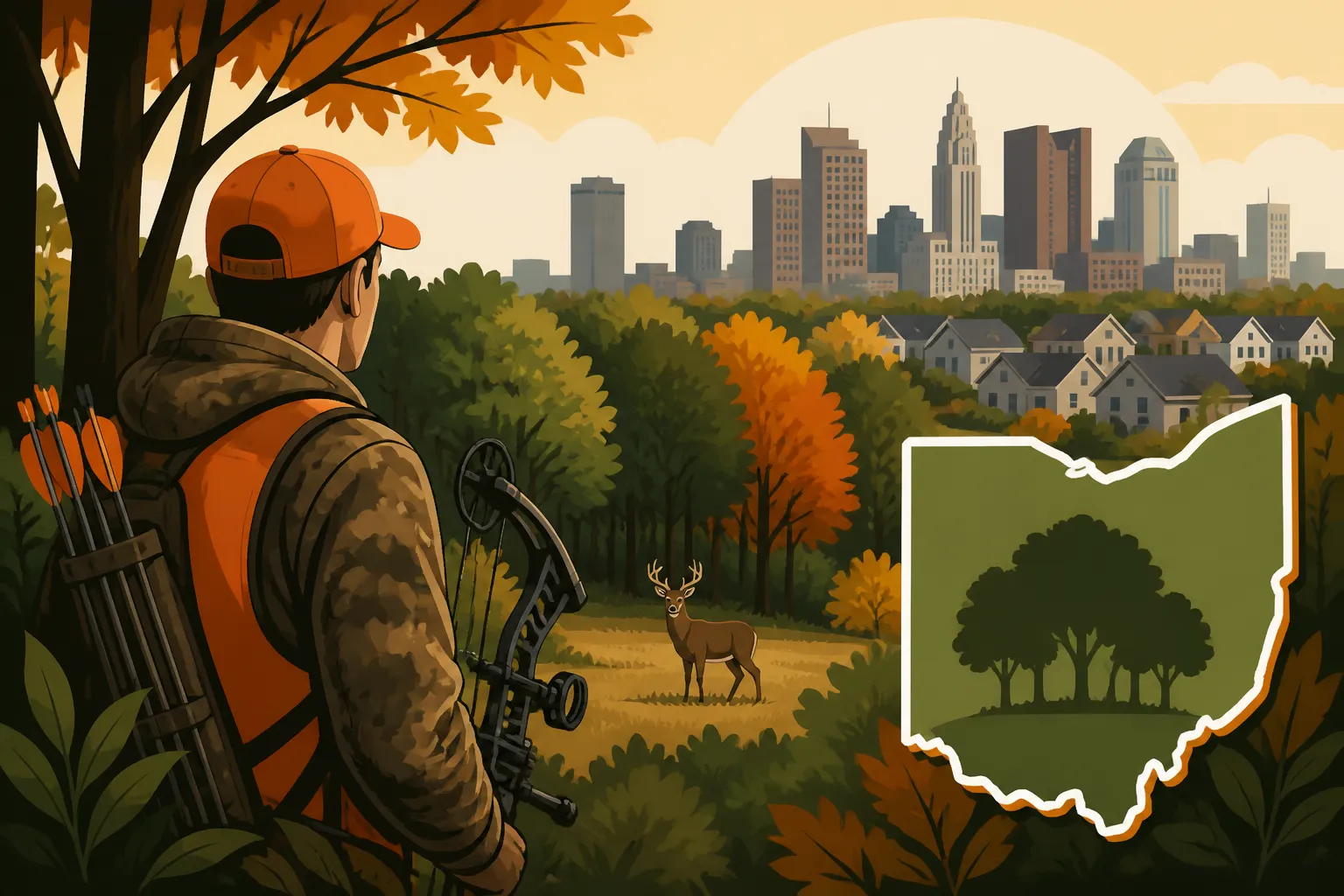
It’s a common frustration, isn't it? You live near a bustling city like Columbus, and the idea of finding a legitimate hunting spot feels like a pipe dream. Many of us are stuck thinking we need vast tracts of untouched wilderness, but the truth is, some of the most overlooked opportunities lie right under our noses in small, unassuming woodlots. This guide is all about equipping you with the strategies and mindset to successfully hunt these often-pressured, yet surprisingly productive, pockets of cover near Ohio’s capital city.
Understanding the Challenges and Opportunities of Suburban Woodlots
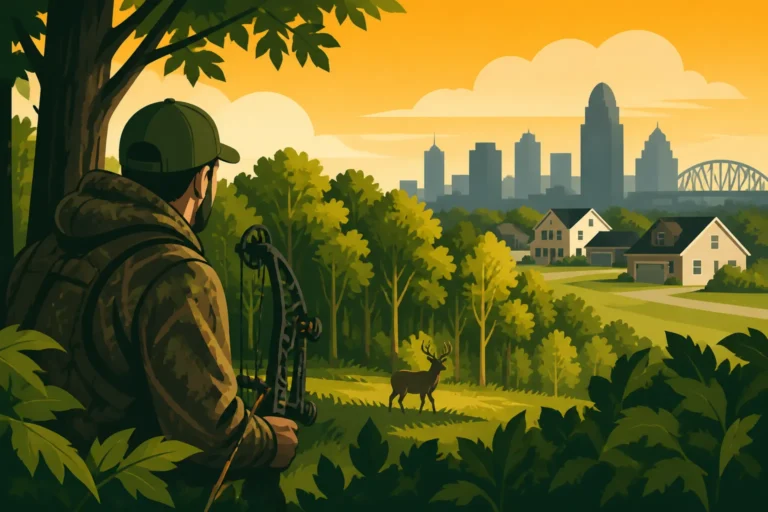
Hunting close to Columbus isn't like heading deep into Wayne National Forest. It comes with its own unique set of hurdles, from navigating dense human populations to understanding localized deer behavior. But where some see obstacles, savvy hunters see opportunity. These small patches of timber often act as critical refuges for deer, providing cover, food, and security in an otherwise developed landscape.
The Unique Pressure of Hunting Near Columbus
Let's be real, public land within an hour's drive of Columbus often gets hammered. Every hunter with a license and a dream seems to converge on the same limited acreage, especially during peak seasons. This pressure makes deer incredibly wary, often turning them nocturnal or pushing them into the densest, nastiest cover they can find. Small woodlots on private land, even those just a few acres in size, can offer a much-needed sanctuary from this constant disturbance. However, they come with their own set of "people pressure" from nearby houses, roads, and non-hunting recreational users. You're not just dealing with other hunters; you're dealing with dog walkers, kids playing, and curious homeowners. This means your approach has to be more subtle, more thoughtful, and undeniably more respectful of your surroundings.
You're also likely to encounter different deer behavior. While a buck in deep timber might be pressured to move miles, a suburban buck might only move a few hundred yards between a bedding woodlot and a residential garden, becoming adept at ghosting through neighborhoods unseen. Understanding these micro-movements is key. The stakes are higher for quiet entry and exit, impeccable scent control, and knowing your shot angles to ensure safety for everyone. It truly highlights the importance of thorough preparation and a quiet presence.
Why Small Woodlots Are Deer Havens
Despite the pressure, these small woodlots, often no bigger than 5 to 20 acres, can be absolute goldmines. Think about it: they offer invaluable thermal and visual cover in areas largely devoid of it. Deer, especially mature bucks, seek out security, and these isolated timber pockets are often the safest spots they can find near agricultural fields or suburban green spaces. They become natural bedding areas during the day, places where deer can digest, rest, and feel protected from disturbance.
Furthermore, these woodlots are frequently surrounded by an abundance of food sources that aren't typical deep-woods fare. We're talking about manicured lawns, gardens, small agricultural fields, and even ornamental plantings in residential areas. Deer will often bed in these woodlots during the day and venture out at dusk to feed, returning before dawn. They might even use them as transition points or travel corridors between larger blocks of timber or food sources. The key is that these smaller parcels often receive less hunting pressure because many hunters overlook them, assuming they're "too small" or "too close to people." This oversight creates the perfect opportunity for those willing to put in the legwork and adapt their tactics.
Scouting and Gaining Access to These Hidden Gems
Finding these small woodlots is just the first step. The real challenge, and the real reward, comes from effectively scouting them and, most importantly, securing permission to hunt them. This isn't about aimlessly wandering around; it's about strategic digital recon combined with good old-fashioned human interaction.
Digital Scouting for Promising Pockets
Before you ever lace up your boots, your most powerful tool for hunting near Columbus is often your computer or smartphone. Start with mapping applications like Google Earth or specialized hunting apps such as GoHunt. These tools allow you to zoom in and identify small, isolated woodlots, fencerows, and creek bottoms that might otherwise go unnoticed from a vehicle. Look for areas that offer dense cover, particularly those adjacent to known food sources like agricultural fields, unkempt pastures, or even residential areas with abundant landscaping.
Pay close attention to "funnels" – narrow strips of cover that connect larger woodlots or lead to feeding areas. These could be overgrown creek beds, old fencerows, or even thickets along a drainage ditch. Deer will naturally use these sheltered pathways to move between bedding and feeding, minimizing their exposure. Identify potential bedding areas within the woodlot itself – dense briar patches, thick young timber, or areas of downed trees. You can even identify potential stand locations or travel routes right from your couch. Don't forget to check property lines on these apps; understanding who owns what is crucial before you make any contact.
The Art of Knocking on Doors and Building Relationships
Once you’ve identified a few promising woodlots, the next, and arguably most critical, step is to gain permission. This is where many hunters stumble, but it’s a skill that can be honed. Start by dressing respectfully and choosing a good time to visit – not during dinner or late in the evening. Approach landowners with respect and a clear, concise request. Explain that you've noticed deer activity on their property and were wondering if they'd consider allowing you to hunt.
Emphasize your commitment to safety, adherence to all Ohio hunting regulations, and respect for their property. Offer to help with chores, share venison, or assist with nuisance deer control if that's a concern. Be prepared for a "no," but don't let it discourage you; it's part of the process. If you get a "yes," be meticulous about following through on any promises, checking in regularly, and leaving the property better than you found it. Building a long-term relationship based on trust is far more valuable than a one-time hunt. Remember, securing private land permission is a true privilege, and treating it as such is paramount. For more on this, check out our guide on how to be successful at Knocking on Doors in Ohio Farm Country.
Tactical Approaches for Hunting Small Woodlots
Hunting small woodlots near Columbus demands a different mindset than hunting vast expanses of public land. You can't just set up a stand and wait for deer to wander by from miles away. Here, every movement, every scent, and every decision is amplified.
Minimizing Your Footprint and Scent Control
In small, pressured woodlots, deer are hyper-aware of human intrusion. Your entry and exit routes must be as stealthy and scent-free as possible. Plan your approach based on wind direction, ensuring you never blow your scent into the potential bedding or feeding areas. Use natural cover to conceal your movement. If the woodlot backs up to a busy road, consider using the road noise as cover for your entry and exit, or approach from a direction less likely to alert nearby residences.
Scent control becomes even more critical. Shower with scent-free soaps, wash your hunting clothes in scent-free detergent, and store them in airtight containers. Use scent-eliminating sprays on your clothes, boots, and even your gear. Consider using an ozone generator in your vehicle or gear tote. Even a small amount of human scent can blow a hunt in a compact area where deer are constantly alert. Remember, these deer are used to human presence, but they distinguish quickly between a casual jogger and a hunter. Your goal is to be a ghost. This meticulous approach to scent and movement is often the difference between success and failure when you're Hunting Small Private Tracts in Ohio.
Stand Placement and Micro-Funnels
When selecting a stand site in a small woodlot, forget the grand, sweeping vistas you might seek in larger timber. Here, you're looking for micro-funnels, subtle terrain features, or vegetation changes that pinch deer movement into predictable lanes. This could be a narrow strip of hardwoods between a thick briar patch and a swampy area, a subtle saddle on a small rise, or even a single fallen log that deer habitually step over. These small details become crucial travel corridors.
Your stand should be placed to intercept deer moving between bedding and feeding areas, or those transitioning through the woodlot. Pay close attention to recent sign – fresh tracks, rubs, and scrapes. With GoHunt, you can mark these observations digitally, building a real-time picture of deer activity. Often, the best spot is on the downwind side of these travel routes, allowing you to see deer approaching without them winding you. Since distances are short, you might consider a ground blind brushed into a fencerow or thicket, especially if suitable trees for treestands are scarce or if you need to be extra low-impact. The goal is to be invisible and within bow or straight-wall rifle range as deer move through a tight window. Always consult Ohio Legal Shooting Hours and local ordinances to ensure you're hunting within legal timeframes.
Here's a quick comparison of stand options for suburban woodlots:
| Stand Type | Pros | Cons | Best Use Case |
|---|---|---|---|
| Hang-on Stand | Lightweight, versatile for various tree sizes, can be left in place | Requires climbing sticks, setup can be noisy, less comfortable for long sits | Targeting specific pinch points with good cover trees |
| Climbing Stand | Relatively quiet to set up, self-contained, mobile | Requires a straight, limbless tree, can be bulky to carry, limited tree selection | Hunting frequently changing deer patterns |
| Ground Blind | Excellent concealment, comfortable, can accommodate multiple hunters | Requires careful brushing in, can restrict shooting lanes, takes up more space | Hunting field edges, thickets, or areas with no trees |
| Saddle Hunting | Ultimate mobility, quiet, lightweight, adaptable to most trees | Steeper learning curve, less comfortable for all-day sits, requires practice | Highly mobile, low-impact hunting |
When considering your setup, remember that Treestand Setups in Appalachian Ohio Hardwoods offers great insight into picking trees and angles, which can be adapted to the more compact environments near Columbus. Just scale down the distances and amplify your stealth.
Gear Considerations for Urban Edge Hunting
The gear you choose for hunting small woodlots near Columbus plays a significant role in your success. It's not just about what you carry, but how it helps you remain undetected and effective in a potentially higher-pressure environment.
Quiet Movement and Concealment
Your clothing and gear choices should prioritize silence above all else. Avoid noisy fabrics that rustle when you move. Wool, fleece, or specialized quiet synthetic blends are your best friends. Every crunch of a leaf, every brush against a branch, is amplified in a small woodlot, and deer are quick to pinpoint the source of unnatural sounds. When you are Finding Ground Others Walk Past, your stealth is your greatest asset.
Camouflage patterns are important, but even more so is breaking up your silhouette. Don't just rely on camo; use the natural shadows and contours of the environment to your advantage. A well-placed ground blind, expertly brushed in with local vegetation, can provide superior concealment in areas where large, suitable trees for elevated stands are scarce. Even if you're in a treestand, make sure the tree offers good natural cover to break up your outline. Remember that in an urban-adjacent environment, you might be seen by non-hunters, so presentation matters. Choosing appropriate blaze orange, as required by Ohio Blaze Orange Requirements for gun season, becomes a critical safety consideration, but also think about how it's worn for optimal concealment when not actively moving.
Essential Tools for Quick Recovery
In smaller woodlots, especially those bordered by residential areas, quick and efficient game recovery is paramount. You don't want a wounded deer running onto a neighbor's lawn or into a busy street. This means you need to be prepared for every contingency. Carry a high-quality, sharp field dressing knife and, if you're proficient, consider learning the gutless method to process the deer quickly on the spot. This minimizes the mess and allows for faster removal of the animal.
A good headlamp or powerful flashlight is essential for blood trailing after dark, which can be surprisingly challenging even in a small area. Many hunters near Columbus rely on the advanced mapping features in apps like GoHunt to mark their shot location and the last known spot of the deer, which can significantly aid in recovery. Having a deer drag or small cart can also be a lifesaver, especially if you're solo and need to navigate uneven terrain or transport the animal a short distance to a vehicle without drawing undue attention. Be prepared to handle the deer quickly and discreetly, respecting the property and any surrounding neighbors. For more detailed information on ethical recovery, our guide on Field Dressing a Deer in Cold Weather offers excellent tips that are applicable year-round.
The Mental Game: Patience and Adaptability
Hunting suburban woodlots isn't just about physical preparation and gear; it's a mental game. These deer are incredibly smart, and they've learned to avoid detection in ways their deep-woods cousins haven't. Success often comes down to who can be the most patient and the most adaptable.
Developing Unwavering Patience
In these small, pressured areas, deer often move on their own terms, and those terms might not always align with peak hunting hours. They could be entirely nocturnal for days, or only move during brief windows when human activity is at its lowest. This demands unwavering patience from the hunter. You might sit for hours without seeing anything, only for a mature buck to slip through at last light, or during an unexpected midday lull. Don't get discouraged if the action isn't constant. These short bursts of activity are often what define suburban hunting.
Learning to observe subtle cues – the rustle of leaves, a distant twig snap, the sudden silence of songbirds – becomes incredibly important. These small details can tip you off to an approaching deer long before you see it. Your ability to remain still, quiet, and mentally focused, even when boredom sets in, is a critical skill. Remember, you're playing chess with an animal that lives in a constant state of vigilance, and rushing your moves will almost always lead to failure.
Adapting to Changing Conditions and Deer Behavior
No two days are alike in the woods, and this is especially true in small, dynamic suburban woodlots. Deer patterns can change drastically based on weather, food availability, and local human activity. A buck that was using a particular trail last week might have shifted his entire pattern due to a new construction project, a neighbor letting their dog run loose, or a sudden change in acorn drop.
You must be willing to adapt. If your initial stand placement isn't producing, don't be afraid to move it, even mid-season. Utilize your GoHunt mapping app to mark new observations and adjust your strategy. If the deer are going nocturnal, consider hunting tighter to known bedding areas or adjusting your schedule to catch them just before dark or right at dawn. If a new food source emerges, like a freshly cut soybean field or a neighbor's garden ripe with produce, be ready to shift your focus to capitalize on it. Successful suburban hunters are problem-solvers, constantly analyzing the conditions and making real-time adjustments to their approach. This dynamic thinking is a hallmark of success when you're Scouting Ohio Public Land Before Season, and it's even more crucial on small, private tracts.
Navigating Legalities and Ethics Near Columbus
Hunting so close to populated areas inherently brings a heightened sense of responsibility. Understanding and strictly adhering to all legal requirements and ethical considerations is not just good practice, it's essential for maintaining the privilege of hunting in these unique environments.
Ohio's Specific Regulations and Local Ordinances
Before you even step into a woodlot, you absolutely must be intimately familiar with Ohio’s hunting regulations. This includes statewide rules for deer season, bag limits, and legal hunting weapons. For instance, Ohio Legal Firearms for Deer Hunting specifies straight-wall cartridges and shotguns. In highly populated areas, the use of certain firearms might be restricted, or there might be specific noise ordinances you need to consider.
Beyond state laws, local ordinances can vary significantly, especially regarding firearm discharge setbacks from occupied dwellings or property lines. Many municipalities around Columbus will have stricter rules than rural townships. A critical step is to check with the local sheriff's department or township trustees for any additional restrictions that might apply to your specific hunting location. Ignorance of the law is never an excuse, and a single violation could not only lead to fines and loss of hunting privileges but also jeopardize the future of hunting access for everyone in that community. Always carry your Ohio Resident Hunting License Options and required permits, either physical or on your phone.
The Importance of Respecting Neighbors and Landowners
This point cannot be stressed enough: when hunting near suburban areas, your actions reflect not just on you, but on all hunters. Maintaining a positive relationship with the landowner and, by extension, their neighbors, is paramount. This means being incredibly discreet about your activities. Avoid making loud noises, especially early in the morning or late in the evening. Park your vehicle in a way that doesn't block driveways or create a nuisance. Be mindful of your appearance; while camo is essential in the woods, arriving and departing in full gear might cause alarm for non-hunting neighbors. Consider changing in a less conspicuous location if possible.
Always be aware of your surroundings and the direction of your shots. Safety should be your absolute top priority, and that includes the safety of non-hunters in the vicinity. Never shoot towards houses, roads, or areas where people might be present. If a neighbor approaches you, be polite, explain what you’re doing (with the landowner's permission), and address any concerns they might have. Your goal is to be a quiet, responsible, and respectful presence. A good reputation in the community can secure future hunting opportunities and foster a better public perception of hunting. This careful attention to detail reinforces why effective communication is key to Getting Private Land Permission in Ohio.
Disclaimer
Please remember that hunting regulations, seasons, and local ordinances can change. Always consult the most current Ohio Department of Natural Resources (ODNR) regulations and any relevant local laws before heading afield. This guide is for informational purposes only and does not constitute legal advice. It is your responsibility to know and follow all applicable laws and regulations.