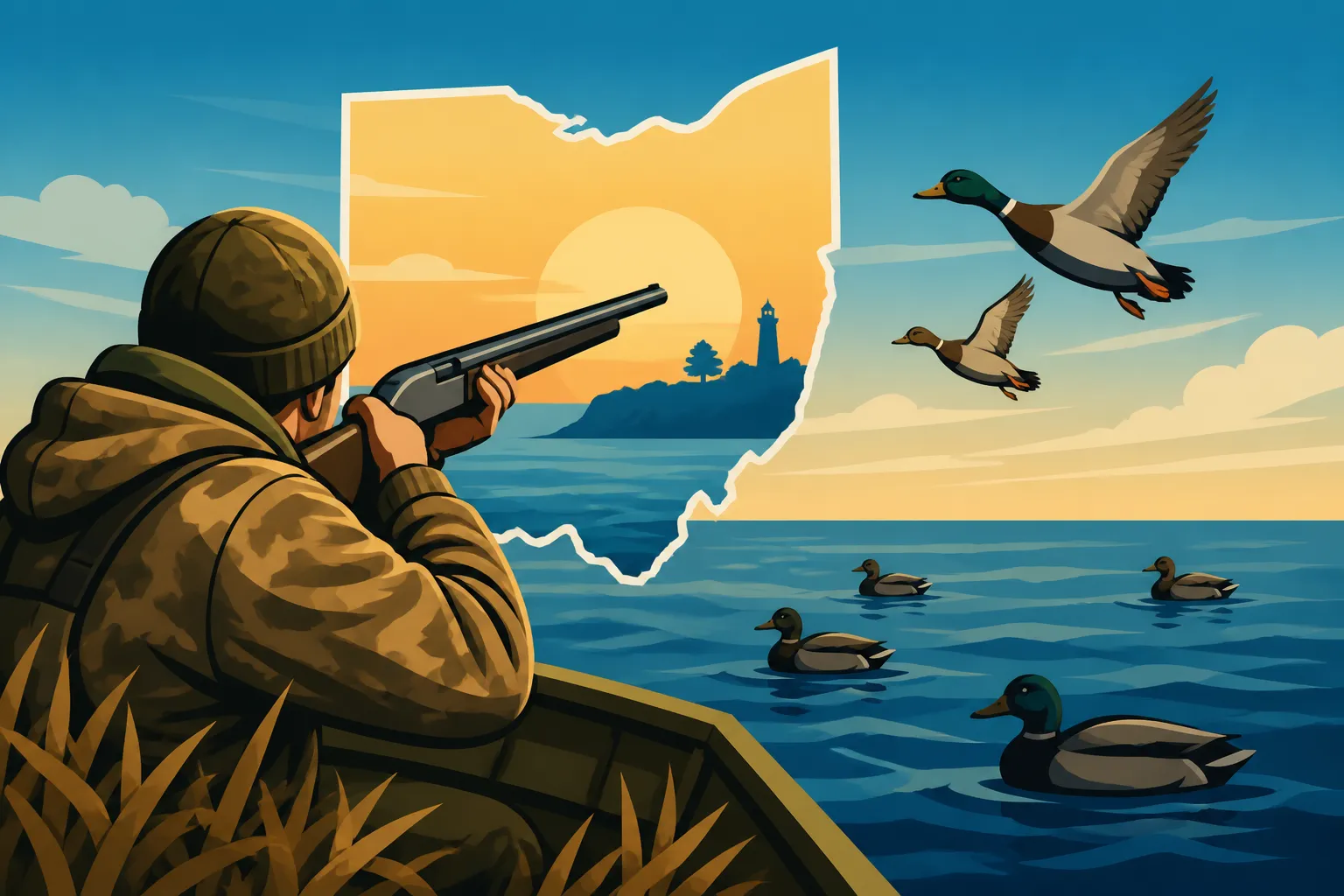
Diver Hunting on Open Lake Erie Water
Hunting diver ducks on the vast, often unforgiving expanse of Lake Erie can feel like trying to find a needle in a haystack, especially when you're dealing with unpredictable weather, deep water, and birds that seem to vanish into thin air. Many hunters find themselves overwhelmed by the sheer scale of the lake and the specialized knowledge required to safely and successfully pursue these challenging birds. This comprehensive guide is here to unravel the mysteries of diver hunting on Lake Erie's open waters, providing you with the insights and strategies you need to put more ducks in your bag and return home safely.
The Allure and Challenge of Lake Erie Diver Hunting
Lake Erie is a phenomenal waterfowl destination, a critical stopover on the Mississippi Flyway, but it’s a beast of its own when it comes to diver hunting. Unlike dabblers that feed in shallow marshes, divers, as their name implies, plunge deep underwater to forage on mussels, aquatic plants, and invertebrates. This unique feeding behavior, combined with their incredible speed and tendency to stay far from shore, presents a completely different set of challenges and rewards for the dedicated hunter.
Understanding the Key Diver Species on Lake Erie
When you're out on the open water of Lake Erie, you're primarily targeting a few distinct species of diver ducks, each with its own characteristics. The most common include Greater and Lesser Scaup, often simply called "bluebills," which are abundant and known for flying in large, fast-moving flocks. Redheads are another prized species, recognized by their distinctive rusty-red heads and gray bodies. These birds are strong flyers and offer thrilling pass shooting opportunities. Canvasbacks, often considered the "king of ducks" by many, are less common but highly sought after for their size and flavor, with a unique wedge-shaped head and long bill. They are notoriously wary and typically raft far offshore. Goldeneyes, known as "whistlers" for the sound their wings make in flight, and buffleheads, small and speedy, also frequent Lake Erie, often closer to structure or protected bays. Understanding the flight patterns, feeding preferences, and general temperament of each species will significantly improve your chances. For a deeper dive into these magnificent birds, be sure to read our guide on Diver Ducks on Lake Erie.
Reading Lake Erie Conditions and Diver Movements
Lake Erie is a dynamic environment, and its conditions dictate everything about diver hunting. Wind is perhaps the most critical factor. Strong winds can make open water treacherous, creating large waves that can easily swamp smaller boats and make decoy spreads impossible to manage. Divers, however, often prefer windy conditions, using the chop for cover and following predictable flight paths along wave troughs. Understanding wind direction and speed, along with forecasts for wave height, is paramount. You'll also need to pay close attention to water temperature and clarity, as these influence where divers will feed. A tool like GoHunt, for instance, can provide valuable data overlays on mapping to help predict where the birds might be concentrated based on underwater features and historical migration patterns. Early mornings, particularly after a strong cold front pushes new birds into the region, often provide the best hunting. Keep an eye on the broader Duck Migration Timing Through Ohio to anticipate when the main pushes of diver ducks will arrive.
Essential Gear and Boat Setup for Big Water Success
Diver hunting on Lake Erie isn't a casual affair; it demands specialized gear and a meticulously prepared boat. The risks associated with big water, especially in colder months, mean that cutting corners on equipment is simply not an option. Your boat, decoys, and personal gear must all be up to the task.
Choosing the Right Boat and Motor for Open Water
When you're venturing onto Lake Erie's open water, your boat is your lifeline. A stable, deep-V hull boat, typically 18 feet or longer, is highly recommended. Center console boats or those with a small cuddy cabin offer good maneuverability and protection from the elements. Aluminum boats from brands like Lowe or Alumacraft are popular for their durability and lighter weight, while fiberglass options from brands like Boston Whaler or Grady-White provide a smoother ride in chop. Whatever you choose, ensure it's rated for the conditions you plan to hunt and has adequate freeboard. A reliable outboard motor, preferably 100 horsepower or more for efficiency and safety, is essential. Always carry a kicker motor (smaller auxiliary motor) as a backup – losing power miles offshore in cold weather is a nightmare scenario. Your boat should also be equipped with robust anchoring systems, including heavy anchors and plenty of line, capable of holding your position in strong currents and winds. Investing in a good marine GPS and a reliable depth finder, perhaps from Garmin or Lowrance, is also non-negotiable for safe navigation and finding underwater structures where divers feed.
Decoy Spreads for Open Water Divers
Diver ducks are typically hunted over large, impressive decoy spreads. Unlike dabblers that respond to a few dozen decoys, divers often require hundreds to simulate a large raft of feeding birds. The sheer size of Lake Erie means your spread needs to be highly visible from a distance. Consider using larger, magnum-sized decoys for species like scaup, redheads, and canvasbacks to increase visibility. You’ll want sturdy decoy lines and heavy weights to prevent your spread from drifting or tangling in strong currents. Spreads typically involve long lines with multiple decoys spaced out, often in a J-hook or V-shape, designed to funnel birds into a landing zone near your blind or boat. A common strategy involves using primarily scaup and redhead decoys, with a few canvasbacks mixed in if you're targeting them specifically. Having a few dozen more than you think you need is always a good idea, as strong currents or snags can claim a few throughout the season. For more detailed strategies, check out our piece on Decoy Spreads for Lake Erie Divers.
Specialized Hunting Gear for Open Water
Beyond the boat and decoys, there’s a host of other gear crucial for diver hunting. Waterproof, insulated clothing is paramount; think layers of wool or synthetics, topped with a high-quality waterproof and windproof outer shell. You’ll be exposed to spray, wind, and potentially driving rain or snow, and hypothermia is a very real threat. Insulated waders, such as those from Lacrosse or Simms, are vital for setting and retrieving decoys in cold water, especially when you need to step out of the boat in shallower areas or retrieve a downed bird. Speaking of retrieval, a good pair of Waders for Ohio Marsh Hunting might be mentioned here, although open water often requires chest waders. A layout blind, designed to be nearly invisible on the water, is commonly used for diver hunting, often placed directly in the decoy spread. Brands like Bankes or TDB make excellent models that blend seamlessly with the water. Always carry a floating game bag to secure downed birds, as they can quickly drift away in currents. Warm, waterproof gloves, face masks, and a robust headlamp for early morning or late evening runs are also indispensable. Using a GPS-enabled app like GoHunt on your phone can also provide crucial mapping and navigation support if your primary electronics fail.
Mastering Tactics for Open Water Divers
Once your boat is ready and your gear is packed, it’s time to talk tactics. Diver hunting isn't just about throwing out decoys; it's about understanding bird movement, predicting their flight paths, and executing a clean shot when the opportunity arises.
Scouting and Identifying Key Diver Areas
Successful diver hunting begins long before opening day. Extensive scouting is crucial. Divers often concentrate in areas with abundant food sources, particularly beds of mussels or submerged vegetation. These spots are often associated with underwater points, reefs, or sudden depth changes, which you can identify using marine charts or your depth finder. Pay attention to traditional flight lines – divers often follow shorelines, channels, or prominent features when moving between feeding and resting areas. Observing where birds are rafting during the off-season or even early in the season before hunting pressure sets in can reveal prime locations. You can use tools like GoHunt to overlay bathymetric charts with satellite imagery, allowing you to identify potential feeding grounds or travel corridors even from your couch. Don't be afraid to run your boat over potential spots during calm days, watching your depth finder for signs of structure or changes in the bottom composition that might indicate food sources. Keep records of your scouting observations, noting wind directions, time of day, and bird activity.
Setting Up for the Shot on Open Water
Setting up your spread is an art form. The goal is to make your decoys look as natural and inviting as possible to passing diver flocks, while positioning your blind or boat to offer concealed shooting opportunities. You'll typically motor out to your chosen location before dawn, anchor your boat securely, and then systematically deploy your decoy lines. As mentioned, J-hooks or V-shapes are effective, with the open end of the "J" or "V" facing downwind, directing incoming birds to land in the pocket near your shooting position. If using a layout blind, it will be placed directly within this pocket, with the boat anchored a safe distance away, often used for retrieving and as a warm-up spot. The key is to be completely concealed. Even a slight silhouette against the horizon can flare wary diver ducks. Ensure your boat is camouflaged, or use a boat blind that effectively breaks up its outline. When the birds commit, be patient. Let them work the spread, dropping their feet, before calling the shot. This patience is often the difference between a clean kill and missed opportunities.
Retrieving Birds in Open Water and Bagging Limits
Retrieving downed birds in open water can be surprisingly difficult. Divers are notoriously tough birds, and even mortally wounded ones can swim or dive a considerable distance, especially if they hit the water with momentum. A good retriever dog, trained for cold water and open water retrieves, is an invaluable asset. If you don't have a dog, a fast, maneuverable retrieve boat (often the main hunting boat itself) is necessary. Mark the exact spot where the bird falls, as strong currents can carry it quickly. Keep a keen eye on the bird until it's in hand. Don't underestimate the challenge of retrieving multiple birds from a single volley. Always be mindful of your Ohio Duck Daily Bag Limit and possession limits, which vary by species and zone. While you're often targeting scaup, make sure you know the specific limits for redheads, canvasbacks, and other divers, as they can be much more restrictive. Safely bagging your birds and securing them in a cooler or game bag is the final step, ensuring they are properly cared for until you return to shore.
Prioritizing Safety and Knowing the Rules
Hunting on Lake Erie, especially for divers, carries inherent risks due to the nature of big water. Safety should always be your top priority, overshadowing even the desire for a successful hunt. Additionally, understanding and adhering to Ohio’s specific waterfowl regulations is crucial to ensure a legal and ethical hunt.
Weather Awareness and Lake Erie's Volatility
Lake Erie is notorious for its rapidly changing weather. A calm morning can turn into a raging tempest within a few hours. Always check multiple weather forecasts before heading out, paying particular attention to wind speeds, wave heights, and potential for sudden squalls or fog. Marine forecasts are far more relevant than land-based predictions. Never hesitate to call off a hunt or head back to shore if conditions begin to deteriorate. No duck is worth risking your life. Ensure everyone on board wears a life jacket at all times, especially when moving around the boat or retrieving decoys. Carry a VHF radio in addition to your cell phone, as cell service can be spotty miles offshore. A fully charged marine battery is non-negotiable for running your electronics and ensuring your motor starts reliably. You should also consider getting a satellite communicator or personal locator beacon (PLB) for true emergency situations where traditional communication methods fail.
Navigational Aids and Emergency Equipment
Beyond just a GPS, your boat should be a mobile safety station. Carry all required safety equipment, including visual distress signals (flares), an air horn, a whistle, a fire extinguisher, and a throwable flotation device. A fully stocked first-aid kit is essential, and include items specifically for cold-weather injuries like hypothermia. Always tell someone on shore your float plan – your intended hunting area, who is with you, and your estimated return time. Consider bringing a spare prop and the tools to change it, as striking submerged debris is always a possibility. A spotlight or powerful headlamp is critical for navigating in low light or fog. A robust, sealed dry bag should hold extra warm layers, a backup cell phone, and emergency food and water. For navigation, don't solely rely on electronic devices; carry paper charts of your hunting area as a backup. Using a mapping application like GoHunt on your phone, with downloaded offline maps, can provide additional redundancy to your marine electronics.
Ohio Regulations Specific to Waterfowl Hunting
Ohio has specific rules for waterfowl hunting that all hunters must follow. This includes regulations on legal shooting hours, which begin 30 minutes before sunrise and extend to sunset. You must use nontoxic shot for all waterfowl hunting, which means no lead shot. This requirement is statewide, not just for specific areas. Familiarize yourself with Where Nontoxic Shot Is Required in Ohio and ensure your Waterfowl Loads for Lake Erie Divers meet these standards. Every hunter 16 years and older must possess a valid Ohio hunting license, an Ohio Wetlands Habitat Stamp, and a Federal Duck Stamp, along with Harvest Information Program (HIP) certification. Always double-check the current year's hunting digest for any changes to bag limits, possession limits, or season dates, as these can be updated annually. The Ohio Department of Natural Resources (ODNR) website is an excellent resource for the most current information. Always ensure you are hunting in the correct zone; Lake Erie falls within Zone B under Ohio's New Waterfowl Zone Map, which has specific season dates that may differ from other zones.
Comparison of Popular Diver Species in Ohio
| Species | Primary Food Source | Flight Pattern | Typical Location on Lake Erie | Bag Limit (Ohio, usually) | Distinguishing Feature |
|---|---|---|---|---|---|
| Greater Scaup | Mussels, aquatic insects, some vegetation | Fast, tight flocks, often low to the water | Open water, often far offshore | 5 (often combined with Lesser) | Iridescent green head (males) |
| Lesser Scaup | Mussels, aquatic insects, seeds | Fast, tight flocks, often low to the water | Open water, protected bays, sometimes marshes | 5 (often combined with Greater) | Iridescent purple head (males) |
| Redhead | Submerged vegetation, seeds, some aquatic insects | Fast, steady, often in V-formations | Open water, shallow bays with vegetation | 2 | Rusty red head, gray body (males) |
| Canvasback | Submerged vegetation, especially wild celery | Fast, direct, powerful | Open water, large rafts, often wary | 1 | Wedge-shaped head, long bill (males) |
| Common Goldeneye | Aquatic insects, crustaceans, small fish | Very fast, erratic, "whistling" wings | Open water, often near rocky shorelines/structures | 5 | Black back, white sides, round white spot near bill (males) |
| Bufflehead | Aquatic insects, crustaceans, small fish | Very small, extremely fast, darting | Open water, protected bays, harbors | 5 | Large white patch on back of head (males) |
Note: Bag limits can change annually and are subject to state and federal regulations. Always consult the most current Ohio hunting digest.
Disclaimer
The information provided in this guide is for general informational purposes only and is not a substitute for checking current Ohio Department of Natural Resources (ODNR) regulations or seeking professional advice. Hunting laws, seasons, and bag limits are subject to change. Always refer to the most recent ODNR hunting digest and local regulations before heading afield. Safety should always be your paramount concern when hunting, especially on large bodies of water like Lake Erie.