Pheasant Hunting Ohio Farm Country
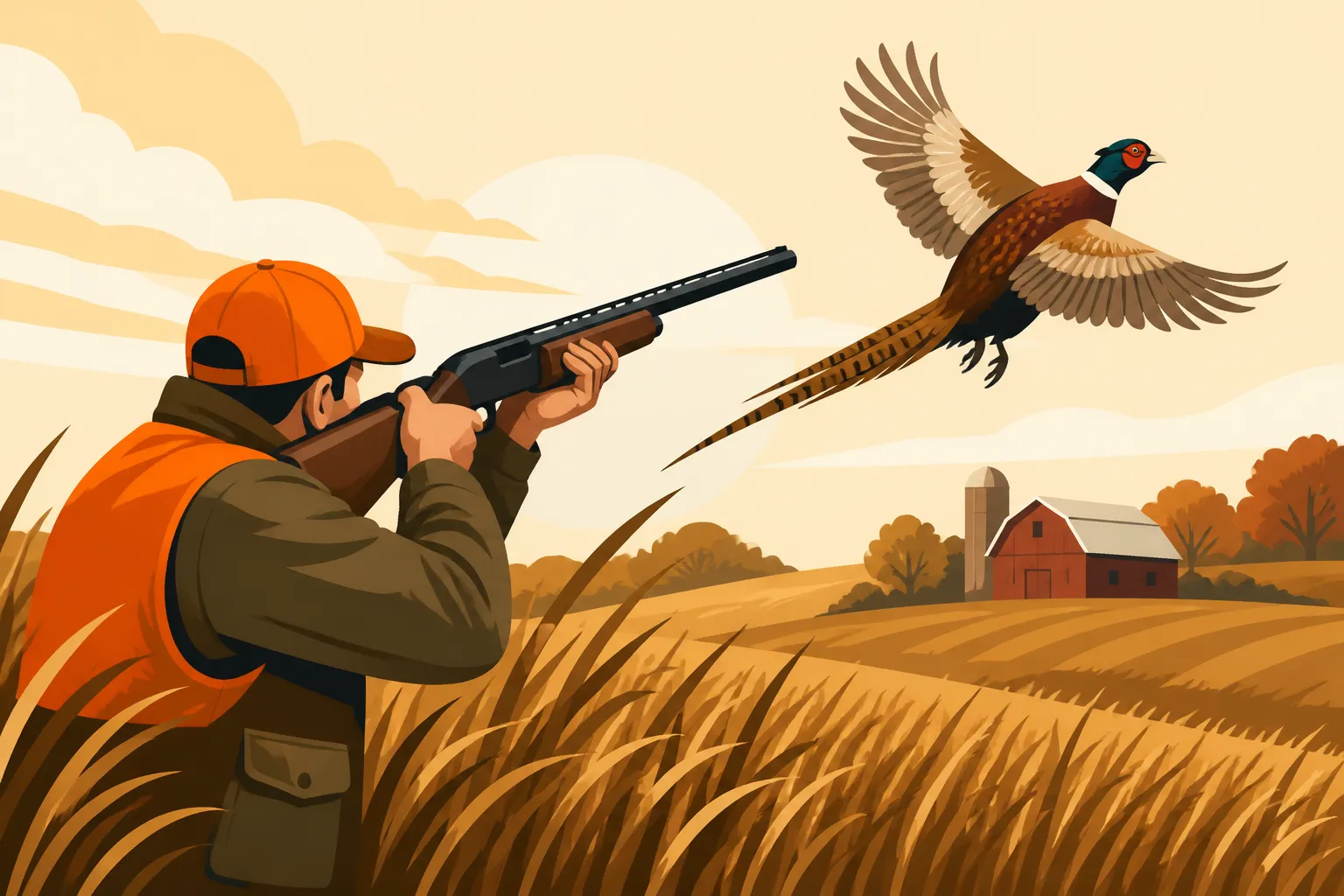
For many Ohio upland hunters, the thought of chasing pheasants through golden fields brings back nostalgic memories or ignites a passion for traditional wingshooting. But let's be honest, finding consistent pheasant action in Ohio can feel like a daunting task, especially with habitat changes and hunting pressure. This guide is dedicated to breaking down the realities of pheasant hunting across Ohio's farm country, offering practical strategies and insights to help you put more birds in the bag and truly savor the experience.
Understanding Ohio's Pheasant Landscape
Ohio's pheasant hunting opportunities are a unique blend of wild bird pockets and strategically managed stocked areas. It’s not the Dakotas, and it’s certainly not what it used to be, but with the right approach and a keen eye for habitat, success is absolutely within reach. We’ll dive into what makes Ohio's pheasant hunting distinct and where you're most likely to find success.
The Decline and Persistence of Wild Pheasants
It’s no secret that wild pheasant populations have faced significant challenges across much of their traditional range, and Ohio is no exception. The intensification of agriculture, with larger fields, fewer fencerows, and less diverse crop rotation, has dramatically reduced the dense, multi-year cover that these birds need to thrive. Think about the old stories of pheasants bursting from every ditch and hedgerow – those landscapes have largely vanished. Today, wild pheasants are found in sporadic, isolated pockets where suitable habitat still exists, often on the fringes of intensive farming, in areas with CRP (Conservation Reserve Program) lands, or where private landowners actively manage for wildlife. These are often tough birds, wary and quick to run or flush far out, making them a true trophy for any hunter. When you manage to find one of these elusive birds, you've earned it through scouting and perseverance. Understanding "Why Wild Pheasants Faded From Ohio" can help put current conditions into perspective.
The Role of Stocking Programs
Given the scarcity of wild birds, the Ohio Department of Natural Resources (ODNR) actively supplements pheasant hunting opportunities through extensive stocking programs. Each fall, thousands of ringneck pheasants are released on designated public hunting areas across the state. These programs are vital for providing accessible hunting, especially for those who don't have private land access or prefer a more predictable experience. These stocked birds, while sometimes less "wild" than their native counterparts, still offer exciting flushes and demand skill to pursue. They tend to stick to the heavier cover on these public lands, often holding tighter for pointing dogs or flushing in a flurry when kicked out of thick briar patches or tall grasses. The success of these programs means that even without robust wild populations, Ohio hunters still have a chance to experience the thrill of a pheasant hunt. For specific locations, you might want to look into "Ohio Pheasant Stocking Locations" to plan your trips.
Tactics for Ohio Farm Country Pheasants
Hunting pheasants in Ohio requires a blend of traditional upland tactics and an understanding of how these birds behave in fragmented agricultural landscapes. Whether you're targeting stocked birds on public land or hoping to jump a wily wild pheasant on a private farm, a thoughtful approach will greatly increase your odds.
Working Cover Thoroughly
Pheasants are masters of concealment, preferring dense, often thorny, cover where they feel safe from predators and hunters alike. On public hunting areas, these birds will gravitate towards thickets of multi-flora rose, honeysuckle, switchgrass, cattail marshes, and dense stands of native warm-season grasses. It's not enough to simply walk through; you need to methodically and thoroughly work these areas.
If you're hunting with a dog, allow them to quarter naturally, giving them time to fully investigate every scent. When hunting without a dog, imagine a grid pattern and systematically walk every foot of the cover, especially around edges, ditches, and any changes in vegetation. Don't be afraid to push through the nastiest stuff – that's often exactly where a rooster will be hunkered down. A common mistake is walking too fast or giving up on a patch of cover too soon. Slow down, zig-zag, and expect birds to hold tight before exploding into flight. Many a bird has been missed because the hunter wasn't ready for a close-quarters flush from a thicket they thought was "empty."
Utilizing Dogs for Increased Success
Let's be real: pheasant hunting is infinitely better, and often far more successful, with a good bird dog. Whether it's a pointing breed like a German Shorthaired Pointer or a Labrador that flushes and retrieves, dogs are invaluable. Their superior sense of smell and relentless drive to find birds allow them to pinpoint pheasants hidden in cover that you might walk right past.
Pointing dogs are fantastic for allowing hunters to get into position before the flush, leading to cleaner shots and fewer lost birds. They lock up on scent, signaling the presence of a bird, giving you time to approach cautiously. Flushing breeds, on the other hand, excel at pushing birds out of heavy cover, particularly in dense CRP fields or briar patches where a pointing dog might struggle to penetrate. The key is to trust your dog and follow their lead. Pay attention to their body language – a wagging tail or a sudden change in direction often means a bird is nearby. Without a dog, expect more birds to run out ahead of you, and be prepared for longer retrieves or lost birds in dense cover. A well-trained dog, like those discussed in "Running Pointing Dogs on Ohio Pheasants", can truly transform your hunting experience.
Group Hunting Strategies
Pheasant hunting can be a fantastic group activity, and coordinating with a few hunting buddies can significantly increase your effectiveness, especially on larger public land fields. The most common strategy is a "drive." This involves a line of "walkers" moving through a field, pushing birds towards "blockers" positioned at the far end or along the sides.
Walkers should maintain a consistent line, spaced appropriately to cover the width of the field, and move at a steady pace. Communication is key here – use whistles or hand signals to ensure everyone stays on the same page. Blockers need to be hidden and ready, positioned to intercept birds that try to run or flush out of the field. Always be acutely aware of your surroundings and the location of fellow hunters. Safety is paramount, especially when multiple guns are involved. Ensure clear lanes of fire and strict adherence to safe shooting angles. This strategy works particularly well in long, narrow fields or dense patches of cover on Wildlife Areas, where birds often prefer to run rather than fly immediately. A good mapping tool like GoHunt can help you visualize these fields and plan your drives more effectively.
Essential Gear for Ohio Pheasant Hunting
Having the right gear won't guarantee you a limit of pheasants, but it will certainly make the hunt more comfortable, safe, and productive. Ohio's farm country can present varied conditions, from muddy fields to dense, thorny cover, and being prepared is half the battle.
Shotguns and Ammunition Selection
For pheasants, a 12-gauge or 20-gauge shotgun is typically the most popular choice, offering a good balance of power and maneuverability. A 12-gauge with a modified or improved cylinder choke is versatile for birds flushing at various ranges, while a 20-gauge provides a lighter carry for long days afield, especially for younger hunters or those who prefer less recoil. Pump-actions, semi-autos, and over/unders are all common and effective choices. The key is to find a shotgun that fits you well and that you can swing comfortably and consistently.
When it comes to ammunition, lead shot is generally permissible for upland game in Ohio, except in certain specific areas (always double-check regulations for your chosen hunting spot). Loads typically range from 1 ¼ oz of #4 or #5 shot for 12-gauge, down to 1 oz of #6 shot for 20-gauge. These shot sizes offer enough knockdown power for a pheasant while maintaining a good pattern. Consider heavier loads for later season, tougher birds, or when hunting particularly dense cover where shots might be a bit longer.
| Gauge | Shot Size | Load Weight (oz) | Choke Recommendation | Notes |
|---|---|---|---|---|
| 12-Gauge | #4, #5, #6 | 1 1/8 – 1 1/4 | Modified / Imp. Cyl. | Versatile, good power. |
| 20-Gauge | #6 | 7/8 – 1 | Modified / Imp. Cyl. | Lighter carry, good for closer shots. |
| .410 | #6 | 1/2 | Full | Challenging, best for skilled shooters. |
Durable Clothing and Footwear
Pheasant hunting isn't a fashion show; it's a test of endurance against brush, thorns, and often rough terrain. Investing in durable, functional clothing is crucial. You'll want briar-resistant pants or chaps to protect your legs from multiflora rose, hawthorn, and other thorny vegetation that pheasants love. A good upland vest with plenty of game bag space and shell loops is indispensable for carrying harvested birds, extra shells, and other necessities.
Layering is also key, as Ohio fall and early winter weather can be unpredictable. Start with a moisture-wicking base layer, add an insulating mid-layer, and finish with a durable, water-resistant outer layer that can shed dew, light rain, or snow. Bright blaze orange or blaze pink is required for safety during many Ohio hunting seasons, including pheasant, so make sure your outer layer or vest meets these visibility requirements.
For footwear, prioritize comfort and support. Sturdy, waterproof boots with good ankle support are a must. You’ll be walking miles through fields, over uneven ground, and potentially through muddy or wet areas. Look for boots that are well-broken in before your hunt to avoid blisters. Models designed for "Boots for Walking Ohio Farm Country" will serve you well.
Navigation and Safety Equipment
Even on public land that seems familiar, it's easy to get disoriented when pushing through dense cover or following a dog. A reliable GPS unit or a smartphone with a mapping app like GoHunt is invaluable. These tools allow you to track your movements, mark important locations (like your vehicle or a downed bird), and most importantly, ensure you stay within public land boundaries and avoid trespassing. Always carry a portable charger for your phone if relying on it for navigation.
Beyond navigation, safety should always be top of mind. A whistle is useful for communicating with hunting partners or calling a dog. A small first-aid kit, especially one equipped for cuts, scrapes, and minor emergencies, is a good idea given the rough nature of upland hunting. Always inform someone of your hunting plans and expected return time, especially if you're hunting alone. Carry plenty of water, even on cool days, as strenuous walking can lead to dehydration.
Finding Pheasant Hotspots in Ohio
The success of your pheasant hunt often hinges on scouting and choosing the right locations. Ohio offers a variety of public lands and, for those with access, private agricultural properties. Knowing where to focus your efforts is paramount.
Public Hunting Areas
Ohio's public wildlife areas, especially those in the northwestern and central parts of the state, are your best bet for pheasant hunting, largely due to the stocking programs. Areas like Killdeer Plains Wildlife Area in Wyandot and Marion counties, Oxbow Lake Wildlife Area in Defiance County, or Big Island Wildlife Area in Marion County are renowned for their pheasant releases. These areas are typically managed with extensive blocks of dense cover, food plots, and habitat specifically designed to hold upland birds.
When planning to hunt these public areas, it's a good idea to consult the ODNR's website or their HuntFish app for maps and details on pheasant stocking schedules. The ODNR often releases birds weekly during the season, particularly for the youth hunts and opening weekends. Expect crowds, especially right after a release. To find less-pressured birds, you might need to walk deeper into the cover or scout out less accessible sections of the area. Don't overlook smaller, less obvious patches of cover within these large areas; pheasants are masters at finding refuge. Consider scouting these areas before the season begins to identify prime habitat. For a broader overview of public options, see "Ohio Wildlife Areas".
Identifying Key Habitat on Private Land
If you're fortunate enough to gain access to private land, understanding pheasant habitat becomes even more critical for locating birds. On private farms, pheasants will utilize a mosaic of cover types. Look for edges where different habitats meet: the transition from a cornfield to a fallow field, a dense fencerow bordering a woodlot, or a CRP field adjacent to a standing soybean field. These "edge habitats" provide both food and escape cover.
Dense cover such as multiflora rose thickets, old overgrown orchards, brushy creek bottoms, and unmowed field borders are all prime locations. Standing crops, particularly corn or soybeans, can also hold birds, especially early in the season before harvest. Later in the season, after crops are cut, birds will often concentrate in remaining dense cover. Talk to the landowner; they often know where birds are seen regularly. Many landowners appreciate hunters who help manage wildlife, and a friendly, respectful approach can open doors to some fantastic hunting opportunities. Details on "Getting Private Land Permission in Ohio" can be quite helpful here.
Scouting for Pheasant Sign
Successful pheasant hunting often begins long before opening day. Scouting can give you a significant advantage, especially if you're targeting wild birds or trying to find less-pressured spots on public land. Look for visual signs of pheasant activity: tracks in mud or snow, dust bowls where birds have preened, droppings, and shed feathers. These signs indicate that birds are present and actively using the area.
Another key scouting technique is listening. Early morning and late evening, pheasants will often "cackle" from their roosts or as they move to and from feeding areas. Identifying these sounds can help you narrow down potential holding cover. While driving rural roads, keep an eye out for birds crossing or feeding along field edges. Pay attention to areas with good water sources and a variety of dense cover types. Using mapping apps like GoHunt can help you identify these features from an aerial perspective, highlighting potential cover before you even step foot on the ground. Look for areas with a mix of row crops, fallow fields, and dense shrubby cover, as this diverse habitat is exactly what pheasants need.
Navigating Regulations and Seasons
Before you head out into Ohio's farm country in pursuit of pheasants, it's absolutely crucial to be familiar with the current regulations, season dates, and license requirements. These rules are put in place to ensure fair chase, promote safety, and manage wildlife populations responsibly.
Ohio Pheasant Season Dates and Bag Limits
Ohio's pheasant hunting season typically opens in early November and runs through mid-January. However, specific dates can vary slightly year to year, so always consult the most current Ohio hunting regulations booklet or the ODNR website before planning your hunt. There are also specific youth pheasant hunting weekends that usually precede the general season, offering a great opportunity for young hunters to experience the thrill of the hunt with less pressure.
The daily bag limit for pheasants in Ohio is generally two male pheasants. It's important to remember that only male (rooster) pheasants can be harvested. Hen pheasants are protected to help maintain breeding populations. A rooster is easily identified by its vibrant plumage, long tail feathers, and the distinctive white ring around its neck. If you're ever unsure about the sex of a flushing bird, it's best to err on the side of caution and let it fly. For a full breakdown of seasons, including other small game, check out "Ohio Small Game and Upland Bird Seasons".
Licensing and Permits
To hunt pheasants in Ohio, you'll need a valid Ohio hunting license. Residents and non-residents have different license requirements and costs, so be sure to purchase the appropriate license. Additionally, all migratory bird hunters (which doesn't apply to pheasants, but is relevant for a mixed bag) must have an Ohio Migratory Bird Harvest Information Program (HIP) certification. While pheasants aren't migratory, it's a good habit to ensure you have all necessary certifications for any bird hunting.
It's also important to note that many public hunting areas that participate in the pheasant stocking program may have specific check-in procedures or may require a special permit in addition to your general hunting license. Always check the rules for the specific wildlife area you plan to hunt well in advance. These rules are designed to manage hunter numbers and gather important data. Make sure you carry your physical license or digital proof on the GoHunt app or another authorized platform while hunting.
Safety Considerations in Farm Country
Safety is paramount when pheasant hunting, especially given the thick cover, potential for other hunters, and presence of working farms. Always adhere to fundamental firearm safety rules: treat every gun as if it's loaded, keep the muzzle pointed in a safe direction, keep your finger off the trigger until ready to shoot, and be absolutely sure of your target and what's beyond it. When hunting in a group, clearly communicate your positions and stick to established shooting lanes. Blaze orange or blaze pink is a legal requirement during many hunting seasons in Ohio, including pheasant season, to ensure maximum visibility for you and your hunting partners. Wearing sufficient "Ohio Blaze Orange Requirements" can literally save a life.
Be mindful of property lines. Ohio's farm country is a patchwork of private land, and respecting these boundaries is crucial. Use your mapping tools, and if a bird falls on private property where you don't have permission, you must seek permission to retrieve it. Never trespass. Also, be aware of farm machinery, livestock, and other non-hunters who may be in the fields or adjacent areas. A respectful and safe hunter is always a welcome guest.
Connecting with the Ohio Upland Community
Hunting pheasants in Ohio isn't just about bagging birds; it's about connecting with nature, with traditions, and with a community of like-minded individuals. Sharing experiences and learning from others can enrich your hunting journey immensely.
Clubs and Conservation Efforts
Across Ohio, there are numerous conservation organizations and hunting clubs dedicated to preserving and enhancing upland habitat, including for pheasants. Groups like Pheasants Forever and Quail Forever, for instance, have active chapters that work on habitat improvement projects, host youth hunts, and advocate for sound wildlife management policies. Joining one of these organizations is a fantastic way to give back to the resource, learn from experienced hunters, and find new hunting opportunities. Many chapters host events that include dog training days, educational seminars, and even guided hunts.
These organizations are often at the forefront of efforts to restore habitat on private and public lands, understanding that more diverse cover means more birds. By supporting their work, you're directly contributing to the future of pheasant hunting in Ohio. They also often provide a great network for finding hunting partners or learning about lesser-known areas. Their commitment to "Ohio Pheasant Stocking and Habitat" makes a real difference.
Passing on the Tradition
Pheasant hunting, with its vibrant birds and dog work, is an ideal gateway for introducing new hunters to the field. The youth pheasant hunts offered by the ODNR are specifically designed for this purpose, providing a safe and controlled environment for young people to learn the ropes. Mentoring a new hunter, whether a child, teenager, or even an adult new to the sport, is one of the most rewarding aspects of hunting.
Focus on the experience: the crisp fall air, the dog working a scent, the sudden flush, and the camaraderie. Emphasize safety, ethics, and the importance of conservation. Equip them with the right gear, teach them how to identify roosters, and help them understand the nuances of approaching cover. These experiences create lasting memories and ensure that the tradition of upland hunting continues for generations to come. Sharing your passion is perhaps the best way to keep these traditions alive and relevant in modern Ohio.
Disclaimer
Please note: Hunting regulations, season dates, and bag limits are subject to change. Always consult the current Ohio Department of Natural Resources (ODNR) hunting regulations booklet or website before engaging in any hunting activities. This article is for informational purposes only and does not supersede official state regulations.