Headlamps for Walking Out After Dark
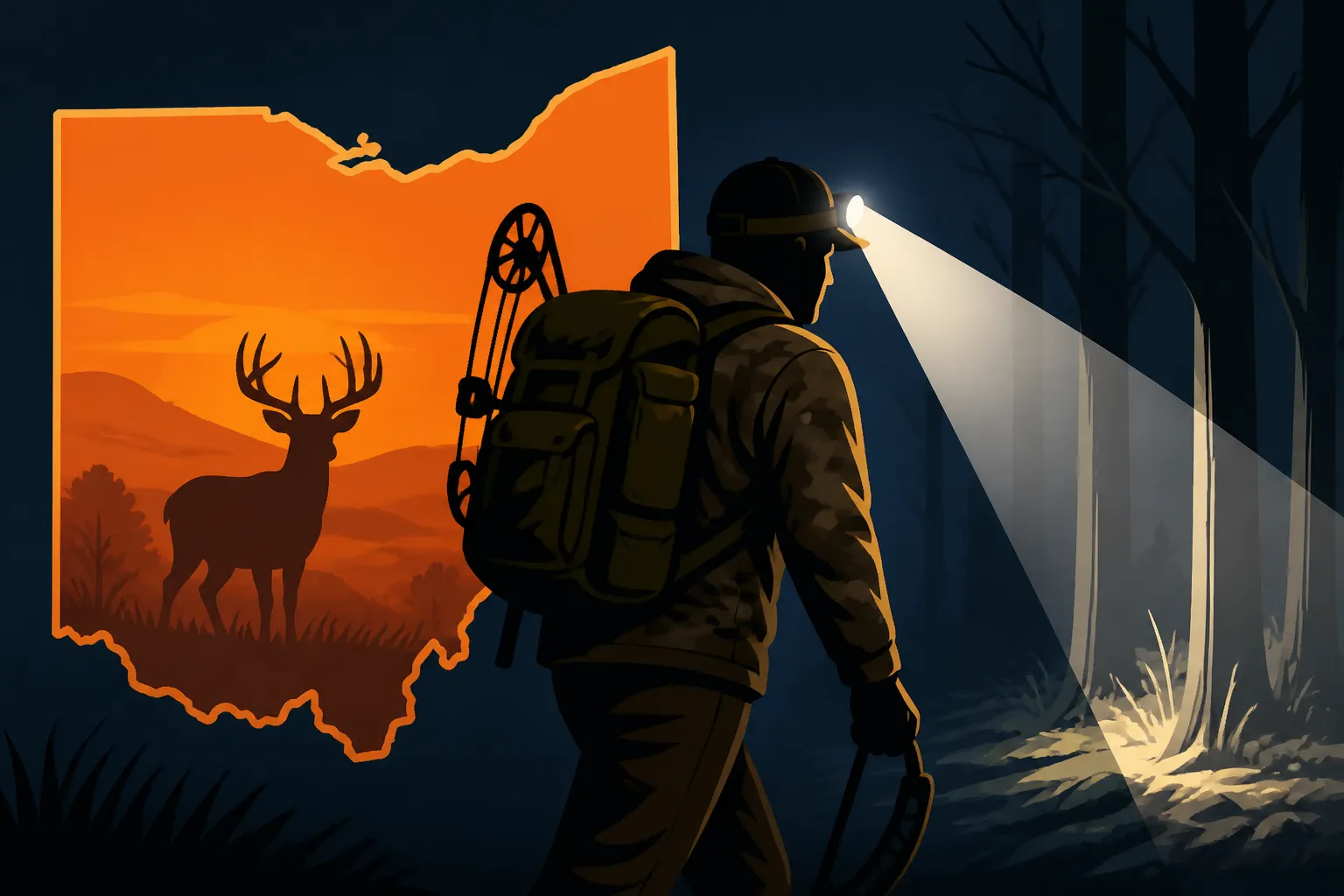
There’s nothing quite like the feeling of watching the last sliver of sunlight fade over an Ohio ridge, knowing you’ve just had a fantastic hunt. But that magical moment can quickly turn into a nerve-wracking ordeal if you’re suddenly plunged into true darkness without the right gear to guide your way. Trying to navigate unfamiliar woods, track a deer, or even just find your vehicle in pitch black can be disorienting and frankly, dangerous. This comprehensive guide will illuminate why a high-quality headlamp isn't just a convenience, but an absolute necessity for any Ohio hunter, and how to choose and use one effectively when walking out after dark.
The Non-Negotiable Necessity of a Quality Headlamp for Ohio Hunters
Many hunters, especially new ones, often underestimate the critical role a good headlamp plays once the sun dips below the horizon. It's easy to think "my phone flashlight will do," or "I know these woods like the back of my hand." But let me tell you, the Ohio wilderness, from the dense Appalachian foothills of Shawnee State Forest to the winding creek bottoms of our rich farmlands, transforms completely in the dark. What seems like a familiar trail in daylight can become a labyrinth of shadows and hidden obstacles.
Navigating Treacherous Terrain After Dark
Picture this: You’ve just spent the afternoon perched quietly in your Treestand Setups in Appalachian Ohio Hardwoods on a steep slope, or perhaps you've been Still-Hunting Shawnee State Forest Ridges. The shot was perfect, the deer dropped, and now you’re pumped. But as you field dress your deer, dusk turns to dark faster than you anticipate. That gentle slope you climbed earlier now looks like a sheer drop. The fallen logs, briar patches, and muddy creek crossings you easily sidestepped on the way in are now invisible hazards just waiting to trip you up. A reliable headlamp with a broad, bright beam makes all the difference, revealing every root and rock, letting you maintain your footing and prevent a nasty fall that could turn a successful hunt into a painful trip to the emergency room. It's not just about seeing; it's about seeing safely.
Tracking Wounded Game and Blood Trails
One of the most heart-wrenching situations in hunting is having a wounded animal at last light. If you can’t make a clean recovery before darkness sets in, a good headlamp becomes your most vital piece of equipment. Blood Trailing After Dark in Ohio is incredibly challenging. Blood trails, especially on leaf litter, can be nearly impossible to discern in dim light or with a weak, focused beam. A headlamp with adjustable brightness and, crucially, different light modes (like a red light or even a UV light on some specialized models) can drastically improve your chances. The ability to cast a wide, even light across the forest floor helps you pick up subtle signs, while a focused spot beam can help confirm specific drops. Without that reliable light, you might be forced to abandon the trail until morning, risking spoilage and a lost animal. It's a responsibility every hunter shoulders, and a headlamp empowers you to fulfill it.
Essential Tasks and Field Dressing
Even if you drop your deer cleanly and don't have to track far, field dressing and preparing your harvest for the drag out often extend well past legal shooting hours, which typically conclude at sunset. Trying to perform the intricate task of field dressing with one hand holding a phone, or worse, fumbling in near-darkness, is not only inefficient but also increases the risk of accidental cuts. A headlamp keeps both hands free, illuminating your work area effectively. When you're Field Dressing a Deer in Cold Weather, dexterity is already an issue, and good lighting makes all the difference. Furthermore, if you're marking your location with a GPS or checking your game in the Ohio HuntFish App, a headlamp frees up your hands for these critical digital tasks. Tools like GoHunt can help you map out your extraction route ahead of time, but a headlamp ensures you can actually follow it.
What Makes a Great Hunting Headlamp: Features to Prioritize
When you start looking at headlamps, the sheer variety can be overwhelming. Don't just grab the cheapest one; think about the specific demands of Ohio hunting. You're not just walking your dog around the block; you're often deep in the woods, far from easy assistance.
Lumens, Beam Patterns, and Runtime
The first thing most people look at is lumens – how bright the light is. While a high lumen count is great for maximum visibility, it’s not the only factor. A headlamp with 300-500 lumens is usually sufficient for most walking and general tasks, but for serious Blood Trailing After Dark in Ohio or navigating particularly challenging terrain, something in the 700-1000 lumen range can be a real game-changer. Just remember, higher lumens mean shorter battery life.
Consider the beam pattern:
- Floodlight: A wide, even beam that illuminates a large area close to you. This is ideal for walking, setting up camp, or field dressing.
- Spotlight: A narrow, focused beam that reaches farther into the distance. This is great for scanning ahead, spotting landmarks, or looking for specific signs on a distant trail.
- Combo: Many quality headlamps offer a combination of both, allowing you to switch between them or even blend them for the best of both worlds. This versatility is incredibly useful for hunting.
Runtime is crucial. Check the manufacturer's specified runtime at various brightness levels. You don't want your light to die halfway through a long pack-out. Look for headlamps that can maintain a usable light output for at least 4-6 hours on a medium setting. A headlamp that throttles down its brightness dramatically after only an hour isn't doing you any favors.
Battery Type and Management
The choice between rechargeable and disposable batteries is a big one.
- Disposable Batteries (AA/AAA): These are readily available and can be swapped out quickly in the field. The downside is the ongoing cost and environmental impact. Always carry spare batteries, especially when planning to be out for extended periods or in cold weather, which drains batteries faster.
- Rechargeable Batteries (Lithium-ion): Many modern headlamps use integrated rechargeable lithium-ion batteries. These often offer higher power output and are more economical in the long run. The key here is to always charge them fully before a hunt and consider carrying a small, portable power bank to recharge in the field if necessary. Some models even allow you to swap out the rechargeable pack for disposable batteries as a backup, which is a fantastic feature for Ohio hunters.
It’s not just about the battery type; it's about battery management. Always start your hunt with a fully charged or fresh set of batteries. When you’re walking out, use the lowest practical setting to conserve power, only cranking up the lumens when you truly need them for a specific task like Tracking a Deer in Fresh Ohio Snow.
Durability, Water Resistance, and Comfort
Hunting gear takes a beating, and your headlamp is no exception. It needs to be tough enough to withstand accidental drops, bumps against trees, and the general rigors of the Ohio woods.
- Impact Resistance: Look for models that specify a drop rating.
- Water Resistance (IPX rating): Ohio weather is notoriously unpredictable. A sudden downpour or wet snow can ruin a non-resistant headlamp. An IPX4 rating will protect against splashes, but an IPX7 or IPX8 rating means it can handle immersion, which is ideal for serious hunters. You want to know your light will work when you're Keeping a Muzzleloader Dry in Wet Snow or facing a similar challenge.
- Comfort: You'll be wearing this on your head, potentially for hours. A wide, adjustable strap that doesn't slip is important. Some headlamps come with a top strap for added stability, which is great if you're moving vigorously or carrying a heavy pack. Lightweight designs also reduce neck fatigue.
Red Light and Other Specialty Features
Many hunting headlamps offer a red light mode, and this is far more than a gimmick. Red light preserves your natural night vision, meaning your eyes don't have to constantly readjust when you switch from a white light source. This is invaluable when you're trying to sneak into or out of a stand without spooking game, or if you need to quickly check your map or gear without blinding yourself or your hunting partners. It’s also less disruptive to wildlife.
Some high-end headlamps might include:
- UV light: Can make blood glow, though its effectiveness varies.
- Green light: Preferred by some for certain conditions.
- Motion sensor activation: Handy for hands-free operation, but can be accidentally triggered.
- Brightness memory: Remembers your last setting, so you don't have to cycle through modes every time.
When using resources like GoHunt to analyze aerial photos or mark waypoints, a headlamp with a dim red light setting allows you to see your phone screen without losing your night vision.
Practical Tips for Using Your Headlamp Safely and Effectively
Having the best headlamp on the market won't do you any good if you don't use it wisely. There's an art to maximizing its utility and ensuring your safety, and the safety of others, in the field.
Pre-Hunt Checks and Battery Management
Your headlamp should be part of your pre-hunt gear check, every single time. It's like checking your Ohio Legal Firearms for Deer Hunting before heading out.
- Test It: Always turn your headlamp on before you leave home. Cycle through all the modes and make sure everything works as expected. Don’t wait until you’re in the dark woods to discover a dead battery or a faulty switch.
- Fresh Batteries/Full Charge: Replace disposable batteries with fresh ones, or ensure your rechargeable battery is at 100%. If you use disposables, carry a spare set in a waterproof bag. If you rely on rechargeable, a small, fully charged power bank is a smart backup.
- Pack Smart: Keep your headlamp easily accessible, not buried at the bottom of your pack. Many hunters attach it to the outside of their pack or keep it in a top pocket so it can be deployed instantly if conditions change unexpectedly.
Navigating and Signaling
When you're Reading a Ridge for Southeast Ohio Deer and scouting, you mark your waypoints in daylight. A headlamp ensures you can find those same waypoints in the dark.
- Scan Frequently: Don't just stare at your feet. Regularly sweep your beam left, right, and forward to get a full picture of your surroundings. This helps identify distant landmarks, potential hazards, and allows your eyes to adjust to different lighting conditions.
- Trail Markers: If you're going deep into unfamiliar territory, consider using biodegradable trail markers that reflect light. Your headlamp will easily pick these up on the way out. Many hunters use apps on their phone, which is great, but a physical marker can be a lifesaver if your phone battery dies or you lose signal.
- Signaling: In an emergency, a bright headlamp can be used to signal for help. Know how to use a basic SOS signal (three short flashes, three long flashes, three short flashes). Having a second, smaller backup light can also be a literal lifesaver if your primary headlamp fails. This is especially important if you're hunting in remote areas like those accessed when Finding Ground Others Walk Past in deep public land.
Etiquette and Safety Around Other Hunters
Hunting, especially on public land during popular seasons like Ohio's Two-Weekend Gun Deer Season, means you'll encounter other people. Your headlamp usage needs to be mindful of them.
- Avoid Blinding Others: Directing a bright headlamp into someone's eyes, even accidentally, is jarring and can temporarily blind them. Be conscious of where your light is pointing, especially when talking to other hunters or crossing paths. Dim your light or point it downwards when engaging with others.
- Signal Your Presence: If you hear other hunters nearby, a quick flash of your headlamp can signal your location and prevent confusion or accidental encounters. Always assume there are other hunters in the woods, especially during peak seasons.
- Blaze Orange/Pink: Remember, even with a headlamp, you're only visible where the light falls. Always wear your Ohio Blaze Orange Requirements when gun hunting, and consider it during archery season if you're moving around. The reflective properties of blaze orange or pink will catch any light, making you more visible to others.
Maintaining Your Headlamp for Peak Performance
Just like you maintain your firearms and bows, your headlamp needs regular care to ensure it’s ready when you need it most. Neglecting it could mean being left literally in the dark.
Cleaning and Storage
The Ohio woods are dirty – mud, dust, leaves, water. All of these can affect your headlamp.
- Wipe it Down: After each hunt, especially if it was muddy or wet, wipe down your headlamp with a damp cloth. Pay attention to the lens, the battery compartment seal, and the strap. Dirt on the lens will diminish light output, and dirt or grit in seals can compromise water resistance.
- Clean the Strap: The elastic strap can get sweaty and grimy. Most straps are removable and can be hand-washed with mild soap and water, then air-dried. This not only keeps it clean but also extends the life of the elastic.
- Proper Storage: Store your headlamp in a cool, dry place. If it uses disposable batteries, remove them during long periods of non-use to prevent corrosion, which can permanently damage the contacts. For rechargeable units, aim to store them with a partial charge (around 50%) rather than fully drained or fully charged for extended periods, as this helps preserve battery health over time. A dedicated small gear bag or compartment in your pack is a great way to protect it.
Checking for Wear and Tear
Regularly inspect your headlamp for any signs of damage.
- Strap Condition: Is the elastic stretched out? Are there any tears or frayed edges? A worn-out strap won't hold the light securely.
- Housing and Lens: Look for cracks in the plastic housing or scratches on the lens. Minor scratches can be buffed out on some lenses, but deep cracks might compromise water resistance.
- Battery Contacts: If using disposable batteries, check the metal contacts inside the battery compartment for corrosion. Clean any light corrosion with a pencil eraser or cotton swab and a drop of rubbing alcohol.
- Switch Functionality: Make sure the power button and mode switches are working smoothly and aren't sticky or loose.
By taking these simple steps, you ensure that your headlamp is always ready for action. Imagine being out late, Hunting Small Private Tracts in Ohio or Running a Raccoon Hound After Dark, when suddenly you’re in a deep ravine, and your light flickers out. This isn't just an inconvenience; it can be a serious safety issue. Having a reliable headlamp is a crucial part of your overall safety strategy, alongside packing a First Aid Kits for Remote Wayne Forest Ground and knowing your route. Never skimp on this essential piece of gear, and always remember to prepare it as diligently as you prepare your weapon for the hunt.
Disclaimer
This article is for general informational purposes only and does not constitute professional advice. Laws, prices and regulations vary by location and change over time. Consult a qualified professional for guidance on your specific situation.