Blaze Orange Jackets Versus Vests
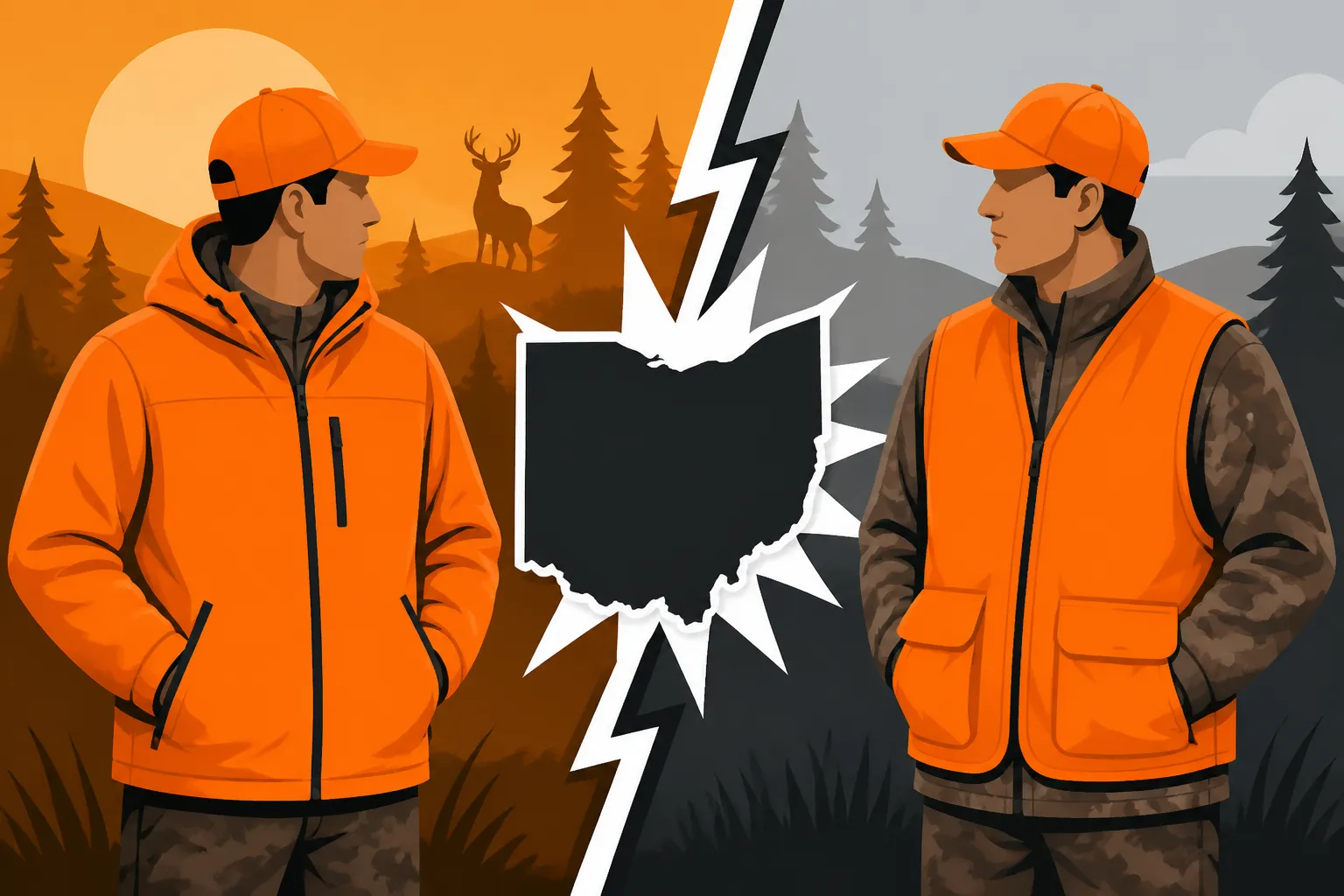
It’s a classic dilemma every Ohio hunter faces when gearing up for deer season: do you go with a blaze orange vest, or opt for a full blaze orange jacket? This isn't just about personal preference; it’s about safety, comfort, and adapting to Ohio's unpredictable weather and varied hunting regulations. This guide will meticulously break down the nuances of each option, helping you make an informed choice that keeps you safe and effective in the field.
Ohio's Blaze Orange Requirements: Knowing the Rules
Before you even think about style or comfort, understanding Ohio's blaze orange regulations is absolutely paramount. Ignorance of the law is never an excuse, and a violation can quickly turn a great hunting trip into a costly and frustrating experience. These rules are in place for a reason: to maximize hunter visibility and prevent tragic accidents, especially during high-pressure seasons.
The Legal Minimum: What You Absolutely Need
Ohio law is quite clear on the minimum amount of visible hunter orange (or hunter pink) required during specific hunting seasons. When hunting deer, bear, or feral swine during a gun season (including youth gun, muzzleloader, and the regular gun seasons), or hunting any game in an area open to legal deer gun hunting, you must wear hunter orange or hunter pink. The requirement specifies that you need to wear an outer garment that is primarily hunter orange or hunter pink. This means a hat, vest, jacket, or combination that is conspicuously visible from all sides. While the law doesn't specify a precise square footage, the intent is clear: you need to be seen.
This legal minimum is often met by a simple vest. Many hunters might just throw on a cheap mesh vest over their regular camouflage. And while that technically meets the letter of the law, it might not always be the safest or most comfortable option. Think about the density of Ohio's woods, especially in places like Wayne National Forest or Shawnee State Forest, where visibility can be limited by thick undergrowth or rolling terrain. Just meeting the minimum could mean you're harder to spot by other hunters moving through dense cover. It’s always smart to exceed the minimum, rather than just barely scraping by.
When Blaze Orange (or Pink) is Mandatory
The primary times you’ll absolutely need to don your blaze orange or pink are during Ohio's dedicated deer gun seasons. This includes the Ohio Youth Gun Weekend Dates, the Ohio Regular Gun Season First Weekend, and the Ohio Regular Gun Season Second Weekend in December. It also extends through the Ohio Muzzleloader Season Dates in January. During these periods, if you're out chasing deer, you must have that visible outer layer. This regulation even applies if you're hunting other small game, like squirrels or rabbits, in an area that is also open to deer gun hunting. You can't just assume that because you're targeting small game, you're exempt; if deer hunters are present with firearms, you need to be visible.
It's also important to remember that these rules apply to all hunters, whether you’re on public ground or private land. There's no exemption just because you're on your own property or a leased farm. The goal is universal safety. Furthermore, Ohio also offers hunter pink as an alternative to orange, which is a great option for those who prefer it, offering the same level of visibility and safety. Make sure you're clear on How Much Blaze Orange Ohio Requires and the specifics of Blaze Pink Options Under Ohio Law to ensure full compliance.
The Case for Blaze Orange Vests: Lightweight and Versatile
Blaze orange vests are the go-to choice for many Ohio hunters, and for good reason. They offer a simple, often affordable, solution to meeting legal requirements without adding excessive bulk or warmth when it’s not needed.
Benefits of Vests: Layering and Breathability
One of the biggest advantages of a blaze orange vest is its incredible versatility for layering. Ohio weather, especially during deer season, can be notoriously fickle. You might start a November morning with frost on the ground, but by midday, the sun could be beating down, pushing temperatures into the 50s. A vest allows you to easily layer it over whatever clothing you've chosen for insulation underneath – be it a light long-sleeve shirt for early season archery crossover days, or a heavy wool jacket for a frigid late-season sit. This adaptability is crucial for regulating your body temperature.
Think about a warm October day when you're still Bowhunting Ohio's Long Archery Season. You might be wearing a lightweight merino base layer and a thin fleece. Throwing a vest over that provides the required visibility if you're scouting or retrieving, without making you overheat. The open sides and lack of sleeves on a vest allow for excellent air circulation, which helps manage perspiration and prevents you from getting clammy. This breathability is especially appreciated during active hunts, like still-hunting through the Appalachian foothills or working a small woodlot. For those utilizing modern hunting techniques like saddle hunting, a vest can be less restrictive than a jacket, allowing for a full range of motion while climbing and maneuvering around the tree. This layering capability is something I cover more deeply in Layering for an Ohio Deer Stand.
Drawbacks of Vests: Limited Coverage and Storage
While vests excel in adaptability, they do come with their own set of limitations. The most obvious is the lack of coverage. In truly cold, windy, or wet conditions, a vest offers no protection from the elements. If you're sitting for hours in a biting December wind or a damp drizzle during the Ohio Muzzleloader Season Tactics, you'll quickly wish you had more than just a thin layer of orange over your core. Your arms and shoulders remain exposed to the elements, which can lead to significant discomfort and even an early exit from your stand.
Another common complaint is the limited storage. Many basic blaze orange vests are just that – a simple piece of fabric with perhaps one or two small pockets. This means you'll still need to rely on your underlayers, a separate pack, or cargo pants to carry essentials like calls, snacks, a rangefinder, or a small first-aid kit. While a good hunting pack can solve this, it's another piece of gear you need to manage. This can be particularly inconvenient if you’re trying to move light and fast, or if you’ve already filled your backpack with heavy gear for a long day in Wayne National Forest. Trying to fish a grunt tube out from under multiple layers beneath a vest can also be a cumbersome process, potentially spooking a wary buck.
The Case for Blaze Orange Jackets: Warmth and Protection
For many, especially when the mercury drops, the blaze orange jacket is the undisputed champion. It combines your required safety color with functional outerwear, streamlining your gear and providing significant protection.
Advantages of Jackets: Warmth, Weather Protection, and Pockets
The most apparent benefit of a blaze orange jacket is the integrated warmth and weather protection it provides. When temperatures plummet, and a cold front sweeps across Ohio, a well-insulated blaze orange jacket is a game-changer. It offers comprehensive coverage, protecting your core, arms, and shoulders from biting winds, freezing rain, and snow. This is particularly crucial during the late deer seasons, like the second gun weekend in December or the muzzleloader season in January, where prolonged exposure to cold can be dangerous. Imagine sitting in a treestand during a light snow flurry; a jacket will keep you far more comfortable than a vest, allowing you to stay on stand longer and increase your chances of success.
Beyond warmth, many blaze orange hunting jackets are designed with hunters in mind, featuring specialized fabrics that are water-resistant or even fully waterproof. They often incorporate quiet materials to minimize noise when moving or drawing a bow (if you're using it during a gun season for an antlerless permit). Crucially, these jackets typically come with an abundance of strategically placed pockets. These pockets are invaluable for organizing and accessing your gear quickly—from extra rounds of ammunition to your grunt tube, a rangefinder, snacks, or even a small pair of binoculars. Being able to easily reach into a chest pocket for your license (which you should always have on you, perhaps even with the GoHunt app for digital mapping) without fumbling through layers is a significant advantage, especially when every second counts.
Disadvantages of Jackets: Bulk, Overheating, and Cost
While jackets offer excellent protection, they aren't without their drawbacks. One major concern is bulk. A warm, insulated blaze orange jacket can be cumbersome, restricting your range of motion, especially when shouldering a rifle or drawing a bow. This bulk can make long walks into the stand more tiring and can even make it harder to maneuver quietly in tight cover. Imagine trying to slip through a dense briar patch in a bulky jacket; you'll likely snag, make noise, and possibly damage your gear.
Overheating is another significant issue. If you've invested in a heavy, insulated jacket for a cold morning, but the day warms up unexpectedly, you can quickly find yourself sweating profusely. This is a common scenario in Ohio, where early November mornings can be crisp, but afternoons turn mild. Sweating in cold weather is a dangerous game, as moisture next to your skin rapidly cools, leading to a chill once you stop moving. Unlike a vest, you can't easily shed a jacket and still maintain your required blaze orange visibility, forcing you to choose between being too hot or being non-compliant.
Finally, blaze orange jackets, especially those designed with technical hunting features, can be significantly more expensive than a basic vest. Investing in a high-quality jacket means a bigger upfront cost, which might be a barrier for some hunters. Comparing the price tags on a simple mesh vest versus a technical, insulated, waterproof hunting jacket, the difference is substantial. This is why many hunters opt for a versatile layering system that includes a high-performance jacket in a neutral color, and then just add a more affordable orange vest on top for legal compliance and flexibility.
Making the Right Choice for Your Ohio Hunt
Ultimately, the decision between a blaze orange jacket and a vest boils down to understanding your specific hunting scenario and personal comfort needs. There's no one-size-fits-all answer, as what works for a deer drive in late season might be completely impractical for a quiet still-hunt on a warm November afternoon.
Considering Weather and Season
The most critical factor in your decision will be the expected weather and the time of year. For early season gun hunts or the youth weekend where temperatures can still be mild, a vest often makes the most sense. You can wear your normal hunting attire—perhaps a quiet fleece or Wool Versus Synthetics in Wet Cold—and simply throw a vest over it. This allows for maximum flexibility if the weather changes throughout the day. You’ll be comfortable walking to your stand, and won't overheat once you're settled. This strategy is especially useful if you anticipate a lot of walking, such as during Deer Drives With Three or Four Hunters on public land.
However, when you push into late November, December, and especially the January muzzleloader season, a full blaze orange jacket becomes increasingly appealing. These periods often bring sustained cold, high winds, and precipitation like snow or freezing rain. Sitting immobile in a treestand for several hours in these conditions demands robust insulation and weather protection. A dedicated hunting jacket provides that crucial barrier against the elements, helping you stay warm and focused. If you're spending all day in a stand, a jacket that offers warmth, weather resistance, and ample pockets for gear is an invaluable asset that can significantly extend your comfortable hunting time.
Hunting Style and Terrain
Your hunting style and the specific terrain you'll be hunting in Ohio also play a significant role. If you primarily hunt from a stationary position, such as a treestand or ground blind, then warmth and weather protection might take precedence. A jacket, especially one designed for long sits, can be a huge benefit. On the other hand, if you're an active hunter who prefers to still-hunt ridges in places like Shawnee State Forest or engage in frequent spot-and-stalk tactics in more open farmland, then breathability and unrestricted movement are key. A vest, layered over lighter clothing, allows for better ventilation and less bulk, making it easier to navigate challenging terrain and cover ground quietly.
For hunters who frequently hike long distances to reach remote spots, like those exploring deep into Wayne National Forest, the weight and bulk of a jacket versus a vest can make a noticeable difference. Every pound and every bit of restriction adds up on a long trek. Some hunters even choose to carry their bulky jacket in their pack, like a Packs Built for a Wayne Forest Day Hunt, and only put it on once they reach their stand, donning a vest for the walk-in to stay legal and comfortable. This hybrid approach offers the best of both worlds, ensuring you’re prepared for the sit without sacrificing comfort during the approach.
Here's a quick comparison to help you weigh your options:
| Feature | Blaze Orange Vest | Blaze Orange Jacket |
|---|---|---|
| Visibility | Meets legal requirements; highly visible | Meets legal requirements; highly visible |
| Warmth | Minimal; relies on underlying layers | Integrated insulation; provides significant warmth |
| Weather Protection | None (unless underlying layers are protective) | Often windproof, waterproof, or water-resistant |
| Layering Versatility | Excellent; easily worn over any outfit | Less versatile; typically worn as an outer layer |
| Breathability | Very high; promotes air circulation | Varies; can cause overheating with exertion |
| Movement Restriction | Minimal; allows full range of motion | Can be bulky, potentially restricting movement |
| Storage (Pockets) | Limited (often 1-2 small pockets) | Ample (multiple specialized pockets) |
| Cost | Generally more affordable | Generally more expensive, especially technical models |
| Best For | Mild weather, active hunting, layering systems | Cold/wet weather, stationary hunting, all-in-one protection |
In conclusion, choosing between a blaze orange jacket and a vest isn't just a simple gear selection; it's a strategic decision that impacts your safety, comfort, and effectiveness as an Ohio hunter. Consider the specific season, the prevailing weather, and your personal hunting style. Don’t be afraid to own both, using them strategically to maximize your success and enjoyment in the field.
Disclaimer
This article is for general informational purposes only and does not constitute professional advice. Laws, prices and regulations vary by location and change over time. Consult a qualified professional for guidance on your specific situation.