Deer Carts on Forest Roads
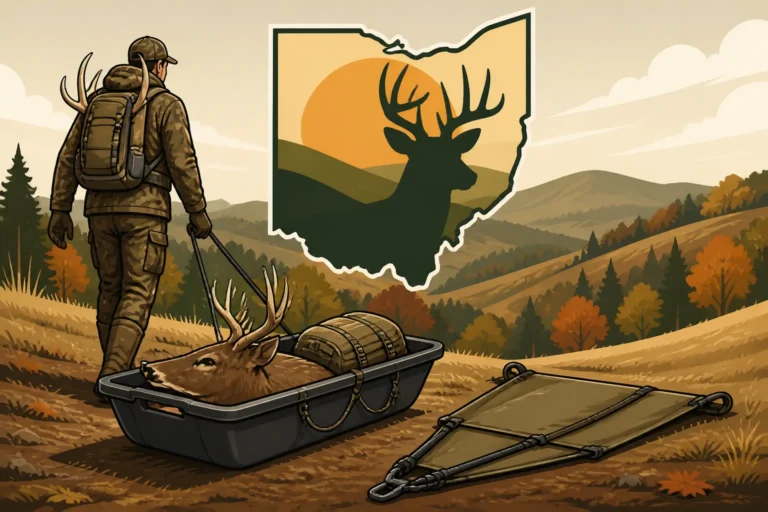
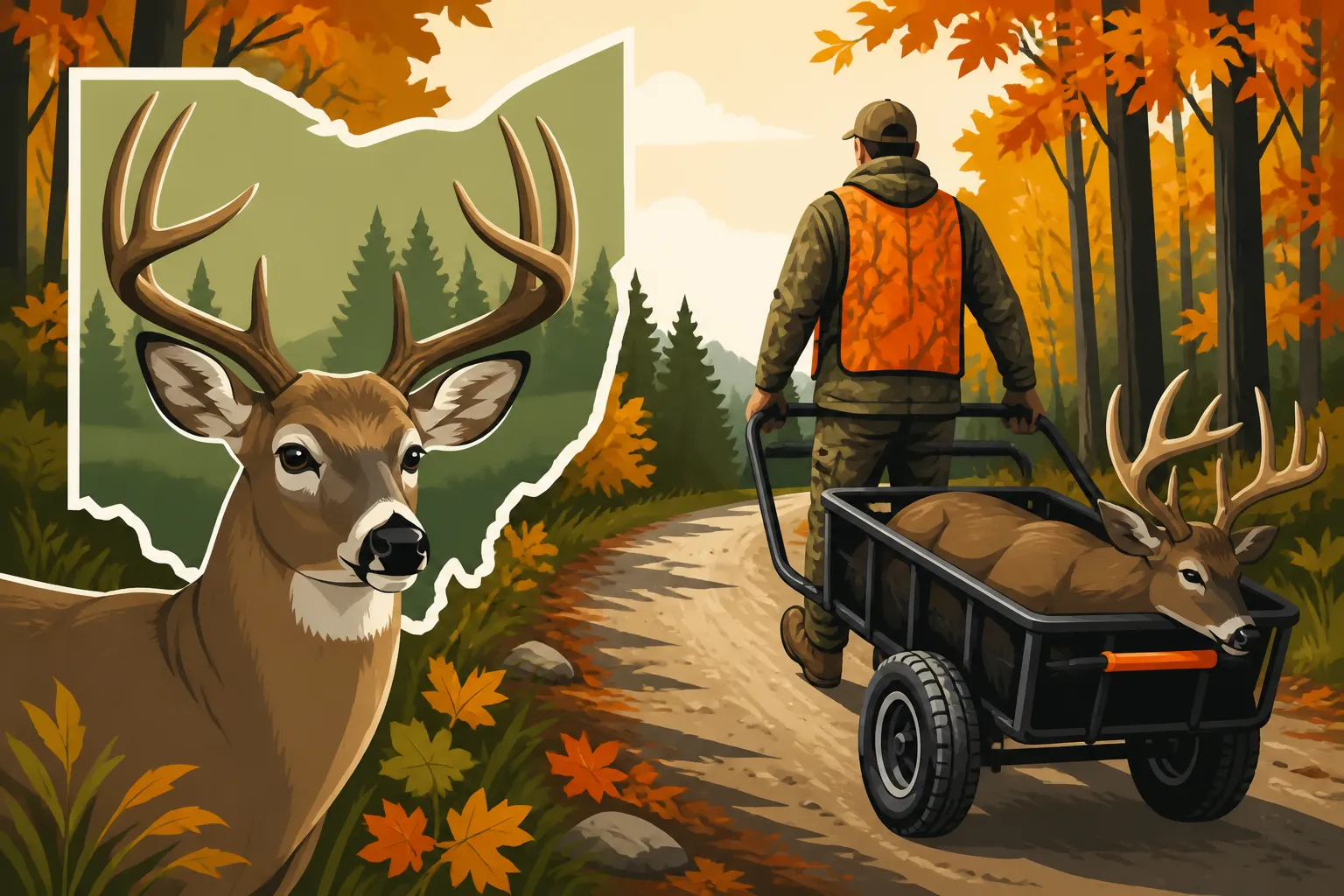
Dragging a hard-earned deer out of the woods can easily be the toughest part of any hunt, especially when you're miles back on a forest road in the sprawling public lands of Ohio. The sheer physical exhaustion, the strained muscles, and the slow, arduous progress can turn a triumphant harvest into an agonizing chore. This comprehensive guide will walk you through everything you need to know about using deer carts on forest roads, transforming that dreaded drag into a manageable, even comfortable, part of your hunting experience.
Why a Deer Cart is a Game Changer for Ohio Hunters
Let's be honest, few things drain the joy from a successful hunt faster than the thought of a mile-long drag back to the truck. Ohio's hunting landscape, from the steep, rugged hills of Appalachian Ohio to the rolling, sometimes muddy, forest roads of our state forests, presents unique challenges. A deer cart isn't just a convenience; for many hunters, it's a necessity that extends their hunting longevity and overall enjoyment.
The Back-Breaking Reality of a Drag
Imagine this scenario: you've just put down a beautiful Ohio whitetail deep in the Ironton Unit of Wayne National Forest. The shot was perfect, the buck is down, and the adrenaline is pumping. Then reality sets in. You're a mile and a half from your truck, and every inch of that ground seems to be uphill, riddled with roots, or slick with mud. Trying to shoulder the deer, or worse, dragging it solo, quickly turns into a test of pure will and physical endurance. Your back aches, your shoulders scream, and with every few yards, you need to stop and gasp for air. It's not just tiring; it's genuinely risky. Pulled muscles, twisted ankles, and even more serious injuries are common when hunters push themselves too hard trying to move heavy game without proper tools. This physical toll can make you think twice about venturing too far from the road or even cut short your hunting career. For a detailed look at the difficulties, you might be interested in Dragging a Deer Off a Steep Ridge.
Navigating Ohio's Diverse Terrain with Ease
Ohio's public hunting lands offer a fantastic variety of terrain, but each type presents its own transport hurdles. In the flatter, often wetter regions like some sections of Killdeer Plains Wildlife Area or along the river bottoms of the Muskingum River, you might encounter thick mud that seems to suction your boots right off your feet. Up in the southeastern hills, particularly around places like Zaleski State Forest, those "forest roads" can be little more than old logging trails, rocky and strewn with fallen timber.
A well-chosen deer cart can glide over obstacles that would snag a dragged deer every time. The right wheels and frame allow you to navigate muddy ruts, roll over small logs, and maintain better control on inclines. Instead of wrestling the deer's dead weight, you're guiding a balanced load. This makes a monumental difference, especially if you're hunting alone or with a partner who might not be able to contribute as much brute strength. It keeps the hide cleaner, the meat cooler (by getting it out faster), and you, the hunter, much fresher for the post-harvest tasks of checking the deer and butchering.
Choosing the Right Deer Cart for Your Ohio Hunts
Just like picking a treestand or a new rifle, selecting a deer cart isn't a one-size-fits-all decision. The best cart for you depends on where and how you typically hunt in Ohio. Thinking about the terrain you frequent, the distance you expect to travel, and the size of game you're after will guide your choice.
Wheel Types and Their Terrain Performance
The wheels are arguably the most critical component of any deer cart. They dictate how well your cart will perform across the varied surfaces you'll encounter on Ohio's forest roads and trails.
- Large Pneumatic (Air-Filled) Tires: These are the workhorses for rough, uneven terrain. Think of the large, bicycle-like tires you see on some carts.
- Pros: They excel at absorbing shock, making for a smoother ride over roots, rocks, and uneven ground. Their wider surface area can also provide better flotation in mud or soft dirt, preventing the cart from sinking in. They offer excellent traction. If you're hunting the remote sections of Wayne National Forest or Shawnee State Forest Hunting, where trails can be rugged and unimproved, pneumatic tires are a lifesaver.
- Cons: They require maintenance. You'll need to check air pressure, and they are susceptible to punctures from thorns or sharp rocks, which can be a real headache miles back in the woods. Carrying a small hand pump and a patch kit isn't a bad idea with these.
- Solid Rubber Tires (or Hard Plastic/Polyurethane): These are a more "set it and forget it" option.
- Pros: They are puncture-proof and maintenance-free, offering peace of mind. They are extremely durable and won't go flat. If your typical "forest roads" are relatively smooth, well-maintained gravel or dirt roads, these can be a good option.
- Cons: They offer very little shock absorption, meaning a much bumpier ride over obstacles. They can also struggle in soft mud or deep sand, as they tend to sink rather than float, making it harder to pull. On rocky terrain, they transmit every bump directly to the frame, potentially jarring your load.
For most Ohio hunters who venture beyond perfectly groomed trails, large pneumatic tires will offer the most versatility and comfort. Many online hunting communities, like those found on GoHunt, offer discussions comparing the pros and cons of different wheel setups, sharing real-world experiences from Ohio hunters.
Frame Materials and Weight Capacity
The frame of your deer cart needs to be robust enough to handle the weight of an Ohio whitetail, plus any extra gear you might lash on.
- Steel Frames:
- Pros: Incredibly strong and durable. A steel frame can handle heavy loads, often exceeding the weight of even the largest Ohio bucks. They are less prone to bending or breaking under stress.
- Cons: Steel is significantly heavier than aluminum, which means more weight for you to push or pull before you even load a deer. This can be a factor if you have to carry the cart in a long way before the kill.
- Aluminum Frames:
- Pros: Much lighter than steel, making them easier to maneuver and transport, especially if you're packing the cart into a remote area before setting up. They are corrosion-resistant, which is a plus in wet Ohio weather.
- Cons: While strong, aluminum generally has a lower weight capacity than steel. For exceptionally large deer or if you plan to haul multiple smaller game animals, you'll need to check the specific weight rating carefully. They can also be more prone to bending under extreme, concentrated stress.
When considering capacity, think about the typical size of deer in your hunting area. A mature buck in northwest Ohio farmland might be considerably heavier than a young doe taken from the more rugged terrain of southeast Ohio. You'll also want to consider if you'll be strapping on your hunting pack, a cooler for Early Archery Kill, or a separate bag for your Meat Care Gear for Ohio Hunters.
Foldability and Transport
Let's be real, not everyone drives a pickup truck with an empty bed. Your deer cart needs to get to and from the hunting area, and often that means fitting it into a trunk, back seat, or the limited space in an ATV.
- Folding Carts: Most modern deer carts are designed to fold down, but the ease and compactness of the fold vary wildly.
- Quick-Fold Mechanisms: Some carts feature quick-release pins or hinges that allow them to collapse rapidly into a relatively flat profile. This is fantastic for tossing it into the back of an SUV or even a car trunk without much fuss.
- Compactness: Pay attention to the folded dimensions. A cart that folds truly flat can be a game-changer for smaller vehicles or if you need to carry it strapped to your pack for a long hike. Many portable deer cart models are reviewed on platforms like GoHunt, showcasing how easily they break down for transport and storage.
- Assembly/Disassembly: Some carts require more extensive disassembly of wheels and axles. While this might result in an even more compact package, it adds time and effort when you're ready to use it or pack it up after a long day. If speed and ease are priorities, look for models that maintain their integrity with minimal breakdown.
Practical Tips for Using Your Deer Cart on Ohio Forest Roads
Having the right deer cart is only half the battle; knowing how to use it effectively is key to making your life easier and ensuring your harvest gets out of the woods safely and efficiently.
Prepping Your Harvest for the Ride
Proper preparation of your deer before loading it onto the cart can prevent headaches down the road (literally!).
- Field Dressing First: Unless you're dealing with extreme cold or a very short distance, field dress your deer where it falls. This significantly reduces the weight you'll be hauling and helps the carcass cool down faster, preserving the meat quality. It also minimizes any mess you'll be transporting. For tips on how to do this in various conditions, check out Field Dressing a Deer in Cold Weather.
- Positioning for Balance: Lay the deer on the cart with its backbone centered over the axle. This distributes the weight evenly and makes the cart much easier to balance and maneuver. If the head or hindquarters are cantilevered too far off one end, the cart will feel heavier and more prone to tipping.
- Secure with Straps: Always, always, always use heavy-duty cam-buckle straps or strong rope to secure the deer firmly to the cart's frame. Don't rely on bungee cords for this—they can stretch, allow movement, and even snap back dangerously. Wrap straps tightly around the deer's chest and hindquarters, ensuring no limbs are dangling or can catch on brush. A well-secured deer prevents shifting, which can cause the cart to become unbalanced or flip on uneven terrain. This is especially crucial on downhill slopes or when traversing side hills.
- Protect the Meat: If it's a warm day, consider placing the deer on some branches or a small tarp on the cart to allow for better airflow and keep it off any hot metal surfaces. A game bag can also help protect the meat from flies and debris during transport.
Navigating Tricky Spots and Steep Inclines
Ohio's terrain, particularly in the southern and eastern parts of the state, isn't always flat. You'll encounter hills, ditches, and rocky patches on even the most established forest roads.
- Teamwork Makes the Dream Work: If you're hunting with a partner, navigating challenging terrain with a deer cart becomes much easier. One person can pull from the front, setting the pace and direction, while the other pushes from the back, providing momentum and stability. This is particularly helpful on steep ascents or through deep mud.
- Techniques for Hills:
- Uphill: Take it slow and steady. If the hill is very steep, a zig-zag approach can sometimes lessen the grade. If you have a rope, you can loop it around a tree for leverage, pull the cart a few feet, then secure the rope again, leapfrogging your way up.
- Downhill: Maintain control. Don't let gravity run away with the cart. Walk in front, pulling back slightly to control its descent, or have a partner behind, acting as a brake. Be extra cautious of loose rocks or slippery leaves that could cause you to lose footing.
- Over Obstacles: For logs or large rocks, you might need to lift one side of the cart at a time, or if the obstacle is small enough, the pneumatic tires might simply roll over it. If it's a significant barrier, two people can lift the entire cart over. Communication is key if you're working with a partner. For extremely rugged sections, sometimes, it's easier to briefly remove the deer and carry it a few yards before re-loading the cart.
- Mud and Ruts: Keep your momentum in muddy spots. If the wheels start to sink, try to pull or push with consistent force rather than jerking, which can just dig them deeper. If a rut is too deep, you might need to pull the cart slightly off the trail to find firmer ground, or slowly work one wheel out at a time. This requires patience, but it's often faster than dragging a mud-caked deer.
Maintenance and Storage
A little care for your deer cart goes a long way in ensuring it's ready for action year after year.
- Cleanliness is Key: After each use, especially if it's been a messy hunt, clean your cart thoroughly. Remove any dirt, mud, blood, or debris from the frame, wheels, and straps. A hose and a stiff brush usually do the trick. This prevents rust (especially on steel frames), keeps moving parts free, and removes scents that might attract critters during storage.
- Check Tire Pressure: If your cart has pneumatic tires, regularly check and maintain the recommended tire pressure. Under-inflated tires make the cart harder to pull and are more prone to punctures. Over-inflated tires can burst or provide a harsher ride.
- Lubricate Moving Parts: Apply a light oil or silicone spray to any axles, hinges, or folding mechanisms. This prevents rust, ensures smooth operation, and extends the life of these components.
- Proper Storage: Store your deer cart in a dry place, away from extreme temperatures and direct sunlight. If it's a folding cart, collapse it to save space. If you store it upright, ensure it's stable and won't tip over. You can often find great forums and advice on sites like GoHunt regarding long-term care for hunting gear, including deer carts.
When a Deer Cart Might Not Be the Best Option
While deer carts are incredibly useful, there are situations where they might actually hinder more than help. Knowing when to leave the cart behind, or opt for an alternative method, is part of becoming a seasoned Ohio hunter.
Deep Woods, Thick Brush, and Off-Trail Hauls
Sometimes, you've pursued that wily buck into the absolute thickest, nastiest cover imaginable. Think of dense honeysuckle thickets along an Ohio fencerow, or deep, almost impenetrable clear-cuts in the Appalachian foothills. In these environments, even the most agile deer cart can become a liability.
- Impassable Terrain: If the terrain is so choked with brush, downed trees, or steep, rocky ledges that you struggle to walk through it yourself, a deer cart will likely be impossible to pull. You'll spend more time trying to maneuver the cart than actually moving the deer.
- Boning Out: In these extreme situations, "boning out" the deer might be your best bet. This involves skinning and quartering the animal where it fell, packing the meat out in a sturdy backpack. This drastically reduces weight and allows you to navigate rugged terrain much more freely. It's a skill worth learning for any serious backcountry hunter, especially when dealing with Recovering a Deer From a Steep Ravine. For more on this, check out Bone Saws Versus the Gutless Method.
- Deer Sleds: If there's snow on the ground, a deer sled is an excellent alternative. Sleds glide over snow and can navigate brush more easily than wheeled carts in certain conditions, especially when Tracking a Deer in Fresh Ohio Snow. For more on this, refer to Deer Sleds for Hill Country Snow.
Limited Public Land Access and Regulations
Ohio has a wealth of public hunting land, but not all of it is open to all forms of transport. Before you head out, always double-check the specific rules for the area you plan to hunt.
- Designated Trails Only: Many wildlife areas, state forests, and particularly units of Wayne National Forest have regulations restricting wheeled vehicles, including deer carts, to designated forest roads or trails. While you might be able to use your cart on these roads, taking it off-trail to the deer's location might be prohibited. Understanding these rules is crucial to avoid fines or losing hunting privileges. This differs from rules around motorized vehicles, as seen in ATV Rules on Ohio Forest Roads, but the principle of staying on designated paths often applies.
- "Walk-In Only" Areas: Some public lands or specific sections are designated "walk-in only," meaning no wheeled conveyances (other than wheelchairs for mobility-impaired hunters) are permitted. These areas are often managed for low-impact hunting and a more remote experience. Your best bet in such areas will be to bone out your deer or plan for a traditional drag with a sturdy deer drag harness.
- Checking Regulations: Always consult the official Ohio Department of Natural Resources (ODNR) website or the signage at the specific public hunting area you intend to visit. While resources like GoHunt can sometimes offer community insights into local rules, official ODNR sources are always primary. Don't rely on assumptions. Knowing the rules before you go ensures a legal and stress-free hunt.
Disclaimer
This article is for general informational purposes only and does not constitute professional advice. Laws, prices and regulations vary by location and change over time. Consult a qualified professional for guidance on your specific situation.