ATV Rules on Ohio Forest Roads
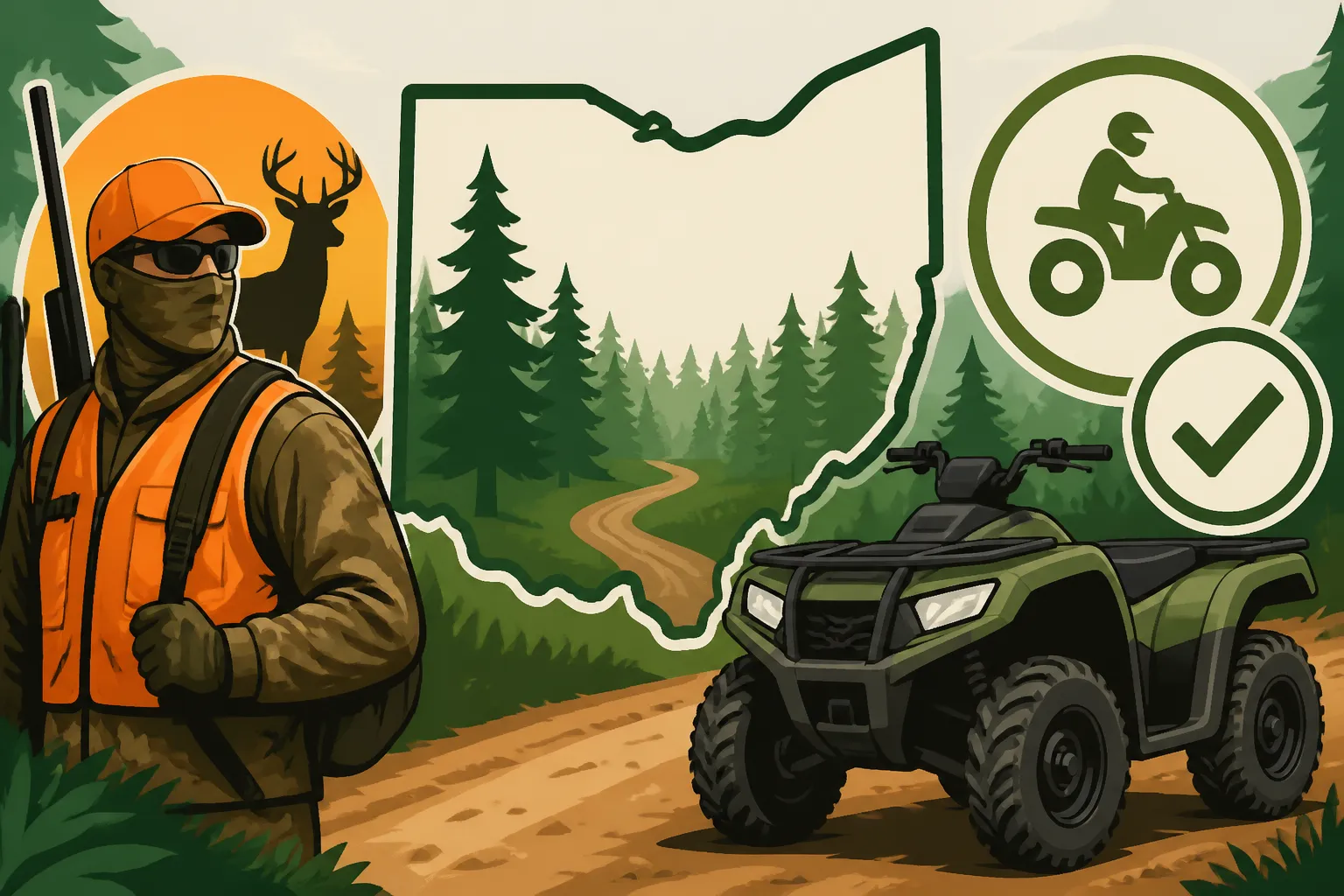
Trying to figure out where you can legally ride your ATV or UTV on Ohio's forest roads, especially when you're thinking about accessing prime hunting spots, can feel like navigating a maze blindfolded. Many hunters rely on these vehicles to get deep into public land, but a wrong turn can lead to a hefty fine or even losing access. This guide is here to untangle those rules, clarify where you can and cannot ride, and help you use your off-highway vehicle (OHV) responsibly and legally in Ohio's forests.
The Basics of ATV Use on Ohio Forest Roads
When you envision driving an ATV through a dense Ohio forest, it's easy to picture wide-open trails and endless possibilities. However, the reality, especially on public lands, is far more structured and regulated. Ohio has specific rules governing the use of ATVs and UTVs, and understanding these is your first step to a hassle-free hunting or recreational experience. These aren't just suggestions; they are laws enforced by wildlife officers and forest rangers, designed to protect both the environment and public safety.
Federal vs. State Regulations: Knowing Who's in Charge
One of the biggest sources of confusion for OHV users in Ohio is figuring out which set of rules applies to a given piece of land. Generally, Ohio's public forests fall under two main categories: federal lands, primarily the Wayne National Forest, and state lands, which include Ohio State Forests and Wildlife Areas. Each has its own managing agency, and with that comes different regulations regarding ATV use. Federal lands are managed by the U.S. Forest Service, while state lands are overseen by the Ohio Department of Natural Resources (ODNR) divisions like Forestry and Wildlife.
It's crucial to remember that what's legal on one might be strictly forbidden on the other. For instance, the Wayne National Forest has designated trail systems specifically for OHVs, and these are often well-marked and maintained. Conversely, many Ohio State Forests and most Wildlife Areas have much more restrictive policies, often prohibiting OHV use entirely outside of specific administrative purposes or designated parking areas. Always check the regulations for the specific area you plan to visit. Relying on assumptions can lead to trouble, as the agencies prioritize different aspects of forest management, from timber harvesting to wildlife habitat and recreational access.
Designated Trails and Prohibited Areas
The golden rule for ATV use on Ohio's forest roads is simple: stay on designated trails. If a trail isn't explicitly marked for OHV use, assume it's off-limits. This rule exists for several reasons, including preventing erosion, protecting sensitive habitats, and minimizing conflicts with other forest users like hikers, mountain bikers, and equestrians. Many forest roads that appear to be old logging roads or service roads are often closed to public motorized vehicle traffic.
These designated trails are often part of a specific OHV trail system, which usually requires a permit for use. The Wayne National Forest, for example, maintains a network of trails where OHVs are permitted, but even there, you can't just venture off onto any path you find. Wayne National Forest Hunting can be an incredible experience, but understanding the vehicle access is paramount. Signs are your best friend here. Look for clear markings indicating permitted OHV use, trail numbers, and any restrictions. If you don't see them, it's best to park your vehicle and proceed on foot. Violations in these areas are taken seriously, and the fines can be substantial.
Vehicle Requirements and Safety Gear
Just because you're riding an ATV in the woods doesn't mean you're exempt from basic safety and vehicle regulations. Ohio law requires certain equipment for OHVs, regardless of where you're riding. This includes things like working headlights and taillights, brakes, and mufflers. It's not just about compliance; it's about safety, especially if you find yourself out later than planned or in dusty conditions.
Beyond the vehicle itself, rider safety is paramount. Helmets are typically required for all riders, regardless of age, when operating an ATV on public lands. Eye protection is also highly recommended to shield against dust, branches, and insects. While not always mandated by law for adults, wearing appropriate riding gear like long pants, sturdy boots, and gloves can prevent serious injuries in the event of a fall or collision. Always ensure your ATV is in good working order before heading out, checking tire pressure, fluid levels, and brake functionality.
Where You Can and Cannot Ride: Specific Forest Roads
Ohio's landscape is diverse, from the rolling hills of Appalachia to the flat farmlands of the northwest. This diversity extends to its public lands, and with it, the rules for OHV access. Knowing the specific regulations for different public hunting areas is essential. Don't assume that what applies to one state forest will apply to another, or to federal lands. Each area has its own management plan, often tailored to its unique ecological features and recreational uses.
Wayne National Forest: Ohio's Primary ATV Destination
If you're looking for public lands in Ohio where you can legally ride your ATV, the Wayne National Forest is typically your go-to destination. Spanning southeastern Ohio, the Wayne offers dedicated OHV trail systems across its three units: Athens, Ironton, and Marietta. These trails are specifically designed, signed, and maintained for motorized off-highway vehicle use. You'll often find a mix of skill levels, from beginner-friendly paths to more challenging terrain suitable for experienced riders.
However, even within the Wayne National Forest, you can't just drive anywhere. Access is restricted to these designated, signed trails. Forest roads that are not part of the official OHV trail system, or those marked as "closed," are strictly off-limits. This distinction is crucial, especially for hunters trying to access deeper sections of the forest. While you might want to use your ATV to reach a remote stand location, most administrative or logging roads are not open to public OHV traffic. You'll often need a permit to use the OHV trails, which helps fund their maintenance. Make sure to check the Wayne National Forest website for the most current trail maps, operating seasons, and permit requirements before you head out. This area offers some incredible Hunting Southeast Ohio Appalachian Foothills, but access is key.
State Forests and Their Unique Restrictions
Beyond the Wayne National Forest, Ohio has several State Forests managed by the ODNR Division of Forestry. These include large tracts like Shawnee State Forest, Zaleski State Forest, and Tar Hollow State Forest, among others. While these state forests offer fantastic opportunities for hunting, hiking, and camping, their policies on ATV use are generally much more restrictive than the Wayne National Forest.
In most Ohio State Forests, motorized vehicles, including ATVs and UTVs, are generally prohibited on forest roads and trails unless specifically designated for such use. These designations are rare and usually limited to very specific administrative access points or short connector roads, not extensive trail systems. The primary purpose of many state forest roads is for timber management, fire suppression, and foot/equestrian access, not recreational OHV riding. Don't assume an old dirt road is open simply because it looks passable. If you're planning to hunt in an Ohio State Forest Hunting area, expect to be walking a significant distance or using a bicycle to access many remote spots. Always consult the specific state forest's regulations or contact the forest office directly for clarification.
The "Closed" Sign: What It Really Means
Encountering a "Closed" sign, a locked gate, or even a simple chain across a forest road can be incredibly frustrating, especially when you're trying to reach a promising hunting spot. However, these aren't merely suggestions; they are explicit directives from land managers. A "Closed" sign means exactly that: the road is not open for public vehicle traffic. This applies to all vehicles, including ATVs, UTVs, and even full-sized trucks.
These closures are put in place for a variety of reasons. It could be to prevent erosion during wet periods, protect recently planted timber, allow wildlife undisturbed access, or ensure the safety of logging operations. Disregarding a "Closed" sign is not only illegal but can also lead to resource damage and put you and others at risk. It's tempting to think that "just this once" won't hurt, but cumulative impacts from multiple users can severely degrade trails and habitats. Respecting these signs is a critical part of being a responsible OHV user and hunter. Instead of trying to bypass a closure, consider finding alternative access points or Finding Ground That Sees Fewer Hunters on foot.
Practical Considerations for Hunters Using ATVs
For many hunters, an ATV isn't just a toy; it's a vital tool for accessing remote areas and, more importantly, retrieving game. However, using an ATV for hunting requires careful thought beyond just legal access. It involves ethics, minimizing your impact, and smart planning to make your hunt successful and responsible.
Accessing Hunting Areas and Retrieving Game
One of the most practical applications of an ATV for hunters is undoubtedly for game retrieval. Imagine harvesting a large buck deep in a ravine in the Appalachian foothills. Dragging a Deer Off a Steep Ridge by hand can be an exhausting, even dangerous, ordeal. An ATV, if legal to use for retrieval in that specific area, can make this process infinitely easier and quicker. However, the key phrase here is "if legal." While some public lands might allow for temporary, designated vehicle access for game retrieval, others might not. Always know the rules before you head out.
For accessing hunting areas, the rules are generally more restrictive. As discussed, most public lands in Ohio prohibit ATVs on anything other than designated OHV trails or specifically marked administrative roads. This means that if your favorite stand is a mile off a forest road that isn't designated for OHVs, you're walking or using a bicycle. Planning your hunt around these vehicle restrictions is crucial. You might need to adjust your expectations about how deep you can penetrate the woods with motorized transport. Remember, getting your game out is important, but getting to your hunting spot legally is the first step.
Noise, Ethics, and Minimizing Impact
Using an ATV comes with inherent responsibilities, especially when hunting. The noise generated by an ATV can disturb wildlife, scaring off game from your hunting area and disrupting other hunters' experiences. While it might be legal to use your ATV on a specific trail, consider the timing and duration of your rides. Blasting through the woods at dawn on opening day could spook deer for miles around, affecting not just your hunt, but everyone else's. Hunting Pressure on Ohio Public Land is already a factor in many areas, and minimizing noise helps everyone.
Ethically, think about the impression your ATV use leaves on other outdoor enthusiasts. Hikers, birdwatchers, and even other hunters often seek solitude and quiet in the woods. Excessive or irresponsible ATV use can contribute to negative perceptions of hunters and motorized recreationists alike. Stick to designated trails, drive at a reasonable speed, and be mindful of your surroundings. If you're passing someone on foot or horseback, slow down, give them plenty of room, and be courteous. Minimizing your environmental impact, such as avoiding muddy areas and not tearing up trails, also reinforces responsible behavior.
Planning Your Route with Mapping Tools
In today's age, there's no excuse for getting lost or unknowingly trespassing. Modern mapping applications are invaluable tools for OHV users and hunters. Services like onX Hunt and GoHunt provide detailed satellite imagery, topographic maps, and crucially, public and private land boundaries, as well as designated trail systems. Using these apps on your smartphone or a dedicated GPS unit can help you identify legal ATV trails, locate parking areas, and plan your route to and from your hunting spot while staying compliant with the rules. Scouting With the Ohio HuntFish App is also an excellent starting point, as it provides official ODNR information.
Before you head out, download offline maps, as cell service can be spotty or nonexistent in many remote forest areas. Plot your route, mark potential obstacles or closed gates, and identify your hunting area. This pre-planning can save you a lot of grief and ensure you don't inadvertently stray into prohibited areas or private property. Knowing Finding Ohio Property Lines is critical, especially when public land abuts private land with different ATV rules. These mapping tools can explicitly show you where OHV trails are, and just as importantly, where they are not.
Common Misconceptions and Legal Ramifications
Even with the best intentions, it's easy to fall prey to common misconceptions about ATV use on forest roads. What might seem logical or harmless to one person could be a significant legal violation to another. Understanding these nuances and the potential penalties is crucial for any responsible OHV user in Ohio.
The "Logging Road" Myth
One of the most pervasive myths among OHV users is that any old logging road or administrative access road is fair game for ATVs. This is simply not true on most Ohio public lands. While these roads may look like ideal ATV trails – often wide, relatively clear, and winding deep into the woods – they are almost universally closed to public motorized vehicle traffic, unless explicitly signed otherwise as part of a designated OHV system.
Logging roads are built and maintained for specific purposes: timber harvesting, fire access, and administrative use by forest management personnel. They are not intended for public recreational riding. Driving an ATV on these roads can damage them, interfere with forest operations, and contribute to erosion. Furthermore, many of these roads are not designed for public safety in mind, potentially leading to encounters with heavy logging equipment or unexpected road conditions. Always refer to official maps and signage, not just the appearance of a road, to determine legality.
Penalties for Non-Compliance
The legal ramifications of violating Ohio's ATV rules on forest roads can be significant. It's not just a slap on the wrist; fines can be substantial, often ranging from hundreds to thousands of dollars, depending on the severity of the violation and whether it's a first offense. Beyond financial penalties, you could also face charges for property damage if your vehicle causes harm to the environment or forest infrastructure.
In more serious cases, especially repeat offenses or those involving significant environmental damage, your ATV could even be impounded, and your hunting or OHV operating privileges revoked for a period. Wildlife officers and forest rangers patrol these areas specifically to enforce these regulations. They take resource protection seriously. Understanding the Vehicle Rules on Ohio Public Land is not just about avoiding fines; it's about protecting the natural resources that make Ohio such a great place to hunt and recreate. Don't risk it – if in doubt, park it and walk.
Getting the Latest Information
Regulations and trail conditions can change. What was open last year might be closed this year due to weather damage, logging operations, or changes in forest management plans. Relying on outdated information or hearsay is a recipe for trouble. Always seek out the most current, official information before planning your trip.
The best sources for up-to-date information are the official websites of the managing agencies: the U.S. Forest Service for the Wayne National Forest and the Ohio Department of Natural Resources (ODNR) for State Forests and Wildlife Areas. Look for dedicated OHV sections, trail maps, and contact information for local district offices. Calling a local forest ranger or wildlife officer can also provide invaluable, on-the-ground intelligence. Keep an eye out for updated publications from the ODNR, such as their annual hunting regulations and public land maps. This diligent research ensures you stay on the right side of the law and have a safe, enjoyable experience.
Disclaimer
This article is for general informational purposes only and does not constitute professional advice. Laws, prices and regulations vary by location and change over time. Consult a qualified professional for guidance on your specific situation.