Packs Built for a Wayne Forest Day Hunt
Heading into Ohio's Wayne National Forest for a day of hunting, you quickly realize that a standard backpack just doesn't cut it. The rugged terrain, unpredictable weather, and the sheer amount of gear you might need – or unexpectedly need to carry out – can turn a promising morning into a miserable experience if your pack isn't up to the task. This guide is all about helping you understand what makes a pack truly built for a Wayne Forest day hunt, ensuring you stay comfortable, organized, and ready for anything the wilderness throws your way.
Why a Specialized Pack Matters for Wayne National Forest
The Wayne National Forest, with its steep ridges, dense timber, and winding hollows, isn't your average stroll through the park. It demands more from you and certainly more from your gear. Trying to get by with a cheap, ill-fitting pack designed for schoolbooks or casual hikes is a recipe for frustration and exhaustion. You need something that complements your hunting style and the environment you're in.
The Unique Challenges of Wayne National Forest Terrain
Hunting in the Wayne means tackling some truly unforgiving country. You're not just walking; you're climbing, descending, often off-trail, and sometimes pushing through thick undergrowth. A pack that constantly shifts, rubs, or catches on branches is a huge detriment to stealth and comfort. Imagine trying to still-hunt a ridge when your pack is making noise, or when it’s throwing your balance off on a steep descent. It's a real problem that can easily ruin a hunt. The very nature of this forest, often requiring long walks to get away from road noise and other hunters, means your pack will be on your back for hours on end, not just a quick jaunt from the truck. For more insights into navigating this challenging area, check out Wayne National Forest Hunting.
Moreover, the weather can change on a dime in southeastern Ohio. A sunny fall morning can turn into a cold, driving rain by afternoon. Your pack needs to be able to protect your vital gear – your phone, your maps, your extra layers, and your lunch – from the elements. A flimsy pack with poor water resistance can leave you with soggy essentials, impacting your comfort and even safety far from the truck.
Beyond Just Carrying Gear: Comfort and Efficiency
A specialized hunting pack isn't just a sack for your stuff; it's an integrated part of your hunting system. It's designed to distribute weight efficiently across your hips and shoulders, minimizing fatigue. This is crucial when you're covering miles on uneven ground, especially when you might be hauling out a deer unexpectedly. A poorly balanced pack will cause shoulder and back pain, making you less effective as a hunter and less likely to push into those harder-to-reach spots where big bucks often hide.
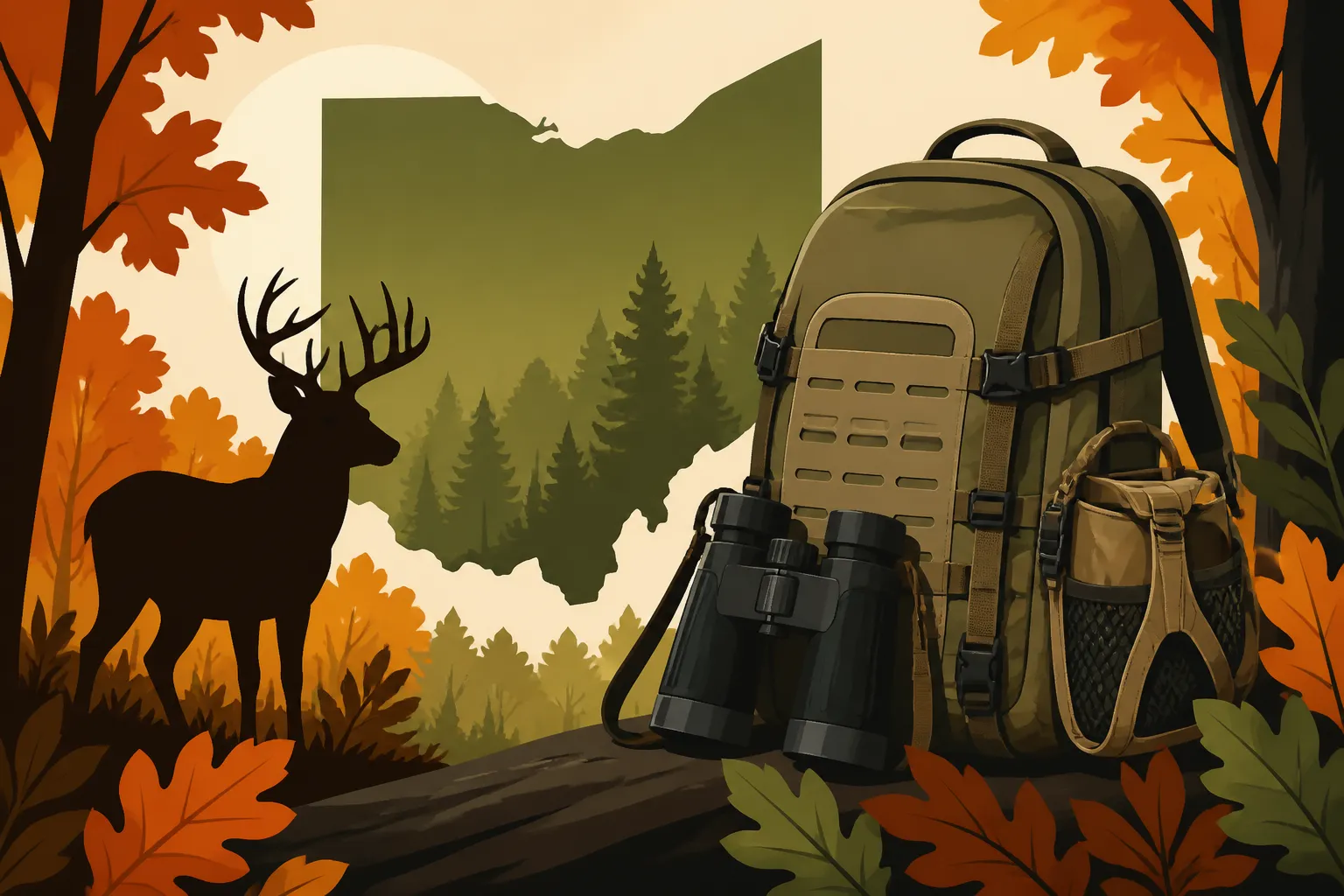
Efficiency also comes down to organization. Hunting often requires quick access to items like binoculars, a rangefinder, or a grunt tube. A pack with well-thought-out pockets, pouches, and external attachment points means you're not fumbling around, potentially spooking game. When you need to grab that wind checker or adjust a layered piece of clothing, you want it within easy reach, not buried at the bottom of a cavernous main compartment.
Avoiding Common Day Pack Pitfalls
Many hunters make the mistake of choosing a pack that’s either too small or too large for a typical day hunt. A pack that's too small forces you to leave essential items behind or cram everything in, making it impossible to find anything quickly. A pack that's too large might seem like a good idea for "just in case" scenarios, but it often encourages overpacking, leading to unnecessary weight and bulk. You end up carrying extra layers you don't need or food you won't eat, all of which adds to fatigue.
Another common pitfall is opting for a pack with noisy zippers, buckles, or external fabrics. In the quiet woods of the Wayne, every sound is amplified, and a noisy pack can give away your position long before you even draw a bow or raise a rifle. Look for packs with quiet materials and robust, silent hardware. Similarly, packs with poor padding or cheap straps will dig into your shoulders and hips, creating hot spots and discomfort that can become unbearable after just a few hours.
Essential Features for Your Wayne Forest Day Pack
When you're out chasing deer on those Appalachian ridges, the right pack can feel like an extension of yourself. It should fade into the background, doing its job without you constantly noticing it. That comes down to a few key features that really make a difference in the field.
Capacity and Organization: What Do You Really Need?
For a typical Wayne National Forest day hunt, a pack in the 1800-2500 cubic inch range is often a sweet spot. This allows you to comfortably carry your essentials without being overly bulky. Think about what you absolutely need: water, snacks, a basic first-aid kit, a headlamp, game calls, binoculars, a rangefinder, extra layers for changing conditions, and maybe a small tarp or emergency shelter. Anything more than that for a day hunt can usually be left in the truck.
Table: Day Pack Capacity Guide for Wayne National Forest
| Item Category | Typical Volume Needed (Approx.) | Notes |
|---|---|---|
| Hydration (Water Bladder/Bottles) | 100-200 cu in | Essential for long days, especially in warmer weather |
| Food/Snacks | 50-100 cu in | Energy bars, sandwich, small thermos |
| Extra Layers | 200-500 cu in | Rain gear, puffy jacket, hat, gloves (varies by season) |
| Optics (Binos, Rangefinder) | 50-100 cu in | Often carried on bino harness, but pack space is good |
| First-Aid/Emergency Kit | 50 cu in | Non-negotiable for safety, even for a day hunt |
| Calls/Wind Checker | 20-50 cu in | Small items, need quick access pockets |
| Knife/Tools | 20 cu in | Field dressing knife, multi-tool |
| Headlamp/Batteries | 10 cu in | Crucial for walking out in the dark |
| Maps/GPS/Phone | 20-50 cu in | Keep protected from elements, often in main compartment |
| Tags/Permits | 5 cu in | Easily accessible, waterproof pouch |
| Total Recommended Pack Size | 1800-2500 cubic inches | Allows for flexibility without overpacking |
When it comes to organization, look for a main compartment that's easy to access but also secure. External pockets are incredibly useful for items you need frequently. Side pockets for water bottles or spotting scopes, a front zippered pocket for calls or gloves, and a top lid pocket for a headlamp or keys are all excellent features. Some packs offer dedicated compartments for a hydration bladder, which is a huge plus for staying hydrated on the move. Many hunters use mapping applications from platforms like GoHunt to navigate the labyrinthine trails of the Wayne, so a secure, easily accessible, and weather-protected pocket for your phone or GPS unit is critical. GPS Units Versus Phone Apps can help you decide which is best for you.
Durability and Weather Resistance for Ohio's Elements
The Wayne National Forest can be brutal on gear. You'll be pushing through thorny brush, scrambling over rocks, and subjecting your pack to all kinds of scrapes and abrasions. Therefore, the material of your pack is paramount. Look for rugged fabrics like Cordura nylon or similar heavy-denier synthetics that can withstand abuse. Reinforced stitching at stress points – where straps meet the main body, for example – is another indicator of quality.
Weather resistance goes beyond just being "waterproof." While some packs boast waterproof materials, zippers and seams are often the weakest links. Look for packs with YKK water-resistant zippers, storm flaps over main openings, and perhaps an integrated rain cover that can be quickly deployed when the skies open up. Even if it’s not pouring, dew-covered brush or a sudden drizzle can soak through a cheap pack, ruining your spare socks or worse, your electronics. A good pack will keep your essentials dry even after a long walk through a wet forest.
Ergonomics and Fit for All-Day Comfort
This is arguably the most critical aspect of a day pack for the Wayne National Forest. A pack that fits poorly will actively work against you. Start with the suspension system: a well-designed hip belt is essential for transferring weight from your shoulders to your hips, which is where you want the majority of the load to rest. This saves your back and shoulders, especially during long climbs or descents. The hip belt should be padded and contoured to sit comfortably on your pelvic bone.
Shoulder straps should also be well-padded and adjustable, allowing you to fine-tune the fit. A sternum strap helps stabilize the load and prevents the shoulder straps from slipping. Many higher-end hunting packs, and those often discussed on forums like GoHunt, feature adjustable torso lengths, which allow you to customize the pack to your specific body size. This is a game-changer for long-term comfort. Try on a pack with some weight in it if possible, and walk around. Pay attention to any pinch points or areas of discomfort. Remember, comfort on the showroom floor is one thing; comfort after five miles in the Wayne is another entirely.
Recommended Pack Styles and Considerations
When you’re thinking about packs for the Wayne National Forest, you’ve got options. It’s not a one-size-fits-all situation, and what works best for one hunter might not be ideal for another. Your hunting style, the type of game you're after, and how far you typically go all play a role in making the right choice.
Hybrid Packs: The Best of Both Worlds
Hybrid packs are becoming increasingly popular for good reason, especially for areas like the Wayne. These packs blend the sleek, efficient design of a traditional day pack with some of the load-carrying capabilities of a larger frame pack. Often, this means they have a robust internal or external frame that allows them to carry more weight comfortably, yet their overall profile remains relatively compact.
Many hybrid packs feature an expandable main compartment or a "meat shelf" system, which is invaluable if you're lucky enough to harvest a deer. You can use the pack in its streamlined day configuration, carrying your Packs Built for a Wayne Forest Day Hunt essentials. But if you connect with a buck, you can then expand it or use the shelf to securely strap out a quarter or the boned-out meat, keeping your hands free for your weapon and maintaining balance on uneven ground. This adaptability is huge for hunters who push deep into public land and don't want to make multiple trips or rely on dragging a heavy animal out of a ravine. They offer the comfort and structure you need for those long hikes, without feeling like you're carrying a full expedition pack.
Frame Packs for Potential Game Haul (Even on a Day Hunt)
While some might consider a full frame pack overkill for a day hunt, if your primary goal is deer hunting in the most remote sections of Wayne National Forest, it's worth considering. An external frame pack, or an internal frame pack designed with heavy loads in mind, truly shines when you have to carry substantial weight. This could be a boned-out deer, heavy treestand equipment for a distant setup, or even a large amount of extra water for an extended, hot weather sit.
The key benefit of a frame pack is its superior ability to transfer weight directly to your hips and legs, leaving your shoulders less burdened. This is a huge advantage when you’re navigating steep, slippery hillsides with a deer on your back. Many modern hunting-specific frame packs have clever systems that allow you to separate the bag from the frame, creating a dedicated space to lash meat directly against the frame, keeping it stable and allowing for ventilation. While they might be a bit bulkier than a pure day pack, the peace of mind knowing you can comfortably haul out a mature buck from deep in the woods is priceless. You can find many discussions about the pros and cons of these on hunting community sites, or by exploring product reviews on sites often used by hunters, like GoHunt.
Small, Streamlined Packs for Ultra-Light Hunters
On the other end of the spectrum, some hunters prefer an ultra-light approach, opting for a smaller, more streamlined pack. This style is best for those who truly minimize their gear, focus on speed and agility, and might be hunting close to a vehicle or have a plan for retrieving game that doesn't involve packing it out on their back. These packs are typically 1500 cubic inches or less and prioritize lightweight materials and a minimalist design.
If you’re primarily still-hunting with just a bow and a few essentials, or you’re setting up a lightweight Treestand Setups in Appalachian Ohio Hardwoods and only need water, calls, and basic safety gear, a smaller pack can be advantageous. It allows for quieter movement through dense cover and less snagging on branches. However, the trade-off is limited capacity. You'll need to be extremely disciplined about what you carry and have a solid plan for what happens if you harvest an animal. For instance, if you're hunting in a remote area, will you go back to the truck for a larger pack or a game cart? Or are you prepared to quarter and carry out small loads in your small pack? This minimalist approach requires careful planning and a deep understanding of your own capabilities and the terrain.
Packing Smart: Maximizing Your Day Hunt Efficiency
Having the right pack is only half the battle; knowing how to pack it efficiently is what truly makes a difference in the field. When you're facing those long climbs and rugged descents in the Wayne, every ounce matters, and every item needs its place.
The "10 Essentials" Plus Ohio-Specific Additions
Many experienced outdoorsmen talk about the "10 Essentials" of backcountry travel: navigation, headlamp, sun protection, first-aid, knife, fire starter, shelter, extra food, extra water, and extra clothes. For hunting in the Wayne National Forest, these are a solid foundation, but let's tailor them a bit.
- Navigation: A reliable map and compass, or a fully charged GPS unit/smartphone with downloaded maps (like those available through GoHunt subscriptions), are non-negotiable. Cell service can be spotty in the Wayne. Scouting Ohio Public Land Before Season with these tools is crucial.
- Headlamp: Even if you plan to be out before dark, things happen. A headlamp with fresh batteries (and spares!) is vital for navigating timber in the dark, especially if you're tracking a deer.
- First-Aid Kit: A small, personal kit for scrapes, blisters, minor cuts, and any personal medications. Accidents can happen far from help.
- Knife/Multi-tool: Essential for field dressing, gear repair, and countless other tasks. Field Dressing Knives Worth Carrying are a good investment.
- Fire Starter: Waterproof matches, a lighter, or a ferro rod. A small emergency fire can be a lifesaver in unexpected cold or wet conditions.
- Shelter: A lightweight emergency blanket or even a large garbage bag can offer crucial protection from rain and wind if you're stuck out longer than planned.
- Extra Food & Water: High-energy snacks (nuts, jerky, energy bars) and enough water for the entire day. Dehydration is a silent killer of ambition.
- Extra Clothes: Crucial for Ohio's variable weather. A lightweight rain jacket and an extra insulating layer (even a compact puffy jacket) can prevent hypothermia if you get wet and the temperature drops. Clothing for an Ohio Late Season needs to be thought through carefully.
Beyond these, consider Ohio-specific additions: a deer drag or rope, extra game bags, blaze orange if applicable to the season, and any specific calls or scents you're using.
Weight Distribution and Access: A Strategic Approach
How you load your pack impacts comfort and stability. The general rule of thumb is to put heavy items close to your back and centered, ideally between your shoulder blades. Lighter, bulkier items can go further from your back. This helps maintain your center of gravity and prevents the pack from pulling you backward or swaying excessively.
Items you need frequently (rangefinder, grunt tube, wind checker, snacks, water) should be in easily accessible exterior pockets or a top lid. Items you hope you won't need but must have (first-aid, emergency shelter) can be deeper in the main compartment, but still organized enough that you can find them in a hurry. When packing, make sure there are no hard, sharp objects poking into your back or creating uncomfortable pressure points. Use soft items, like extra layers, to pad around harder gear.
Post-Harvest Considerations: Making Room for Meat
This is the moment every hunter dreams of, but it can quickly turn into a logistical nightmare without proper planning. If you're using a hybrid or frame pack, you've already considered the extra capacity for meat. But even with a dedicated hunting pack, thinking ahead about how you'll manage a harvest is key.
If you don't have a specific meat shelf, consider carrying lightweight game bags to protect the boned-out meat. Know how to properly quarter a deer in the field to make it manageable. Even if your pack isn't designed for heavy hauls, being able to secure a couple of boned-out quarters, or at least the backstraps and tenderloins, back to camp or the truck can save you a huge amount of effort compared to dragging the entire animal. Practice field dressing techniques, and always carry a good quality knife. Remember, even a day hunt in the Wayne can turn into an overnight adventure if you have a deer down far from the truck and darkness sets in. Being prepared for the haul is just as important as being prepared for the hunt itself.
Disclaimer
This article is for general informational purposes only and does not constitute professional advice. Laws, prices and regulations vary by location and change over time. Consult a qualified professional for guidance on your specific situation.