Orange Requirements for Archery Hunters
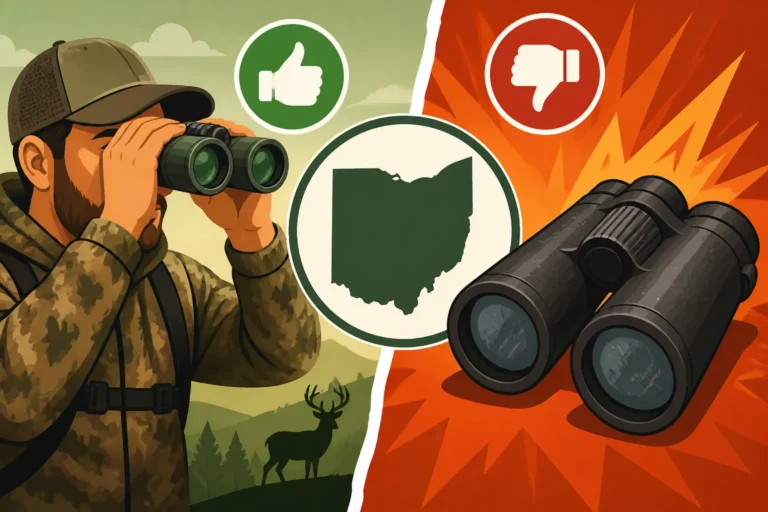
It’s a question that pops up in hunting camps and online forums every single year: Do archery hunters in Ohio really need to wear blaze orange? The answer, like much in hunting regulations, isn't a simple yes or no. It often depends on the exact date and where you're hunting. This guide will cut through the confusion, clearly outlining Ohio's blaze orange requirements specifically for archery hunters, so you can focus on the hunt, not the rulebook.
The Core Rules for Archery Season Blaze Orange in Ohio
The vast majority of Ohio’s archery season, which traditionally opens in late September and runs well into February, operates under specific rules regarding hunter visibility. However, these rules can change dramatically depending on whether other hunting seasons for deer are concurrently open. It's this overlap that often trips up even seasoned hunters.
When Orange is Not Required for Archery
For a significant portion of the Ohio archery season, specifically those periods when only archery equipment is permitted for deer hunting, blaze orange is generally not required for archers. Think about those crisp October mornings or early November days before the gun seasons kick off. You're out there, camouflaged from head to toe, drawing your bow on a wary whitetail. During these times, the focus is entirely on remaining hidden and blending into the natural environment.
This "archery-only" window typically encompasses the opening day of archery season right up until the start of the first gun deer season. For many hunters, this is the purest form of deer hunting, relying on stealth, scent control, and intimate knowledge of deer movement. You might be deep in the hardwoods of southeastern Ohio, perched in a stand, knowing that other hunters in the woods are also exclusively using archery equipment, operating under the same set of concealment principles. For a deep dive into the specifics of this long season, check out Bowhunting Ohio's Long Archery Season. This period allows archers to maximize their camouflage, which is crucial for getting close to deer.
When Orange Is Required for Archery (and why)
Here's where the nuance really comes into play. While archery-only periods don't demand blaze orange, Ohio law mandates its use for all hunters during any open gun deer season, regardless of the weapon they are personally using. This includes the statewide youth gun deer weekend, both regular gun deer weekends, and the muzzleloader deer season. So, if you're an archery hunter still trying to fill a tag during, say, the first weekend of the regular gun season, you absolutely must don your blaze orange. The rules are designed for maximum safety, recognizing that the woods become a much busier and potentially more dangerous place when firearms are in use.
Imagine you're still-hunting a ridge in Wayne National Forest during the statewide gun season. Even though you have your trusty crossbow in hand, other hunters around you are likely carrying shotguns or straight-wall cartridge rifles. Your camouflage, so effective in early October, now becomes a liability. The requirement to wear blaze orange during these overlaps isn't about your weapon choice; it's about making sure everyone can be clearly identified as a human hunter, not a deer, especially when visibility might be limited by dense cover, changing weather, or low light conditions. This includes significant dates like those covered in Ohio's Two-Weekend Gun Deer Season and Muzzleloader Deer Hunting in Ohio. It’s a collective safety measure for the entire hunting community.
Understanding Ohio's General Blaze Orange Law
When blaze orange is required, Ohio's regulations are pretty specific about the amount and placement. Hunters must wear a visible outer garment of solid hunter orange or camouflage hunter orange covering a minimum of 500 square inches on the head, chest, and back. This isn't a suggestion; it's a legal requirement. A simple orange hat, while a good idea for general visibility, almost certainly won't meet the 500 square inch minimum on its own. Typically, this means wearing a blaze orange vest over your jacket, combined with a blaze orange hat.
The intent behind this exact measurement is to ensure a substantial, unmistakable amount of orange is visible from all angles. It can't be just a patch here or there; it needs to be a continuous, prominent signal that identifies you as a human. While hunter orange is the most common and legally recognized color, Ohio also offers options for Blaze Pink Options Under Ohio Law, providing another high-visibility choice that meets the same safety criteria. The key takeaway is that when the law says "orange," it means a significant, readily identifiable amount designed to prevent accidents in the busiest hunting periods.
Why These Rules Exist: Safety First
The rules surrounding blaze orange aren't arbitrary; they are the result of decades of hunter safety data and a commitment to reducing accidents in the field. While the thrill of the hunt often dominates our thoughts, the paramount concern for any ethical hunter, and for wildlife agencies, is ensuring everyone returns home safely.
The Perils of Overlapping Seasons
When different hunting seasons coincide, especially those involving firearms, the woods can become a complex environment. Archery hunters, often stationary in treestands or blinds, are relying on stealth. Gun hunters, on the other hand, might be still-hunting, walking slowly through cover, or even participating in organized deer drives, especially on larger tracts of land. This mix of hunting styles and weapons, combined with potentially high Hunting Pressure on Ohio Public Land, creates a scenario where clear identification becomes absolutely critical.
Imagine a group of gun hunters performing a deer drive, pushing deer through a thick woodlot. An archery hunter, silently waiting in a stand, might be caught in the middle. Without blaze orange, they could easily be mistaken for game, especially if they are camouflaged and positioned in a way that obscures their human form. The regulations are designed to provide a universal "stop sign" to anyone else in the woods, instantly signaling "human" and preventing tragic misidentification in these busy and dynamic hunting scenarios.
Identifying Other Hunters
Blaze orange serves one primary, life-saving purpose: making hunters undeniably visible to other hunters. Deer, turkeys, and other game animals simply do not possess this color in their natural coats or plumage. Therefore, anything that is bright, solid orange immediately stands out as artificial, and by extension, human. This is especially vital in areas with dense vegetation, broken terrain, or low light conditions common during hunting hours.
Consider the rolling hills and dense timber of Shawnee State Forest Hunting, where visibility can be limited to just a few dozen yards in some places. A hunter moving through this kind of cover, or even sitting still, could be difficult to discern if camouflaged. Blaze orange creates a stark contrast against the browns, greens, and grays of the natural environment, ensuring that another hunter, even at a distance or through brush, can immediately identify a fellow human and exercise extreme caution. It removes ambiguity and adds an essential layer of visual safety to every hunting encounter.
Hunter Responsibility Beyond the Law
While legal compliance is a must, true hunter responsibility extends beyond simply following the letter of the law. Even in situations where blaze orange might not be strictly required by statute for an archery hunter, there are times when wearing it is simply the smart, safe, and ethical choice. For instance, if you're bowhunting on public land during a period when small game seasons (which often do require orange) are open, or if you anticipate significant foot traffic from other outdoor enthusiasts, choosing to wear some amount of high-visibility gear is a responsible decision.
It’s about being proactive in preventing accidents and setting a positive example for other hunters and the general public. We all share the woods, and ensuring our presence is clearly communicated, especially to those who may not be as familiar with hunting practices, fosters a safer environment for everyone. Think of it as a courtesy and an additional layer of self-protection, a commitment to safety that goes above and beyond the minimum legal threshold.
Practical Application: What to Wear and When
Understanding the why behind blaze orange requirements is important, but applying that knowledge in the field is what truly matters. Knowing exactly what gear to grab and when to wear it can make all the difference for a safe and compliant hunt.
Minimum Coverage and Exceptions
As mentioned, when blaze orange is required for archery hunters in Ohio, the law specifies a minimum of 500 square inches on the head, chest, and back. This typically means a solid blaze orange vest or jacket, often paired with a blaze orange hat. It’s crucial that the orange isn't just a small patch or a few stripes; it needs to be a prominent, continuous surface area to be effective and compliant. Don't rely on just a small bandana or a camouflaged orange item that only has small bursts of color.
The main exception for archery hunters is, of course, during those designated periods when only archery deer hunting is open and no other firearms deer seasons are running concurrently. During these times, camouflage is the name of the game, and blaze orange is neither required nor advisable from a pure hunting effectiveness standpoint. However, if you happen to be on a public wildlife area where another specific season is open (e.g., small game) and that season does require orange, you might still need to wear it, even if you're solely pursuing deer with a bow. Always check the specific regulations for the game you are pursuing and the dates you are hunting to avoid any issues.
Choosing Your Blaze Orange Gear
When it comes to selecting blaze orange gear, comfort, quietness, and durability are key, especially for an active archery hunter. You want something that won't rustle loudly when you draw your bow or move in your stand. Modern materials offer excellent options, from lightweight mesh vests for warmer early season overlaps to more substantial, insulated jackets for the bitter cold of late-season muzzleloader weeks. You might want to consider options that layer easily over your existing hunting attire, or perhaps a reversible jacket that offers camouflage on one side and blaze orange on the other.
Many specialized hunting brands offer high-quality blaze orange vests, hats, and jackets designed with hunters in mind. Resources like GoHunt can be invaluable for researching and comparing different types of blaze orange clothing, helping you find pieces that fit well, are quiet in the woods, and meet Ohio's legal requirements. Remember to think about varying weather conditions; a thin vest might be fine for a warm November afternoon, but for chasing deer during Clothing for an Ohio Late Season, you’ll need something much more robust to stay warm and visible.
Scenarios: Archery-Only vs. Overlap Days
Let's run through a few common scenarios to cement understanding:
-
Scenario 1: Early October Archery Hunt: You've climbed into your favorite treestand in Adams County on October 10th. The air is crisp, the leaves are turning, and the only season currently open for deer is archery. In this situation, no blaze orange is required. You are free to wear full camouflage to blend in as much as possible, maximizing your chances of an undetected shot.
-
Scenario 2: Mid-November Archery During Gun Season: It's the first Saturday of Ohio's regular gun deer season. You still have an antlerless tag, and you've decided to head back out with your bow. Even though you're using archery equipment, because a gun season for deer is open, you must wear blaze orange meeting the 500 square inch requirement. This is critical for your safety among the increased number of hunters using firearms.
-
Scenario 3: Youth Gun Weekend Archery Hunt: The special Hunting the Ohio Youth Gun Weekend is underway in late November. Your primary goal is still to harvest a deer with your bow. Due to the presence of firearm hunters, even though they are youth, you must wear blaze orange. The rule applies to all hunters in the field during any open gun deer season, regardless of age or weapon. These scenarios highlight the importance of always checking the current season dates and understanding the overlapping regulations.
Common Misconceptions and Staying Compliant
Despite clear regulations, misunderstandings about blaze orange requirements for archery hunters persist. Clearing up these misconceptions and adopting consistent habits for compliance are essential for hunter safety and enjoyment.
The "Orange Cap" Myth and Other Pitfalls
One of the most enduring myths is that simply wearing a blaze orange hat is sufficient when orange is required. As we've discussed, Ohio law specifies 500 square inches on the head, chest, and back. An orange cap alone almost never meets this minimum. This misconception can lead to non-compliance and, more importantly, put a hunter at risk. Another common pitfall is relying on camouflage patterns that include orange but don't provide a solid, substantial block of color. While these patterns are popular, they often fail to meet the continuous 500 square inch requirement for legal visibility, and their broken pattern makes them less effective for safety in thick cover.
Some archery hunters also mistakenly believe that because they are elevated in a treestand, they are somehow exempt or inherently safer and don't need orange. While being elevated offers a degree of safety, it doesn't make you invisible to other hunters walking through the woods below or scanning slopes. In fact, a hunter perched quietly in a treestand, fully camouflaged, could be even harder to spot than someone moving on the ground. When blaze orange is mandated, it's for everyone, everywhere, for maximum visibility. For a comprehensive overview, refer to Ohio Blaze Orange Requirements.
Checking Regulations Each Season
Hunting regulations, while generally consistent, can see subtle changes from year to year. Season dates shift, specific county rules might be updated, or new disease surveillance area protocols could be implemented that affect how and when you hunt. Relying on what you "remember" from last year or what "everyone knows" can be a recipe for unintentional non-compliance. Always make it a habit to consult the most current Ohio Hunting and Trapping Regulations booklet, available online through the Ohio Department of Natural Resources (ODNR) website, or at license vendors.
Many savvy hunters use digital tools to stay informed. Mobile apps, like the Ohio HuntFish App or those offered by services like GoHunt, provide instant access to regulations, maps, and often include push notifications for important updates. Before each season, and especially before heading out during transition periods or overlapping seasons, take a few minutes to review the rules. It’s a small investment of time that pays huge dividends in peace of mind and safety. Using resources like Scouting With the Ohio HuntFish App can make this process incredibly convenient, even when you're already in the field. This proactive approach helps hunters navigate the complexities of Ohio Deer Season Structure Explained and ensures they are always operating within the law.
The Consequences of Non-Compliance
The most severe consequence of not adhering to blaze orange requirements is, tragically, the potential for a hunting accident. While hunter safety has improved dramatically over the years, misidentification remains a leading cause of non-fatal and fatal incidents. Blaze orange is a scientifically proven deterrent against these types of accidents.
Beyond safety, there are legal ramifications for non-compliance. Being caught hunting without required blaze orange can result in fines, the confiscation of game, and even the loss of hunting privileges. These penalties are in place not just to punish, but to reinforce the critical importance of safety protocols. No one wants their hunt to end with a citation or, worse, an emergency. By understanding and consistently following Ohio's blaze orange rules for archery hunters, you're not only protecting yourself but contributing to a safer, more responsible hunting culture for everyone who enjoys Public Hunting Land in Ohio and private land across the state.
Summary of Blaze Orange Requirements for Archery Hunters
Here’s a quick overview of when Ohio archery hunters need to wear blaze orange:
| Season Type | Archery Hunt During… | Blaze Orange Required? | Minimum Coverage |
|---|---|---|---|
| Archery-Only Deer Season | Archery-Only (e.g., Oct. 1 – Nov. 25) | No | Not required; camouflage is typical. |
| Youth Gun Deer Season | Any deer hunting with bow/crossbow | Yes | 500 sq. inches on head, chest, back |
| Regular Gun Deer Season | Any deer hunting with bow/crossbow | Yes | 500 sq. inches on head, chest, back |
| Muzzleloader Season | Any deer hunting with bow/crossbow | Yes | 500 sq. inches on head, chest, back |
| Other Small Game Seasons | If hunting small game or deer where small game requires orange | Yes (if small game req. it) | 500 sq. inches on head, chest, back (check specific game regulations) |
Remember, always consult the current Ohio Hunting and Trapping Regulations for the most up-to-date and specific information.
Disclaimer
This article is for general informational purposes only and does not constitute professional advice. Laws, prices and regulations vary by location and change over time. Consult a qualified professional for guidance on your specific situation.