Keeping Powder Dry in Wet Snow
There are few things more frustrating than pulling the trigger on a hard-earned Ohio deer in the freezing rain, only to hear a pathetic "click" instead of the mighty roar of your muzzleloader. Hunting during our late-season Muzzleloader Deer Hunting in Ohio in the dead of winter means facing some truly brutal conditions, and wet snow is a notorious culprit for ruining an otherwise perfect setup. This guide is all about ensuring your muzzleloader fires every single time, even when Mother Nature is throwing her worst at you.
Why a Dry Muzzleloader is Non-Negotiable in Ohio's Winter
Ohio winters can be a real mixed bag. One day it's crisp, cold, and clear, and the next you're slogging through heavy, wet snow that clings to everything. For muzzleloader hunters, this isn't just an inconvenience; it's a genuine threat to your hunt's success. The magic of a muzzleloader lies in its simplicity, but that simplicity also means it's incredibly vulnerable to moisture.
The Frustration of a Misfire in the Cold
Imagine this: you've bundled up in layers, braved the biting wind and steady drizzle, and finally settled into your stand on a snowy January morning. You've scouted this particular hardwood ridge for weeks, noted the deer sign, and patiently waited for the perfect buck to emerge. Suddenly, there he is – a mature Ohio whitetail, walking confidently through the timber just within range. Your heart pounds, you shoulder your rifle, take a deep breath, and squeeze the trigger. Instead of the satisfying boom, you hear a dull "thump," or worse, just a click from the hammer falling on a damp cap. That feeling in your gut, the one that tells you a golden opportunity has just vanished into thin air because of something as simple as a few snowflakes, is soul-crushing.
It’s not just the lost deer; it’s the lost effort, the planning, the cold hours, and the anticipation. Muzzleloader season, especially the Ohio Muzzleloader Season Dates in early January, often presents challenging weather. If your rifle isn't absolutely ready to perform in these conditions, you're setting yourself up for disappointment. Reliability isn't a luxury; it's the absolute foundation of a successful hunt, especially when you might only get one shot.
The Science of Moisture and Black Powder
Modern smokeless powder has come a long way in terms of moisture resistance, but traditional black powder and its substitutes are a different beast entirely. These propellants are often hygroscopic, meaning they readily absorb moisture from the air. Even a tiny bit of humidity, let alone direct contact with melting snow, can be enough to significantly degrade or completely prevent ignition.
Here's a quick breakdown of what happens:
- Reduced Ignition: Moisture on the primer or cap can prevent the spark from igniting the main powder charge. Even if it does spark, a damp main charge will burn slowly, leading to a "fizzle" or hang-fire instead of a rapid, powerful combustion.
- Powder Clumping: Damp powder can clump together, preventing a consistent burn and creating an unreliable load. This can drastically affect accuracy and muzzle velocity, even if the shot does go off.
- Corrosion: Beyond the immediate shot, moisture can quickly lead to rust and corrosion inside the barrel and on critical components like the breech plug and nipple. This not only degrades performance but can also damage your firearm over time if not addressed promptly.
Understanding these vulnerabilities helps us appreciate why diligent moisture protection isn't just a recommendation but a critical practice for any muzzleloader hunter facing wet Ohio snow.
Essential Gear for Muzzleloader Moisture Protection
When you’re out there in the elements, the gear you choose and how you use it can make all the difference. Think of it as creating a multi-layered defense system for your muzzleloader. It’s not just one thing; it’s a combination of smart choices and good habits.
Barrel and Breech Plug Protection
The barrel is the long, exposed part of your muzzleloader, and the breech plug is where the magic happens at the back end. Both are prime targets for moisture.
- Barrel Covers: A simple elastic muzzle cover or a dedicated barrel sock is an absolute must. This prevents snow, rain, or debris from entering the muzzle. Many hunters even rig up a piece of electrical tape or a balloon over the muzzle as a makeshift, but effective, cover. Just be sure to remove it quickly and safely before the shot, or use one designed to be shot through, though this can affect accuracy. I like to use a small piece of inner tube from a bicycle tire; it’s flexible, durable, and stretches nicely over the muzzle. Some of the Choosing a Muzzleloader for January Cold considerations often touch on this kind of practical field-proofing.
- Breech Plug Seals and Grease: The breech plug is the heart of your ignition system. Ensure it’s properly threaded and seated firmly. Many muzzleloaders use a small O-ring or other sealing mechanism around the breech plug. Inspect these regularly for wear and tear, and replace them if they show any signs of cracking or compression. Applying a thin layer of waterproof grease or anti-seize compound to the threads of the breech plug before installing it creates an additional barrier against moisture. This also makes it easier to remove later, which is a bonus on freezing cold hands. Remember, a clean breech plug and barrel are crucial before you even start worrying about the weather.
Nipple and Primer/Cap Management
The ignition source – whether it’s a percussion cap or a 209 primer – is perhaps the most vulnerable point to moisture. If it fails, nothing else matters.
- Rubber Nipple Covers: For traditional percussion cap muzzleloaders, small rubber caps or even specialized "nipple protectors" are available. These fit snugly over the cap and nipple, providing a direct shield from precipitation. Some hunters swear by a small square of electrical tape over the cap, carefully placed to not interfere with the hammer. The key is to create a seal around the ignition point without making it difficult to access quickly when a shot presents itself.
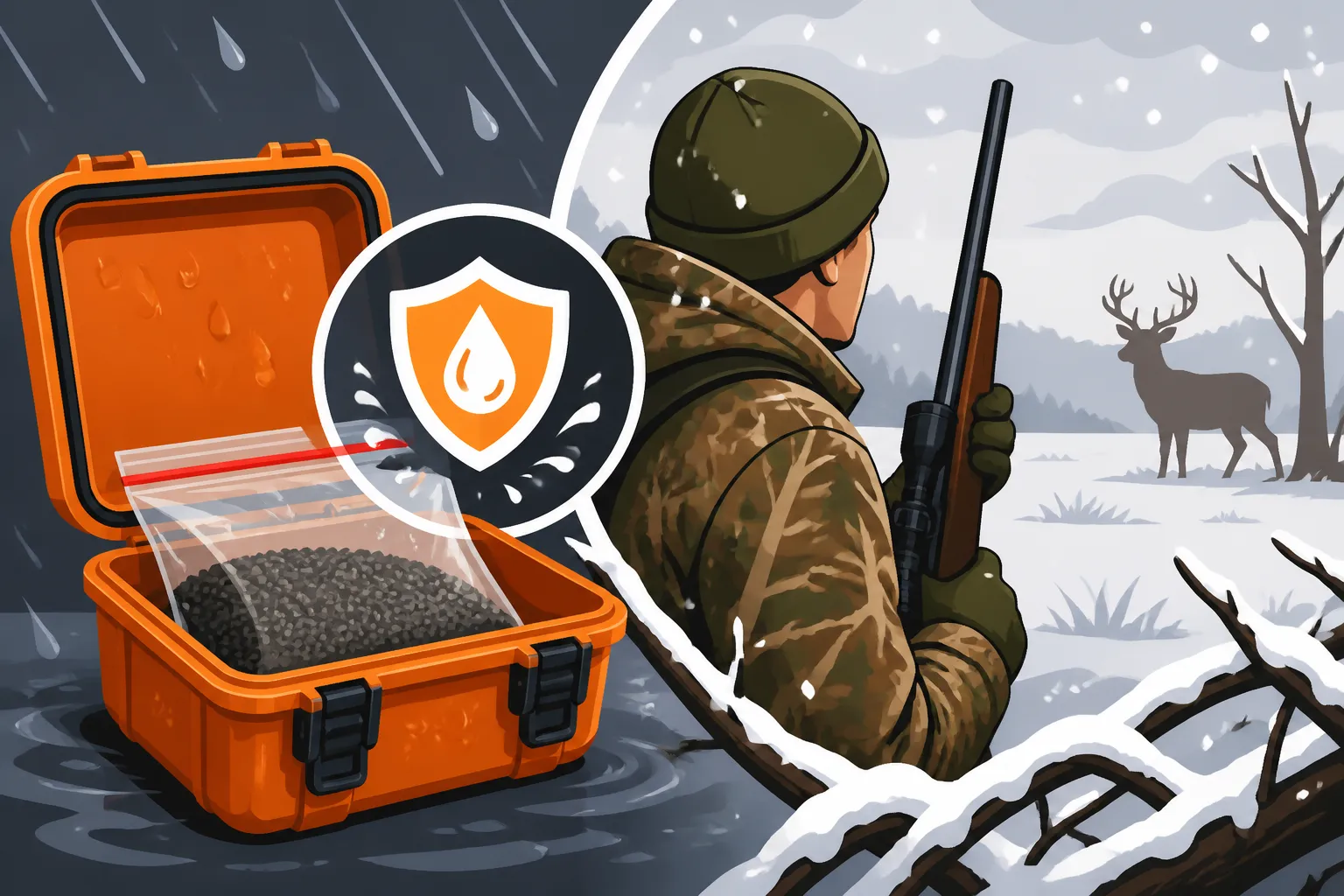
- Waterproof Primer/Cap Storage: Never, ever carry your primers or caps loosely in a pocket or directly exposed to the elements. They are incredibly sensitive to moisture. Invest in a small, waterproof container specifically designed for primers or use an airtight pill bottle. I usually carry two small containers: one with my main supply, tucked deep inside a waterproof pocket, and a smaller one with just a few caps/primers readily accessible for quick reloading. This redundancy can save your hunt if one container gets compromised.
- Pre-Loaded Speed Loaders: This is probably the biggest game-changer. Pre-measure your powder charges into waterproof speed loaders or vials. Many brands, like GoHunt, offer accessory pouches and cases specifically designed to keep your critical components dry and organized. These loaders typically hold a powder charge and a bullet/sabot, and some even have a compartment for a primer. This minimizes exposure when reloading in the field and ensures your powder stays bone dry until the moment it's loaded. Just be sure to use the correct type for Sabot Versus Conical for Deer for your specific rifle.
Powder and Projectile Storage
Even before it goes into the muzzleloader, your powder and projectiles need to be protected.
- Waterproof Powder Dispenser: If you're not using pre-measured charges, make sure your powder flask or dispenser is completely waterproof. Avoid simply pouring from the original container in wet conditions, as moisture can easily wick into the main supply. A good quality brass or plastic flask with a secure, rubber-sealed spout is ideal.
- Dry Projectiles: While projectiles themselves aren't as sensitive as powder, moisture on the sabot or bullet surface can create drag, affecting accuracy. Keep them in a waterproof pouch or the same speed loaders mentioned above. Make sure your hands are as dry as possible when handling them, and avoid letting them sit in snow or damp conditions before loading.
- Sabot Material: Some sabots are more resistant to moisture absorption than others. While you might not choose a sabot solely for its water resistance, it’s a factor to consider. Synthetic sabots generally perform better in wet conditions than some of the older, more porous materials.
Field Tactics for Battling Wet Ohio Conditions
Having the right gear is only half the battle; knowing how to use it and adapting your hunting strategy to the weather is equally important. Hunting in Ohio in the late season requires a certain resilience and smart decision-making.
Hunting in the Elements: Mindset and Movement
When the snow is falling, your movements and awareness become even more crucial. It's not just about staying warm; it's about protecting your firearm.
- Mindful Rifle Handling: This sounds obvious, but when you're cold, tired, and focused on finding deer, it's easy to set your muzzleloader down carelessly. Never lean your rifle against a snow-covered tree or lay it directly on wet ground. If you must set it down, prop it up against something dry, like the trunk of a large, sheltered oak, or lay it on your backpack.
- Using Natural Cover: Take advantage of what Mother Nature offers. If you're still-hunting Still-Hunting Shawnee State Forest Ridges, actively seek out thick pine stands, rock overhangs, or dense cedar thickets. These areas can offer significant protection from falling snow and wind. Even a single large, low-branched evergreen can create a surprisingly dry pocket underneath. Your Cold-Weather Sitting Strategy in Ohio should definitely include seeking natural shelter.
- Minimizing Exposure: When moving, try to keep your muzzleloader tucked under your arm or against your body, especially if you don't have a barrel cover. The less direct precipitation it receives, the better. When the snow really starts coming down, consider pausing your movement and finding temporary shelter until the heaviest squall passes.
Strategic Carrying and Stand Protection
How you carry your rifle and how you set up your stand can significantly impact its exposure.
- Sling and Muzzle-Up Carry: When walking, use a comfortable sling that allows you to carry the rifle with the muzzle pointed slightly upward. This helps prevent snow or rain from entering the barrel opening, even if you don't have a dedicated muzzle cover. You'll want to avoid slinging it across your back with the muzzle down, acting as a funnel for snow.
- Treestand Positioning: If you're hunting from a treestand, think about your rifle's position. Hang it on the leeward side of the tree (away from the prevailing wind and snow), or if possible, under a large overhanging branch that provides a natural umbrella. Some hunters even rig a small piece of waterproof fabric or a tarp above their rifle to create a mini-shelter. Make sure it's secure, though – you don't want it falling when you hear that tell-tale crunch of hooves in the snow.
- Ground Blind Advantages: Ground blinds are your best friend in foul weather. They offer excellent protection from wind, rain, and snow, keeping you and your muzzleloader much drier. If you anticipate heavy precipitation, setting up a ground blind along a Working a Creek Bottom for Late-Season Deer or near a Late-Season Food Sources for Ohio Whitetails is a smart move. Just remember to brush it in well to blend with the surroundings. Using a Ground Blind on Ohio Public Land offers more details on effective deployment.
Post-Hunt Care and Inspection
The hunt doesn't end when you leave the woods; proper care immediately afterward is vital for a muzzleloader's longevity and reliability.
- Immediate Cleaning: As soon as you're home, or even back at Ohio Deer Camp Traditions, begin cleaning your muzzleloader. Do not let it sit wet, especially with black powder residue. Even if it didn't fire, moisture could have gotten into the bore, breech plug, or lock mechanism. A full breakdown and cleaning are essential to remove any powder residue and prevent rust. This is even more critical than cleaning a modern firearm after a wet hunt. Cleaning a Rifle After a Wet Sit is an excellent resource for a thorough cleaning process.
- Checking for Moisture Intrusion: Pay close attention to the breech plug, nipple, and the inside of the barrel. Look for any signs of rust, even tiny spots. Carefully inspect the threads of the breech plug and the internal parts of the lock. If you find any moisture or signs of corrosion, address it immediately.
- Thorough Drying: After cleaning, ensure every component is completely dry before reassembling. A light coat of rust-preventative oil on all metal surfaces is a good final step, especially for long-term storage. Some hunters even use a hairdryer on a low setting to ensure all nooks and crannies are dry, but be careful not to overheat any components.
Advanced Tips and Preventative Measures
Beyond the basics, there are always ways to refine your approach and ensure your muzzleloader is truly winter-ready. Think of these as the extra steps that separate a good winter hunt from a potentially great one.
The Importance of a Season-Long Maintenance Routine
A muzzleloader isn't a "set it and forget it" kind of tool. Its reliance on simple mechanics means constant vigilance.
- Regular Inspection of Seals and Components: Don't wait until the first snowflake falls to check your muzzleloader. Throughout the year, and especially as Muzzleloader Tactics in January Cold approaches, regularly inspect all O-rings, seals, and the condition of your nipple (if applicable). Are the threads on your breech plug clean and free of burrs? Is the hammer spring strong? Does the trigger pull consistently? These small details contribute to overall reliability.
- Replacing Worn Parts: If an O-ring looks flattened or cracked, replace it. If your nipple is eroded from repeated firing, get a new one. These are inexpensive parts that are critical to proper function and moisture sealing. A small investment now can save a huge headache during a hunt.
- Correct Storage Between Hunts: Even when not in the field, store your muzzleloader in a controlled environment. Avoid damp basements or garages where humidity can fluctuate wildly. A climate-controlled gun safe or a case with desiccant packs is ideal. Always store it unloaded and clean.
Understanding Your Muzzleloader's Vulnerabilities
Not all muzzleloaders are created equal, and knowing the specifics of your own rifle is a huge advantage.
- Brand and Model Specifics: Some modern in-line muzzleloaders are designed with better sealing mechanisms than others. Read your owner's manual carefully and understand how your specific rifle handles moisture. Talk to other hunters who use the same model; they might have brand-specific tips. While GoHunt primarily focuses on trip planning and gear reviews, their community forums are often a great place to find discussions on specific muzzleloader brands and their performance in various conditions.
- Controlled Wet Conditions Testing: If you’re truly paranoid (and for winter hunting, a little paranoia is healthy!), consider doing a controlled test. Load your muzzleloader (without a projectile for safety, or use a dummy load if permitted on a range), then take it out in light rain or falling snow for a short period. Bring it back, disassemble, and see if any moisture got where it shouldn't. This can be a great way to identify weak points in your current protection strategy before a high-stakes hunt.
- Quality Accessories: Don't skimp on accessories that are vital for moisture protection. A cheap plastic speed loader might crack in the cold. A flimsy barrel cover might tear. Investing in high-quality, durable, and truly waterproof accessories will pay off in the long run. This applies to everything from your Ohio Muzzleloader Permit Cost to the small tools you carry.
Learning from Experience and Other Hunters
The hunting community is a wealth of knowledge, and muzzleloading often comes with its own unique traditions and shared wisdom.
- Sharing Tips at Deer Camp: This is where some of the best advice comes from. When you're sitting around the fire at camp after a cold, snowy day, ask fellow muzzleloader hunters what their best tricks are for keeping powder dry. You'd be surprised what ingenious solutions people come up with, born out of necessity in tough Ohio conditions. Ohio Deer Camp Traditions often revolve around these kinds of shared experiences.
- The Value of Trial and Error: Don't be afraid to experiment a little. If one method isn't working for you, try another. Maybe electrical tape is too fiddly for your cold fingers, and a rubber nipple cover works better. Perhaps a different type of grease on the breech plug holds up longer in the slush.
- Adapting to Specific Weather Patterns: Pay attention to the forecast. Is it heavy, wet snow, or light, dry flakes? Is it sleeting? Understanding the type of precipitation allows you to adapt your strategy. Heavy, wet snow demands maximum protection, whereas light, dry snow might allow for slightly less cumbersome methods. Always be ready for the worst, but adjust on the fly. After all, the ability to adapt is a hallmark of a successful hunter in any Muzzleloader Tactics in January Cold scenario.
By understanding the vulnerabilities of your muzzleloader and implementing a comprehensive strategy for moisture protection, you can face Ohio's winter weather with confidence, knowing that when that trophy buck steps out, your rifle will be ready to perform.
Disclaimer
This article is for general informational purposes only and does not constitute professional advice. Laws, prices and regulations vary by location and change over time. Consult a qualified professional for guidance on your specific situation.