Are Cheap Binoculars Good Enough?
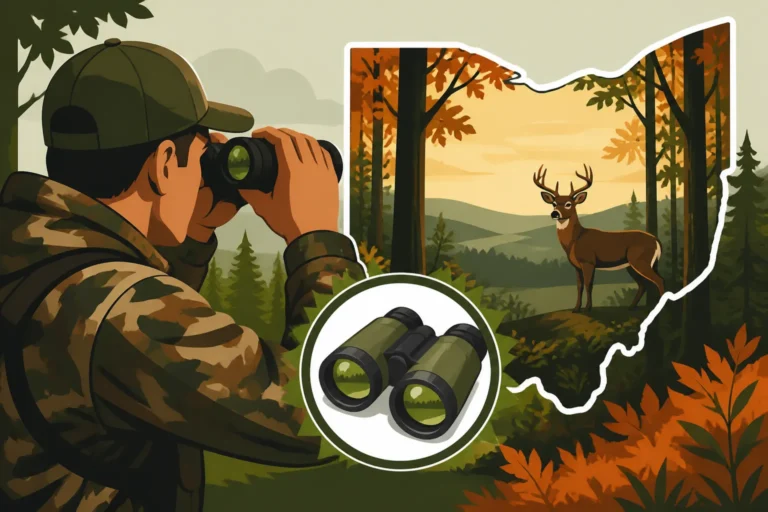
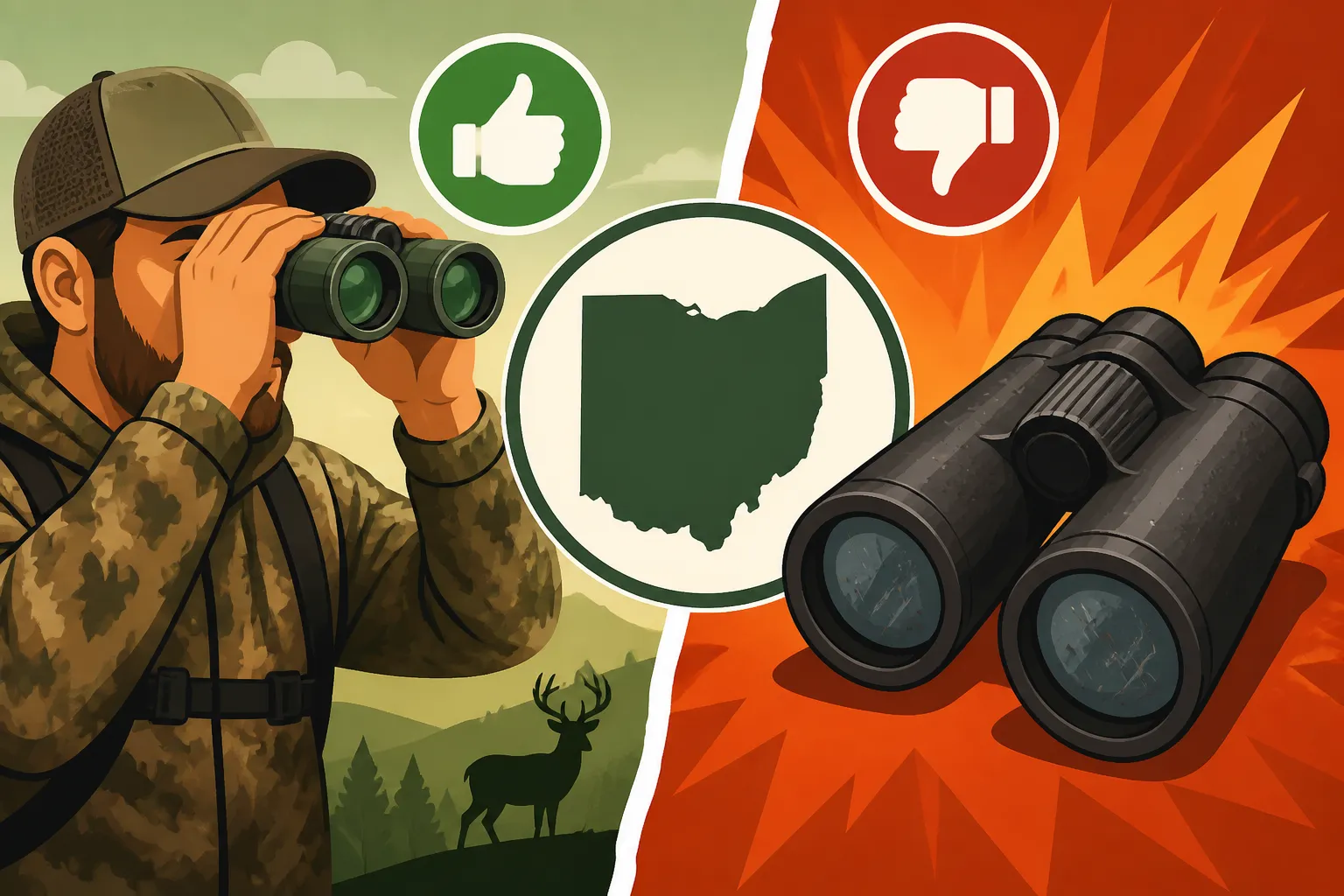
It's a question every Ohio hunter has pondered at one point, standing in the sporting goods aisle, eyeing those shiny new binoculars: Do I really need to drop a small fortune on a pair, or are those budget-friendly options "good enough" for my hunts in the Buckeye State? The truth is, the answer isn't a simple yes or no. This guide will walk you through the real differences, help you understand what features genuinely matter for Ohio's diverse hunting landscapes, and ultimately, help you decide if those cheaper optics will truly meet your needs or leave you wishing you'd invested a little more.
The Binocular Divide: What Really Separates the Cheap from the Premium
Let's be honest, the price tags on binoculars can swing wildly. You can find a pair for less than the cost of a tank of gas, and then you see others that are pricier than a new shotgun. It’s natural to wonder if those extra zeros on the tag are just for bragging rights or if there's a tangible difference. From a veteran hunter's perspective, I can tell you there absolutely are differences, and understanding them is key to making an informed decision.
Optical Clarity and Light Transmission
This is often the first, and most important, distinction you'll notice. Cheap binoculars tend to skimp on the quality of glass and lens coatings. What does that mean for you out in the field? It means a less bright, less sharp image, especially around the edges of your view. You might get a decent view in the middle, but it can quickly get blurry or distorted towards the periphery.
More expensive binoculars, on the other hand, boast higher quality glass, often with multiple layers of specialized coatings. These coatings reduce glare and reflections while maximizing light transmission. Why is this crucial for an Ohio hunter? Think about those critical moments at dawn and dusk, when deer are most active. You're trying to pick out a buck's antler tip from a tangled briar patch in low light, or maybe confirm if that dark blob across a distant field is a turkey or just a stump. With cheap glass, that image will often appear dim and washed out, making it incredibly difficult to discern details. With premium optics, that low-light performance shines, often giving you precious extra minutes of viewing time when it matters most. This can make all the difference when you're Hunting the Rut in Early November and need every advantage you can get.
Durability and Weatherproofing
Ohio weather is, shall we say, unpredictable. You might start your deer hunt on a crisp, sunny autumn morning, only for a cold rain or an unexpected snow flurry to roll in by noon. Your gear needs to stand up to that. Many budget binoculars are built with cheaper plastics and less robust seals. This means they're more susceptible to fogging internally when moving from a warm truck to cold, damp air, or even worse, allowing moisture to seep in during a steady drizzle. Once moisture gets inside, your view is compromised, and the binoculars are often ruined.
Mid-range to high-end binoculars are typically built like tanks. They feature durable rubber armor that protects against drops and bumps, and they are almost universally O-ring sealed and nitrogen or argon purged. This internal purging prevents fogging and makes them truly waterproof. Imagine you're Tracking a Deer in Fresh Ohio Snow, and you accidentally drop your binoculars in a puddle. A cheap pair might be toast, but a quality, sealed pair will likely shrug it off. This ruggedness extends to the internal mechanisms too; cheaper focus wheels and diopter adjustments can become stiff or break over time, while higher-quality versions remain smooth and reliable.
Defining "Good Enough" for Ohio's Diverse Hunting Landscapes
So, when are cheap binoculars "good enough," and when are they a definite hindrance? It really boils down to your specific hunting style, the terrain you frequent, and your personal expectations for performance. Ohio offers such a variety of environments, from the sprawling hardwoods of Wayne National Forest to the wide-open crop fields of the northwest, that your optical needs can vary quite a bit.
Big Woods vs. Open Fields: Magnification and Field of View
If you primarily hunt the dense timber of Appalachian Ohio, where shots are typically closer and visibility is limited by thick canopy and undergrowth, you might think you don't need powerful binoculars. An 8×42, which offers a wider field of view and is easier to hold steady, is often recommended for these environments. For comparison, take a look at 8×42 Versus 10×42 in the Woods to understand the nuances. In these tight quarters, a cheap 8×42 might get the job done for spotting deer at 50 yards, as long as the light is decent. You're not usually glassing across vast distances.
However, if you spend your days hunting the expansive farmlands of Northwest Ohio, overlooking cut cornfields, bean fields, or long fencerows, your needs shift dramatically. Here, you're often trying to pick out subtle movements or details on deer hundreds of yards away. A 10×42 or even higher magnification is preferred, but with cheap binoculars, that increased magnification often comes with a significant trade-off in clarity, especially at range. What looks like a deer with quality 10x42s might just be a blurry brown smudge with a budget pair, making it impossible to judge antlers or even confirm if it's a legal buck.
| Feature / Characteristic | "Cheap" Binoculars (Under $100) | Mid-Range Binoculars ($100-$300) | High-End Binoculars ($300+) |
|---|---|---|---|
| Optical Clarity | Fair to Good (sometimes blurry edges) | Good to Very Good (sharp image) | Excellent (edge-to-edge clarity) |
| Light Transmission | Limited, struggles in low light | Decent, performs well at dusk/dawn | Superior, bright image in low light |
| Durability | Often plastic, less weather-sealed | Rubber armored, decent weather-sealing | Robust, fully waterproof/fog proof |
| Eye Relief | Variable, can be uncomfortable with glasses | Good, usually comfortable | Excellent, very comfortable with glasses |
| Weight/Ergonomics | Can be bulky or very light/flimsy | Balanced, comfortable grip | Optimized for long-term use |
| Warranty | Limited or none | Standard (1-5 years) | Lifetime, no-questions-asked |
Low-Light Performance: Crucial for Ohio Whitetails and Turkeys
This is where cheap binoculars often fall flat on their face, and it's a huge disadvantage for hunters. As mentioned, deer and turkeys are most active during the first and last hours of daylight. These are the golden hours for hunting, when light is at a premium. Premium binoculars excel here because their superior glass and coatings gather and transmit more light, presenting you with a brighter, clearer image. This allows you to identify game earlier in the morning and later in the evening.
Imagine sitting in your treestand during the youth gun weekend. You're patiently waiting for a deer, and suddenly, at the very edge of legal shooting light, a deer steps out. With good binoculars, you can quickly verify if it's a doe or a buck, and if it's legal. With cheap binoculars, that same deer might be just a shadowy form, leaving you guessing and potentially making a costly mistake or missing an opportunity. This isn't just about ethical hunting; it's about being effective when conditions are most challenging. When I'm thinking about setting up for Hunting the Ohio Youth Gun Weekend, I want every advantage possible for the younger hunter, and that includes clear vision.
Scouting and Tracking: Beyond the Moment of Truth
Binoculars aren't just for that split-second before you make a shot. They're invaluable tools for scouting, whether you're looking for deer sign from afar or picking out potential turkey roosts. When I'm Scouting Ohio Public Land Before Season, I rely heavily on my binoculars to scan distant hillsides for deer trails, rub lines, or even shed antlers. Cheaper optics can cause eye strain after prolonged use, which is a real problem when you're trying to cover a lot of ground with your eyes.
Moreover, if you have to track a deer after a shot, a good pair of binoculars can be a lifesaver. Being able to glass ahead and spot a piece of blood, a disturbed leaf, or even the deer itself from a distance can significantly reduce the difficulty and stress of a recovery. When you're trying to discern a faint blood trail against a cluttered forest floor, every bit of clarity helps. This is a scenario where "good enough" might actually mean "not good enough" for a responsible hunter.
When to Splurge, When to Save: Matching Binos to Your Hunt Style
Ultimately, your hunting commitment and the type of hunting you do should guide your binocular purchase. There's a sweet spot for everyone, and it's rarely at the absolute bottom or top of the price scale.
The Casual or Beginner Hunter
If you're just starting out, or you only get out a few times a year for short hunts, a truly high-end pair of binoculars might be overkill. A decent mid-range option, say in the $100-$300 range, will provide a noticeable step up in quality from the cheapest models without breaking the bank. These binoculars often offer acceptable optical clarity, some level of weatherproofing, and decent ergonomics. They are "good enough" for most daylight situations and will allow you to participate effectively without feeling too limited. Look for brands that offer a solid reputation in this price bracket. You can often find great reviews on outdoor gear sites, similar to the in-depth analysis you might find on a platform like GoHunt, helping you weigh features against cost.
For someone in this category, prioritizing a clear 8×42 or 10×42 that fits comfortably in hand and has a basic level of ruggedness is key. You don't need to stress over the absolute best low-light performance or a lifetime warranty if you're not putting them through the wringer every weekend. The main goal is to be able to identify game and enjoy the experience.
The Dedicated or Avid Ohio Hunter
If hunting is more than just a hobby for you – if you're out scouting year-round, spending countless hours in the stand, and traveling to different regions of Ohio to chase deer, turkeys, or even small game – then investing in higher-quality binoculars makes profound sense. You're demanding more from your gear: more hours of low-light performance, more durability in harsh conditions, and more comfort during long glassing sessions. For you, the "good enough" threshold is much higher.
Spending $300-$600 (or more) will get you into a class of binoculars that offers excellent optical performance, superior light transmission, robust construction, and often, an outstanding warranty. These optics will likely last you a lifetime if cared for properly. They become an extension of your senses, allowing you to pick apart distant cover, evaluate game, and simply observe the natural world with incredible detail. When you're sitting for hours on a ridge, trying to spot movement for a Deer Drives With Three or Four Hunters, or locating distant gobblers for Turkey Tactics for Farmland Field Edges, the fatigue caused by poor optics will quickly make you regret saving a few bucks. These are also the hunters who might be carrying a larger pack, and while weight matters, the performance benefit often outweighs the few extra ounces, especially for a piece of gear used so constantly. You’ll want to consider how your binoculars fit with your other essential items like a Packs Built for a Wayne Forest Day Hunt.
Specialized Hunting Needs
Some forms of hunting also push the need for better optics. If you're into predator hunting, especially coyote calling in low light or at night (where legal and with proper permits), top-tier low-light performance is absolutely critical. For waterfowl hunting, where you might be dealing with constant moisture, truly waterproof and fog-proof binoculars are non-negotiable.
Consider your personal visual acuity too. If your eyesight isn't what it once was, higher quality, brighter, and sharper optics can sometimes compensate, giving you an edge. For hunters who wear glasses, good eye relief on binoculars is paramount to avoid frustrating blackouts in the image. This is a feature often overlooked in cheaper models.
Beyond the Price Tag: Longevity and Care for Your Optics
It's easy to look at a high price tag and scoff, but sometimes, the true cost of "cheap" items becomes apparent over time. This certainly applies to binoculars.
Protecting Your Investment and Warranty
A cheap pair of binoculars that breaks after a season or two isn't really cheap at all; it's an expense that has to be repeated. Higher-quality binoculars are often backed by comprehensive warranties, sometimes even lifetime, no-questions-asked policies. This means if something goes wrong, you're covered, which adds significant value and peace of mind.
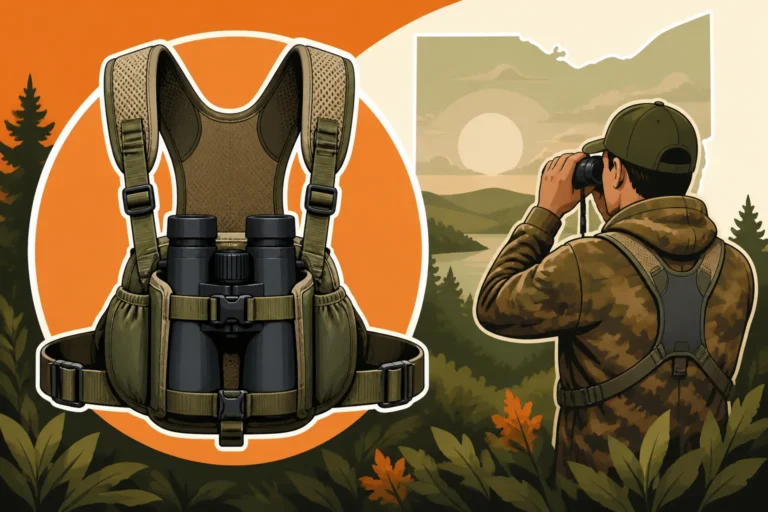
Proper care, regardless of price, extends the life of any optic. Always use lens caps when not actively glassing, and keep them in a protective case or harness. Clean lenses gently with a soft brush or compressed air first, then a microfibre cloth and a specific lens cleaning solution to avoid scratching the delicate coatings. Don't use your shirt tail! Ohio's dusty fields and muddy trails can quickly degrade optics if not cared for. Consider a good quality binocular harness to keep them secure, accessible, and protected against bumps and scrapes while you’re moving through the woods or across fields.
The Value of Experience
Hunting, for many of us, is about the experience. It's about being immersed in nature, observing wildlife, and connecting with the land. High-quality optics enhance that experience immeasurably. They allow you to see more, see clearer, and see further, enriching your time outdoors whether you're actively hunting or simply observing.
There's a subtle but powerful feeling of confidence that comes from knowing your gear won't let you down. Knowing you can trust your binoculars to perform when that big buck steps out at last light, or when you need to confirm a distant patch of Reading Ohio Snow for Fresh Deer Movement, allows you to focus on the hunt itself, rather than worrying about your equipment. While a cheap pair might be "good enough" to see a deer, a quality pair allows you to truly see the deer, and often, that makes all the difference.
Making Your Decision
So, are cheap binoculars good enough for Ohio hunting? For some, in some situations, yes, they might scrape by. But for most serious hunters, especially those who cherish every moment in the field and want to maximize their success and enjoyment, investing in a mid-range to higher-end pair is a decision you likely won't regret. Prioritize optical clarity, low-light performance, and durability, and you'll find a pair that serves you well for many seasons to come. Just like carefully selecting your archery setup, whether it's a Crossbow Versus Vertical Bow in Ohio, choosing your binoculars is a key part of preparing for a successful hunt.
Disclaimer
This article is for general informational purposes only and does not constitute professional advice. Laws, prices and regulations vary by location and change over time. Consult a qualified professional for guidance on your specific situation.