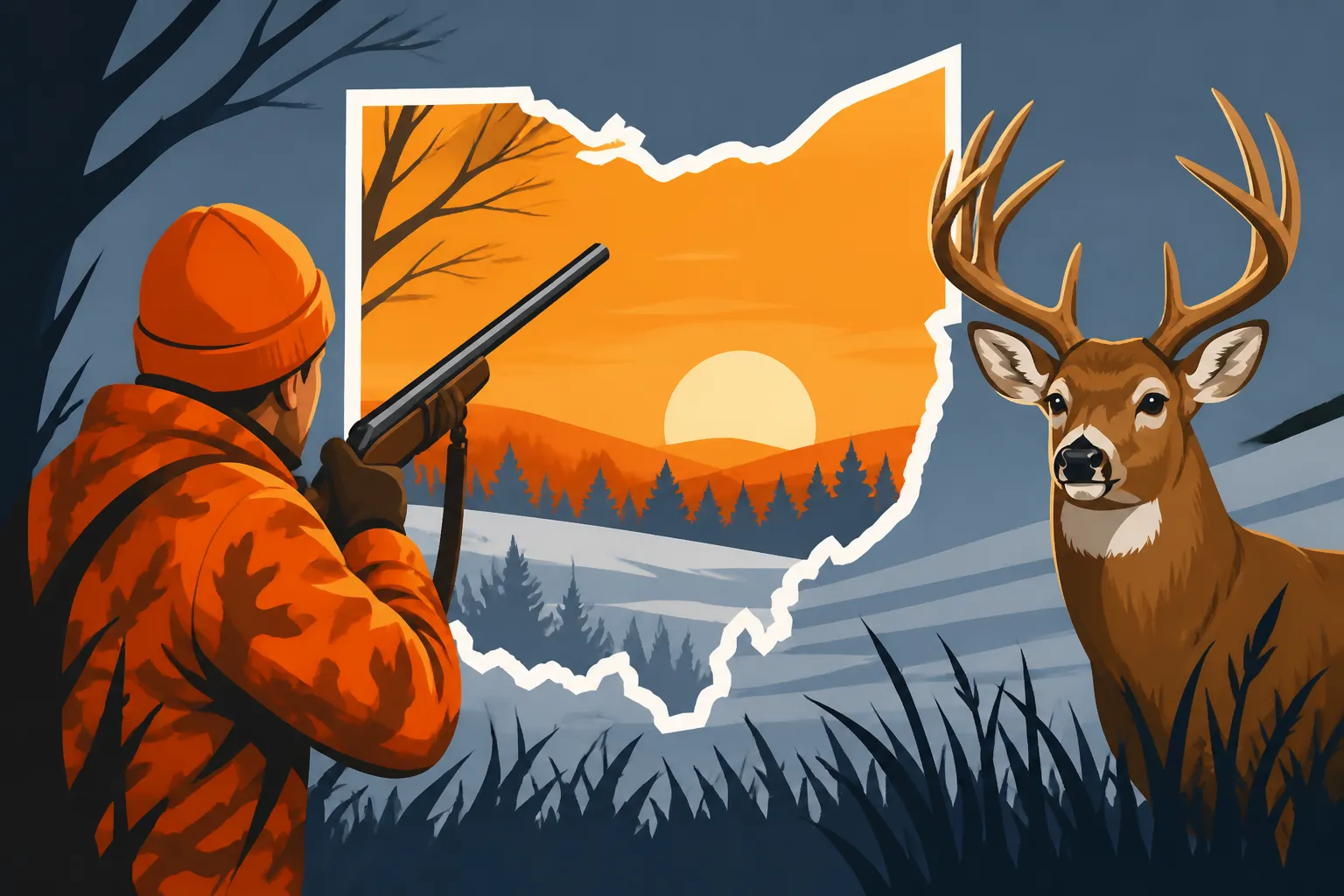
Hunting the Second Gun Weekend in December
That second gun weekend in December can feel like a totally different ballgame compared to the frenzy of opening day. The crowds have thinned, the weather has turned decidedly colder, and the deer? Well, they're smart, wary, and have been poked at a bit. If you've ever felt like you're hunting ghosts during this late-season window, you're not alone. This guide is all about giving you the insights and strategies to confidently pursue those late-season whitetails and make the most of that last opportunity to fill your freezer.
Understanding the Landscape of the Second Gun Weekend
By the time the second gun season rolls around in December, especially after the main push of hunters has come and gone, the deer herd in Ohio has already experienced a significant amount of pressure. This isn't the same herd you encountered back in October, or even during the first gun weekend. Their patterns have shifted, their guard is up, and they've become masters of evasion.
Shifting Deer Behavior and Pressure
After the initial gun season, deer become incredibly wary. They've heard the shots, seen the orange armies marching through the woods, and learned quickly where to find refuge. This means that those textbook bedding areas or obvious food plots that might have been productive earlier in the season are now often empty during daylight hours. You'll find deer becoming much more nocturnal, moving under the cover of darkness, and only venturing out during legal shooting light if the conditions are absolutely perfect, or if they feel completely safe.
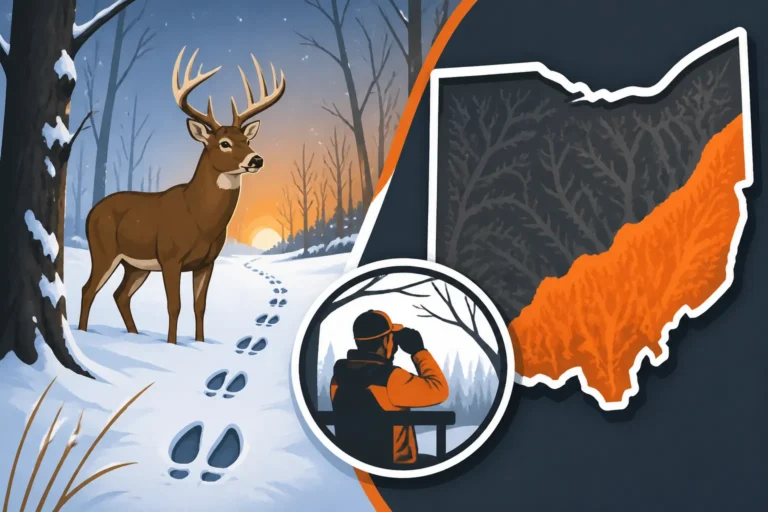
Think about public lands like sections of the Wayne National Forest in southeast Ohio, or even smaller woodlots tucked away in the sprawling farmlands of northwest Ohio. These areas, particularly the more accessible ones, will have been heavily hunted. Deer will have relocated to the densest cover, often areas that hunters are less willing to penetrate due to their difficulty, or spots that offer immediate escape routes. They're looking for thermal cover that holds warmth and visual cover that conceals them from predators, two-legged or otherwise. They'll use every bump, ditch, and thicket to their advantage, slipping away long before you even know they're there.
The Impact of Weather Conditions
December weather in Ohio is notoriously fickle. One day you might have a mild, overcast afternoon, and the next you're slogging through knee-deep snow and bitter winds. These conditions profoundly influence deer movement and your hunting strategy. A sudden cold snap after a period of mild weather can kick deer activity into high gear as they try to pack on calories. Similarly, fresh snow can be a double-edged sword: it makes tracking easier, but also highlights your presence and makes quiet movement a serious challenge.
Heavy winds can be a blessing and a curse. While wind can mask your sound, deer often bed down tighter in extreme winds, making them even harder to locate. Rain, especially a cold, steady drizzle, can dampen movement for both deer and hunters, but a light rain or mist might actually encourage deer to move more quietly. You need to be prepared for anything from frigid, clear days where deer may be moving to sun-drenched slopes to soak up warmth, to brutal blizzards that force them into the densest, most sheltered cover available. Being ready for these shifts, both in your gear and your mindset, is absolutely critical for success during this unpredictable time.
The Hunter Exodus and Opportunity
One of the most significant factors, and arguably the biggest opportunity, during the second gun weekend is the dramatic drop-off in hunter numbers. Many hunters, having spent their time and energy during the first weekend, or perhaps filled their tags, simply hang up their gear until next year. This mass exodus from the woods reduces the overall pressure on the deer herd. While the deer are still wary from previous encounters, the constant human intrusion they experienced just weeks prior is significantly lessened.
This doesn't mean the deer forget. They'll still be jumpy, still seeking out thick cover, and still largely operating on a nocturnal schedule. But with fewer boots on the ground, there's a chance they might feel a little more comfortable moving during daylight, especially if a good food source is nearby or breeding activity (the late-season rut lull) is still sparking some movement. For the persistent and adaptable hunter, this lack of competition can be a huge advantage. It means you might be the only one in a particular woodlot or on a specific ridge, giving you a chance to truly understand and react to the deer's current behavior without constant interference from other hunters. It’s a quiet time in the woods, a time for solitude and careful observation, which can often pay off handsomely for those willing to put in the effort.
Locating Deer During the Late Season Gun Hunt
Finding deer in December, especially after they've been pressured, requires a significant shift in your scouting and hunting approach. You can't rely on early-season patterns. Instead, you need to focus on two primary drivers: food and thermal cover. Deer are prioritizing survival, conserving energy, and seeking out the best available resources to get them through the cold months.
Key Food Sources After Harvest
By December, most of Ohio's agricultural fields have been harvested, drastically changing the available food sources for deer. Those vast corn and soybean fields that were magnets in October are now mostly stubble. However, don't write them off entirely. Sometimes, particularly in fields harvested quickly, there are still plenty of waste grains left on the ground. A good rain or snow can even make these waste grains more accessible. It’s worth scouting the edges of these fields, especially where they meet thick cover, for signs of deer activity.
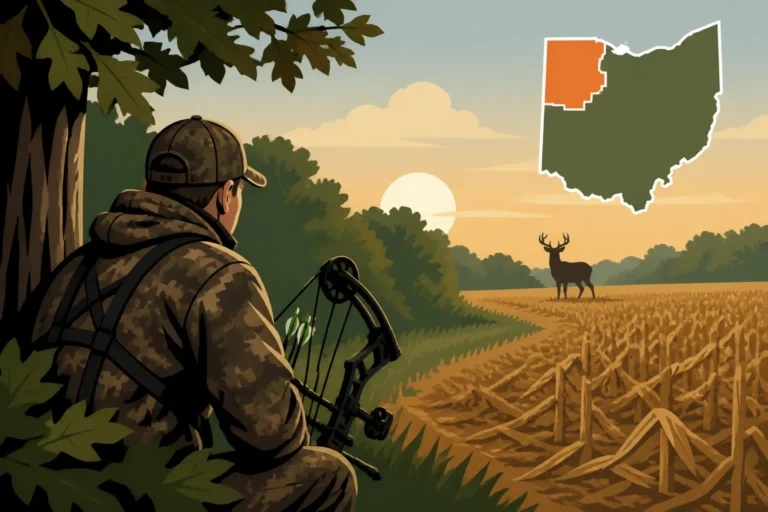
Beyond waste grain, deer will turn to remaining natural browse. Look for areas with dense, young regrowth, such as recent timber clear-cuts or areas that have been selectively logged. These areas can offer a buffet of twigs, buds, and young saplings that become critical in late season. Acorn crops, if they were abundant, might still provide some sustenance, especially white oaks, but by December, most of the easily accessible mast is long gone or covered by snow. Another excellent late-season food source, often overlooked, are winter food plots, if you're lucky enough to have access to private land with them, or if a wildlife area has planted them. These plots, often planted with brassicas, clover, or winter wheat, can be irresistible to deer seeking high-energy forage. In agricultural regions like northwest Ohio, identifying unharvested or standing crops can be a game-changer. Deer will often bed right in these fields, venturing to the edges to feed under the cover of darkness or during low-light conditions. Focus on finding these critical areas that provide the calories deer desperately need. This is a great time to be thinking about Late-Season Food Sources for Ohio Whitetails.
Bedding Areas in December
With dropping temperatures, the deer's primary concern shifts from avoiding predators to conserving energy and staying warm. This means their bedding choices become much more deliberate. You'll want to focus your search on thick thermal cover. This includes dense stands of conifers (pines, cedars, hemlocks), which offer excellent protection from wind and snow. South-facing slopes are also golden; they catch the most sunlight throughout the day, providing a warmer spot for deer to rest. Look for these areas in combination with heavy cover, such as downed timber, briar thickets, or areas of regenerating clear-cuts.
River bottoms and steep ravines can also be prime bedding spots. These natural depressions offer shelter from the wind and can trap warmer air. Deer will often bed on the leeward side of hills or ridges, hunkering down out of the direct wind. When you're scouting, especially after a fresh snow, look for tracks leading into these dense, sheltered areas. These bedding sites are often close to a food source, but not always directly on top of it. They’ll usually offer multiple escape routes as well. Remember, deer are trying to minimize energy expenditure, so a bed that provides warmth and security with a relatively easy path to food is ideal. Finding good sign in thick cover, particularly in rugged terrain like that found in Appalachian Ohio, is explored further in Finding Sign in Big Appalachian Timber.
Funnels and Travel Corridors
In the late season, with deer moving less frequently and often sticking to dense cover, understanding and utilizing funnels and travel corridors becomes paramount. Deer aren't meandering through the woods; they're moving with purpose between their bedding areas and their preferred food sources. These travel routes are often narrow, natural pinch points that concentrate deer movement, making them ideal ambush locations.
Look for geographical features that force deer into predictable paths: creek bottoms, saddles in ridges, narrow strips of timber connecting larger woodlots, fence lines (especially those overgrown with brush), and even subtle changes in elevation that create easy travel. In agricultural areas, fencerows bordering fields can serve as highways between feeding and bedding. Any natural constriction in the landscape that limits deer movement to a smaller area is a funnel. These can be particularly effective on public lands where deer might be trying to avoid wide-open spaces. By identifying these funnels and setting up strategically, you can capitalize on the limited daylight movement of late-season deer. This concept of using terrain to your advantage, such as Hunting a Funnel Between Two Woodlots, is a crucial late-season skill.
Effective Tactics for the Second Gun Weekend
Hunting during the second gun weekend is not about running and gunning or trying to cover vast amounts of ground. It's about precision, patience, and adapting your methods to the pressured, cold-weather deer. The tactics that worked in October likely won't cut it now.
Still-Hunting and Slow Tracking
One of the most effective methods for hunting wary, late-season deer is still-hunting, especially if you get some fresh snow. This isn't about sitting stationary, but rather moving incredibly slowly and deliberately through the woods, stopping frequently to observe and listen. You become the hunter, stalking the deer on their turf. The key is to take one or two steps, then pause for several minutes, scanning every shadow, every thicket, and listening intently for any sound of movement.
When snow is on the ground, still-hunting naturally transitions into slow tracking. Fresh deer tracks are your roadmap. Follow them cautiously, always paying attention to the wind direction and the terrain. Deer often bed on the leeward side of hills or just over a rise, so use these features to your advantage to approach undetected. The goal isn't to walk quickly; it's to walk so slowly and quietly that you can spot the deer before it spots you, giving you time to set up for a shot. This requires immense patience and keen observation skills. If you're tackling big, challenging public lands like the Shawnee State Forest, honing your Still-Hunting Shawnee State Forest Ridges skills can really make a difference.
Small-Scale Deer Drives
While large, organized deer drives might be effective on the first gun weekend, they're often too disruptive and simply move deer from one property to another during the second weekend. Instead, think small-scale and strategic. This tactic works best with a minimal number of hunters – two or three is often ideal. The idea is to gently push small, thick cover pockets or isolated woodlots where you suspect deer are bedded. One or two hunters act as drivers, moving slowly and quietly through the cover, while another hunter (or two) posts up on likely escape routes.
The drivers aren't trying to spook deer into a full sprint; rather, they're attempting to bump them subtly, encouraging them to walk out of the thicket and ideally into the path of the posted hunters. Communication is vital here. Using two-way radios, or simply pre-arranged hand signals and knowledge of the terrain, can make all the difference. This approach requires intimate knowledge of the specific piece of ground you're hunting, understanding how deer will naturally escape, and anticipating their movements. It's a more nuanced form of pushing deer that can be very effective on smaller parcels or overlooked thickets that bigger groups would ignore. For more on coordinating these types of pushes, check out Deer Drives With Three or Four Hunters.
Stand Hunting Persistence
Even though deer are warier, stand hunting can still be incredibly effective during the second gun weekend, provided you adjust your strategy. Forget those mid-day naps; late-season stand hunting often demands long, persistent sits. Deer movement tends to be concentrated during the first and last hours of daylight, so being in your stand well before dawn and staying until dark is crucial. The benefit of a GoHunt membership can be invaluable here, as their detailed weather forecasts and moon phase data can help you predict peak movement times, informing when those long sits might be most fruitful.
Focus your stand placement on key travel corridors between bedding and feeding areas, or on the edges of thick cover. Since deer are highly sensitive to human presence, make sure your entry and exit routes are stealthy and won't spook deer in the vicinity. Thermal advantage is critical; consider stands that allow you to overlook south-facing slopes or thick conifer stands that offer thermal protection. Ground blinds can be exceptionally useful during this time, offering concealment, warmth, and the ability to adjust your setup more easily than a treestand. Ensure they are well brushed in and blend naturally with the surroundings. Remember that this time of year means Hunting the Second Gun Weekend Before Christmas often comes with colder temperatures, so staying warm and comfortable is key to your persistence.
Essential Gear and Preparations for December
December hunting is not for the faint of heart, or for the unprepared. The weather can be brutal, and being cold, wet, or uncomfortable will quickly end your hunt. Investing in the right gear and making thorough preparations are non-negotiable for success and safety.
Cold Weather Clothing and Comfort
Staying warm and dry is paramount in December. Layering is your best friend. Start with a moisture-wicking base layer against your skin to pull sweat away. Next, add insulating layers, such as fleece or wool, to trap body heat. Wool is an excellent choice for outer layers as it retains warmth even when wet and is naturally quiet, crucial for still-hunting. For your outermost layer, choose something waterproof, windproof, and silent. Brands like Sitka Gear or First Lite offer excellent systems designed for cold-weather hunting.
Don't forget your extremities! A good pair of insulated, waterproof boots is essential, perhaps even one size larger to allow for thicker socks and better circulation. Pack hand warmers (the chemical kind or rechargeable ones like Zippo or Ocoopa) and foot warmers, especially if you'll be sitting for long periods. A heavy-duty insulated hat, neck gaiter, and thick gloves or mittens (with finger access for shooting) are also vital. Sitting for hours in freezing temperatures demands a thorough Cold-Weather Sitting Strategy in Ohio, so dress like your comfort and endurance depend on it – because they do.
Firearms and Ammunition Considerations
Ohio's unique deer hunting regulations, particularly the allowance of straight-wall cartridge rifles, give hunters excellent options for the second gun weekend. Popular calibers like .350 Legend, .450 Bushmaster, and .44 Magnum offer increased range and accuracy compared to traditional shotgun slugs, which can be a significant advantage when targeting wary deer in more open terrain or across wider ravines. That said, shotgun slugs remain a perfectly viable and effective choice, especially in thick cover where shots are typically shorter.
Regardless of your chosen firearm, ensure it's sighted in precisely for the ranges you anticipate shooting. Cold weather can sometimes affect optics, so check your scope for clarity and zero before heading out. Carry enough ammunition, even if you only plan to take one shot – you never know. Make sure your ammunition is reliable in cold, damp conditions. Consider carrying a spare magazine for straight-wall rifles. It's also wise to have a basic cleaning kit for your firearm, especially after a wet day, to prevent issues. Understanding Ohio Legal Firearms for Deer Hunting is crucial, so always double-check the latest regulations.
| Gear Item | Purpose | December Considerations |
|---|---|---|
| Layered Clothing | Warmth, moisture wicking, wind protection | Wool/Synthetics, waterproof outer shell, silent fabrics |
| Insulated Boots | Keep feet warm and dry | Waterproof, rated for extreme cold, comfortable for walking |
| Hand & Foot Warmers | Prevent frostbite, maintain comfort | Chemical packets or rechargeable, essential for long sits |
| Straight-Wall Rifle/Shotgun | Ethical and effective harvest | Zeroed, reliable in cold, sufficient ammunition |
| Quality Optics | Spotting deer, accurate shooting | Fog-proof binoculars (8x-10x), reliable rifle scope, rangefinder |
| GPS/Mapping App | Navigation, property lines, recovery | Fully charged battery, downloaded maps (GoHunt app is great!) |
| Headlamp | Safe entry/exit, blood trailing | Bright, long-lasting battery, red light option |
| Game Cart/Sled | Efficient deer recovery | Durable, capable on snow/mud, makes extraction easier |
| Knife & Field Dressing Gloves | Sanitary processing of game | Sharp, sturdy blade; nitrile gloves for cleanliness |
| Safety Harness (Treestand) | Fall prevention | Always wear, even for short climbs |
Navigation and Recovery Tools
Being able to navigate effectively and recover your deer safely is critical during the second gun weekend. The cold temperatures and potentially rugged terrain (especially in southeastern Ohio) mean you want to be as efficient as possible. A reliable GPS unit or a smartphone with a robust hunting app like GoHunt is indispensable. GoHunt, for example, allows you to download offline maps, mark waypoints for your stand, parking spot, or a blood trail, ensuring you can always find your way, even without cell service. Make sure your device is fully charged, and consider carrying a portable power bank.
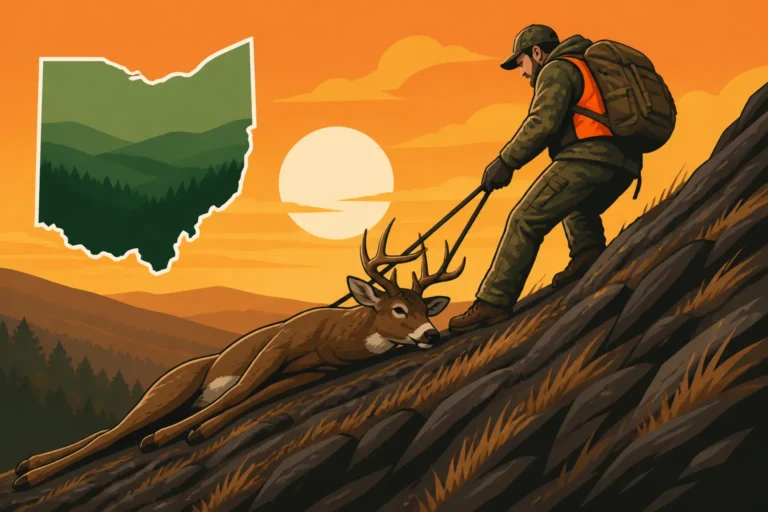
A high-quality headlamp or flashlight is also a must-have, not just for entering and exiting in the dark, but especially for blood trailing. A wounded deer will often not leave as much blood in cold weather, and snow can sometimes obscure a trail. A bright light, ideally with a red light option to preserve night vision, will be invaluable. Finally, think about how you'll get your deer out. If you're in flat farm country, a game cart might work well. In the steep, rugged hills of Appalachian Ohio, a deer sled can be a lifesaver, especially in snow, making the drag significantly easier. Recovering a deer in challenging conditions is a skill in itself, so be prepared to put in the work, and using your GoHunt maps to mark the spot will save you precious time. Read more on Tracking a Deer in Fresh Ohio Snow for tips.
Navigating Public Land Challenges and Opportunities
Public lands in Ohio offer incredible hunting opportunities, but during the second gun weekend, they come with a unique set of challenges and, surprisingly, even greater rewards for those willing to work for them. With fewer hunters, the sense of solitude returns, but the deer are still on high alert.
Finding Less-Pressured Areas
By mid-December, many public land hotspots have seen significant hunter traffic, pushing deer into remote, less accessible areas. Your strategy should be to go where others aren't willing to go. This often means walking farther, tackling steeper terrain, or pushing into dense, undesirable cover that most hunters avoid. Use aerial maps and topo maps (the kind you'd find on your GoHunt app) to identify these overlooked pockets: deep ravines, thick briar patches, regenerating timber cuts, or areas buffered by water or private land that limit easy access.
In the vastness of Wayne National Forest or Shawnee State Forest, these areas might be miles from a main road or trailhead. Don't be afraid to put in the effort. Deer will seek refuge in these sanctuaries, and if you can find them and approach quietly, you might just find a buck that hasn't seen much pressure since October. Scouting beforehand, even just digitally with your mapping tools, to identify these remote areas is crucial. Focus on understanding the natural movement patterns in these areas, always considering how deer would move between their bedding and any potential food sources. It’s a hunt for seclusion, for both you and the deer, and often means Finding Ground Others Walk Past.
Respecting Property Boundaries
When hunting public land, it's absolutely critical to know exactly where you are and where the private land boundaries lie. Deer, especially when pressured, will often jump from public to private land, or vice-versa, seeking refuge. An app like GoHunt with its detailed property line overlays is indispensable for this. It can literally mean the difference between a legal hunt and a trespassing violation. Before you even set foot in the woods, spend time studying the boundaries of your chosen hunting area.
In Ohio, if you wound a deer and it crosses onto private land, you need to obtain permission from the landowner before attempting to retrieve it. This can be a tricky situation, especially during the hustle and bustle of gun season. Always carry your hunting license and be prepared to show it. It’s a good practice to try and identify landowners adjacent to public hunting areas if possible, though this isn't always feasible. Knowing Ohio Posted Land Rules and what constitutes trespassing is not just good practice, it's the law. Always be respectful of private property and the rights of landowners.
Ethical Considerations and Safety
Hunting during the second gun weekend, while less crowded, still requires a strong emphasis on ethical considerations and safety. Always wear your required blaze orange or blaze pink (depending on Ohio's specific regulations, which usually mandate 500 square inches above the waist) to ensure you are highly visible to other hunters. This is especially important in dense cover or during low light conditions. Review Ohio Blaze Orange Requirements to ensure you're in compliance.
Beyond visibility, practice responsible hunting. This includes being absolutely certain of your target and what's beyond it before taking a shot. During December, with leaf cover gone, visibility can increase, but so can the chance of misidentifying a target or not seeing someone else in the woods. Know your effective range and stick to it. If you harvest a deer, ensure you check it in according to Ohio's regulations, typically online or via phone through the Ohio Department of Natural Resources (ODNR) game check system. This data is vital for wildlife management. Finally, always be considerate of other hunters you may encounter, even if few and far between. A friendly nod or wave goes a long way in fostering a positive hunting community.
Disclaimer
Please remember that hunting regulations and seasons can change. Always consult the most current Ohio Department of Natural Resources (ODNR) hunting regulations before heading afield. This guide is for informational purposes only and should not replace official state publications.