Bow and Crossbow Setups for Ohio
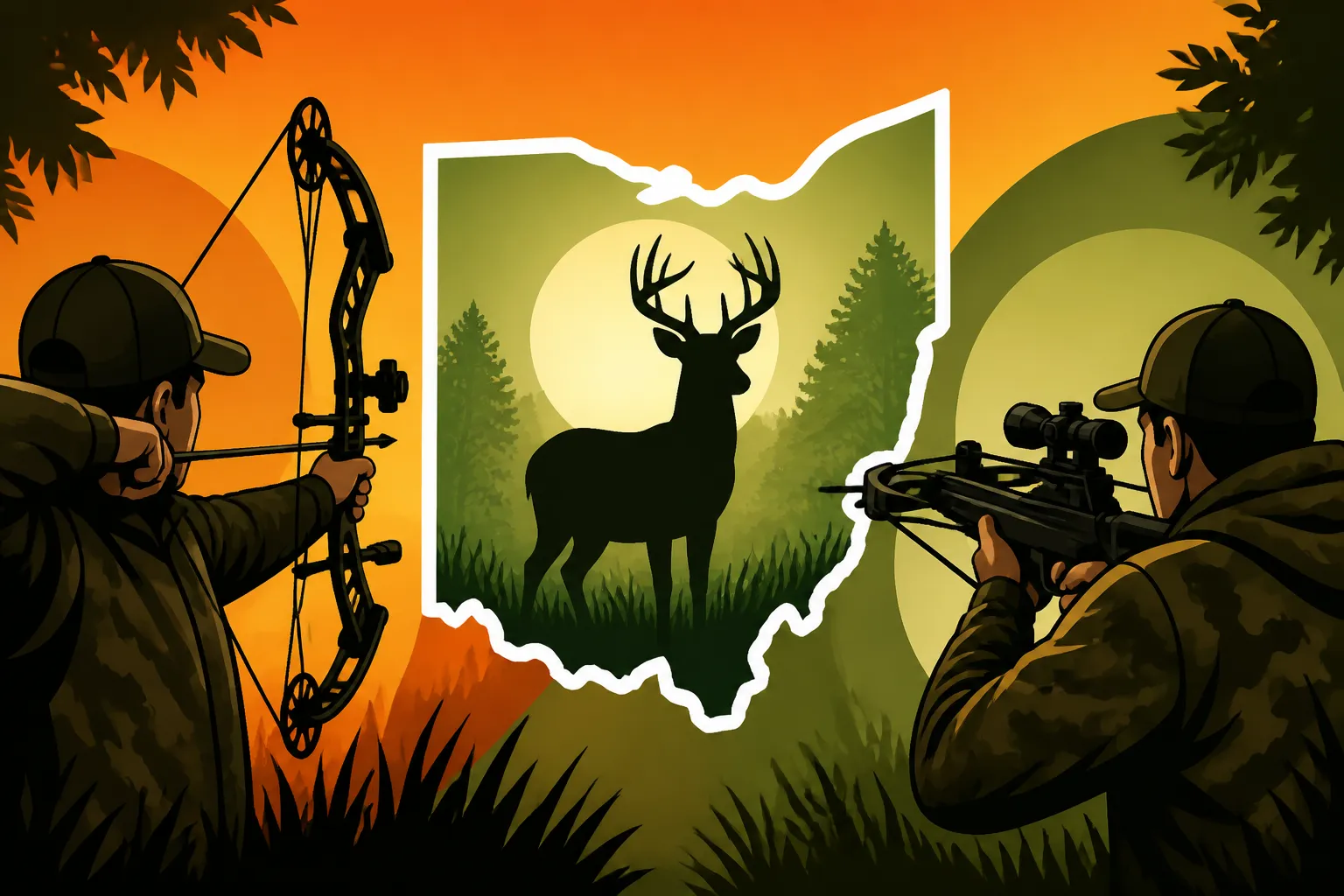
For many Ohio hunters, the moment you decide to pursue deer with a bow or crossbow can feel exhilarating, but quickly turns into a maze of equipment choices, regulations, and setup considerations. It’s easy to get overwhelmed trying to figure out what gear truly works, what’s legal, and how to set it all up for success in Ohio's diverse hunting landscapes. This comprehensive guide is here to walk you through everything you need to know to confidently choose, set up, and maintain your bow or crossbow for hunting in the Buckeye State.
Understanding Ohio's Archery Regulations for Bows and Crossbows
Before you even start looking at bows or crossbows, it’s absolutely crucial to understand the legal landscape in Ohio. Skipping this step can lead to fines, lost hunting time, and even the forfeiture of your hard-earned harvest. Ohio has specific rules for archery equipment that are designed to ensure humane harvests and fair chase, so let's break down what you need to know.
Legal Draw Weight and Minimum Arrow Requirements
When it comes to vertical bows – whether recurve, longbow, or compound – Ohio regulations stipulate a minimum draw weight. This isn't just an arbitrary number; it’s put in place to ensure that an arrow has enough kinetic energy to ethically harvest a deer. While the exact minimum might fluctuate slightly over time, traditionally, it hovers around 40 pounds at a 20-inch draw for compounds, or 35 pounds for traditional bows. What this means for you, the hunter, is that you need to make sure your bow is capable of meeting or exceeding this minimum. If you’re just starting out or working with a youth hunter, checking the bow's specifications and perhaps a pro shop measurement is non-negotiable.
Beyond draw weight, there are also general requirements for arrows. They must be at least 24 inches in length and fitted with a broadhead that has at least two cutting edges and a minimum cutting diameter. This isn't the time to experiment with anything unconventional; stick to reputable, well-designed hunting broadheads that meet the legal specifications. The goal is a quick, clean kill, and legal requirements are designed with that in mind. Always consult the current Ohio hunting regulations, perhaps using a tool like Scouting With the Ohio HuntFish App, before heading afield, as specifics can be updated seasonally.
Crossbow Specific Rules and Age Restrictions
Crossbows have seen a surge in popularity, and for good reason—they offer a different hunting experience with some distinct advantages. Ohio law generally treats crossbows as another legal hunting implement during the archery season, but there are still specific rules. For instance, crossbows must have a minimum draw weight, which again, is for ethical hunting purposes. The bolt (crossbow arrow) must also meet minimum length requirements, typically 18 inches, and be equipped with a broadhead meeting the same cutting edge and diameter standards as vertical bows.
One significant aspect of crossbow rules often involves age restrictions for use. While vertical bows might have slightly more lenient starting ages, crossbows can sometimes be subject to more specific guidelines for younger hunters, especially without direct adult supervision. If you're considering a crossbow for a youth hunter, or if you're a new hunter yourself, verifying these details is paramount. It's not just about what you can do, but what you should do to foster a responsible hunting ethic. Remember that a specific Do You Need a Separate Crossbow Permit? question often arises, and the good news is usually not; your standard hunting license and deer permit cover it.
Blaze Orange and Pink During Archery Season Overlaps
This is where many archery hunters get tripped up, especially later in the season. While the early archery season typically doesn't require blaze orange or pink, these requirements kick in when archery season overlaps with any gun seasons. This includes the statewide gun deer season, the early gun season in the Disease Surveillance Area (DSA), and the muzzleloader season. When these overlaps occur, all hunters afield, including those with bows and crossbows, are required to wear a certain amount of hunter orange or pink.
This isn't just about following the law; it's a critical safety measure. Visibility to other hunters, particularly when Hunting Pressure on Ohio Public Land, can literally save lives. Make sure you have the appropriate outer garments ready, whether it's a vest, hat, or full jacket, that meets Ohio's specific coverage requirements. Don't assume your camo will be visible enough. Always check the current season dates and regulations to know when these requirements are in effect. It's a small detail that makes a huge difference in staying safe in the woods.
Choosing Your Primary Weapon: Vertical Bow vs. Crossbow
The decision between a vertical bow (compound, recurve, or longbow) and a crossbow is a personal one, influenced by comfort, physical ability, hunting style, and preference. Both are effective tools for harvesting deer in Ohio, but they offer distinct experiences and come with their own set of advantages and considerations.
The Traditional Vertical Bow Experience
Hunting with a vertical bow offers a deeply engaging and often physically demanding experience. For many, it's the pinnacle of primitive hunting, requiring a high degree of skill, practice, and stealth. The draw cycle of a compound bow, while assisted by cams, still requires strength and smooth execution. Traditional bows like recurves and longbows demand even more raw strength and refined technique. The challenge of getting a deer within 20-30 yards and executing a perfect shot is what draws many to vertical bowhunting.
This method often necessitates a very intimate understanding of deer movement, terrain, and wind. You're working within a much shorter effective range compared to a crossbow or firearm, meaning your scouting, stand placement, and ability to remain undetected are absolutely critical. It builds a unique connection to the hunt and the animal, fostering a sense of accomplishment that’s hard to match. If you relish the challenge, the quiet focus, and the close-quarters intensity, a vertical bow might be your ideal choice for Bowhunting Ohio's Long Archery Season.
The Advantages of a Crossbow for Ohio Hunting
Crossbows have democratized archery hunting to a certain extent, making it accessible to a broader range of individuals. They are generally easier to learn, require less physical exertion to cock (though a cocking device is often recommended), and remove the need to hold at full draw, which can be a game-changer for new hunters, youth, or those with physical limitations. This ease of use means hunters can focus more quickly on shot placement and hunting strategy rather than mastering the intricate mechanics of a vertical bow draw and release.
Another significant advantage of crossbows is their typically longer effective range and often higher velocity compared to many vertical bows. While still not a rifle, a crossbow can extend your ethical shooting distance, which can be beneficial in certain open terrain found in parts of Ohio. They also tend to be more accurate right out of the box for many users, offering a consistent platform for precise shooting. For those looking for a relatively straightforward entry into archery hunting, or simply a less physically demanding option, a crossbow offers a compelling solution, giving you great confidence whether you're sitting in a ground blind or a treestand.
Factors Influencing Your Decision
Ultimately, the choice between a vertical bow and a crossbow boils down to a few key factors. First, consider your physical capabilities. Can you comfortably and repeatedly draw and hold a vertical bow at your desired draw weight? If not, a crossbow might be a more practical and ethical choice. Second, think about your desired level of challenge and engagement. Do you crave the precision and intimacy of a vertical bow, or do you prefer the relative ease of use and extended range of a crossbow?
Third, consider your budget. While both can be significant investments, there are entry-level options for both. The cost of arrows versus bolts, and the accessories required, can vary. Lastly, think about the specific hunting scenarios you anticipate. If you're primarily hunting tight timber in the Appalachian foothills, the range advantage of a crossbow might be less critical than if you’re hunting field edges in Northwest Ohio farmland. Both are legal and effective, as explored in Crossbow Versus Vertical Bow in Ohio, so choose the one that truly fits you and your hunting style.
Essential Vertical Bow Setup Components for Ohio Deer
Once you’ve decided that a vertical bow is your weapon of choice, the real fun begins: assembling your ideal setup. This isn't just about buying a bow; it's about creating a harmonious system that works with you to deliver accuracy and ethical performance in the field. Every component plays a role in your success.
Bow Type, Draw Weight, and Draw Length
The foundation of your vertical bow setup is, of course, the bow itself. Compound bows are by far the most popular for deer hunting in Ohio, thanks to their speed, adjustable draw weight, and "let-off" at full draw, which makes holding on target much easier. Recurve and longbows offer a more traditional, minimalist approach, but demand much more practice and skill. For deer, a compound bow set to a comfortable draw weight, typically between 50-70 pounds for adults, is ideal. The key here is "comfortable" – you must be able to draw it smoothly and repeatedly without excessive strain. Don't feel pressured to shoot the heaviest draw weight you can; accuracy trumps power every time.
Crucially, your bow must be properly matched to your unique draw length. This measurement, taken from the tip of your middle finger to the tip of your middle finger with arms outstretched, then divided by 2.5, is paramount for both comfort and accuracy. An improperly set draw length can lead to poor shooting form, inconsistencies, and discomfort, especially on long waits in a cold stand. A good pro shop can measure you accurately and set your bow perfectly, ensuring a consistent anchor point and proper shooting mechanics. This proper fit will directly influence your ability to consistently hit your mark, an aspect discussed further in Bow Draw Weight for Ohio Whitetails.
Sights, Rests, and Stabilizers for Accuracy
Now we move on to the precision components. Your bow sight is what allows you to aim, and there's a wide range available, from simple single-pin sights to multi-pin models and even advanced holographic or magnified options. For most Ohio deer hunting scenarios, a reliable multi-pin sight (3-5 pins) is a great starting point, allowing you to quickly switch between common yardages like 20, 30, and 40 yards. Ensure your pins are bright and easy to see in low-light conditions, as deer are often most active at dawn and dusk.
The arrow rest is another critical component, dictating how consistently your arrow leaves the bow. Drop-away rests are incredibly popular for hunting, as they cradle the arrow during the draw and then drop out of the way just before the fletching passes, minimizing contact and maximizing accuracy. Full-capture rests are also effective and keep your arrow securely in place, which is handy when maneuvering in a treestand. Finally, a good stabilizer, mounted on the front of your bow, helps balance the setup, reduce vibration, and quiet the shot, all of which contribute to a more stable and accurate shooting platform.
Broadheads and Arrows: Performance and Ethics
Your arrows and broadheads are the final, lethal link in your bowhunting chain. For arrows, consistency is key. Carbon arrows are the most common choice, known for their durability, straightness, and consistent weight. Matching the arrow spine (its stiffness) to your bow's draw weight and length is absolutely essential for accurate flight. An arrow that is too stiff or too weak will flex improperly, leading to erratic flight patterns.
Broadheads are where the rubber meets the road, and selecting the right one is both an art and a science. You have two main categories: fixed-blade broadheads and mechanical broadheads. Fixed blades are known for their ruggedness and reliability, offering predictable flight if tuned correctly. Mechanical broadheads deploy on impact, creating a larger cutting diameter for potentially greater hemorrhaging and blood trails. Each has its proponents and advantages. A fixed-blade like the Montec or Magnus Stinger, or a mechanical like a Rage or NAP Killzone, are popular, but the most important thing is that they fly true from your bow and are sharp. Test different options extensively with field points to ensure consistent flight before taking them hunting. The choice of broadhead, along with Fixed Versus Mechanical Broadheads, can significantly impact your recovery success.
Building a Reliable Crossbow Setup for Ohio
Just like with vertical bows, assembling a reliable crossbow setup for Ohio deer hunting involves careful consideration of several key components. While some aspects might seem simpler than a vertical bow, each part works together to deliver that crucial shot.
Crossbow Models and Speed Considerations
The market for crossbows has exploded, offering a vast array of models, from compact recurve crossbows to powerful compound designs. When choosing a model, consider its size, weight, and balance. If you'll be still-hunting or carrying it a lot, a lighter, more compact model might be preferable. For treestand hunting, a slightly heavier, more stable platform could be an advantage. The cocking mechanism is also important; most modern crossbows use rope cockers or integrated cranking devices, making them much easier to draw than in years past.
Speed, often measured in feet per second (FPS), is a common selling point, but it's not the only factor. While a faster crossbow can flatten trajectory and reduce the amount of lead needed on a moving animal, pinpoint accuracy and quiet operation are often more critical. A crossbow shooting 350-400 FPS with precision is often more effective than one boasting 450 FPS if it’s loud, heavy, or difficult to shoot consistently. Look for models from reputable brands known for reliability and accuracy.
Scopes and Optics for Enhanced Precision
One of the significant advantages of crossbows is their integration with traditional rifle-style scopes. This allows for clear sight pictures and precise aiming, especially at longer ranges than typically attempted with a vertical bow. Most crossbows come with a factory scope, but an upgrade can often yield substantial improvements. Look for scopes designed specifically for crossbows, often featuring multiple reticle dots or lines calibrated for different yardages (e.g., 20, 30, 40, 50 yards).
Clarity in low light is crucial, as is a wide field of view. Ohio deer are most active during the dim hours of dawn and dusk, so your scope needs to perform when light is fading. Variable power scopes (e.g., 1.5-5x or 3-9x) offer versatility, allowing you to dial down for wider views in thick cover or zoom in for more precise shots in open areas. Make sure the scope is securely mounted and properly sighted in at the various yardages. This is a primary tool for accurate shooting, and the better your scope, the more confident you'll feel when that big buck steps out.
Bolts, Broadheads, and Quiver Choices
Crossbows use specialized arrows called bolts, and just like with vertical bows, consistency is key. Most crossbow manufacturers recommend specific bolt weights and lengths for optimal performance and safety. Deviating from these recommendations can affect accuracy and, in some cases, even damage your crossbow. Carbon bolts are standard, offering durability and consistent flight. Fletching and nock type are also specific to crossbows, so ensure you're using the correct components.
For broadheads, the same principles apply as with vertical bows. Fixed-blade broadheads are generally robust and reliable, while mechanical broadheads can offer larger cutting diameters upon impact. Given the higher velocities of many crossbows, some mechanical broadheads are specifically designed to remain closed during flight and only deploy upon impact, ensuring stable flight. Test your chosen broadheads extensively to ensure they fly identically to your field points. A quality quiver, whether integrated into the crossbow or mounted separately, is essential for securely carrying your bolts, keeping them protected and easily accessible when you need them most.
| Feature | Vertical Bow (Compound) | Crossbow |
|---|---|---|
| Learning Curve | Moderate to High (requires practice to master form) | Relatively Low (easier to pick up and achieve accuracy) |
| Physical Demand | Moderate to High (requires strength to draw and hold) | Low (cocking device aids in drawing, no holding at draw) |
| Effective Range | Typically 20-40 yards (highly dependent on skill) | Typically 30-60 yards (flatter trajectory) |
| Speed | 280-350 FPS (feet per second) | 350-450+ FPS |
| Sound | Generally quieter | Can be louder with a distinct "thwack" |
| Portability | More compact for maneuvering in dense cover | Wider limbs can be cumbersome in thick brush |
| Aiming | Peep sight & pin sight (some use a single-pin slider) | Scope with multiple reticles |
| Cost | Wide range, often comparable | Wide range, often comparable |
Accessories and Enhancements for Your Bow or Crossbow
A good bow or crossbow is just the beginning. The right accessories can significantly enhance your hunting experience, improving everything from comfort and safety to accuracy and ethical shot placement. Don's skimp on these crucial additions; they complete your setup and prepare you for real-world hunting scenarios.
Release Aids, Slings, and Quivers
For vertical bow hunters, a high-quality release aid is non-negotiable for consistent accuracy. Whether you prefer a wrist-strap caliper release, a handheld thumb release, or a back-tension release, find one that feels comfortable and allows for a smooth, surprise shot. Practice extensively with your chosen release to build muscle memory and ensure a clean arrow departure. A poor release can negate all the other careful tuning you've done.
Slings for both vertical bows and crossbows offer a practical way to carry your weapon, freeing up your hands for climbing, carrying other gear, or navigating tough terrain. A padded, adjustable sling can make long treks into your hunting spot much more comfortable, especially when you're loaded down with a pack and a treestand. Finally, a reliable quiver is essential. Whether it's a detachable bow-mounted quiver, a belt quiver, or a separate pack quiver, it needs to hold your arrows or bolts securely, silently, and within easy reach for a quick follow-up shot if needed.
Rangefinders and Binoculars for Critical Yardage
In Ohio’s varied terrain, accurately judging distance is paramount for ethical archery hunting. This is where a quality rangefinder becomes an indispensable tool. Knowing the exact yardage to your target, especially when Hunting a Funnel Between Two Woodlots or reading a ridge line, allows you to use the correct sight pin or scope reticle, ensuring a precise shot. Modern rangefinders are fast, accurate, and some even have angle compensation features, which are incredibly useful when shooting from a treestand into a ravine or up a steep hillside. Practice ranging common objects around your house and hunting spots until it becomes second nature.
Binoculars are equally important for scouting and hunting. They allow you to identify deer, assess antler size, and pinpoint shooting lanes without making excessive movement or noise. For most Ohio deer hunting, a compact 8×32 or 10×42 binocular is a great choice, offering a good balance of magnification, light-gathering ability, and portability. Look for models with clear glass, good low-light performance, and a comfortable ergonomic design. Brands like Vortex, Leupold, and Maven offer excellent options. A good pair of binos can help you spot that twitching ear or flicking tail that indicates a deer is approaching your position long before you can see it with the naked eye. GoHunt users often discuss the merits of various rangefinders in their forums, seeking that perfect balance of speed and precision for those critical moments.
Scent Control and Camouflage for Close Encounters
Archery hunting is a game of inches and senses. Deer have an incredible sense of smell, and in Ohio, they are constantly bombarded with human scent from hunters and landowners alike. Investing in a good scent control regimen is vital for getting within bow range. This includes showering with scent-free soap, washing hunting clothes in scent-free detergent, and storing them in airtight bags or containers. Sprays can help, but nothing beats meticulously managing your scent.
Appropriate camouflage also plays a critical role, especially when you're in a treestand or ground blind. While breaking up your silhouette is more important than matching specific leaf patterns, good quality camo helps you blend into the Ohio woods. Choose patterns suitable for the specific foliage and lighting conditions of your hunting area, whether it's the deep greens and browns of early season or the muted tones of late fall. Don't forget face paint or a mask and dark gloves to conceal any exposed skin, which can reflect light and give you away.
Practicing for Success in Ohio's Diverse Terrain
Having the best bow or crossbow setup in the world won't do you any good if you can't shoot it accurately and consistently under pressure. Practice is not just about flinging arrows; it's about simulating real hunting conditions and building confidence in your abilities. Ohio's varied terrain, from the flat farmlands to the steep Appalachian ridges, demands versatile practice.
Developing Accuracy for Close-Range Shots
Archery hunting is a close-range game. While your crossbow might be capable of 60-yard shots, your bread and butter, especially for vertical bows, will be within 20-30 yards. Focus the majority of your practice at these distances. Work on developing a consistent shooting form, a smooth draw (for vertical bows), a clean release, and a solid anchor point. The goal is tight groups, repeatedly. Don't be afraid to shoot at smaller targets to really hone in on your aiming point.
Vary your shooting positions. Practice shooting from a kneeling position, sitting, and standing. If you hunt from a treestand, set up a platform in your backyard or at a safe range and practice shooting from an elevated position. This will simulate the angles you'll encounter and help you understand how they affect your shot placement. Remember that the Ohio hunting experience can vary wildly, from Hunting Northwest Ohio Farmland Deer where shots might be across open fields, to Treestand Setups in Appalachian Ohio Hardwoods where shots are often steep and tight.
Simulating Real Hunting Scenarios
The shooting range is a controlled environment; the woods are not. Incorporate hunting scenarios into your practice. This means shooting after a brisk walk to elevate your heart rate, simulating the walk to your stand. Practice shooting with your hunting clothes on, including your harness and pack, to get a feel for how they might affect your draw and anchor point. If you use a ground blind, practice shooting from inside it, understanding how the windows and angles impact your setup.
Set up 3D targets in natural settings, behind brush or partially obscured, to mimic real deer movement and cover. Practice quickly ranging the target and executing a shot within seconds, just as you might need to do when a deer suddenly appears. This kind of "pressure practice" helps you build mental toughness and muscle memory, so when that buck of a lifetime steps out, you can focus on the shot rather than the mechanics. GoHunt often features articles on effective practice routines tailored for diverse terrains.
Maintaining Your Equipment in Ohio's Conditions
Ohio weather can be unpredictable, ranging from warm, humid early seasons to bitter cold and wet snow in late January. Proper equipment maintenance is essential to ensure your bow or crossbow performs flawlessly when you need it most. After each hunt, especially in wet conditions, wipe down your bow/crossbow to prevent rust or corrosion. Check all screws and bolts for tightness, as vibrations can loosen them over time.
Regularly inspect your strings and cables for fraying or wear. For vertical bows, these should be waxed periodically. Check your arrow fletching for damage and broadheads for sharpness. A dull broadhead is an unethical broadhead. For crossbows, ensure the rail is lubricated as per the manufacturer's recommendations to reduce wear on the serving. A well-maintained bow or crossbow is a reliable one, reducing the chances of equipment failure at a critical moment. If you're hunting during Muzzleloader Deer Hunting in Ohio which often overlaps with the late archery season, keeping your gear dry and functional in cold, damp weather is paramount.
Public Land and Private Land Considerations for Your Setup
The type of land you hunt on in Ohio – public or private – can subtly influence your bow or crossbow setup choices. Both present unique challenges and opportunities that smart hunters consider when preparing their gear.
Mobility and Portability on Public Hunting Land in Ohio
Hunting Public Hunting Land in Ohio often means covering more ground, walking farther, and frequently changing locations to avoid pressure or find fresh sign. This puts a premium on mobility and portability. If you're a vertical bow hunter, a lighter, more compact compound bow might be an advantage when navigating thick brush or covering miles on foot in Wayne National Forest Hunting. For crossbow hunters, a more compact model with folding limbs could be beneficial for weaving through dense cover or climbing into a treestand without snagging.
Consider your treestand or ground blind setup as well. Lightweight climbing sticks and a compact treestand are often favored by public land hunters who need to pack in and out regularly. Saddle hunting, for example, offers incredible versatility and portability for public land hunting. The less gear you have to haul, and the lighter it is, the more agile you'll be, allowing you to react to changing conditions and escape hunting pressure. Remember that every ounce counts when you're packing your gear out after a long day in the woods, especially when Dragging a Deer Off a Steep Ridge.
Stand Hunting vs. Still-Hunting Setup Adjustments
Your primary hunting method should also guide your setup. If you're predominantly a stand hunter, whether in a treestand or a ground blind, stability and comfort are key. For treestands, ensure your bow or crossbow has a hanger or quiver that allows for quiet, easy access. Consider adding a small hook or accessory mount to your stand for your rangefinder or binoculars. If you’re hunting from a ground blind, ensure your crossbow’s limbs aren’t too wide to maneuver comfortably within the confines of the blind.
For still-hunting – slowly and deliberately moving through the woods, stopping frequently to look and listen – a different set of priorities emerges. Quietness is paramount. Ensure your bow or crossbow has no rattling parts, and consider limb or string silencers. A bow or crossbow sling is invaluable for carrying your weapon hands-free while navigating obstacles. Your attire should also be quiet, avoiding noisy fabrics that could spook game when you brush against branches. GoHunt's forums sometimes debate the optimal setups for Still-Hunting Shawnee State Forest Ridges versus static stand hunting.
Understanding Hunting Pressure and Its Impact
Ohio's deer, particularly on public land and even some private tracts, can experience significant hunting pressure. This pressure makes deer more wary, nocturnal, and prone to using dense cover. Your bow or crossbow setup, and how you use it, must reflect this reality. This means prioritizing quietness above all else – from your clothing to your equipment – to avoid alerting pressured deer.
It also means being ready for quick, close-range shots. Pressured deer are less likely to loiter in open areas. They might slip through thickets or skirt field edges quickly. Your ability to draw (vertical bow) or shoulder (crossbow) and shoot quickly and accurately in tight windows is crucial. This reinforces the need for extensive practice simulating these challenging, fast-paced scenarios. Understanding where deer might be pressured helps you choose stand locations, as discussed in Finding Ground Others Walk Past, and adjust your equipment and tactics accordingly.
Post-Harvest Care and Equipment Maintenance
Congratulations, you've successfully harvested an Ohio deer! The work isn't over yet. Proper post-harvest care of your game and diligent maintenance of your bow or crossbow are essential for longevity and future success.
Field Dressing and Game Recovery Gear
Having the right gear for field dressing and game recovery can make a world of difference, especially when you’re out in the woods alone or far from your vehicle. A sharp, durable field dressing knife is non-negotiable. Many hunters carry a gut hook tool or a small bone saw to make the process easier. Disposable gloves are also highly recommended for hygiene and cleanliness.
For recovery, a good headlamp is essential for tracking blood trails in low light or after dark. A deer cart or a robust deer sled can be a lifesaver for getting your animal out of challenging terrain, particularly from places like Recovering a Deer From a Steep Ravine in Southeast Ohio. Even if you think it's an easy drag, having a recovery tool can save your back and make the process much more efficient. Always ensure you have a plan for cooling the meat, especially during warmer early season hunts, to preserve its quality.
Cleaning and Storing Your Bow/Crossbow
After the hunt, especially if your equipment has been exposed to rain, snow, or mud, a thorough cleaning is in order. Wipe down your bow or crossbow with a damp cloth to remove any dirt or debris, then follow up with a dry cloth. Pay special attention to cams, cables, and strings on vertical bows, and the rail, scope, and trigger mechanism on crossbows. Use a light gun oil on any exposed metal parts to prevent rust, but avoid getting oil on strings, cables, or rubber components.
Store your bow or crossbow in a dry, temperature-controlled environment. A padded hard case offers the best protection against accidental damage and environmental fluctuations. Never store a crossbow cocked for extended periods, as this can weaken the limbs and strings. For vertical bows, backing off the limb bolts slightly for long-term storage can help relieve tension on the limbs and extend their lifespan. Proper storage ensures your equipment is ready for action next season.
Off-Season Practice and Tune-Ups
The hunting season might be over, but your relationship with your bow or crossbow shouldn't be. The off-season is the perfect time for practice, minor adjustments, and professional tune-ups. Shoot regularly to maintain your muscle memory and form. Experiment with different broadheads or arrow combinations to see if you can improve accuracy. This is also a great time to introduce new hunters to the sport or help youth hunters develop their skills.
Consider taking your bow or crossbow to a reputable pro shop for an annual tune-up. They can inspect strings and cables for wear, check cam timing, verify draw weight and length, and ensure everything is in perfect working order. For crossbows, they can inspect the scope, trigger, and safety mechanisms. This preventative maintenance can catch small issues before they become major problems, ensuring your setup is in peak condition when Ohio Archery Season Opening Day rolls around again. GoHunt provides great resources for finding local pro shops and understanding what a good tune-up entails.
Disclaimer
This article is for general informational purposes only and does not constitute professional advice. Laws, prices and regulations vary by location and change over time. Consult a qualified professional for guidance on your specific situation.