Woodbury Wildlife Area Access
Finding good public hunting land in Ohio that isn't completely overrun can feel like searching for a needle in a haystack, especially if you're looking for diverse opportunities beyond just deer. But tucked away in Muskingum County, the Woodbury Wildlife Area offers a sprawling landscape of woods, fields, and river access, providing a fantastic, albeit sometimes challenging, public hunting experience that's well worth exploring. This guide will walk you through accessing and successfully hunting this impressive Ohio gem.
Understanding Woodbury Wildlife Area
Woodbury Wildlife Area is one of Ohio's largest and most diverse public hunting grounds, encompassing thousands of acres of varied terrain. It’s a place that truly embodies the phrase "something for everyone," from the dedicated deer hunter to the small game enthusiast, and even those looking for waterfowl opportunities.
A Haven for Diverse Game
What truly sets Woodbury apart is its incredible habitat diversity. You'll find expansive hardwood forests, primarily oaks and maples, that transition into dense thickets and brushy cover. Interspersed throughout are open fields, some actively farmed, others maintained as grassy areas or successional habitat, providing crucial food sources and bedding cover. The Muskingum River also borders a significant portion of the area, adding vital riparian habitat and water access that attracts a different suite of game species.
For the deer hunter, this mosaic of habitats creates excellent conditions for Ohio's whitetails. The mature timber offers ample mast crops in good years, while the brushy areas provide secure cover. Turkey hunters will find plenty of roosting trees along the river and in the deeper woods, with fields nearby for strutting and feeding. Small game hunters can pursue squirrels in the oak ridges and rabbits in the fencerows and dense brush. And of course, the river and associated wetlands draw in various waterfowl species, particularly during migration. It's truly a testament to effective wildlife management to have such a robust offering on public land.
General Location and Access Points
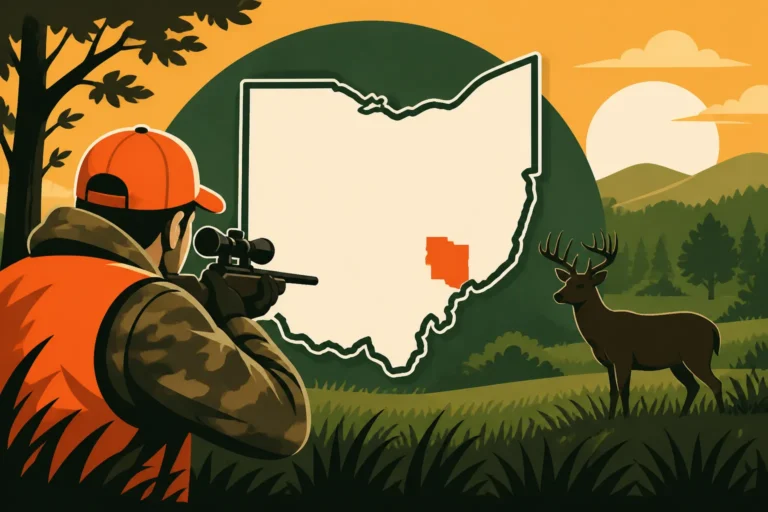
Woodbury Wildlife Area is located primarily in Muskingum County, east of Zanesville. Its relative proximity to major interstates like I-70 makes it reasonably accessible for hunters coming from various parts of the state, though it still feels wonderfully remote once you dive in. The main access points are typically off State Route 60 and other smaller county roads that crisscross the area. You'll find numerous designated parking lots, ranging from large paved areas to small gravel pull-offs. These parking areas are your gateways into the deeper woods and fields.
Before you head out, it's always a good idea to scout the specific section you plan to hunt. A virtual scout using maps is invaluable, but nothing beats boots on the ground to understand the topography, identify current food sources, and locate fresh sign. Some parking areas might lead directly into heavily hunted zones, while others can be the starting point for a deep dive into more secluded spots. Pay attention to the signage at these lots, as some might have specific rules or information pertinent to that particular unit of the wildlife area.
Navigating Woodbury: Tools and Tactics
Successfully hunting Woodbury, especially if it's your first time, often boils down to effective navigation and understanding how to get away from the crowds. While it's a large area, popularity means certain spots will see more pressure than others.
Mapping Your Hunt with Digital Tools
In today's hunting world, digital mapping tools are absolutely essential, and nowhere is this more true than on sprawling public lands like Woodbury. Forget vague paper maps; you need precision. Applications like onX Hunt are invaluable for navigating Woodbury. They allow you to clearly see property boundaries, identify access roads, mark parking areas, and visualize topography with detailed satellite imagery. With onX Hunt, you can drop pins on potential stand locations, mark fresh sign, and track your movements, ensuring you always know where you are and how to get back to your vehicle, especially when pushing deep into unfamiliar territory. This kind of detail can make the difference between a frustrating day and a successful one.
Beyond commercial apps, don't forget the official resources. The Ohio Department of Natural Resources (ODNR) provides excellent information, and using Scouting With the Ohio HuntFish App can complement your other mapping tools. These apps often have specific overlays for public land boundaries, allowing you to double-check against commercial maps and ensure you're always within legal hunting areas. Use these tools to identify those overlooked pockets of cover, steep ravines, or hidden benches that might hold unpressured game.
Foot Access and Remote Zones
Woodbury Wildlife Area is one of those places where the old adage "the further you walk, the better the hunting" often rings true. While some hunters will stick to areas close to parking lots or easily accessible trails, the real gems are often found deeper within the property. The terrain varies from relatively flat agricultural fields to rolling hills and steep ravines, especially closer to the Muskingum River. Don't be afraid to put in the miles.
Focus your efforts on areas that require a bit of effort to reach. Look for creek bottoms that funnel deer movement, dense stands of pines or cedars that offer thermal cover in winter, or remote benches on hillsides that might serve as bedding areas. Utilize aerial imagery from your mapping app to identify natural barriers like deep creeks or thick brush that might deter other hunters, creating de facto sanctuaries for wildlife. This might also mean identifying Finding Ground Others Walk Past by looking for breaks in the topo lines or areas without obvious trails leading into them.
River Access and Waterfowl Opportunities
The Muskingum River forms a significant boundary along Woodbury, opening up unique hunting opportunities, particularly for waterfowl. While not a vast marsh system, the river itself, along with associated sloughs and backwaters, can attract ducks and geese, especially during migration peaks. Accessing these areas often means using a small boat, canoe, or kayak, as shore access can be limited and challenging.
If you're interested in waterfowl, familiarize yourself with Ohio's waterfowl regulations and consider scouting the river for suitable launch points and potential hunting locations. Hunting Muskingum River Backwaters can be productive, offering more sheltered water than the main river channel. You might need to bring decoys and blinds suitable for river conditions. Remember, safety on the water is paramount, especially during colder months. Always wear a life vest and be aware of river currents and other boat traffic.
Hunting Specifics at Woodbury
Woodbury's diverse habitat means you can employ a wide range of hunting tactics, adapting to the specific game you're after and the conditions you face.
Deer Hunting Strategies for Woodbury
For deer hunters, Woodbury presents a classic mixed-habitat challenge. During archery season, focus on identifying primary food sources – whether it's acorns in the hardwoods, standing beans in agricultural fields (if present and accessible), or lush green browse in timber cuts. Setting up observation stands or ground blinds overlooking these food sources, especially those leading to thick bedding cover, can be highly effective. Understanding Wind and Thermals on an Appalachian Ridge is crucial, as the rolling topography near the river can create unpredictable air currents that can easily give away your position.
During Ohio's gun seasons, the area can get busy. Early mornings and late evenings might be productive for stand hunting, but mid-day often sees deer pushed around by other hunters. Consider employing tactics like slow still-hunting, particularly in thicker sections, or even organized deer drives with a small group of trusted partners on less pressured interior woodlots. Hunting Northwest Ohio Farmland Deer tactics, focusing on woodlot islands and field edges, can also apply to Woodbury's more open sections. Always be aware of other hunters, wear your blaze orange, and prioritize safety above all else.
Turkey and Small Game Opportunities
Woodbury is a fantastic spot for spring turkey hunting. With extensive mature hardwoods, finding roosting birds along creek drainages or near the river is a common tactic. Once on the ground, turkeys will often move into the open fields or less dense timber to feed. Run-and-Gun Turkey Tactics on Public Land can be highly effective, allowing you to cover ground and locate birds that might be reluctant to come to calls. Setting up near potential strut zones in fields or along logging roads can also pay off. Don't be afraid to try different calls – from soft tree yelps at dawn to aggressive cuts and yelps later in the morning.
For small game, the opportunities are just as robust. Squirrels abound in the oak and hickory groves. Squirrel Hunting Ohio Oak Ridges with a .22 rifle or a small-gauge shotgun can be a relaxing and productive hunt, especially in the early season when leaves are still thick. Look for fresh cuttings under nut trees. Rabbits thrive in the dense fencerows, briar patches, and brushy field edges. Walking these areas slowly with a shotgun, or even better, with a good beagle, can produce plenty of cottontails. Rabbit Hunting Ohio Fencerows is a classic Ohio pastime that Woodbury readily supports.
Waterfowl and Furbearer Potential
While deer and turkey get most of the attention, Woodbury's river access provides distinct possibilities for waterfowl and furbearers. As mentioned, the Muskingum River itself can be a flyway for ducks and geese. Setting up decoys in a quiet backwater or jump-shooting stretches of the river can yield results. Hunters need to be prepared for the cold, wet conditions that often accompany waterfowl season, including good waders and a reliable shotgun.
For furbearers, coyotes are plentiful throughout the area. Coyote Calling in Ohio Winter can be an exciting challenge, especially when snow cover makes tracks visible. The mix of woods and fields provides excellent habitat for these adaptable predators. Raccoons are also abundant, particularly along the river and in areas with mature timber. Night hunting for raccoons with hounds is a popular tradition for some, and Woodbury's terrain and public access make it suitable for Running Hounds for Ohio Raccoon, provided you follow all regulations regarding night hunting and dog usage. Trapping for other furbearers like muskrat, mink, and fox is also an option for those with the proper licenses and knowledge, and the diverse habitat supports a healthy population of these animals.
Important Considerations and Rules
Hunting Woodbury Wildlife Area, like any public land, comes with its own set of rules and considerations to ensure a safe and ethical experience for everyone.
Ohio Wildlife Area Regulations
It's paramount to be thoroughly familiar with the Ohio Department of Natural Resources (ODNR) regulations for hunting on wildlife areas. These regulations are designed to protect both the wildlife and the hunters. Common rules often include restrictions on vehicle access (stick to designated roads and parking areas), limitations on camping, and specific rules regarding Treestand Rules on Ohio Public Land or Ground Blind Rules on Ohio Wildlife Areas. For example, many wildlife areas require portable treestands to be removed daily or clearly marked with the hunter's permit information, and permanent stands are almost always prohibited.
Always check the current Ohio Hunting and Trapping Regulations booklet or the ODNR website before your hunt. Regulations can change, and ignorance of the law is never an excuse. Understanding these rules ensures you have a legal and enjoyable experience, avoiding potential fines or the loss of your hunting privileges. It's also a good idea to know about any special local rules that might apply specifically to Woodbury, although state-wide wildlife area rules are generally consistent.
Managing Hunter Pressure
Woodbury Wildlife Area is a popular destination, and for good reason. This popularity, however, means you will likely encounter other hunters, especially during peak seasons like the opening weekends of gun deer season or the first few days of spring turkey season. Opening Weekend Crowds on Ohio Public Land are a reality, but smart planning can help you mitigate their impact.
To escape the pressure, consider hunting mid-week if your schedule allows, as crowds typically thin out considerably. If you must hunt on weekends, be prepared to walk further than most. Use your digital mapping tools, like onX Hunt or GoHunt (which can help with broader public land research and strategy), to identify remote sections of the property that are a good mile or more from the nearest parking area. Look for natural features that create barriers, such as steep hillsides, swamps, or wide creeks, as these often deter less-determined hunters. Even finding a secluded knoll or a hidden draw off the main trails can make a world of difference. Being quiet, moving slowly, and having patience are key when hunting pressured areas.
Practical Tips for a Successful Hunt
Beyond knowing the rules and understanding the terrain, a successful hunt at Woodbury often comes down to preparation and adaptability. Physical fitness is a major asset, especially if you plan to walk deep into the property or tackle its hillier sections. Make sure your gear is appropriate for the conditions – sturdy boots for mud and uneven terrain, good rain gear for Ohio's unpredictable weather, and layers of clothing to adapt to temperature swings. A comfortable and well-organized hunting pack, similar to what you might use for Packs for a Day on Wayne National Forest, is crucial for carrying essentials.
Always tell someone where you're going and when you expect to return. Carry a fully charged phone, a headlamp, and a small first-aid kit. Pack enough water and snacks for your entire day. Be prepared for game recovery, as dragging a deer out of a deep ravine can be a significant challenge. By being well-prepared, both physically and mentally, you'll increase your chances of a safe and successful experience in this fantastic Ohio hunting destination.
| Game Species | Primary Habitat at Woodbury | Recommended Season | General Tactics |
|---|---|---|---|
| White-tailed Deer | Hardwood forests, open fields, thickets, river bottoms | Archery, Gun, Muzzleloader | Stand hunting food/bedding, still-hunting, drives |
| Wild Turkey | Mature timber, field edges, river corridors | Spring, Fall | Roost hunting, calling, run-and-gun, breaking flocks |
| Squirrel | Oak and hickory groves, mixed hardwoods | Early Fall | Still-hunting, stalking, small-caliber rifle/shotgun |
| Rabbit | Fencerows, briar patches, brushy field edges | Late Fall, Winter | Walking/flushing with shotgun, running hounds |
| Waterfowl | Muskingum River, backwaters, sloughs | Fall, Winter | Decoying, jump-shooting from boat |
| Coyote | Open fields, wood edges, ravines | Year-round | Calling (especially winter), spot-and-stalk |
| Raccoon | River banks, mature timber, near fields | Night (trapping/hounding) | Running hounds, trapping |
Disclaimer
This article is for general informational purposes only and does not constitute professional advice. Laws, prices and regulations vary by location and change over time. Consult a qualified professional for guidance on your specific situation.