Finding an Ohio Hunting Lease
Finding a good piece of private land to hunt in Ohio can feel like chasing a ghost, especially with public lands often feeling more crowded than a Buckeyes game day. If you're tired of battling other hunters for space or constantly asking for permission each season, securing an Ohio hunting lease might be the long-term solution you've been dreaming of. This guide will walk you through the ins and outs of locating, negotiating, and maintaining a successful hunting lease in the Buckeye State, giving you the dedicated access you crave.
Why Consider an Ohio Hunting Lease?
For many hunters, the appeal of a hunting lease boils down to control and consistency. Think about it: no more showing up to your favorite public land spot only to find three trucks already parked there. No more knocking on doors year after year hoping the landowner still remembers you. A lease offers a dedicated slice of hunting heaven, allowing you to invest time and effort into managing the land and the deer herd without fear of losing access.
The Benefits of Exclusive Access
Having exclusive access to a property means you can implement your own management strategies. Want to plant a small food plot? Go for it. Interested in hinge-cutting some timber to create bedding cover? With a landowner's blessing and a good lease agreement, that's entirely possible. This control allows for a much deeper understanding of the deer movement patterns, preferred bedding areas, and overall habitat on that specific parcel. You can deploy trail cameras without worry, leave stands in place (where permitted), and truly learn the nuances of the property. This kind of intimate knowledge often translates directly into higher success rates and a more fulfilling hunting experience. Imagine knowing every ridge, every creek crossing, every old apple tree on your 80-acre slice of heaven.
Escaping Public Land Pressure
Ohio's public lands offer fantastic opportunities, but they also come with a significant downside: pressure. Especially during the opening weekends of archery and gun seasons, prime spots can feel like a carnival. Hunters walking in before daylight, others still wandering around after dark, the constant scent of human presence—it can make deer go completely nocturnal or move to adjacent private parcels. A hunting lease, particularly one that's tucked away or borders large tracts of unpressured land, offers a sanctuary. You control who comes and goes, effectively creating a low-stress environment where deer can feel safe and return to natural daytime patterns. This difference can be monumental, especially when targeting older, wiser bucks that are masters at avoiding human encounters.
Where to Look for Ohio Hunting Leases
Alright, so you’re sold on the idea. Now comes the trickier part: actually finding a lease. It’s not always as simple as a "for rent" sign on a fencerow, but with a bit of legwork and strategy, you can uncover opportunities.
Online Marketplaces and Services
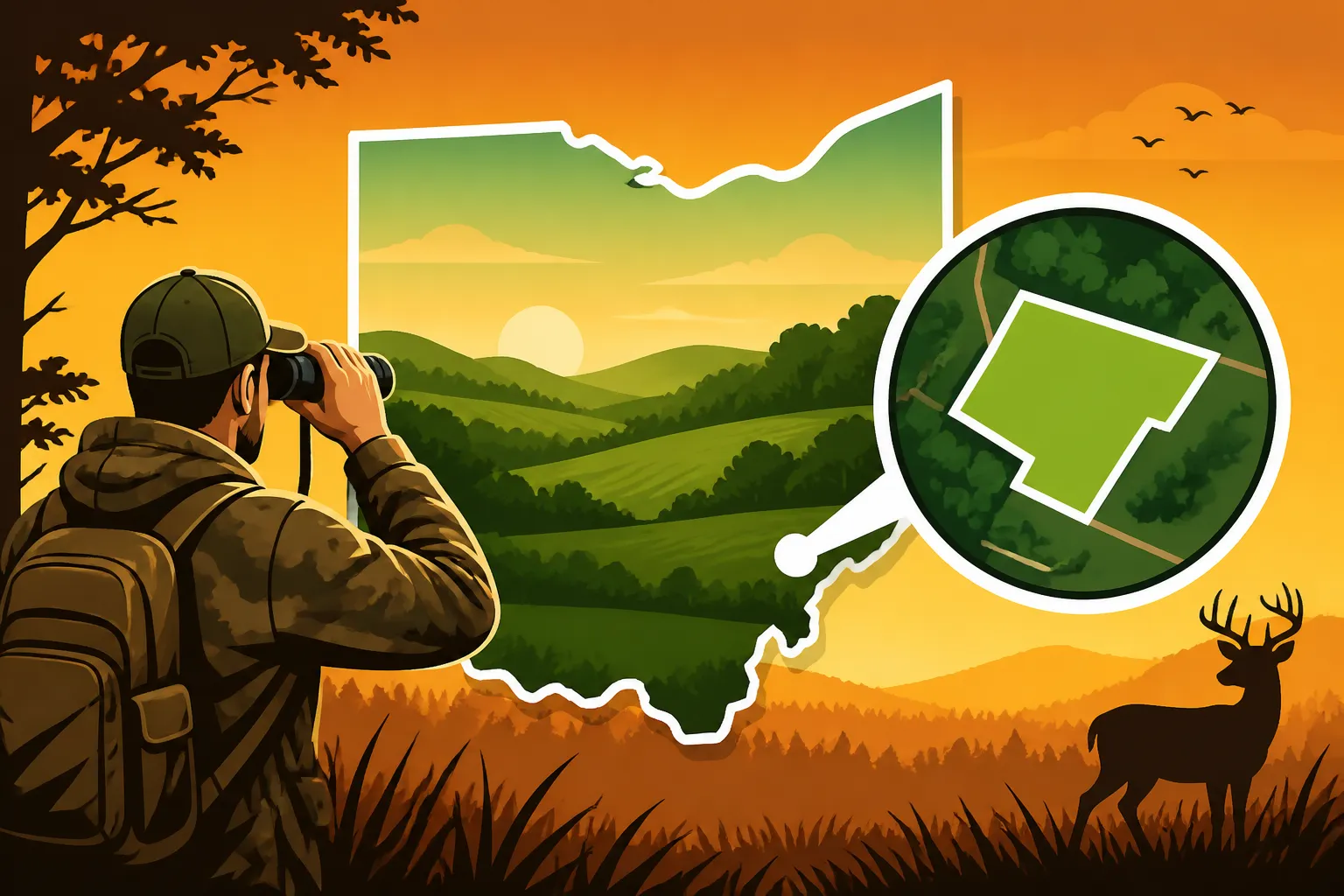
The digital age has certainly made the search for hunting leases a bit easier. There are several reputable online platforms dedicated to connecting landowners with hunters looking to lease. These services often provide detailed property maps, aerial views, and sometimes even timber or soil data. They can be a great starting point, allowing you to browse available leases in different regions of Ohio from the comfort of your home. You can often filter by acreage, species available, and even amenities. Be sure to use mapping tools like onX Hunt or GoHunt to analyze these potential lease properties even further, looking for water sources, funnels, bedding areas, and access points before you ever step foot on the ground.
Online Lease Platforms:
| Platform Type | Description | Considerations |
|---|---|---|
| Dedicated Lease Sites | Websites specifically for hunting leases, often with map tools, photos, and contact info. | Can be competitive, prices often reflect demand, may have broker fees. |
| Real Estate Sites | Some traditional real estate sites have sections for land leases or recreational properties. | Less specialized for hunting, may require more digging, but could find overlooked opportunities. |
| Social Media Groups | Local hunting groups or agricultural community pages on platforms can sometimes have lease listings. | Informal, proceed with caution, always verify property details and ownership. |
| ODNR Classifieds | Sometimes the state wildlife agency or related forums might have classified sections. | Less common for leases, but worth a periodic check for local leads. |
Networking and Word-of-Mouth
Believe it or not, some of the best lease opportunities still come through good old-fashioned networking. Talk to farmers, feed store owners, taxidermists, and other hunters. Let people know you're looking for a lease. A local farmer might have a woodlot they don't hunt or know a neighbor who's been thinking about leasing out some ground. Sometimes, a casual conversation at a county fair or while picking up supplies can lead to a golden opportunity. Building relationships within the local community is invaluable, not just for finding a lease, but also for ongoing support and information once you have one. You might be surprised how many landowners prefer to lease to someone they know or who was recommended by a trusted friend. This is often how those "hidden gem" leases are discovered.
Direct Outreach to Landowners
Don't underestimate the power of simply asking. Driving around rural areas of Ohio, especially in regions known for good deer hunting, can yield results. Look for properties with good habitat that show no signs of active hunting, or for landowners who might be struggling with deer damage to crops. Preparing a professional, one-page letter of introduction outlining your intentions, experience, and respect for the land can be a great way to initiate contact. Knocking on Doors in Ohio Farm Country might feel intimidating at first, but a polite, respectful approach can open doors. Use a tool like onX Hunt to identify landowners in areas of interest and find their contact information. You can zoom in on aerial photos and parcel data to identify specific properties that look promising. Remember, you're offering a service (deer management, potentially income for them) as much as you're asking for a privilege.
Understanding Lease Agreements and Terms
Once you've found a potential property, the next crucial step is negotiating and formalizing the agreement. This isn't just a handshake deal; a written lease protects both you and the landowner and prevents misunderstandings down the road.
Key Elements of a Hunting Lease Contract
A solid hunting lease should cover a variety of important details. Think of it as a roadmap for your hunting season. It should clearly define the parties involved (you and the landowner), the exact property boundaries (often with a map attached), and the duration of the lease (usually one year, but multi-year options can be great for stability). It also needs to specify the species you're allowed to hunt, the number of hunters permitted, and any specific harvest limits beyond state regulations. You might also want to clarify rules around Ohio Public Land Hunting Hours versus your leased land, or special considerations for Hunting Small Private Tracts in Ohio.
Crucial elements to include:
- Parties Involved: Full legal names and contact information of both the lessee (you) and lessor (landowner).
- Property Description: Legal description of the land, including acreage and a clearly marked map outlining boundaries. This is where tools like GoHunt or onX Hunt can be incredibly helpful for creating precise maps.
- Lease Term: Start and end dates of the lease.
- Cost and Payment Schedule: Total lease amount, due dates, and acceptable payment methods. Be sure to check what similar Ohio Hunting Lease Costs are in the area.
- Permitted Activities: What you can do (hunt deer, turkey, small game, predator hunt, scout, hang stands, plant food plots, run trail cameras).
- Prohibited Activities: What you cannot do (bring ATVs, cut timber, build permanent structures, host non-hunting guests without permission, trespass on adjacent properties).
- Number of Hunters: How many individuals are allowed to hunt under the lease.
- Liability Clause: This is critical. It typically states that the hunter assumes all risks and indemnifies the landowner against injury. The landowner may also require you to carry liability insurance.
- Right of Entry: The landowner's right to access the property for other purposes (farming, timbering, personal use).
- Termination Clause: Conditions under which either party can terminate the lease early.
- Conservation and Management: Any agreements on habitat improvements or harvest goals.
- Guest Policy: Rules for bringing non-paying guests.
- Vehicle Access: Where and how vehicles are permitted on the property.
Understanding Liability and Insurance
This is a big one, and often overlooked by hunters eager to get on the land. Hunting involves inherent risks, and landowners are naturally concerned about liability. Most well-drafted lease agreements will require you, the lessee, to assume responsibility for any accidents or injuries that occur on the property during your lease term. It's not uncommon for landowners to request proof of liability insurance. Several hunting organizations offer affordable liability insurance policies specifically designed for hunters leasing land. This protects both you and the landowner in case of an unforeseen accident. Never sign a lease without fully understanding the liability clause and considering whether you need additional insurance.
Negotiating Lease Terms and Price
Negotiation is part of the process. The asking price for a lease might be flexible, especially if you can offer value beyond just monetary payment. Perhaps you're willing to help with maintenance tasks, like clearing brush, fixing fences, or assisting with other farm chores. This kind of arrangement can be very appealing to a landowner who might not have the time or ability to do it themselves. When discussing price, consider the quality of the hunting, the acreage, accessibility, and the duration of the lease. A multi-year lease, for example, might be more attractive to a landowner as it provides consistent income and less hassle. Always put all agreed-upon terms in writing, no matter how small they seem, to avoid any disputes later.
Making the Most of Your Ohio Hunting Lease
Once you've secured that coveted piece of private ground, the real work—and fun—begins. A lease is an investment, and to maximize your return, you need to treat the land and the landowner with respect.
Respecting the Land and the Landowner
This cannot be stressed enough: respect is paramount. The landowner has entrusted you with their property, and your actions reflect directly on their decision. Always adhere to the agreed-upon terms of your lease. Keep gates closed, don't litter, drive only on designated trails, and leave the property better than you found it. If you said you'd help with a task, follow through. Communicate openly and honestly about your hunting activities. If you harvest a particularly nice buck, share a photo with the landowner—they often enjoy seeing what their land produces. Remember, you want to foster a long-term relationship, and that starts with mutual respect and clear communication. A good relationship with your landowner can literally last for decades. This also extends to understanding specific rules like Ohio Posted Land Rules or state-level regulations like Ohio Trespass and Permission Law that might affect adjacent properties.
Habitat Improvement Opportunities
One of the most exciting aspects of having a dedicated lease is the ability to engage in habitat improvement projects. With the landowner's permission and in line with your lease agreement, you can actively enhance the property for wildlife. This could involve planting food plots, which can be small, strategic plots of clover or brassicas to attract and hold deer. You might hinge-cut trees to create thick bedding cover, especially in mature timber stands that lack undergrowth. Thinning out invasive species, creating new water sources, or improving existing trails can also be beneficial. Before starting any major projects, always discuss them with the landowner and ensure they align with their land management goals. Tools like onX Hunt or GoHunt can help you identify areas ripe for improvement based on topography, soil types, and existing cover. Reading Aerial Photos for Southeast Ohio Deer can give you great insights into where to focus your habitat work.
Long-Term Planning and Renewal
Think long-term from day one. If you've found a great lease, you'll want to keep it. This means consistently being a responsible, respectful lessee. Toward the end of your lease term, initiate a conversation with the landowner about renewal well in advance. Discuss what worked well, what could be improved, and whether any terms need adjustment. Perhaps the landowner would appreciate a slightly higher fee, or maybe you'd like to propose a multi-year agreement for added stability. Building trust over time can lead to a more secure and flexible arrangement. A good hunting lease isn't just a transaction; it's a relationship, and like any good relationship, it requires effort, communication, and mutual benefit to thrive season after season. Don't forget to ask if the landowner ever needs help checking their Ohio Landowner Deer Permit Rules or if they have any specific concerns about deer population on their property.
Disclaimer
This article is for general informational purposes only and does not constitute professional advice. Laws, prices and regulations vary by location and change over time. Consult a qualified professional for guidance on your specific situation.