Opening Weekend Crowds on Ohio Public Land
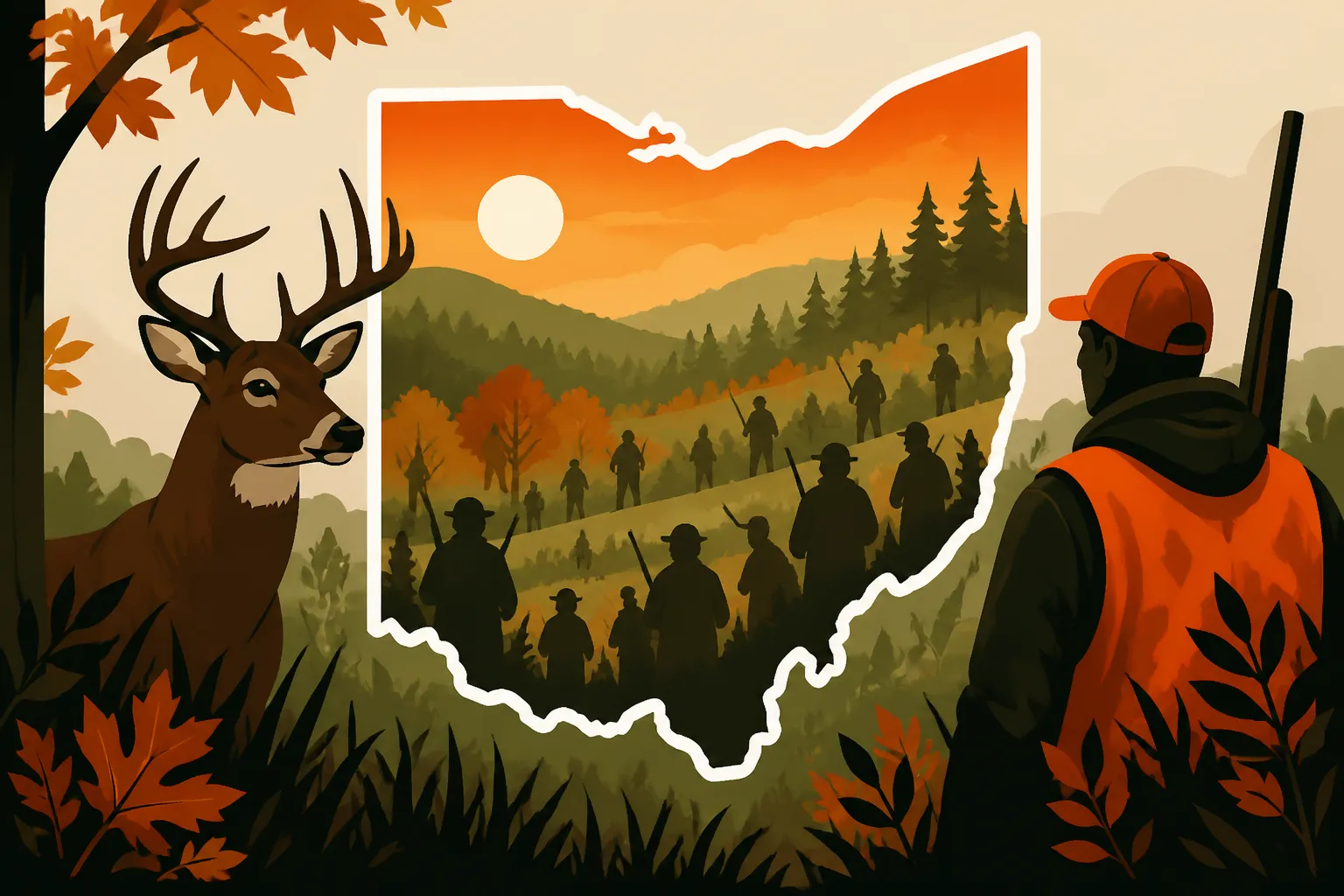
There's nothing quite like the excitement of Ohio's deer opener, but let's be honest, it often comes with a dose of frustration: crowds. If you've ever pulled into a public hunting area parking lot on opening morning only to find it already overflowing, you're not alone. This guide is all about understanding why those crowds gather, validating the challenges they create, and, most importantly, giving you actionable strategies to find your own productive space, even on the busiest days.
Understanding the Opening Weekend Crowd Phenomenon
Ohio's public lands offer incredible hunting opportunities, but the sheer enthusiasm for the opening days of deer season, particularly the gun season, means that many hunters flock to these accessible areas. It’s a tradition for many, a chance to connect with the woods, and for some, it's the only time they can get out. This creates a unique dynamic on public hunting grounds that can feel overwhelming if you're not prepared.
Why Hunters Flock to Public Land on Opening Weekend
The draw of opening weekend is powerful. For many, it's the culmination of months of anticipation, scouting, and preparation. When the calendar finally turns to that first weekend, like Ohio Regular Gun Season First Weekend, everyone wants to be out there. This collective eagerness, combined with the often-limited access to private land, naturally funnels a significant portion of Ohio's hunting population onto public tracts. People are often limited by vacation time or work schedules, making those weekend dates prime targets. There's also a perception, sometimes accurate, sometimes not, that the "best" opportunities are on opening day, creating a rush to be first in line.
Different Types of Public Land, Different Crowds
Not all public lands experience the same level of pressure. Smaller, easily accessible wildlife areas (WAs) with well-maintained parking lots and clear boundaries tend to see the highest concentration of hunters. Think about WAs near urban centers or those known for good deer numbers; these spots can feel like a carnival on opening morning. Larger, more rugged areas, such as sections of Wayne National Forest or Shawnee State Forest, might have more hunters spread out, but even their primary access points can be packed. Understanding the type of public land you're hunting can give you a clue about the crowd level you're likely to encounter. A popular state park that allows hunting might have different challenges than a remote block of state forest.
Strategies for Avoiding and Navigating Public Land Pressure
Facing a crowded parking lot doesn't mean your hunt is doomed. It simply means you need to adjust your strategy. The key is to think differently than the majority, to seek out areas that most people overlook or are unwilling to reach. This often involves a bit more effort, but the payoff of solitude and undisturbed game can be immense.
Scouting for Remote Access and Hidden Pockets
Long before opening day, your boots should be on the ground. Use tools like onX Hunt to pour over aerial photos and topo maps, looking for obscure access points that aren't obvious from the main roads. These might be old logging trails, utility easements, or even just a narrow strip of public land that borders private property with minimal parking. Look for areas with difficult terrain – steep ravines, dense thickets, or swampy sections. Most hunters will opt for the path of least resistance. These "nasty" spots are often passed by, and that's where unpressured deer will gravitate when the hunting pressure picks up. Focus on finding these pockets, especially if they are far from primary trailheads. Scouting Ohio Public Land Before Season is crucial for this.
| Strategy Component | Typical Hunter Behavior | Smart Hunter Counter-Strategy |
|---|---|---|
| Access Points | Parks at main lot, follows main trails | Finds obscure pull-offs, uses secondary or walk-in access |
| Terrain Choice | Sticks to flat, open woods | Targets steep, thick, or wet areas others avoid |
| Hunting Time | Early morning, late afternoon | Hunts mid-day, after initial rush, or waits until later season |
| Distance Walked | Short walk from vehicle | Willing to walk 1-2+ miles into remote areas |
| Setup Location | Obvious funnels, field edges | Deep cover, overlooked bedding areas, subtle pinch points |
Walking Further and Hunting Mid-Day Lulls
One of the simplest yet most effective strategies is to walk further than everyone else. Most hunters won't venture more than a quarter to half-mile from their vehicle. If you're willing to put in the effort, sometimes a mile or two can put you in an entirely different hunting experience. This is where How Far to Walk From a Trailhead becomes critical. Combine this with hunting the mid-day hours. While many hunters head back to camp for lunch or a break, deer often start moving again during the middle of the day, especially after the initial morning rush settles down. You might be surprised at the activity you find between 10 AM and 2 PM when other hunters are out of the woods. Plus, if you're the only one walking through certain areas, you might inadvertently push deer towards a waiting partner, or simply stumble upon a buck that decided to bed down deep.
Leveraging Technology and Timing to Find Solitude
In today's hunting world, we have more tools than ever to help us navigate the challenges of public land, even during peak times. Pairing technology with smart timing can make a world of difference.
Using Mapping Apps to Uncover Hidden Opportunities
A robust mapping application like onX Hunt can be your best friend when dealing with opening weekend crowds. Before you even leave the house, you can scout potential hunting locations by analyzing satellite imagery and topographical maps. Look for unpaved roads, old logging paths, or even game trails that might lead to overlooked sections of public land. Identify natural funnels created by terrain, or thick cover that might serve as bedding areas where deer would retreat from pressure.
OnX Hunt allows you to see property boundaries clearly, ensuring you stay on public ground while identifying adjacent private parcels that might funnel deer onto public land as they seek refuge. You can mark potential stand locations, escape routes for deer, and alternative access points right from your couch. This level of virtual scouting can save you countless hours of walking and dramatically increase your chances of finding areas with less Hunting Pressure on Ohio Public Land. Another resource like GoHunt might offer additional insights into general harvest trends or public land hot spots, helping you either target or avoid certain areas based on your preference for solitude.
Hunting During Less Popular Times
Opening weekend doesn't just mean opening day. Often, the absolute peak of pressure occurs during the first few hours of the very first day. The crowds usually thin out considerably by the afternoon of opening day, and even more so on the second day of the weekend. If your schedule allows, consider holding off on hitting the woods until later in the day, or even plan your trip for the second day.
Additionally, don't overlook weekdays if you have the flexibility. A Tuesday hunt can feel like an entirely different experience than a Saturday hunt, with significantly fewer people in the woods. While the initial surge of deer movement might have passed, deer will often settle back into their routines, and the reduced pressure makes them more predictable. Think about how deer act when they feel pressured: they become nocturnal, hide in the thickest cover, and move less predictably. By hunting when others aren't, you capitalize on their comfort.
Alternative Approaches to Ohio's Opening Weekend
Sometimes, the best strategy for dealing with opening weekend crowds is to simply avoid them altogether, either by changing how you hunt or what you hunt.
Focusing on Small Game or Waterfowl
While everyone else is focused on deer, consider shifting your attention to other game species. Opening weekend of deer season doesn't mean other seasons are closed. For instance, Squirrel Hunting Ohio Hardwoods can be fantastic, and you'll find far fewer hunters competing for squirrel hot spots. The woods are still vibrant, and a morning chasing bushy-tails can be incredibly rewarding. Similarly, depending on the timing, waterfowl seasons might be open. Hunting a remote pond or a river backwater for ducks could offer a peaceful and productive alternative to the deer woods. You might find great opportunities for Rabbit and Upland Bird Hunting in Ohio too, especially if you have a dog.
Exploring Private Land Opportunities
If public land crowds are consistently a deterrent, investing time in securing private land access can be a game-changer. This isn't always easy, but a little effort can go a long way. Start by politely knocking on doors in rural areas, explaining your intent, and asking for permission to hunt. Farmers are often dealing with deer damage and may be open to allowing ethical hunters on their property, especially if you offer to help with chores or share some venison. Building a good relationship with a landowner can provide you with years of unpressured hunting. It might seem daunting, but it's a skill worth developing for any Ohio hunter struggling with crowded public lands. This is where Hunting Small Private Tracts in Ohio can be incredibly rewarding.
Delaying Your Deer Hunt
There's no rule that says you must hunt opening weekend. In fact, some of the best deer hunting in Ohio occurs later in the season. The rut typically peaks in early November, offering fantastic opportunities for chasing mature bucks, often when the initial gun season frenzy has passed. Also, the late archery season and Muzzleloader Deer Hunting in Ohio in January can be incredibly rewarding, with fewer hunters and colder temperatures concentrating deer around specific food sources. Sometimes, patience truly pays off. By waiting until after the initial rush, you often encounter less pressured deer and a more enjoyable, serene hunting experience.
Disclaimer
This article is for general informational purposes only and does not constitute professional advice. Laws, prices and regulations vary by location and change over time. Consult a qualified professional for guidance on your specific situation.