Ohio Waterfowl Hunting on Lake Erie and Inland
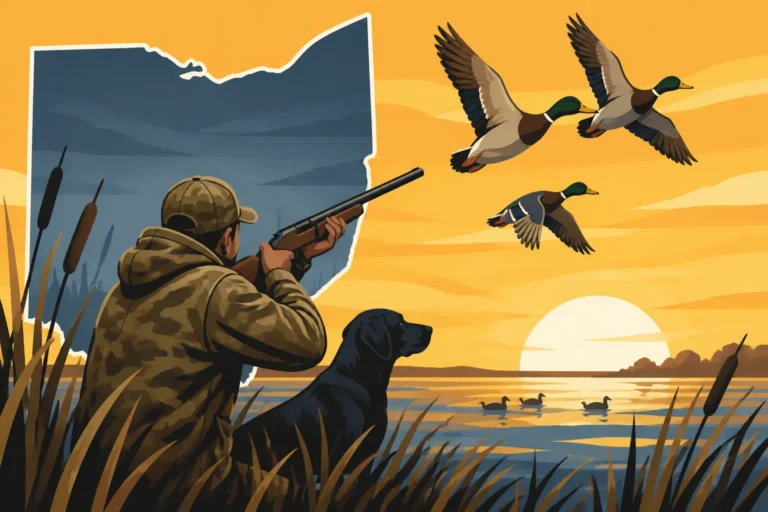
If you've ever stood shivering in a duck blind on a blustery November morning, watching the horizon for that tell-tale V-formation, only to be met with empty skies, you know the unique blend of frustration and hope that defines Ohio waterfowl hunting. It’s a challenging pursuit, heavily reliant on weather, migration, and local conditions, but also incredibly rewarding. This guide is dedicated to helping you unravel the complexities of chasing ducks and geese across Ohio's diverse landscapes, from the expansive waters of Lake Erie to the quiet inland creeks and flooded farm fields. We'll dive deep into tactics, gear, regulations, and how to make the most of every opportunity.
Understanding Ohio's Waterfowl Landscape
Ohio might not be the first state that comes to mind when you think of waterfowl hunting, but it offers a surprisingly rich and varied experience for duck and goose enthusiasts. The state sits squarely on a major flyway, bringing a parade of migratory birds through its skies each fall and winter. However, understanding where these birds are likely to be, and when, is half the battle.
The Diverse Habitats of Ohio Waterfowl
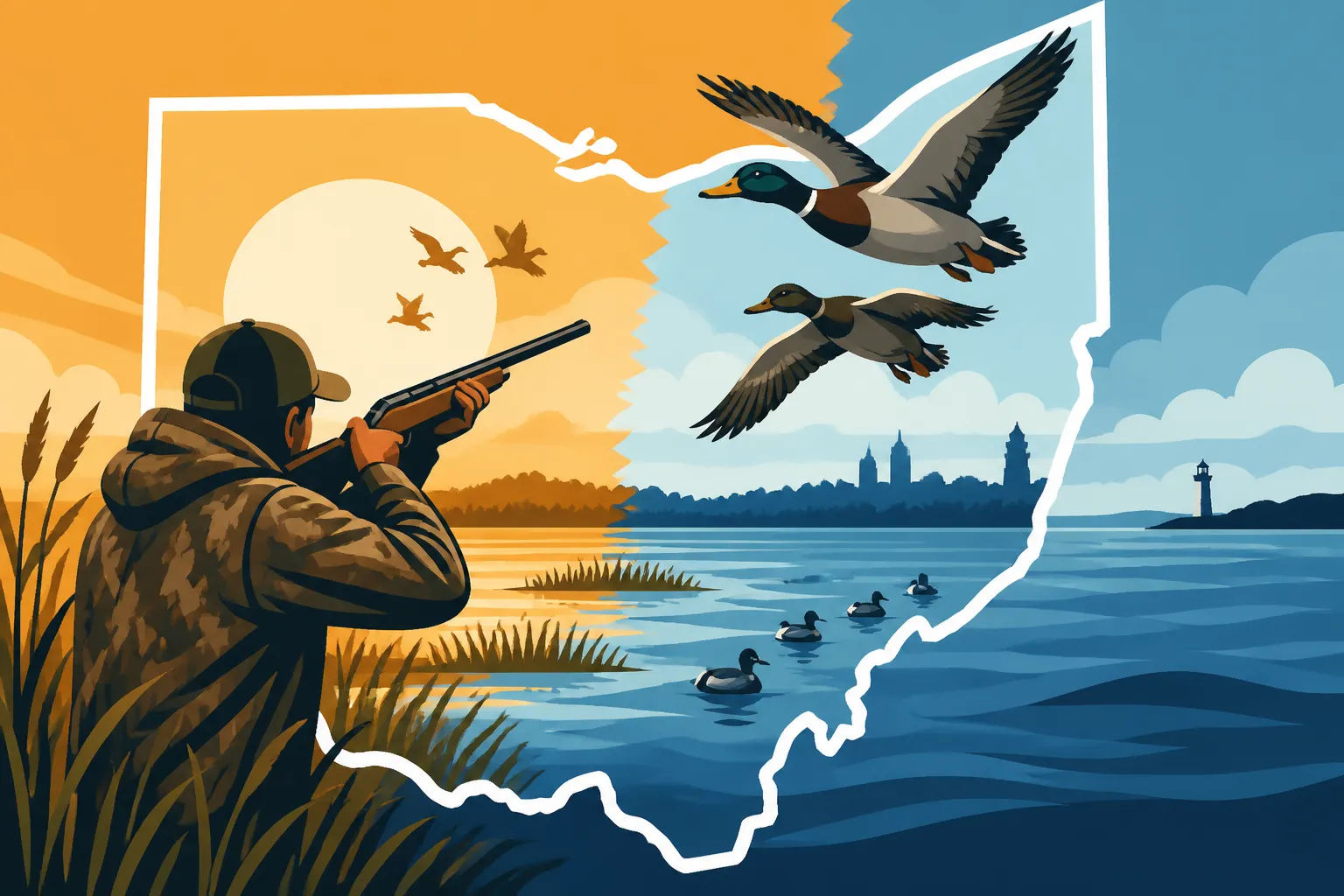
Ohio is a patchwork of distinct ecological regions, each attracting different types of waterfowl and requiring tailored hunting approaches. Up north, along the shores of Lake Erie, you have the massive open water body itself, extensive marshlands, and vast agricultural fields. This area is a magnet for divers like Canvasbacks, Redheads, and Scaup, as well as a significant staging ground for Mallards, Pintails, and Canada Geese. The sheer scale of Lake Erie presents unique challenges and incredible rewards for those willing to brave its unpredictable nature.
As you move south and inland, the landscape shifts dramatically. You'll find a network of smaller lakes, rivers, creeks, and flooded timber. These areas are prime habitat for puddle ducks – species like Mallards, Wood Ducks, Green-winged Teal, and Gadwall. Many of Ohio's public wildlife areas, often old farmlands or reclaimed industrial sites, have been meticulously managed to create wetland habitats that hold migratory birds. Further inland, especially in the central and western farm belt, large agricultural fields of corn and soybeans become critical feeding grounds for migrating Canada Geese, particularly later in the season when waste grain offers an irresistible buffet. The Ohio River, forming the state's southern border, also provides unique backwater sloughs and islands that can concentrate birds during colder weather.
Migration Patterns and Timing in Ohio
The success of any Ohio waterfowl season hinges almost entirely on the migration. Ohio is part of the Mississippi Flyway, a superhighway for ducks and geese traveling from their northern breeding grounds to warmer wintering areas. Early season, typically starting in September for Canada Geese and early October for ducks, often sees local birds and early migrants like Teal and Wood Ducks. These hunts can be fantastic, but they require knowing your local populations and scouting regularly.
As October progresses into November, the main wave of migration begins to arrive. Colder fronts pushing down from Canada bring new flights of ducks and geese. This is often when the biggest push of Mallards, Gadwall, and Wigeon will show up, especially on Lake Erie and the larger inland reservoirs. The famed "late season" in December and January can be brutally cold but often brings the biggest divers to Lake Erie and concentrates geese in farm fields as other water bodies freeze up. Hunters often find themselves constantly checking weather forecasts, looking for those north winds and dropping temperatures that signal a fresh push of birds. Knowing when to expect these various species is crucial; a great resource for tracking these movements is available in our guide on Ohio Waterfowl Migration Timing.
Navigating Ohio's Waterfowl Zones
Ohio has implemented a new waterfowl zone map in recent years, a change that caused a bit of a stir among hunters but was designed to better align season dates with migratory patterns across the state's diverse geography. Understanding these zones is paramount to knowing when and where you can legally hunt.
The Lake Erie Marsh Zone (Zone A)
The Lake Erie Marsh Zone, or Zone A, encompasses a strip of land and water along Ohio's northern border, stretching from the Michigan line eastward. This zone includes the vast and critical marshlands of the western basin, such as Magee Marsh Wildlife Area, and the open waters of Lake Erie itself. This area is legendary for its waterfowl hunting, especially for ducks and geese staging during peak migration.
Due to its unique geographical position and the concentration of both puddle ducks and diver ducks, Zone A often has season dates that differ from the rest of the state, particularly with an earlier opening and closing. This allows hunters targeting early migrants in the marshes and divers on the big lake to capitalize on their presence. Understanding these specific dates is critical, and you can find detailed information on Ohio's New Waterfowl Zone Map. Hunting here typically involves specialized gear like layout boats for open water or extensive knowledge of marsh systems for concealed blinds. The sheer volume of birds that can pass through this area makes it a bucket-list destination for many waterfowlers.
Inland Zones (Zone B and C)
Beyond the Lake Erie Marsh Zone, Ohio is divided into two inland zones: Zone B and Zone C. Generally, Zone B covers the majority of the northern and central parts of the state, extending south from Zone A. Zone C then encompasses the southern tier of Ohio counties. These zones typically have more unified season dates for ducks and geese, though there can be subtle variations.
These inland zones are characterized by a mix of smaller lakes, rivers, creeks, farm ponds, and agricultural fields. Duck hunting here often revolves around puddle ducks working flooded timber, small impoundments, or grain fields. Goose hunting, particularly for Canada Geese, becomes a significant pursuit in these zones, with large flocks often found feeding in cut corn or soybean fields throughout the late fall and winter. The season dates for these zones are designed to capture the broader migration through the state's interior. While less famous than Lake Erie, these zones offer fantastic opportunities for hunters willing to scout local waters and fields.
Impact of Zone Changes on Hunters
The introduction of distinct zones was a significant shift for Ohio waterfowlers. For some, it meant new opening and closing dates, requiring a fresh look at their hunting calendar. For others, it meant having to choose between hunting early in the Lake Erie Marsh Zone or waiting for the inland opener. The goal was to provide season structures that best align with waterfowl abundance and hunter opportunity in specific regions, acknowledging that a "one-size-fits-all" approach wasn't optimal for a state with such varied waterfowl habitats.
These zone changes underscore the importance of staying informed annually. Regulations, especially those concerning migratory bird seasons, are subject to change based on population surveys and federal guidelines. Always check the current year's Ohio Hunting and Trapping Regulations booklet or the Ohio Department of Natural Resources (ODNR) website before heading afield. A successful waterfowler isn't just a good shot; they're also a diligent student of the rules.
Essential Gear for Ohio Waterfowling
Waterfowl hunting is often gear-intensive, and Ohio's diverse conditions—from the open, often brutal waters of Lake Erie to the frozen fields of inland Ohio—demand a versatile and robust kit. Investing in the right gear isn't just about comfort; it's about safety and effectiveness.
Decoys and Spreads for Various Scenarios
Decoys are arguably the most critical piece of equipment for waterfowl hunting. The type, number, and arrangement of your decoys depend heavily on what and where you're hunting. For puddle ducks in smaller wetlands or flooded timber, a spread of a dozen or two Mallard, Wood Duck, and Teal decoys might suffice. Adding a few motion decoys, like spinning wing or jerk rigs, can dramatically increase visibility and realism, especially on calm days. When targeting Hunting the Ohio River Backwaters, a small spread of versatile puddle duck decoys is often enough to entice passing birds.
On the other hand, diver duck hunting on Lake Erie or large inland lakes often calls for a much larger spread. You might need several dozen decoys, predominantly diver species like Canvasbacks, Redheads, and Bluebills (Scaup), set in specific configurations like a "J" or "hook" to guide birds into your shooting zone. Large spreads of Canada Goose decoys, sometimes numbering into the hundreds, are common for field hunting. Full-body field decoys, shells, and silhouettes all have their place, often mixed to create a realistic, inviting scene for wary geese. Don't forget confidence decoys like a few coots or gulls, which can make your spread look even more natural.
Boats, Blinds, and Concealment
Accessing prime waterfowl habitat in Ohio often requires a boat. For Lake Erie and large reservoirs, a sturdy jon boat, duck boat, or even a small deep-V fishing boat equipped for hunting is essential, especially for safely navigating open water and deploying large decoy spreads. For smaller creeks and marshes, a canoe, kayak, or shallow-draft sneak boat might be more appropriate. Always prioritize safety, especially when dealing with cold water.
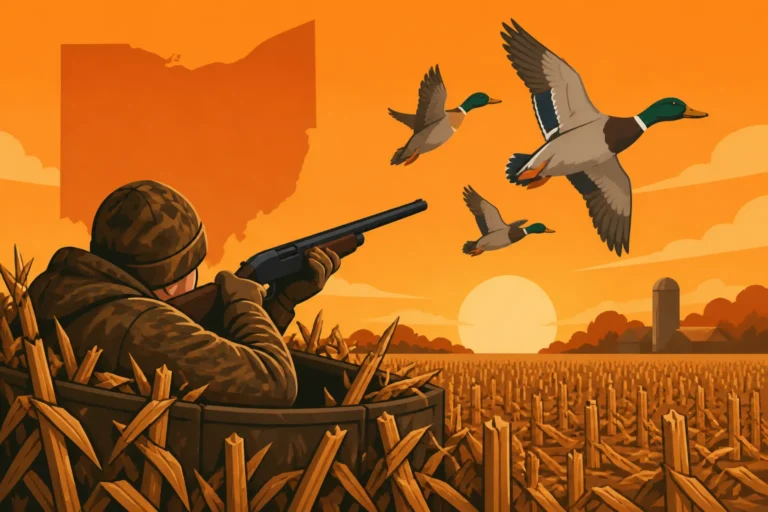
Blinds are crucial for concealment. In marsh environments, natural vegetation is often leveraged, with hunters brushing in makeshift blinds using cattails, phragmites, or dogwood. Purpose-built marsh blinds, often camouflaged and sometimes heated, are common in managed wetland areas. For field hunting, layout blinds are the go-to, allowing hunters to lie flat and emerge only when birds are committed. These blinds blend seamlessly into stubble fields and provide excellent concealment. When Layout Blind Hunting a Cut Cornfield, ensuring your blind is well-brushed and matches the surrounding environment is paramount to success. For timber hunting, simply sitting still against a large tree with good camo can be enough, but portable pop-up blinds can also be effective.
Weather-Appropriate Clothing and Waders
Ohio weather is notoriously unpredictable, especially during waterfowl season. You can start a morning in mild temperatures and end it in a freezing downpour or blizzard. Layering is key. Start with a moisture-wicking base layer, add insulating layers like fleece or wool, and top it with a waterproof and windproof outer shell. Camouflage patterns should match your environment, whether it's marsh grass, corn stubble, or dark timber. Brands like Sitka Gear or First Lite offer excellent waterfowl-specific lines that perform well in harsh conditions.
Waders are indispensable for almost all types of Ohio waterfowl hunting. Chest waders, often insulated, allow you to retrieve downed birds, set decoys, and navigate flooded areas without getting soaked and cold. Neoprene waders offer excellent insulation, while breathable material waders are great for earlier, warmer hunts. Regardless of material, ensure they are durable and comfortable for long hours in the water. Our guide on Waders for Ohio Marsh Hunting offers some excellent insights into choosing the right pair. A good pair of waterproof, insulated boots for walking to and from blinds, or for dry field hunts, is also essential. Remember, staying dry and warm is not just about comfort; it's a critical safety measure, especially when dealing with cold Ohio waters.
Tactics for Lake Erie and Associated Marshes
Lake Erie and its adjacent marshlands represent Ohio's premier waterfowl destination, but hunting this vast and dynamic environment requires specific strategies and a healthy respect for Mother Nature.
Diver Duck Hunting on Open Water
Hunting diver ducks on Lake Erie is a truly unique experience. Species like Canvasbacks, Redheads, and Scaup prefer the open water and feed on aquatic vegetation and mussels. This often means hunting from specialized boats or floating blinds anchored far from shore. The key is to position your boat and decoys where birds are actively flying and feeding, which often involves scouting vast stretches of water. Large spreads of diver decoys, sometimes 50 to 100 or more, are essential to attract birds flying high and fast. The decoys are often set in a "long line" or "J" formation, with the opening pointing towards the prevailing wind, funneling birds into a landing zone within shooting range.
Safety is paramount when Diver Hunting on Open Lake Erie Water. The lake can turn from calm to treacherous in minutes, with rapidly building waves. Always check marine forecasts, wear personal flotation devices (PFDs), and ensure your boat is sea-worthy and properly equipped. A reliable motor, anchor, and communication device are non-negotiable. The shooting can be fast and furious, with divers rocketing over the decoys, so practice your swing and lead on fast-moving targets.
Layout Blind Hunting in Coastal Fields
While the open lake draws divers, the expansive agricultural fields surrounding the Lake Erie marshes are a major draw for Canada Geese and puddle ducks, especially Mallards, seeking waste grain after harvest. This is where layout blind hunting shines. After careful scouting, hunters set up their camouflaged layout blinds directly in the field, often near a known flight path or feeding area. A large spread of full-body goose decoys, sometimes numbering into the hundreds, is crucial for attracting wary geese. Adding a few full-body duck decoys can also entice puddle ducks that might be working the same fields.
Concealment is absolutely critical. Layout Blind Hunting a Cut Cornfield requires meticulous brushing in. This means covering your blind completely with stubble, corn stalks, or whatever natural vegetation is present, making it disappear into the field. Even a slight glint or unnatural line can flare a flock of geese. Calling is also a major component, with hunters using a variety of goose calls to communicate with passing birds and convince them to drop into the spread. The thrill of a flock of Canada Geese cupping their wings and dropping into your decoys is an unforgettable experience.
Exploiting Marsh and Wetland Habitat
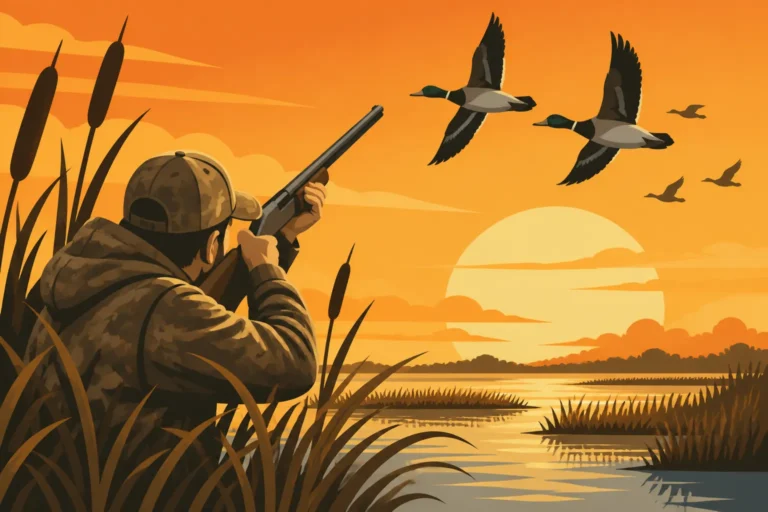
The extensive marshlands that fringe Lake Erie, such as those within the Maumee Bay region or the famous Magee Marsh, are vibrant ecosystems and a stronghold for puddle ducks and early-season geese. Hunting these areas often involves navigating shallow water, dense cattails, and often deep mud. Natural blinds, constructed from local vegetation, are common, or hunters might use shallow-draft boats to access deeper pockets within the marsh.
Successful marsh hunting depends heavily on scouting. Understanding water levels, identifying active feeding areas, and pinpointing travel corridors birds use between feeding and loafing spots are key. Decoy spreads here are often smaller, focusing on puddle duck species like Mallards, Wood Ducks, and Teal, often mixed with a few goose decoys if resident geese are present. Motion decoys, especially spinning wings, can be highly effective in drawing attention in dense cover. When Hunting the Maumee Bay Marshes, remember that these areas often have special access rules, such as managed hunt draws or specific boat launching points, so always check local regulations beforehand. Persistence, patience, and good navigation skills are your best assets in these watery labyrinths.
Inland Waterfowl Hunting Strategies
Away from the big water of Lake Erie, Ohio's interior offers a wealth of waterfowl hunting opportunities, often on smaller, more intimate bodies of water or vast agricultural lands. These hunts can be just as rewarding and often require a different set of tactics.
Jump-Shooting Creeks and Small Rivers
Jump-shooting is a classic and exciting way to hunt ducks, particularly on Ohio's numerous creeks and small rivers. This method involves walking quietly along the banks of a waterway, flushing ducks that are resting or feeding in bends, behind logjams, or in secluded pockets. It's a highly active form of hunting that keeps you moving and constantly alert. Often, you'll be targeting Wood Ducks, Mallards, and Green-winged Teal, which frequently use these smaller waterways.
The key to successful jump-shooting is stealth. Move slowly, staying hidden behind cover like trees or high banks. Approach bends cautiously, peeking around to spot birds before they flush. A partner can be helpful, with one person walking on one side of the creek and the other on the opposite, or one person staying back while the other flushes. Pay attention to the wind direction; ducks will typically flush into the wind, giving you a predictable flight path for a shot. A good pair of waterproof boots or waders, and a light, fast-swinging shotgun are ideal for this quick-reaction hunting. Our guide on Jump-Shooting an Ohio Creek provides more in-depth tips for this thrilling method.
Field Hunting Canada Geese and Puddle Ducks
Ohio's vast agricultural landscape provides prime feeding grounds for Canada Geese and, increasingly, for puddle ducks, especially Mallards, as the season progresses. Field hunting for geese often involves identifying active feeding fields through diligent scouting. Look for concentrations of geese, fresh droppings, and waste grain in cut corn or soybean fields. Once a hot field is located, permission from the landowner is essential.
Setting up for field hunting typically involves a large spread of goose decoys, using full-bodies, shells, and silhouettes to create a realistic feeding flock. Layout blinds are used for concealment, meticulously brushed in to match the surrounding stubble. Calling is absolutely crucial in field hunting; strong, realistic goose calling can pull distant flocks into your spread. For ducks, field hunting is similar, though often with smaller decoy spreads focused on Mallards, perhaps near a shallow puddle or ditch in the field. This method can be incredibly effective, especially during the colder late season when birds are focused on finding high-energy food sources. Consider Early Goose Season Tactics in Ohio to get a head start on these opportunities.
Hunting Ohio River Backwaters
The Ohio River, winding along the state's southern border, offers unique and often overlooked waterfowl hunting opportunities in its numerous backwaters, sloughs, and islands. These areas, often sheltered from the main river's current, provide calm water and rich feeding grounds, particularly during colder weather when other water bodies might be freezing. Species like Mallards, Wood Ducks, Gadwall, and even some diver ducks can be found using these secluded spots.
Accessing these backwaters often requires a boat capable of navigating shallow, sometimes obstacle-laden waters. Scouting is essential to identify areas with good cover, food sources, and protected water. Blinds can be natural, built into existing vegetation, or portable pop-up blinds. Decoy spreads are often modest, focusing on puddle ducks, and motion decoys can be very effective in the calmer water. One of the biggest advantages of these backwater areas is that they can often hold birds even when hunting pressure is high on larger lakes. Our article on Hunting the Ohio River Backwater Sloughs dives deeper into this specific strategy. Remember to be aware of regulations specific to the Ohio River, as they can sometimes differ slightly from statewide rules due to interstate agreements.
Key Regulations and Conservation Efforts
Successful and ethical waterfowl hunting in Ohio isn't just about good tactics and gear; it's also about understanding and adhering to the regulations that govern the sport. These rules are in place not only for safety but also to ensure the conservation of these magnificent migratory birds for future generations.
Licensing, Stamps, and HIP Certification
Before you even step foot in an Ohio marsh or field, you need the proper licenses and permits. For Ohio residents, this means a valid Ohio hunting license. Non-residents also need a hunting license, which costs more but grants the same privileges. Beyond the basic hunting license, migratory bird hunters are required to purchase both a state Ohio Wetlands Habitat Stamp and a federal Migratory Bird Hunting and Conservation Stamp, commonly known as the Federal Duck Stamp. The funds generated from these stamps go directly towards waterfowl habitat conservation, a crucial effort for the birds you love to pursue.
Additionally, all migratory bird hunters must register with the Harvest Information Program (HIP). This involves answering a few simple questions about your previous year's hunting success, and it helps wildlife agencies gather vital data on hunter participation and harvest numbers, which are used to set future season dates and bag limits. You can find detailed information on the Ohio Federal Duck Stamp Requirement and Ohio HIP Certification for Bird Hunters to ensure you're fully compliant. Carrying proof of all licenses and stamps while hunting is mandatory, and electronic versions on your phone are usually acceptable.
Ohio Duck and Goose Bag Limits
Bag limits are a fundamental part of waterfowl regulations, designed to manage harvest pressure on different species. Ohio has specific daily bag limits for various duck species, often referred to as "points" or individual species limits, and separate possession limits. For example, you might have a certain number of Mallards you can take, with further restrictions on hens. Diver ducks also have their own specific limits. Goose limits are usually simpler, with a daily limit for Canada Geese and often separate limits for other species like Snow Geese or Brant, though these are less common in Ohio.
It's absolutely critical to correctly identify your target species before you shoot. Misidentification can lead to violations, especially with species that have low bag limits or are protected. The ODNR publishes a detailed list of Ohio Duck and Goose Bag Limits annually, including shooting hours (typically from one-half hour before sunrise to sunset), which can change slightly. Always refer to the most current regulations booklet or the ODNR website, as these numbers can change season to season based on population data. Ignorance of the law is never an excuse for a violation.
Nontoxic Shot and Conservation
A cornerstone of waterfowl conservation in North America is the requirement for nontoxic shot. Lead shot is prohibited for all waterfowl hunting throughout Ohio and the rest of the country. This regulation was put in place because ducks and geese ingest spent lead pellets while feeding, leading to lead poisoning and mortality. Common nontoxic alternatives include steel, bismuth, and tungsten-based shots, each with its own characteristics in terms of density, cost, and performance.
Beyond shot requirements, waterfowl management in Ohio is a comprehensive effort. The ODNR actively manages numerous wildlife areas to create and enhance wetland habitats, providing vital resting, feeding, and breeding grounds for ducks and geese. This includes practices like water level manipulation, control of invasive species, and planting waterfowl-friendly crops. Hunters play a direct role in this conservation by purchasing licenses and stamps, and by adhering to regulations designed to maintain healthy waterfowl populations. Understanding these efforts helps connect the act of hunting with the broader ecological health of Ohio's wetlands.
Scouting and Adaptability for Success
Waterfowl hunting in Ohio is rarely a "set it and forget it" endeavor. The most consistently successful hunters are those who scout diligently and remain adaptable to constantly changing conditions. The birds certainly don't stay in one place, so neither should you.
Reading the Landscape for Waterfowl Sign
Effective scouting is the bedrock of successful waterfowl hunting. It's about more than just driving around; it's about learning to read the landscape. Look for water bodies that are holding birds. This could be large lakes, small ponds, flooded ditches, or even temporary sheet water in fields after heavy rain. Pay close attention to agricultural fields, especially cut corn and soybeans. Geese and puddle ducks will leave tell-tale signs: droppings, tracks in mud, and scattered waste grain where they've been feeding. Observing flight patterns—where birds are coming from and where they're going—can reveal critical travel corridors and roosting areas.
Even without seeing birds directly, look for conditions that should attract them: protected water from strong winds, shallow areas with emergent vegetation, or fields near water sources that offer food and security. For instance, Reading a Marsh for a Morning Flight involves understanding how birds use different parts of a wetland throughout the day. Technology can aid scouting; apps like GoHunt (among others) offer satellite imagery and property boundaries, helping you identify potential spots and ensure you're on public land or have permission for private ground. Don't be afraid to walk a little; some of the best spots are often just out of sight from the road.
Adjusting to Weather and Migration Changes
Ohio's weather can be a real curveball during waterfowl season. A warm front can halt migration, while a bitter cold snap can push new birds down and freeze up small water bodies, forcing birds onto larger, open water or into specific feeding fields. Successful hunters are constantly checking weather forecasts and adjusting their plans accordingly. For example, a strong north wind might bring in new diver ducks to Lake Erie, while a calm, foggy morning might be perfect for jump-shooting a creek.
Migration patterns are also dynamic. Early season might see local birds and early teal. As November rolls in, expect bigger pushes of Mallards and Canada Geese. Later in the season, colder temperatures often mean more geese in agricultural fields and divers concentrated on the largest open water. If your usual spot isn't producing, don't be afraid to pull up stakes and try something completely different based on current conditions and recent bird movements. This adaptability is what separates a consistent hunter from someone who just gets lucky once in a while. GoHunt’s detailed weather overlays and real-time migration tracking features can be invaluable here, allowing you to see where birds might be headed and how conditions are influencing their movements.
Utilizing Technology for Scouting
In today's hunting world, technology has become an indispensable tool for waterfowl hunters, especially in a diverse state like Ohio. GPS devices and smartphone apps have revolutionized the way we scout and navigate. Mapping apps, like those offered by GoHunt, provide high-resolution satellite imagery, topographic maps, and crucially, property boundaries. This allows you to identify potential hunting spots from the comfort of your home, mark waypoints for blinds, and ensure you're always on legal ground.
These apps also often include weather forecasts, wind direction tools, and even sun/moon charts, all of which are critical for planning a successful waterfowl hunt. For instance, knowing the wind direction is paramount for setting up decoys effectively. You can mark areas where you've seen birds, noted fresh sign, or observed flight paths. Some advanced platforms even offer crowd-sourced reports or migration data, giving you a better understanding of current bird activity. While nothing replaces boots-on-the-ground scouting, technology significantly streamlines the process, allowing you to focus your physical scouting efforts on the most promising areas. Leveraging GoHunt’s detailed public land overlays for Scouting Ohio Public Land Before Season can give you a significant edge in finding unpressured areas.
Safety First on Ohio's Waters
Waterfowl hunting, by its very nature, often involves cold weather, cold water, and firearms. Prioritizing safety is not just a recommendation; it's an absolute necessity to ensure everyone returns home safely.
Cold Water and Boating Safety
Hunting on large bodies of water like Lake Erie or even large inland reservoirs presents significant safety challenges, primarily due to the dangers of cold water. Ohio's waterfowl seasons often extend into late fall and winter when water temperatures are dangerously low. Hypothermia can set in rapidly if you capsize or fall overboard. Always wear a U.S. Coast Guard-approved personal flotation device (PFD) when in a boat, regardless of your swimming ability. Many PFDs designed for hunters are less bulky and more comfortable.
Ensure your boat is in excellent working order, especially the motor, and that you have all required safety equipment, including navigation lights, a sound-producing device, a fire extinguisher, and extra fuel. Always tell someone your hunting plan, including where you're going and when you expect to return. Avoid overloading your boat, and be mindful of changing weather conditions. Lake Erie can become extremely rough with little warning. If you're using a dog, ensure they are also equipped for cold water, perhaps with a dog vest. Consider our article on Diver Hunting on Open Lake Erie Water for more specific open water safety tips.
Hunter Orange and Ethical Practices
While blaze orange is typically associated with deer hunting, Ohio has specific requirements for waterfowl hunters when they are not actively engaged in hunting from a blind or concealed position. For instance, if you are walking to or from your blind on public land, or scouting, you may be required to wear hunter orange or blaze pink. Always consult the current Ohio Hunting and Trapping Regulations for the precise rules. When actively hunting from a concealed position, hunter orange is generally not required, but it's crucial to be aware of the rules when moving about.
Ethical hunting practices are just as vital as safety rules. This includes practicing good sportsmanship, respecting property boundaries, and making responsible shots. Only shoot at birds within your effective range, ensuring a clean kill. Avoid "sky-busting" (shooting at birds too far away), which only cripples birds and wastes game. Always retrieve every bird you shoot, and respect bag limits. Being a responsible hunter means being a good steward of the resource and representing the hunting community positively. Remember that Ohio Hunter Education Requirements are in place to instill these foundational safety and ethical practices in new hunters.
Disclaimer
Please remember that hunting regulations, season dates, and bag limits can change annually. It is your responsibility as a hunter to consult the most current Ohio Department of Natural Resources (ODNR) hunting and trapping regulations before heading afield. This guide is for informational purposes only and does not supersede official state regulations. Always prioritize safety and ethical hunting practices.