Wayne National Forest Hunting
Hunting in Ohio's rugged, often steep Appalachian foothills can be a challenge for even the most experienced outdoors enthusiast. The sprawling public lands of Wayne National Forest offer incredible opportunities, but its dense timber, dramatic elevation changes, and sheer size can be overwhelming for those not prepared. This comprehensive guide will walk you through everything you need to know to successfully plan and execute a hunt in Wayne National Forest, from understanding its distinct units to mastering local tactics and essential gear.
Understanding Wayne National Forest's Unique Landscape
Wayne National Forest is a true gem in Ohio, offering a vast expanse of public land that feels a world away from the state's more agricultural, flat regions. It's a place where you can truly immerse yourself in the wild, but its unique characteristics demand a thoughtful approach from hunters. Understanding the lay of the land, from its fragmented units to its diverse topography, is the first step toward a successful hunt.
The Three Distinct Units of Wayne
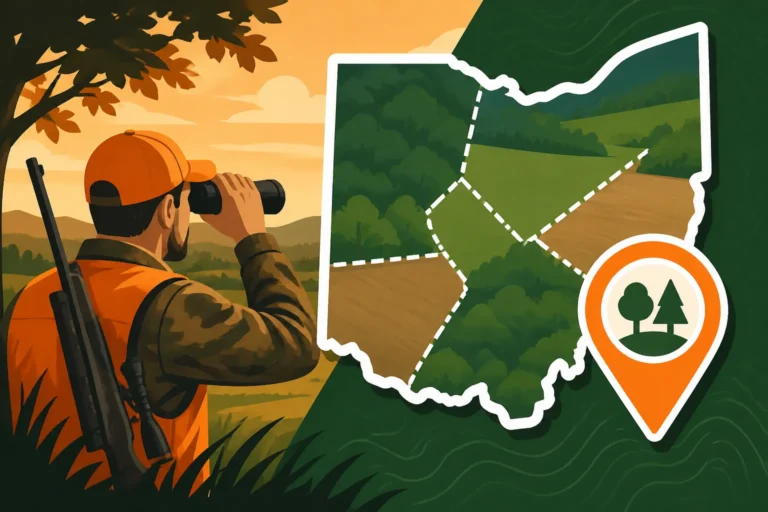
One of the most crucial things to grasp about Wayne National Forest is that it's not one continuous block of land. Instead, it's divided into three primary, non-contiguous units, each with its own character and access challenges. This fragmentation means you can't just drive from one end to the other; you need to know which unit you're targeting and how to reach it.
The Athens Unit Wayne National Forest Access is probably the most well-known, located primarily in Athens, Hocking, Monroe, and Washington counties. It's characterized by its mature hardwood forests, winding creeks, and a patchwork of public and private land. This unit offers a classic Appalachian hunting experience, with deep hollows and steep ridges that challenge both your legs and your navigation skills. Hunters here often find themselves miles from a paved road, truly embracing the backcountry feel.
Further south, you'll find the Ironton Unit Wayne National Forest Access, spanning parts of Lawrence, Gallia, and Scioto counties. This unit tends to be even more rugged than Athens, with some of the steepest terrain in Ohio. Large tracts of public land here are interspersed with old logging operations and reclaimed mining areas, creating diverse habitats. The sheer remoteness of some sections in the Ironton Unit can deter less dedicated hunters, which can be a huge advantage for those willing to put in the effort.
Finally, the Marietta Unit Wayne National Forest Access lies to the east, primarily in Monroe and Washington counties, closer to the Ohio River. While still hilly, it often features slightly gentler slopes than the Ironton Unit, though it retains the dense hardwood characteristics. This unit often feels less pressured than parts of the Athens unit due to its location, but navigation can still be tricky with many small roads and trails crisscrossing the area. Each unit presents its own set of opportunities and challenges, making it vital to focus your scouting and planning on one specific area.
Topography and Habitat Variations
The topography within Wayne National Forest is defined by its unglaciated Appalachian character. We're talking about a landscape of rolling hills that quickly turn into steep, dramatic ridges and deep, winding hollows. This isn't flat farm country, and your hunting approach needs to reflect that. The primary habitat is mature hardwood forest, dominated by oak, hickory, and maple, which means mast crops (acorns, hickory nuts) play a massive role in deer and turkey movement, especially in the fall.
Beyond the mature timber, you'll find varying stages of forest succession. There are areas of younger timber, particularly in old clear-cuts or areas that have been actively managed for wildlife habitat. These younger thickets often provide excellent cover for deer, especially during the colder months when thermal protection is key. Creek bottoms and river corridors, though less common in some areas, offer different dynamics, often holding denser vegetation and providing natural travel corridors for game. Understanding these nuances – whether you're looking at a steep, oak-covered ridge, a dense regenerating clear-cut, or a brushy creek bottom – is crucial for predicting where deer, turkeys, and small game will be throughout the day and across different seasons.
The mixture of public and private land also creates variations. Private inholdings within the forest boundaries often include agricultural fields, old homesteads, or managed timber stands. These adjacent habitats can significantly influence game movement, drawing animals off public land during specific times or offering pinch points along property lines. Hunters using tools like onX Hunt can clearly visualize these boundaries and understand how private land features might impact public land hunting.
Access Points and Trail Systems
Accessing the deeper recesses of Wayne National Forest requires a good plan, and often, a willingness to walk. Unlike some public lands with extensive road networks, many prime hunting spots in Wayne are only reachable by foot. The forest boasts an impressive network of trails, including hiking, equestrian, and ATV trails, which can be a double-edged sword for hunters. They provide excellent pathways to get into remote areas, but they can also concentrate hunting pressure, especially near trailheads.
Identifying official parking areas and trailheads is your starting point. Many of these are well-marked and maintained, but others might be small pull-offs on gravel roads. For serious hunters looking to avoid crowds, venturing deeper into the forest, away from these easily accessible points, is often the key. This means being prepared for longer walks and more challenging navigation. Using a reliable GPS app on your phone, like onX Hunt, or a dedicated handheld unit, is almost essential here. It allows you to mark your vehicle, potential stand locations, and game sign, ensuring you can navigate safely and efficiently through the sometimes-confusing terrain.
Beyond official trails, old logging roads, often little more than grassy tracks, crisscross the forest. These can be golden opportunities for hunters, providing quieter access to remote ridges and hollows that aren't on main trail maps. Learning to identify these on satellite imagery or topographic maps is a crucial scouting skill. Remember, while some areas permit ATV use on designated trails, many do not, and motorized vehicle use off established roads is generally prohibited. Always check the specific regulations for the unit you're in. Knowing how to efficiently and legally get to where the game is, and more importantly, where other hunters aren't, is a foundational skill for Wayne National Forest success. Packs for a Day on Wayne National Forest should be a serious consideration.
Navigating Regulations and Seasons in Wayne National Forest
Hunting anywhere in Ohio requires understanding the state's wildlife regulations, but Wayne National Forest comes with its own set of nuances and considerations that hunters must be aware of. Misunderstanding a rule can quickly turn a great hunting trip into a frustrating one, or worse, lead to violations. It’s always best to be thoroughly prepared before heading out.
General Ohio Hunting Regulations
First and foremost, any hunting in Wayne National Forest falls under the broader umbrella of Ohio Hunting Licenses and What They Cost and the general statewide hunting regulations set forth by the Ohio Department of Natural Resources (ODNR) Division of Wildlife. This includes requirements for valid hunting licenses, deer permits, turkey permits, and any necessary endorsements like the Ohio Migratory Bird Certification or the Federal Duck Stamp for waterfowl. You'll need to know the legal shooting hours, which species are in season, and their respective bag limits. All hunters, regardless of age, must adhere to these rules.
Another crucial aspect of general Ohio regulations is blaze orange requirements. During certain gun seasons for deer, including the statewide gun weekend and the muzzleloader season, a specific amount of hunter orange or blaze pink must be worn visibly. Even if you're not hunting deer during these periods, if you're on public land where deer hunting is open, you usually need to wear it for safety. It's a non-negotiable part of hunting safety, especially in areas like Wayne where multiple hunters might be in the woods simultaneously.
Furthermore, hunters must understand the legal methods of taking game. Ohio has specific rules for firearms, archery equipment (including Crossbow Versus Vertical Bow in Ohio), and muzzleloaders, including legal calibers and projectile types. These regulations are designed to ensure ethical hunting and public safety. Always double-check the current ODNR hunting digests for the most up-to-date information before you head into the woods, as regulations can sometimes change from year to year.
Specific Wayne National Forest Rules
While general Ohio regulations apply, Wayne National Forest also has specific rules unique to federal lands managed by the U.S. Forest Service. These often pertain to camping, vehicle use, trail use, and tree stand placement. For instance, while overnight camping is generally permitted in undeveloped areas, there might be restrictions on campfire locations or duration of stay. It's not uncommon to see regulations on the use of nails, screws, or other damaging methods for attaching treestands, which protect the trees from harm. Treestand Rules on Ohio Public Land are particularly important here.
Vehicle access is often more restricted on federal lands than on some state-managed wildlife areas. Many forest roads are gravel and seasonal, and driving off designated roads is strictly prohibited. This is where a good map or GPS system, ideally one with public land boundaries and road networks like those offered by GoHunt or onX Hunt, becomes indispensable. It helps you distinguish between public land roads, private drives, and closed trails, preventing accidental trespassing or violations.
Another critical consideration for Wayne is the use of bait. While Ohio generally allows baiting for deer on private land, it's strictly prohibited on all public lands, including Wayne National Forest. This means no corn piles, mineral blocks, or food plots planted specifically to attract game. Hunters must rely on natural food sources, scouting, and woodsmanship to find success. Always look for signage at major access points or consult the specific Wayne National Forest website for their most current rules and regulations, as they can sometimes supplement state laws.
Key Hunting Seasons to Target
Wayne National Forest offers a wealth of hunting opportunities across many seasons. The sheer size and varied habitat make it a prime location for pursuing multiple species. Naturally, white-tailed deer are the main draw, and understanding the nuances of the Ohio Deer Season Structure Explained is paramount. The archery season is long, often stretching from late September through early February, providing ample opportunity to hunt deer before, during, and after the rut. This extended season allows for diverse hunting strategies, from early-season food source hunting to late-season thermal cover and browse hunting.
The two-weekend statewide gun season in November and December are incredibly popular, but they also bring significant hunting pressure to public lands. If you plan to hunt during these times, be prepared for crowds, especially near easily accessible areas. Many seasoned Wayne hunters avoid the opening weekend of gun season, preferring the quieter, less pressured periods. The Muzzleloader Deer Hunting in Ohio season in January offers another chance at deer, often in colder, snowier conditions, which can reveal deer sign more clearly and concentrate deer around limited food sources.
Beyond deer, Spring Turkey Hunting in Ohio is a huge draw. Wayne's expansive oak forests provide excellent habitat for wild turkeys, and hearing gobblers roar on those steep ridges is an unforgettable experience. Fall turkey hunting is also an option in designated counties within the forest. For small game enthusiasts, Squirrel Hunting Ohio Hardwoods is a classic pursuit in Wayne's oak-hickory forests, while rabbit hunting can be productive in areas with younger growth and brushy clearings. Coyote and Predator Hunting in Ohio is also open year-round, offering an exciting challenge for those looking to manage predator populations or simply enjoy a different kind of hunt. Each season presents unique challenges and rewards, making Wayne a year-round destination for the dedicated hunter.
| Season Type | Primary Species | Typical Start Date (Approx.) | Key Considerations |
|---|---|---|---|
| Archery Season | Deer, Turkey (Fall) | Late September | Longest season, less pressure, focus on food/cover |
| Youth Gun Season | Deer | Mid-November | Limited to youth, specific dates, lower pressure |
| Statewide Gun Season | Deer | Late November (First Weekend) | Highest pressure, safety orange required, focus on drives |
| Muzzleloader Season | Deer | Early January | Cold weather, snow tracking, lower pressure, requires skill |
| Spring Turkey Season | Turkey | Late April | Calling tactics, early mornings, scouting roosts |
| Small Game Seasons | Squirrel, Rabbit | Early September | Often overlaps with deer, focus on mast/brush |
| Predator Season | Coyote, Fox | Year-round | Night hunting rules apply to some, calling strategies |
Strategies for Deer Hunting in Wayne National Forest
Deer hunting in Wayne National Forest is a different beast than hunting farmland whitetails. The topography dictates everything, from how deer move to where they bed and feed. Forget wide-open field edges; here, it's all about understanding the contours of the land, the subtle changes in vegetation, and the constant influence of wind and thermals.
Appalachian Ridge Hunting Tactics
Hunting the ridges is perhaps the most iconic way to pursue deer in Wayne National Forest. These aren't gentle slopes; they can be incredibly steep and demanding, but they also offer unique advantages. Deer often travel along the tops and sides of ridges, using them as natural highways to navigate the dense timber. Look for saddles, which are dips or low points in a ridge line, as these act as funnels, concentrating deer movement between two drainages. These natural pinch points are prime locations for treestand setups.
When scouting a ridge, pay close attention to the wind and thermals. In this type of terrain, thermals—the rising warm air during the day and falling cool air at night—can be as important as, if not more important than, the prevailing wind. Deer will often bed high on leeward (downwind) slopes during the day, where they can smell anything coming from below and see anything approaching from above. Hunting these areas requires an intimate understanding of Wind and Thermals on an Appalachian Ridge. A common tactic is to approach from below or parallel to the ridge, staying out of the primary thermal current until you are in position.
Another effective tactic is to identify secondary ridges or "fingers" that branch off the main ridge. These often lead down into hollows and can be less pressured travel routes. Deer may use these fingers to access bedding areas or hidden pockets of food. Setting up a mobile treestand or saddle system on a prominent tree along one of these fingers, particularly where it drops into a thick bottom, can put you in a prime position to intercept a cruising buck. Remember, deer in this rugged terrain are often masters of using elevation and cover to their advantage, so anticipate their movements rather than just reacting to them. This is where Reading a Ridge for Southeast Ohio Deer becomes an invaluable skill.
Hunting Near Water Sources and Creek Bottoms
While ridges dominate the landscape, don't overlook the importance of water sources and creek bottoms, especially during drier periods or in late season. While many creeks in Wayne are seasonal, those that hold water consistently can be magnets for deer. Deer need to drink, and these areas often offer thicker cover and different food sources than the dryer ridge tops.
Creek bottoms, or "hollows" as they're often called, frequently contain stands of hemlock or thick brush, providing excellent thermal cover during cold weather. They also serve as natural travel corridors, shielding deer from the wind and providing easy navigation. When scouting these areas, look for fresh tracks along the banks, rub lines, or scrapes in the denser vegetation. Setting up a ground blind or a strategically placed treestand overlooking a natural funnel where a creek bottom narrows can be highly effective.
It's also worth noting that during the rut, bucks will often cruise these bottoms, scent checking for does. The cooler, damper air in the hollows can hold scent longer, making them attractive to bucks on the prowl. However, hunting creek bottoms also presents unique challenges, particularly with swirling winds and unpredictable thermals that can be quite different from those on the ridge tops. Always be mindful of your scent control and try to set up with the wind quartering to you, or slightly crosswind, to maximize your chances of success.
Utilizing Logging Roads and Clear-Cuts
Wayne National Forest has a history of timber management, meaning there are numerous old logging roads and clear-cut areas throughout its units. These features, often overlooked by less experienced hunters, can be incredibly productive if understood correctly. Old logging roads, even if overgrown, provide relatively easy travel paths for both hunters and deer. Bucks often use these quieter roads as travel corridors, especially at night or during the rut when they're actively searching for does. Look for intersecting logging roads or points where they cross a prominent ridge or saddle, as these are natural ambush points.
Clear-cuts, or areas of regenerating timber, are true havens for deer. While they might look like impenetrable tangles of briars and young trees, they provide excellent bedding cover, thermal protection, and browse. Deer will often bed in these thickets during the day, emerging to feed at dusk and dawn. Hunting the edges of these clear-cuts, especially where they transition into mature timber or a natural travel corridor, can be very effective. It requires patience and a good understanding of deer movement patterns.
The key to hunting clear-cuts is often perimeter scouting. Instead of trying to bust through the middle, walk the edges and look for entry and exit points, rub lines, and heavily used trails leading in and out of the thick stuff. You might find a well-worn path that deer use to enter a clear-cut from an oak flat, or a narrow strip of mature timber that acts as a funnel along its edge. Timber Cuts and Where Deer Move After is a valuable piece of knowledge. Additionally, the new growth in clear-cuts attracts a variety of wildlife, not just deer, making them vibrant ecosystems to explore. Using satellite imagery on mapping apps can help identify these areas from afar, giving you a strategic advantage before you even set foot in the woods.
Pursuing Other Game: Turkey, Small Game, and Predators
Wayne National Forest isn't just a deer hunter's paradise; it offers a wide array of opportunities for pursuing other game species. From the thunderous gobble of a spring turkey to the quick flush of a rabbit or the cunning call of a coyote, the diverse habitats within the forest support a healthy population of various wildlife, making it a truly versatile hunting destination.
Spring and Fall Turkey Tactics
Spring Turkey Hunting in Ohio in Wayne National Forest is an exhilarating experience that every hunter should try. The steep, timbered ridges echo with gobblers announcing their presence, creating an atmosphere unlike any other. The key to spring success in Wayne often lies in early morning scouting and a run-and-gun approach. Turkeys will typically roost high on the ridges in mature hardwoods, and identifying these roosting areas before the season begins is invaluable. Calling an Ohio Gobbler Off the Roost is a classic tactic, but requires patience and stealth.
Once a bird is located on the roost, getting into position quietly and effectively setting up a decoy spread (if permitted and desired) is crucial. Unlike flatter terrain, the elevation changes in Wayne mean a gobbler might come in from above or below you, so always be aware of your surroundings. Locator calls, like owl hoots or crow calls, are excellent for getting shock gobbles without putting too much pressure on the birds with turkey specific calls. As the morning progresses and birds come off the roost, being mobile and willing to move to new calling setups can be the difference between success and silence.
Fall turkey hunting in Wayne, while less popular than spring, offers its own unique challenges and rewards. During the fall, turkeys often group into larger flocks, and the tactic of "breaking up a flock" is highly effective. Once you locate a flock, intentionally flush them, then set up and call them back together using hen yelps and kee-kees. This relies on the turkeys' natural instinct to re-group. The thick cover and dense timber in Wayne make fall turkey hunting a true test of woodsmanship and patience. Always check current Ohio Fall Turkey County List to ensure the unit you are hunting is open for the season.
Squirrel and Rabbit Hunting Opportunities
For those who love to walk the woods and enjoy a more relaxed hunt, Wayne National Forest provides excellent opportunities for small game, particularly squirrels and rabbits. Squirrel Hunting Ohio Hardwoods is a time-honored tradition here. The extensive oak and hickory forests that define Wayne are prime squirrel habitat, offering abundant mast crops. Early in the season, before the leaves fall, squirrels are often found feeding on green acorns or cutting hickory nuts, and their activity will give them away.
A patient approach, moving slowly through the timber and pausing frequently to listen and scan the treetops, is often most effective. You can target specific groves of oak or hickory where you've seen evidence of feeding (nut cuttings on stumps or logs). Later in the season, after leaf-fall, squirrels become more visible and tend to stay closer to their dens or larger mast trees. A .22 rifle or a small-gauge shotgun can be effective, depending on your preferred style of hunting. Squirrel Hunting Ohio Oak Ridges offers a classic experience, combining enjoyable walking with rewarding hunting.
Rabbit hunting in Wayne National Forest can be equally rewarding, especially in areas of younger forest growth, clear-cuts, and brushy edges where cover is abundant. While Wayne isn't typically known for its vast fencerows like some agricultural areas, you can find good rabbit habitat in regenerating timber stands, along the edges of old logging roads, or in dense thickets within hollows. Walking these areas with a good rabbit dog or carefully jump-shooting with a shotgun can yield excellent results. Pay attention to areas with briars, honeysuckle, and downed trees, as these provide crucial cover for cottontails. Rabbit Hunting Ohio Fencerows might be more applicable to private land, but similar thickets exist in parts of Wayne.
Coyote and Furbearer Hunting
Wayne National Forest is home to a healthy population of coyotes and other furbearers, offering exciting hunting and trapping opportunities. Coyote and Predator Hunting in Ohio is a year-round pursuit, and Wayne's vast, relatively unpressured lands can be ideal for calling in these wary animals. Winter, when the leaves are down and visibility is better, is often the most popular time for coyote hunting. Snow cover can also make tracking easier and reveal travel patterns.
Calling coyotes requires patience and a good understanding of their behavior. Using a variety of calls, from distress calls (rabbit, fawn, bird) to coyote vocalizations (howls, barks), can be effective. Setting up downwind with good visibility is critical, as coyotes have an incredible sense of smell and will often try to circle downwind of a call. Thermal and night vision optics are legal for coyote hunting in Ohio, though always check specific rules for Wayne National Forest regarding their use. Coyote Calling in Ohio Winter takes on a special flavor in the quiet, snowy woods of Wayne.
Beyond coyotes, other furbearers like fox, raccoon, and opossum can also be hunted or trapped in Wayne National Forest during their respective seasons. Raccoon hunting at night, often with hounds, is a traditional pursuit in the region. Trapping, too, is a viable option for those interested in furbearers, provided they adhere to all state and federal regulations regarding trap placement, checking, and licensing. These types of hunting require specialized knowledge and gear, but they offer a unique way to experience the forest and its wildlife.
Essential Gear and Scouting for Success in Wayne
Hunting in Wayne National Forest, with its challenging terrain and often unpredictable weather, demands the right gear and a thorough scouting approach. You can't just show up with minimal equipment and expect consistent success. Being prepared not only increases your odds but also ensures your safety and comfort in this rugged environment.
Recommended Gear for Mountainous Terrain
When tackling Wayne's steep hills and dense woods, your gear choices become paramount. First and foremost, footwear is critical. Forget your casual boots; you'll need sturdy, waterproof hiking boots with excellent ankle support and aggressive tread to navigate slippery leaves, mud, and uneven ground. Boots for Ohio Mud and Snow should be at the top of your list. Layered clothing is also essential, as temperatures can swing dramatically from early morning to midday, and exertion on steep climbs can lead to overheating, only to be followed by chilling once you stop. Wool or synthetic base layers are preferred over cotton, as they wick moisture and retain warmth even when wet. Wool Versus Synthetics in Wet Cold is a constant debate, but either is better than cotton here.
Beyond clothing, a reliable pack is non-negotiable. Whether you're in for a long day hunt or planning an overnight stay, you'll need to carry water, snacks, extra layers, a first-aid kit, a headlamp, and game processing tools. Packs for a Day on Wayne National Forest should be chosen for comfort and capacity. A quality set of binoculars and a rangefinder are also crucial for spotting game in the dense timber and accurately judging distances on uneven ground. Even a short shot can be misjudged if you're not used to the steep angles.
Finally, safety gear like a fully charged cell phone (though service can be spotty), a map and compass (and knowing how to use them, even with a GPS), and basic fire-starting supplies should always be with you. If you plan to use a treestand, a full-body harness and a safety line are absolute must-haves. The unforgiving terrain means a fall can have dire consequences. Being over-prepared is always better than under-prepared in Wayne.
Pre-Season Scouting and E-Scouting Tools
Effective scouting is the bedrock of successful hunting in Wayne National Forest. Due to its size and ruggedness, just showing up on opening day is a recipe for frustration. Pre-season boots-on-the-ground scouting is ideal, but e-scouting can save you countless hours and guide your physical scouting efforts. Tools like onX Hunt and GoHunt are invaluable for e-scouting Wayne National Forest. They allow you to overlay public land boundaries, satellite imagery, topographic maps, and even private land ownership data directly on your phone or computer.
Using these apps, you can identify key features from home: potential bedding areas (often dense thickets on southern-facing slopes for warmth), feeding areas (oak flats, clear-cuts with new growth), and natural travel corridors (saddles, creek bottoms, benches on ridge sides). You can mark points of interest, plan potential stand locations, and measure distances. This virtual reconnaissance helps you arrive at the forest with a strategic plan, rather than just wandering aimlessly. Scouting With the Ohio HuntFish App is another great, free resource that can provide similar basic information.
Once you're physically in the woods, look for fresh sign: rubs, scrapes, tracks, and droppings. Identify areas where deer are consistently feeding or bedding. Pay attention to how deer are using the terrain – are they walking the very top of the ridge, or just below the crest? Are they crossing a specific creek at a certain point? These details are critical. Don't be afraid to walk deep into the forest, away from easily accessible areas, as these are often where you'll find less pressured game. The more you scout, the more you'll understand the intricate patterns of movement in this complex environment.
Navigating Pressure and Finding Secluded Spots
Wayne National Forest sees its fair share of hunting pressure, especially during peak seasons like the opening weekends of gun season. Learning to navigate this pressure and find secluded spots is a hallmark of a truly successful Wayne hunter. The general rule of thumb is: the farther you walk, the less pressure you'll encounter. Most hunters stick close to parking areas and well-worn trails, so pushing a mile or more off the beaten path can dramatically increase your chances of finding undisturbed game. Finding Ground That Sees Fewer Hunters is all about going where others won't.
One effective strategy is to study maps for "finger ridges" or obscure drainages that don't have obvious access points. These small pockets of public land, often bordered by private land or difficult terrain, can be overlooked sanctuaries. Look for areas with particularly steep climbs or dense, thorny thickets that deter casual hunters. While physically demanding, the reward can be significant.
Consider hunting during weekdays, especially outside of opening weekends, when pressure tends to be lighter. Also, pay attention to the time of day. Early mornings and late evenings will always be key, but during mid-day, many hunters head out of the woods. This can be a prime time to still-hunt or to be in a stand, especially if you're deep in the timber. Understanding hunting pressure, and how to use it to your advantage (e.g., setting up along escape routes away from pressured areas), is a skill that develops with experience but is essential for consistently filling tags in Wayne National Forest.
Planning Your Hunt: Logistics and Safety
A successful hunt in Wayne National Forest isn't just about finding game; it's also about careful planning, understanding logistics, and prioritizing safety. The remote nature of much of the forest means you need to be self-sufficient and prepared for various contingencies.
Camping and Lodging Options
For many hunters, a trip to Wayne National Forest isn't complete without a full immersion experience, and that often means camping. The Forest Service offers developed campgrounds with amenities like restrooms and water, particularly popular for families or those with RVs. These can be a good base camp, but they often put you near other users and might be a drive from the specific hunting areas you want to target.
For a more rustic experience, primitive or dispersed camping is generally allowed throughout the forest, away from developed areas and often along forest roads. This allows you to set up camp closer to your hunting spot, minimizing travel time and maximizing your time in the woods. However, with primitive camping, you're responsible for packing in all your supplies and packing out all your waste, including proper disposal of human waste. Camping Rules on Ohio State Forest Land can give you a general idea of what to expect, but always check Wayne-specific rules for fire regulations, duration of stay, and permitted locations.
If camping isn't your style, there are also various lodging options in the towns surrounding Wayne National Forest, such as Athens, Nelsonville, Marietta, and Ironton. These range from hotels and motels to cabins and Airbnb rentals. Choosing lodging means you'll have more amenities and comfort after a long day in the woods, but it also means daily drives to and from your hunting grounds. Weigh your preferences for comfort versus proximity when making your decision, and always book in advance, especially during peak hunting seasons, as accommodations can fill up quickly.
Safety Considerations in Remote Areas
Hunting in Wayne National Forest’s remote and rugged terrain comes with inherent risks that demand a strong focus on safety. One of the most critical aspects is letting someone know your hunting plan. Share your specific location, your intended route, when you expect to return, and who to call if you don't check in. Cell service can be spotty or non-existent in many hollows and deep woods, so don't rely solely on your phone for emergencies. A satellite messenger or personal locator beacon can be a lifesaver in areas without cell coverage.
Always be aware of your surroundings, both in terms of wildlife and other hunters. During gun seasons, wearing the required blaze orange is not just a rule, it’s a vital safety measure. Be mindful of shot zones and always identify your target and what is beyond it. The undulating terrain can obscure visibility, making it crucial to exercise extreme caution with every shot. First Aid Kits for Remote Wayne Forest Ground are not optional; they are essential. Cuts, sprains, falls, and other injuries are more likely in steep, uneven terrain, and being able to self-treat minor issues or stabilize a more serious one until help arrives can make all the difference.
Weather can change quickly in Ohio, especially in the hills. Be prepared for rain, snow, and sudden temperature drops. Carry extra layers, waterproof gear, and plenty of water and high-energy snacks. Dehydration and hypothermia are real threats, particularly when exerting yourself in challenging conditions. Also, be aware of natural hazards like venomous snakes (timber rattlesnakes and copperheads are present in parts of southern Ohio), poison ivy, and stinging insects. Know how to identify them and what to do if you encounter them.
Respecting the Resource and Other Users
Hunting in Wayne National Forest means sharing the woods with a diverse group of users, including hikers, mountain bikers, horseback riders, and other hunters. Respecting all users and the natural resource itself is paramount to ensuring a positive experience for everyone and the continued availability of these public lands for hunting. This means being courteous, avoiding conflicts, and leaving no trace.
Pack out everything you pack in, including spent shell casings, food wrappers, and any other trash. If you harvest an animal, make every effort to recover it quickly and efficiently, and if you must leave it overnight, mark the location clearly and take steps to protect the meat. Field dressing should be done respectfully, away from trails and water sources, if possible. Field Dressing a Deer in Cold Weather or Butchering a Deer at Camp are skills that allow for efficient processing, reducing waste.
When encountering other hunters or non-hunters, offer a friendly greeting. If you see someone doing something unsafe or illegal, report it to the proper authorities (ODNR or Forest Service law enforcement) rather than confronting them directly. Avoid setting up stands or blinds too close to established trails or roads where you might interfere with other users' enjoyment or safety. By acting responsibly and ethically, you contribute to a positive image of hunters and help preserve the invaluable opportunity to hunt in Wayne National Forest for generations to come. Hunting Pressure on Ohio Public Land is a reality, but courtesy and respect go a long way.
Disclaimer
This article is for general informational purposes only and does not constitute professional advice. Laws, prices and regulations vary by location and change over time. Consult a qualified professional for guidance on your specific situation.