Why Ohio Bans Archery for Fall Turkey
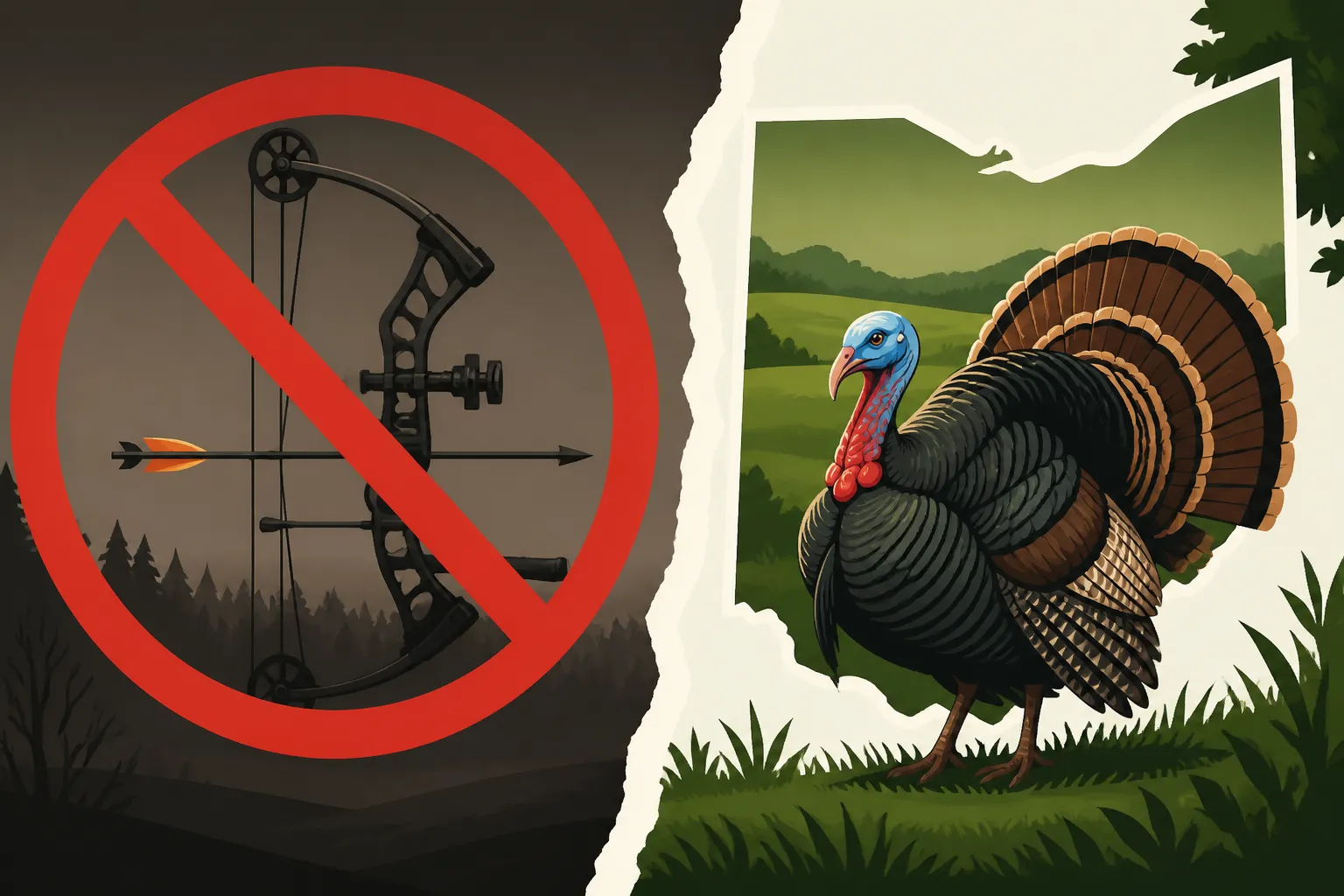
It can be incredibly frustrating to discover that a particular hunting method you love for one species isn't permitted for another, especially when it feels like a natural fit. For many Ohio hunters, the inability to use archery equipment for fall turkey season is a head-scratcher. You've likely spent countless hours honing your bow skills for deer, only to realize those same skills are off-limits when chasing a fall flock. This guide is here to unravel the reasons behind Ohio's shotgun-only rule for fall turkeys and help you understand how to make the most of the season.
The Core Reasoning Behind Ohio's Archery Ban for Fall Turkey
When you're out in the field, it's easy to wonder why some rules exist, especially when they seem to go against what other states or even other hunting seasons allow. The decision to restrict fall turkey hunting in Ohio to shotguns isn't arbitrary; it's rooted in a combination of safety considerations, biological management, and a historical framework that defines Ohio's hunting culture.
Prioritizing Hunter Safety During the Fall Season
One of the primary drivers behind the shotgun-only rule for fall turkeys in Ohio comes down to hunter safety, particularly when considering the broader context of the season. Fall turkey season often overlaps with other popular hunting seasons, most notably the peak of the deer archery season. Imagine the woods filled with both deer hunters, often camouflaged and still, and turkey hunters, who might be moving or calling in birds. The risk of misidentification, especially in heavy cover or low light conditions, is a serious concern. While a bow is certainly a lethal weapon, the visual signature of a shotgun blast can be more readily identified by other hunters than a silently shot arrow, especially when hunters are trying to discern movement in dense woodlands. The Ohio Department of Natural Resources (ODNR) errs on the side of caution, prioritizing a method that offers a clear, universally recognized signal when a shot is fired, minimizing the potential for accidental injury. This isn't to say bowhunting is inherently unsafe, but rather that the state has made a specific decision for this particular season, factoring in the dynamics of the woods during autumn.
Distinguishing Fall Turkey from Deer Hunting Regulations
It's natural to compare the fall turkey season to Ohio's extensive archery season for deer. After all, if you can chase whitetails with a bow from September into February, why not turkeys? The distinction lies in the behavioral differences of the game animals and the typical tactics used. Deer hunting, particularly with archery, often involves hunters staying stationary in treestands or ground blinds, waiting for deer to come to them. While there's certainly still-hunting for deer, a significant portion of the archery deer harvest comes from relatively fixed positions. Turkey hunting in the fall, however, often involves much more movement, active calling, and even the strategic "breaking up" of flocks to call birds back in. This active, mobile style of hunting, combined with the often dense cover where turkeys are found, can increase the chance of encountering another hunter unexpectedly. Furthermore, the goal in fall turkey hunting is often to target a specific bird from a flock, which can sometimes lead to situations where other birds or even other hunters might be in the line of fire. The state's regulations for Ohio Deer Season Structure Explained are designed with deer biology and hunting styles in mind, and similar scrutiny is applied to turkey hunting, leading to different conclusions based on the specifics of the hunt.
The Role of Biological Management in Regulation Decisions
Beyond safety, biological management plays a significant role in setting hunting regulations. While Ohio's wild turkey populations have made an incredible comeback over the past few decades – a testament to dedicated conservation efforts – the ODNR still actively monitors their health and sustainability. The specific challenges of hunting fall turkeys, which can include harvesting hens (female birds), mean that regulators need to be particularly mindful of overall population impacts. Allowing only shotguns might, in some management theories, be seen as a way to control harvest efficiency. Shotguns, especially when properly patterned, can be very effective at close ranges on turkeys, but their effective range is generally less than that of a well-practiced bowhunter, particularly with modern crossbows. This isn't about one method being "better" than another, but about how different methods interact with population management goals. The ODNR might view the shotgun-only rule as a way to maintain a certain level of hunting pressure and success rates that aligns with their long-term goals for Wild Turkeys in Ohio. While bowhunting success rates can be high for deer, the nature of fall turkey hunting (decoying, breaking flocks) with a bow could potentially lead to different harvest dynamics than with a shotgun, something the state may want to avoid based on current population data.
A Look at Ohio's Fall Turkey Hunting Landscape and Methods
So, if archery is off the table, what does fall turkey hunting in Ohio actually look like? It's a unique and incredibly rewarding experience that demands a different set of skills and tactics than your typical spring gobbler pursuit. Forget the early morning fly-down calls and strutting displays; fall turkey hunting is about locating flocks, understanding their daily patterns, and often, embracing a more aggressive approach.
The Tradition of Shotgun-Only Fall Turkey Hunting
Ohio's tradition for Ohio's Shotgun-Only Fall Turkey Season is deeply ingrained. For generations, the shotgun has been the go-to tool for bringing home a bird in the autumn woods. This isn't just about the rules; it's about the tactics that have evolved around them. Fall turkey hunting with a shotgun often revolves around locating flocks, often by spotting them in fields or listening for their vocalizations, and then either ambushing them along a travel route or, more commonly, breaking them up. The chaos of a scattered flock creates an opportunity for hunters to set up quickly and call individual birds back to their position. The shotgun excels in this scenario because it offers a quick, powerful, and relatively forgiving shot window on a moving or partially obscured bird, especially in the thick cover where turkeys often roam in the fall.
Effective Tactics for Fall Gobblers and Hens
Hunting fall turkeys effectively with a shotgun involves a different playbook than spring hunting. Here are a few key strategies:
- Locating Flocks: In the fall, turkeys are often in large family groups, known as flocks, which can include adult hens, jakes, and even a few adult gobblers that have joined up. You'll often find these flocks foraging for mast crops like acorns, pecans, or beechnuts in mature timber, or gleaning leftover grains in agricultural fields. Look for fresh tracks, droppings, and scratchings in the leaves. Using mapping tools, like those found on platforms like GoHunt, can help you pinpoint potential food sources and travel corridors on public or private land.
- Breaking Up the Flock: This is perhaps the most iconic fall turkey tactic. Once you've located a flock, the goal is to rush into the middle of them, scattering them in every direction. The sudden intrusion causes the birds to flee, but their strong social instinct means they'll want to regroup. You quickly set up against a wide tree or in a ground blind, using soft hen yelps and kee-kees to call them back together. The key is to be patient and listen. You can often hear their "assembly calls" as they try to locate each other. Mastering Breaking Up a Fall Turkey Flock is a rewarding skill.
- Calling Individual Birds: Once the flock is scattered, wait about 15-30 minutes, then start making soft turkey sounds. Lone jakes or hens are often the first to come back in. Don't be afraid to use a variety of calls – box calls, slate calls, and mouth calls all have their place. The goal is to sound like a lonely bird trying to reunite with its family.
- Ambushing Travel Routes: If breaking up a flock isn't feasible, or if you prefer a more subtle approach, patterning a flock's movement between roosting areas, feeding grounds, and watering holes can be effective. Set up along a well-used trail or pinch point, camouflaged and ready.
Exploring Alternative Fall Hunting Opportunities
While turkeys offer a fantastic fall hunting opportunity, if the shotgun-only rule truly isn't your style, Ohio offers a wealth of other options during the autumn months where archery is perfectly legal and incredibly popular. Our state's Bowhunting Ohio's Long Archery Season for deer is among the longest and most generous in the nation, running from late September well into early February. This means you can scratch that archery itch chasing whitetails throughout the fall. Beyond deer, small game seasons for squirrels and rabbits also overlap, offering different challenges. If you're passionate about archery, you might also consider Coyote and Predator Hunting in Ohio during the fall and winter, where bows are typically permitted, providing a unique challenge and contributing to predator management. So, while turkeys are shotgun-only, the Ohio woods are far from off-limits to archers in the fall.
Comparing Ohio's Approach to Other States
It's natural to look across state lines and wonder why regulations differ so much. Ohio isn't alone in its approach to fall turkey hunting, but it certainly stands apart from many states that do allow archery. Understanding these variations can shed light on the complex factors that go into wildlife management decisions.
Varied Regulations Across the United States
The truth is, there's no universal rulebook for hunting regulations across the United States. Each state's wildlife agency, like the Ohio ODNR, develops its rules based on its unique habitat, wildlife populations, hunter demographics, safety statistics, and even historical precedent. For fall turkey hunting specifically, you'll find a patchwork of regulations:
- States allowing archery for fall turkey: Many states, particularly in the Southeast and Midwest, do permit archery equipment for fall turkeys. States like Missouri, Pennsylvania, and Michigan are examples where bowhunters can pursue turkeys in the autumn, often with specific regulations regarding broadhead types or minimum draw weights.
- States with mixed regulations: Some states might allow archery in certain zones or during specific windows, or they might have different rules for public versus private land.
- States, like Ohio, that restrict to shotguns: Ohio falls into this category, alongside a handful of other states that have opted for a more uniform approach focusing on shotguns for fall birds.
These differences can be attributed to many factors. Some states have larger, more dispersed turkey populations, which might allow for a broader range of hunting methods without significant impact. Others might have a longer cultural history of bowhunting being integrated into all seasons. Furthermore, the overlap with deer season might be managed differently; some states might separate the seasons more distinctly or have fewer hunters in the woods at the same time, reducing perceived safety risks. Tools like GoHunt can be invaluable for non-resident hunters trying to navigate these complex regulations across different states. Their mapping and regulation summaries can quickly clarify what's allowed where.
| State | Archery Permitted for Fall Turkey? | Typical Season Length | Primary Rationale (Ohio vs. Others) |
|---|---|---|---|
| Ohio | No (Shotgun Only) | ~6 weeks (variable counties) | Hunter Safety, Population Management |
| Pennsylvania | Yes | ~5 weeks | Established Bowhunting Culture |
| Missouri | Yes | ~4 weeks | Robust Turkey Population |
| Michigan | Yes | ~6 weeks | Hunter Choice, Diverse Habitats |
| New York | Yes | ~4-6 weeks (variable zones) | Population Goals, Harvest Control |
| West Virginia | No (Shotgun Only) | ~2-4 weeks (variable counties) | Similar to Ohio, Safety Concerns |
Note: Regulations are subject to change, always check current state wildlife agency guidelines.
Understanding the Hunter's Perspective and Adaptations
For an Ohio hunter who loves the challenge of archery, this restriction can certainly be a bummer. The quiet stalk, the close-range shot, and the intimate connection with nature that bowhunting offers are powerful draws. However, experienced Ohio turkey hunters have simply adapted. They've learned to appreciate the unique challenges and rewards of fall shotgun hunting. It forces you to hone different skills: aggressive calling, stealthy movement to break up a flock, and quick decision-making when birds respond. It's not necessarily "easier" than bowhunting; it's just different. It asks you to become proficient with a shotgun, understand patterning, and recognize the effective range of your load. Many hunters find a deep satisfaction in mastering these distinct skills. So, while you might not get to use your compound or crossbow, the fall turkey season still promises an exciting and challenging hunt.
Navigating Ohio's Regulations for a Successful Fall Hunt
Understanding the "why" behind the regulations is one thing, but knowing how to successfully hunt within those rules is what really matters. Ohio's fall turkey season, while restricted to shotguns, is an incredible opportunity to get out in the woods, experience a different kind of turkey hunting, and fill your freezer with some fantastic wild game. You'll need the right gear and a solid plan, but the rewards are well worth it.
Gear Considerations for Shotgun-Only Seasons
Since your bow will be staying home, it's time to focus on your scattergun. Here's what you'll need:
- Shotgun: Most hunters opt for a 12-gauge, but 20-gauge shotguns are also highly effective, especially with modern turkey loads. The key is to have a shotgun you're comfortable handling and that patterns well.
- Choke Tube: A good turkey choke is essential. These are typically extra-full or super-full constrictions designed to tighten your shot pattern at longer ranges, giving you more pellets on target. Don't just screw one in and go; pattern your shotgun with your chosen load at various distances (20, 30, 40 yards) to understand its effective range.
- Turkey Loads: Modern turkey ammunition has come a long way. Heavy loads of lead, bismuth, or tungsten alloy in shot sizes like #4, #5, or #6 are popular. Tungsten Super Shot (TSS) loads, though expensive, offer incredible density and performance, dramatically increasing lethal range and pellet count. Knowing your Turkey Shotguns and Chokes is crucial.
- Calls: A variety of calls is best for fall. A box call or slate call is excellent for loud, aggressive yelps to scatter a flock, and for softer, more realistic kee-kees to call them back. A mouth call (diaphragm call) allows for hands-free calling when a bird is close. Locator calls (owl hooter, crow call) can help you find flocks.
- Camouflage: Full concealment is key. Turkeys have incredible eyesight. Opt for a full camo pattern, including a face mask and gloves.
- Decoys: While less crucial than in spring, a single hen or jake decoy can sometimes help to draw in a wary bird, especially when set up after scattering a flock.
- Comfortable Seat: A small, portable hunting chair or a cushion with a backrest can be a lifesaver when you're waiting for birds to come back after a scatter. A good turkey vest often incorporates a comfortable seat.
Remember, Ohio requires Ohio Blaze Orange Requirements during certain hunting seasons. While specific orange rules might differ for fall turkey when it overlaps with youth deer gun season, it's always wise to be aware of the rules and perhaps carry an orange vest to don when moving, even if not strictly required for fall turkey outside of specific youth gun hunt days.
Planning Your Fall Turkey Adventure
Now that you're geared up, it's time to plan your hunt.
- Scouting is Paramount: Just like with deer, scouting for fall turkeys is critical. Use tools like GoHunt to scout aerial photos for potential roosting sites (tall timber near water), feeding areas (oak ridges, agricultural fields), and travel corridors. Look for fresh sign on the ground. A good tip is to locate food sources after a poor acorn year; turkeys will concentrate wherever food is available. Check out Scouting Ohio Public Land Before Season for more in-depth tips.
- Understand Turkey Behavior: Fall turkeys are all about food and flock dynamics. They'll generally feed heavily in the morning and late afternoon, often loafing during the midday in heavy cover. Knowing this pattern helps you plan your approach.
- Public vs. Private Land: Ohio offers diverse hunting opportunities on both public and private land. Check the Ohio Fall Turkey County List to see which counties are open for the season. Public land, such as state forests or wildlife areas, can hold excellent populations, but may also see more pressure. Remember, knowing Ohio's Legal Shooting Hours is non-negotiable for all types of hunting.
- Embrace the "Run-and-Gun" Mentality: While you can certainly sit and call, fall turkey hunting often benefits from a more mobile approach, especially on larger tracts of land. Don't be afraid to move, listen, and reposition if you're not hearing anything. This active style can be very effective for Hunting Ohio's Fall Turkey Window.
- Check Regulations Annually: Regulations, including Ohio Fall Turkey Bag Limit, can change. Always check the current year's Ohio Hunting and Trapping Regulations digest from the ODNR before heading out. This ensures you're up-to-date on dates, bag limits, and any other specific county restrictions.
Ultimately, while the lack of an archery option for fall turkeys might seem limiting at first, it forces you to engage with the season in a distinct and ultimately very rewarding way. Embrace the shotgun, learn the fall tactics, and you'll find a whole new world of excitement in the Ohio autumn woods.
Disclaimer
Please remember that hunting regulations can change frequently. Always consult the most current Ohio Department of Natural Resources (ODNR) hunting and trapping regulations before participating in any hunting activity. This content is for informational purposes only and is not a substitute for official legal guidance or hunter education.