Diver Ducks on Western Lake Erie
Western Lake Erie diver duck hunting requires understanding bluebill, redhead, and canvasback habits, migration timing, and specific food preferences.
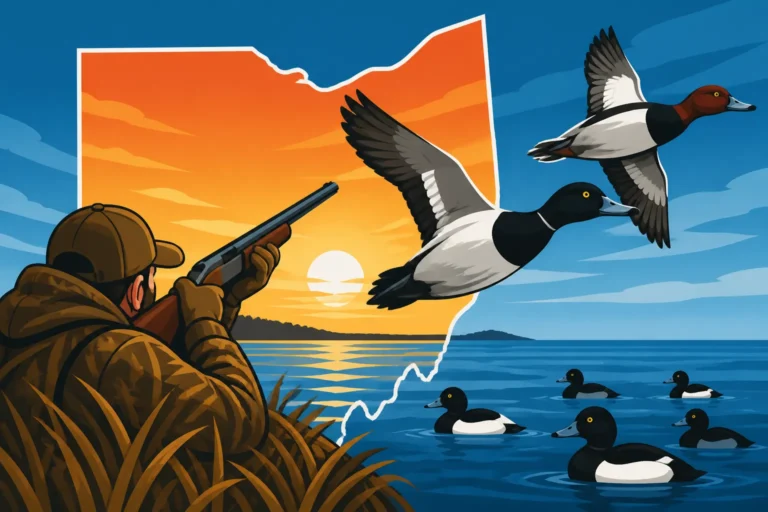
Western Lake Erie diver duck hunting requires understanding bluebill, redhead, and canvasback habits, migration timing, and specific food preferences.
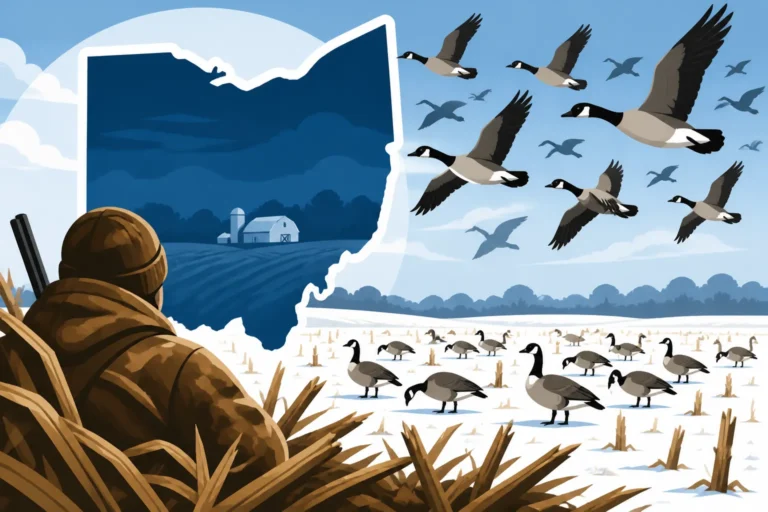
Ohio wintering goose populations include resident and migratory Canada geese that feed on harvested corn and soybeans in fields.
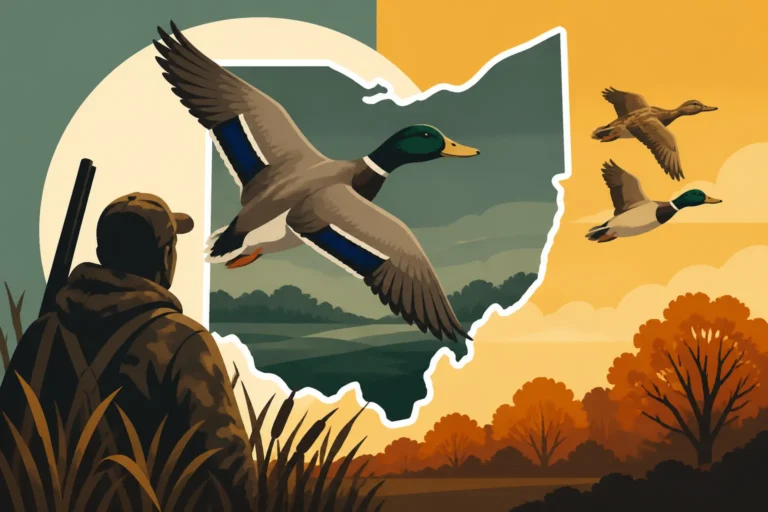
Duck migration timing through Ohio relies on northern weather fronts and food availability along the Mississippi Flyway.
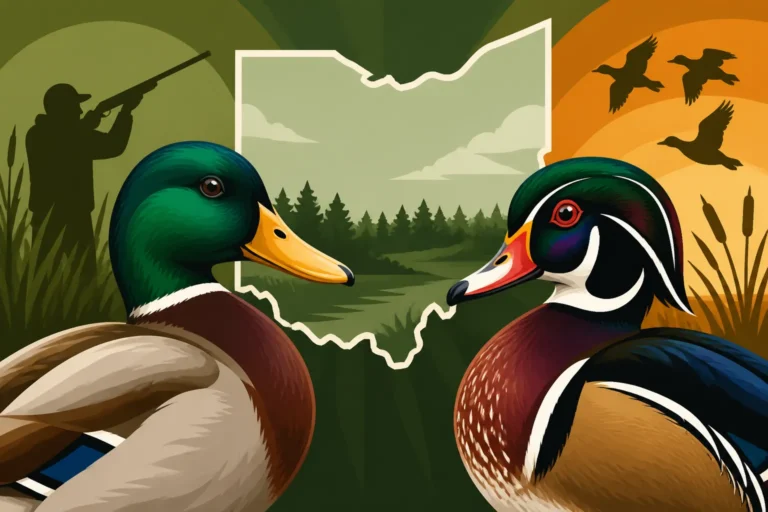
Ohio mallard and wood duck populations consist of local resident birds and migratory flights from northern breeding grounds.
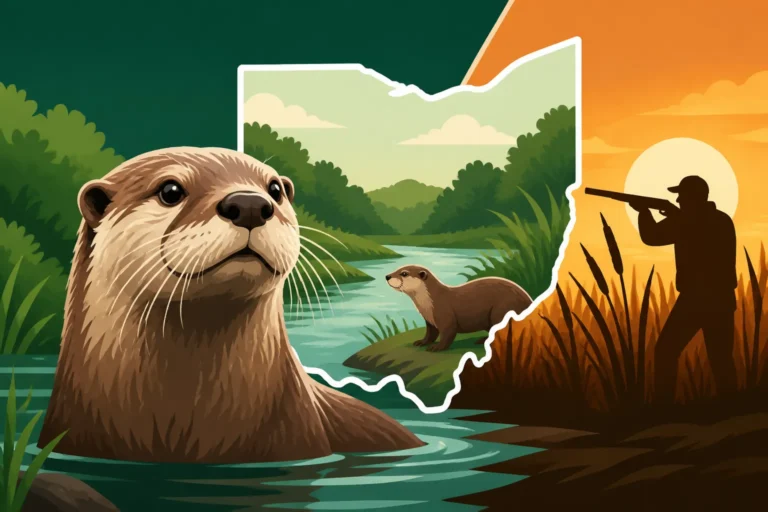
River otter populations vanished from Ohio due to habitat destruction and unregulated trapping before returning to state waterways.
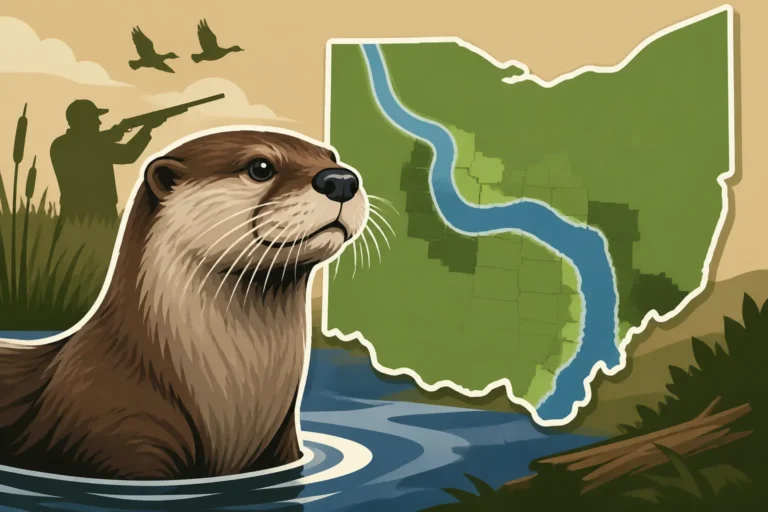
Ohio river otter populations across the state today and their recovery from historical extirpation through conservation.
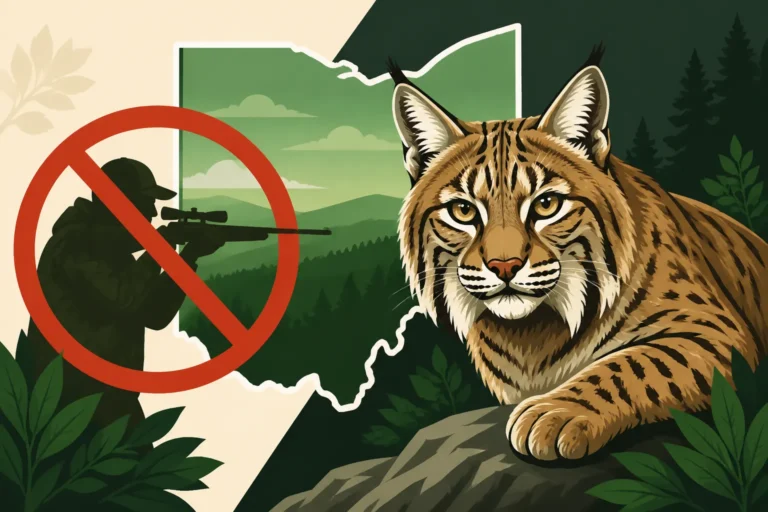
Ohio bobcat history and wildlife management decisions explain why the state maintains no open hunting season for predators.
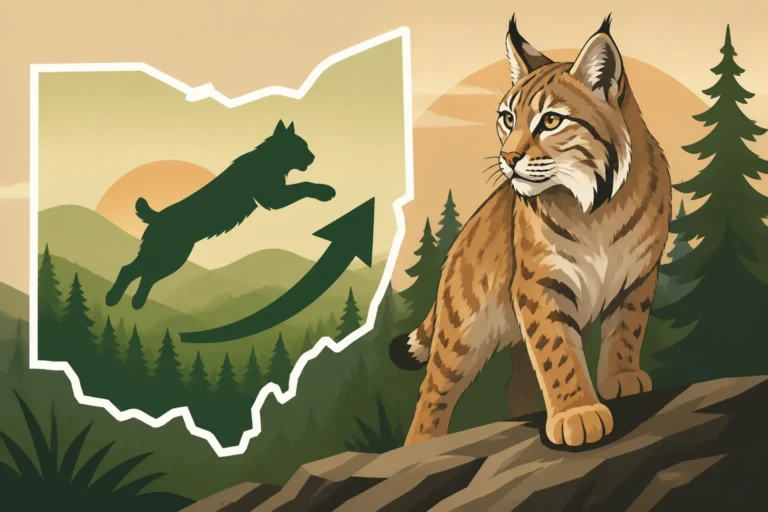
Ohio bobcats are returning to the rugged, unglaciated Appalachian foothills of southeastern Ohio, thriving in reforested areas.
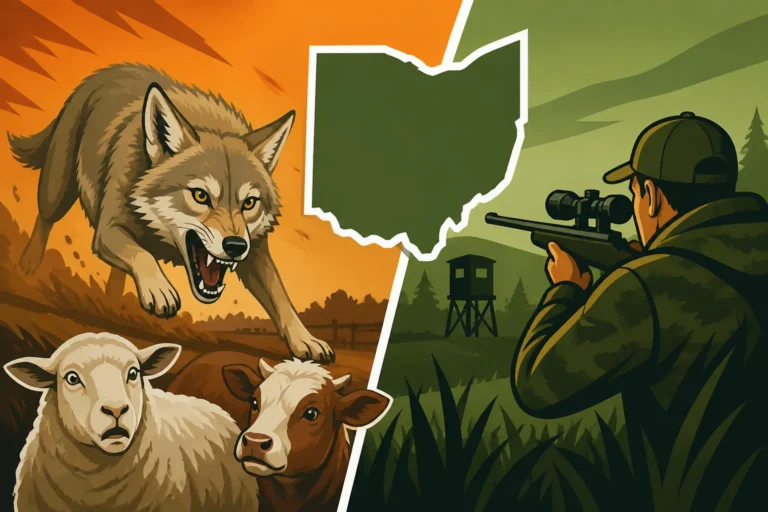
Ohio coyote behavior and predation signs help farmers protect chickens, lambs, and calves from adaptable predators in rural areas.
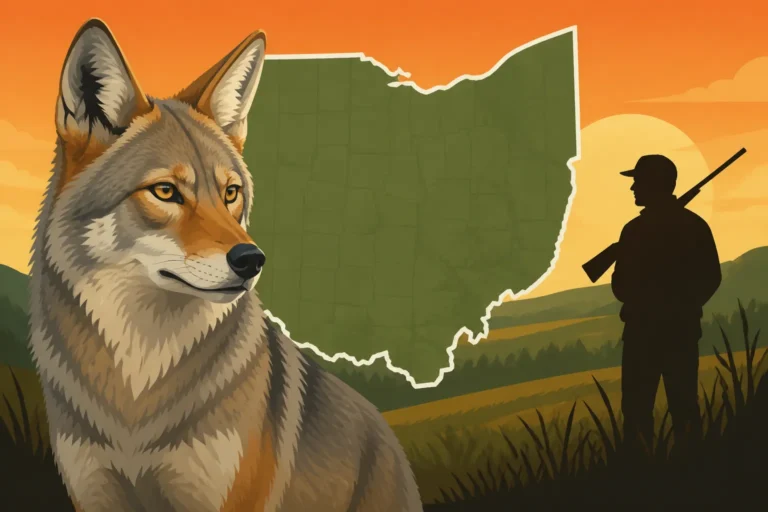
Ohio coyote history explains their eastward migration, early sightings in western counties, and establishment during the 1940s.