Aging Venison in Cold Weather
Aging venison in cold weather breaks down tough muscle fibers using natural enzymes, transforming tough meat into tender, flavorful meals.
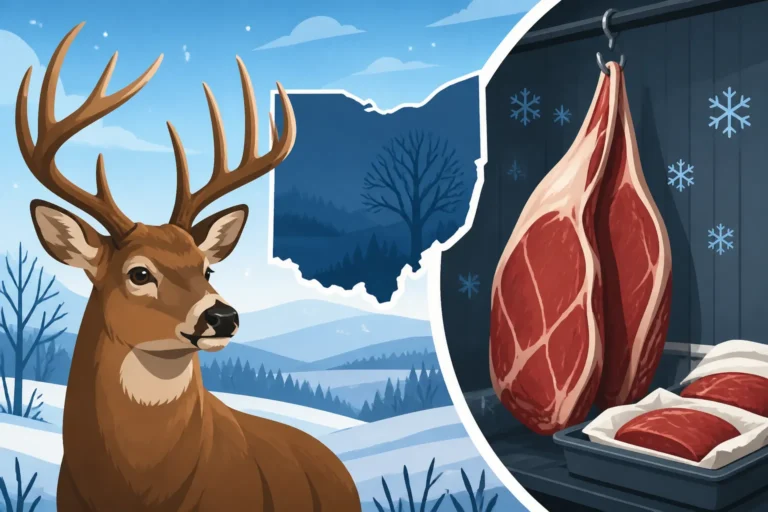
Aging venison in cold weather breaks down tough muscle fibers using natural enzymes, transforming tough meat into tender, flavorful meals.
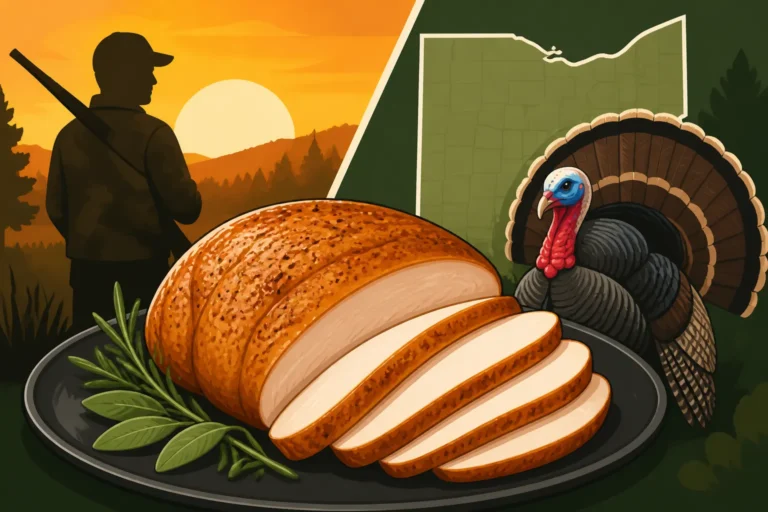
Wild turkey breast preparation and rapid field cooling methods explain how to cook lean game meat without drying it out.
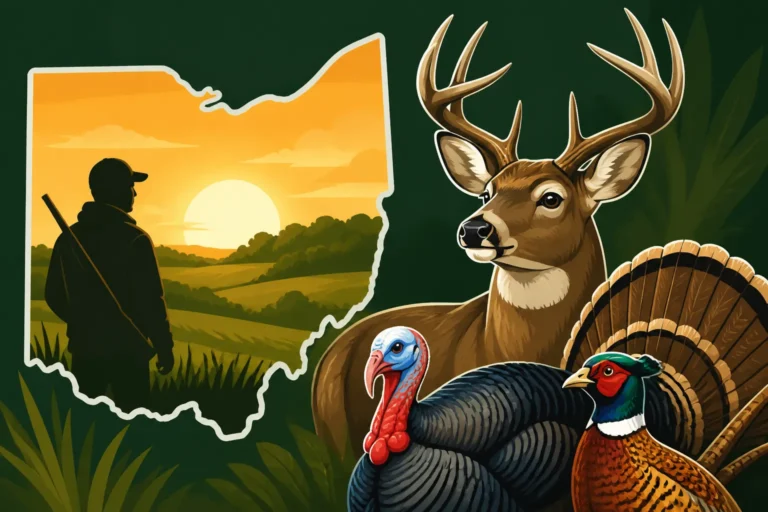
Ohio wild game flavor depends on diet, habitat, age, and proper field care to ensure tender meals from deer and turkeys.
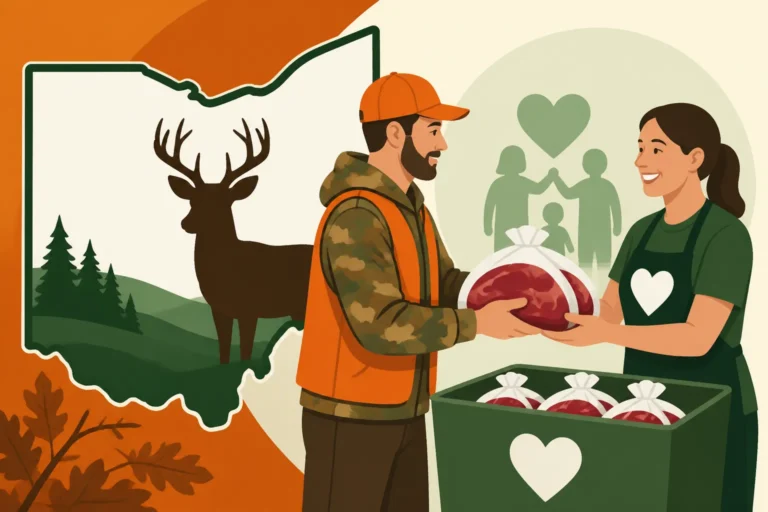
Ohio venison donation rules and food safety guidelines help hunters share lean wild game protein with local food pantries.
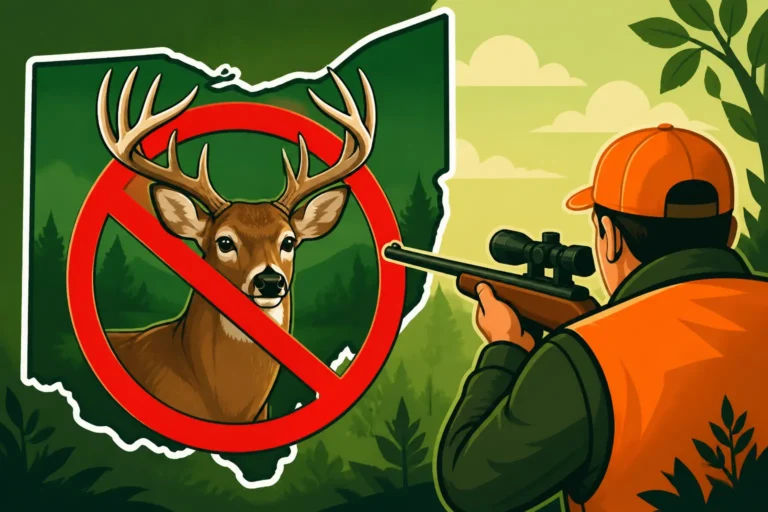
Protected Ohio wildlife species including black bears, bobcats, river otters, and raptors have no legal hunting seasons.
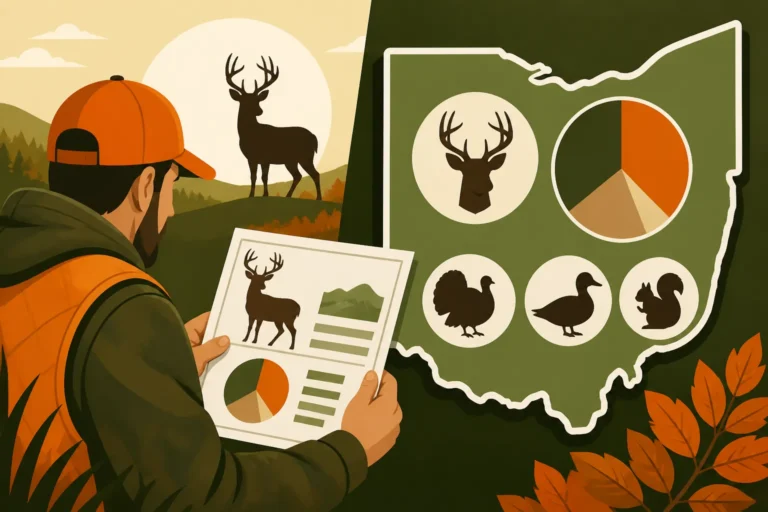
Ohio harvest reports explain deer population trends, success rates by hunting method, and geographic distribution to refine strategy.
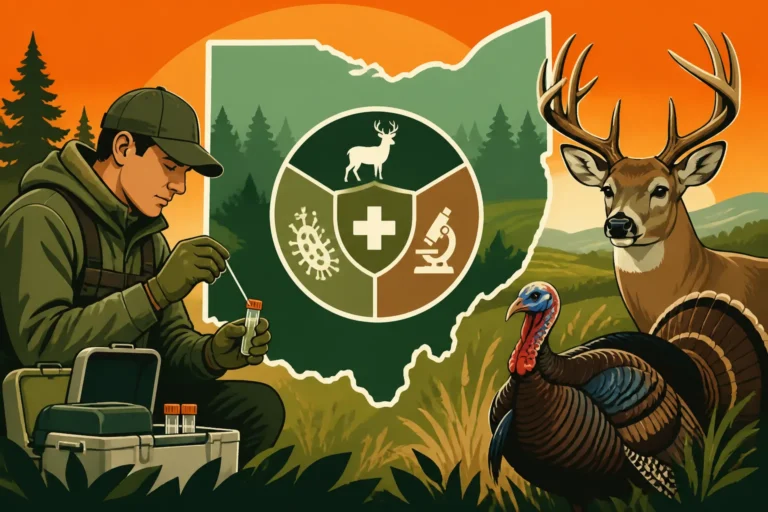
Ohio wildlife disease monitoring explains tracking methods for Chronic Wasting Disease, Epizootic Hemorrhagic Disease, Avian Influenza, and mange.
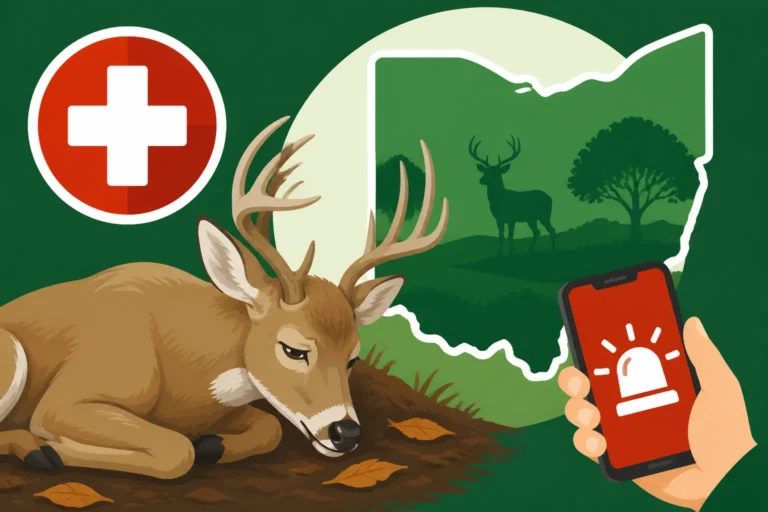
Reporting sick or injured wildlife in Ohio helps the Ohio Department of Natural Resources manage diseases and safeguard communities.
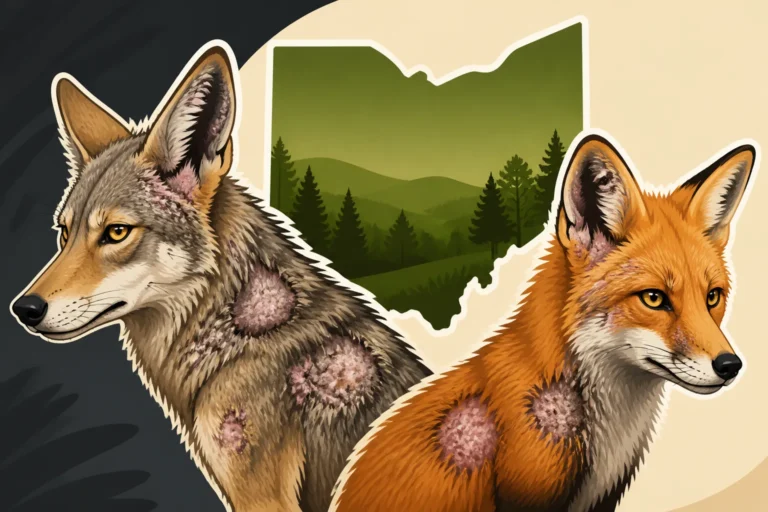
Mange in Ohio coyotes and foxes is a parasitic skin disease caused by microscopic mites that spread through direct contact.
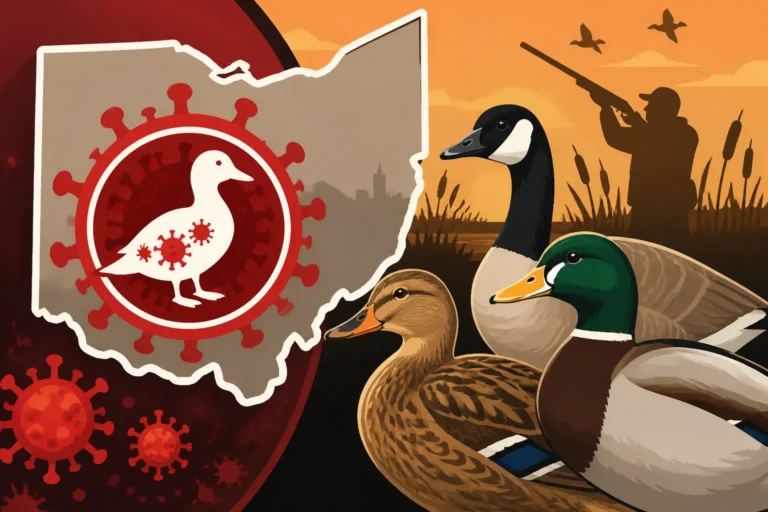
Avian influenza in Ohio birds explains viral strains, symptoms, and actions to minimize spread among wildlife populations.