Ground Blind Anchoring in Wind
There’s almost nothing more frustrating than getting your ground blind perfectly set up, carefully brushed in, and finally settling in for an early morning hunt, only for a sudden gust of wind to turn your camouflaged sanctuary into a noisy, flapping kite. We’ve all been there – that heart-sinking moment when your blind starts to shift, stakes pull free, and the whole thing threatens to take flight, blowing your cover and sending any nearby deer scrambling. This guide is all about preventing that scenario, ensuring your ground blind stays anchored, silent, and effective, no matter what Ohio’s weather throws at it.
The Perils of a Poorly Anchored Ground Blind in Ohio
You might think the worst thing a high wind can do to your ground blind is send it tumbling across a field, and while that’s certainly a major headache, it's far from the only problem. A blind that isn’t securely anchored can ruin a hunt in countless subtle, yet equally frustrating, ways. We often focus on the big, dramatic failures, but it’s the constant, nagging issues that truly erode your confidence and effectiveness in the field.
Beyond Just Blowing Away: Noise, Movement, and Deterring Game
Imagine you've carefully picked your spot, maybe a strategic pinch point between a woodlot and a cornfield, and settled in before first light. The air is still, and you can almost feel the deer moving. Suddenly, a light breeze picks up, and your blind—which you thought was pretty stable—starts to make a soft "flapping" noise. This isn't just annoying; it's a huge red flag for any deer within earshot. Those subtle sounds, so alien to the natural rhythm of the woods, carry surprisingly far, especially on a quiet morning. Deer are masters of their environment, and anything out of place or generating unnatural noise sends them into high alert.
Beyond the noise, there's the movement. Even if your blind doesn't completely blow over, a slight shift, a corner lifting, or a panel bulging in the wind creates movement that can be easily spotted by sharp-eyed whitetails. Picture a big buck slowly making his way along a field edge, completely unaware of your presence until he catches a flicker of movement from your blind as a gust tugs at it. Game animals are incredibly tuned into changes in their environment. A natural sway of tree branches is one thing, but the sudden, jerky movement of a fabric blind is quite another. It can instantly blow your cover, turning a promising setup into a bust before you even get a chance to draw your bow or shoulder your rifle. It's a frustrating reality that a small oversight in anchoring can negate hours of careful scouting and setup.
The Cost of Neglect: Damaged Gear and Ruined Hunts
Ignoring the importance of proper anchoring can lead to a litany of problems, the least of which is a lost hunting opportunity. Let's be honest, ground blinds aren't exactly cheap. They represent a significant investment for most hunters, an investment we expect to last for many seasons. A blind that's allowed to flap violently in the wind or, worse, tumble across rocky terrain or through thick brush, is going to suffer damage. Zippers can tear, fabric can rip, poles can bend or snap, and hubs can break. What might have been a minor repair if addressed early can quickly escalate into needing major replacements or even a whole new blind. It's a costly lesson to learn, and one that can easily be avoided with a bit of foresight.
Then there's the more profound cost: the ruined hunt itself. There's nothing quite like the feeling of having your entire plan derailed by equipment failure, especially when it's preventable. You've woken up early, braved the cold, hiked into your spot, and invested the time and effort, only for your blind to betray you. This isn't just about missing a shot; it's about the mental toll. It breeds doubt and frustration, making it harder to focus on the task at hand. Instead of scanning the treeline for movement, you're constantly worrying about your blind, fidgeting with a loose stake, or trying to muffle a flapping panel. That kind of distraction can make the difference between a successful outing and going home empty-handed and disheartened. Ensuring your blind is rock-solid is about protecting your investment and, more importantly, protecting your peace of mind while hunting.
Understanding Ohio's Variable Weather: Why Strong Anchoring is Non-Negotiable
Ohio weather is, to put it mildly, unpredictable. We can go from calm, sunny mornings to blustery, bone-chilling winds in a matter of hours. A warm front might roll through, bringing with it not just higher temperatures but also strong winds that can sweep across open fields or funnel down valleys. Then there are the sudden thunderstorms, often accompanied by fierce gusts that can test the limits of any outdoor gear. These aren’t just minor inconveniences; they are significant factors that demand a robust anchoring strategy for your ground blind.
Consider setting up a blind for Hunting Northwest Ohio Farmland Deer. The wide-open agricultural fields offer little to no natural windbreak. A blind placed along a fencerow or on a field edge will be completely exposed to whatever the sky throws at it. Even in more timbered areas, like when you're Hunting Ohio River Valley Ridges, the wind can still swirl and gust with surprising force, especially through saddles and draws. It’s not enough to just hope for calm weather; you have to plan for the worst and be pleasantly surprised if it stays calm. Relying on the flimsy stakes that come with most ground blinds is a recipe for disaster in Ohio’s often-turbulent conditions. Investing a little extra time and effort in proper anchoring is a small price to pay for knowing your blind will stay put, allowing you to focus on the hunt, not wrestling with your gear.
Essential Anchoring Tools and Techniques for Every Hunter
When it comes to keeping your ground blind firmly planted, the flimsy tent stakes that come standard with most blinds simply won't cut it in real-world Ohio hunting conditions. Think of them as placeholders, not solutions. You need to upgrade your anchoring game to match the varied terrain and sometimes brutal weather we encounter. It’s about more than just poking something into the ground; it’s about creating a robust, distributed anchor system.
Standard Stakes and Tie-Downs: Getting the Basics Right
Even though the stakes that come with your blind aren't ideal, they're part of the system, and understanding how to use them effectively is the first step. Most ground blinds will have tie-down loops at the bottom corners and, often, along the sides. The basic principle is to pull these loops taut and stake them to the ground. However, instead of just pushing the stake straight down, try to angle it away from the blind. This creates more resistance against horizontal pulls, much like how a tent stake is angled to hold stronger. Use all available tie-down points, not just the corners. The more points you distribute the tension over, the less strain each individual anchor point experiences, reducing the chance of any single stake failing.
For added security, consider replacing the flimsy cordage with something more robust, like paracord or dedicated utility rope. This won't stretch or fray as easily, maintaining consistent tension. A useful trick, especially if the ground is soft, is to create a "deadman" anchor. Instead of just a stake, tie your cord around a sturdy stick, piece of lumber, or even a rock, and bury it horizontally in a shallow trench. Then, run the cord up to your blind's tie-down loop. This creates a much larger surface area to resist pull-out compared to a single narrow stake. Always double-check your knots; a loose knot is just as bad as a missing stake. While simple, these basic techniques form the foundation of more advanced anchoring strategies and are essential knowledge for any ground blind user.
Upgrading Your Anchoring Game: Heavy-Duty Stakes and Auger Anchors
Once you realize the limitations of standard stakes, it's time to upgrade. This is where dedicated heavy-duty stakes and auger anchors truly shine. Heavy-duty stakes are typically made from stronger metals like steel or durable aluminum, often with a thicker gauge and a more aggressive point or wider head for better purchase. These are fantastic for firmer ground and can withstand much more force than their flimsy counterparts. Look for stakes that are at least 8-10 inches long and have a strong, non-flexible design. Many hunters swear by products from brands like T-Post stakes or even specialized camping stakes designed for high winds.
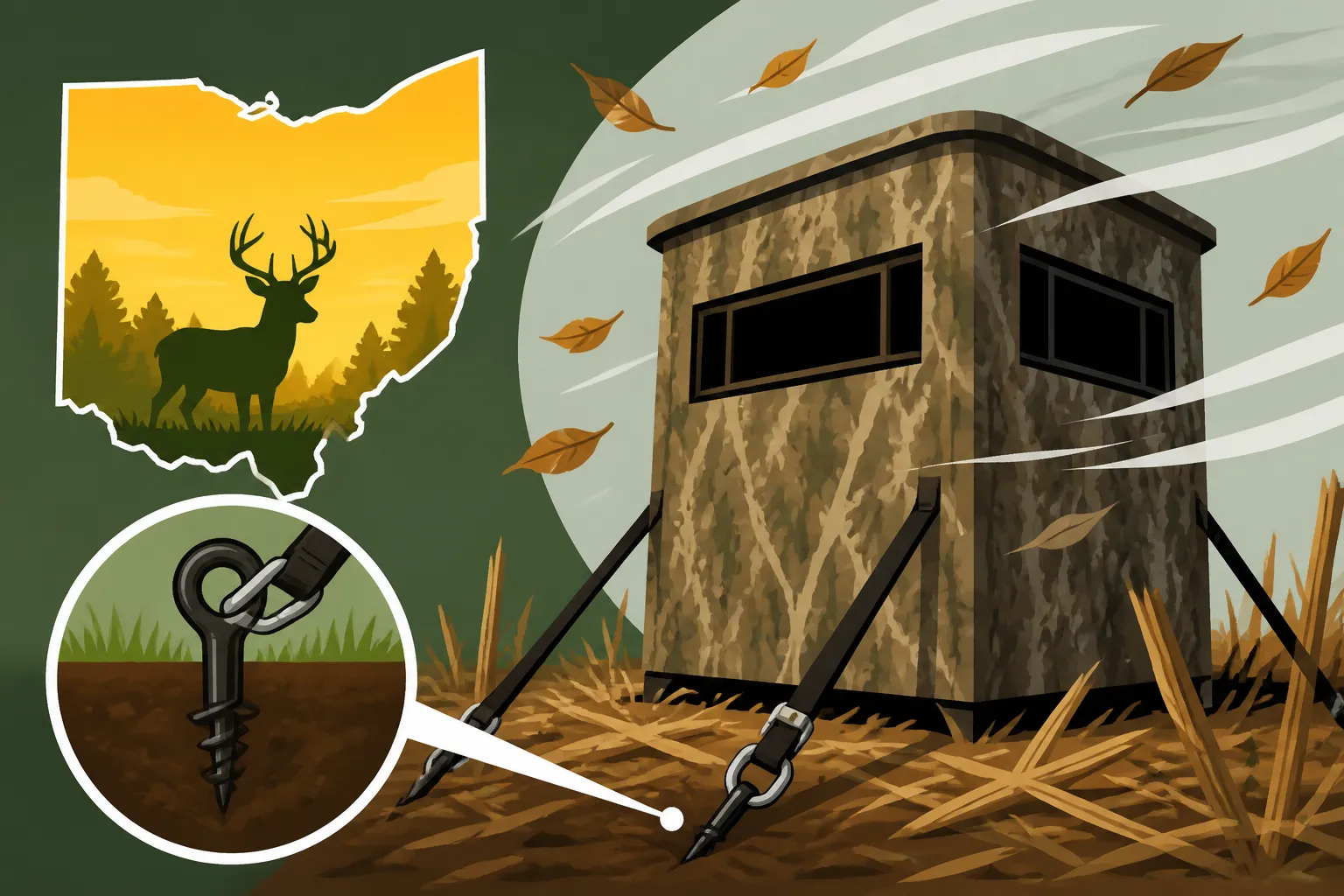
For the ultimate in ground holding power, especially in softer soils or when you know you'll be facing extreme winds, auger anchors are the way to go. These are essentially large screws that you twist into the ground, similar to how a dog tie-out works. They burrow deep into the soil, creating an incredibly secure anchor point that resists pulling out much more effectively than a straight stake. Companies like Rhino Blinds and Primos often offer their own auger-style anchors designed specifically for hunting blinds. I've found these particularly invaluable when I'm setting up a blind for Hunting a Standing Soybean Field or a cut cornfield, where the ground can sometimes be soft and the wind has a clear shot at your blind. To deploy them, you simply twist them into the ground until the top ring is flush, then attach your blind's tie-down loop or a strong rope. They take a little more effort to install, but the peace of mind they offer is absolutely worth it.
Leveraging Nature: Using Natural Elements for Stability
Sometimes, the best anchoring solutions are right there in front of you, provided by Mother Nature herself. Don't overlook the power of natural elements to bolster your blind's stability. While you should always carry dedicated anchoring gear, knowing how to use your surroundings can be a game-changer, especially if you're caught off guard by unexpected weather or if your primary stakes fail.
The most common natural anchor points are trees, stumps, and large rocks. If you're setting up near a sturdy tree, consider using a cam strap or heavy-duty rope to secure one or more corners of your blind directly to the tree trunk. This provides an unshakeable anchor that no amount of wind is likely to dislodge. For instance, if you're utilizing a blind for Treestand Setups in Appalachian Ohio Hardwoods but opted for a ground blind instead, tying into a mature oak can be incredibly effective. Even large, immovable boulders can serve as anchor points. Loop a rope around them and tie it to your blind. If you can’t fully encircle a rock, find one with a natural crevice or rough surface that a rope can bite into without slipping. Remember to place something between the rope and the rock if the surface is sharp to prevent fraying. Even a heavy log can be moved and placed against the base of your blind, then staked on either side to prevent it from rolling, adding substantial weight and stability. Using natural elements not only saves on carrying extra gear but often provides the most robust anchoring possible, truly making your blind part of the landscape.
Advanced Strategies for High-Wind Conditions and Tricky Terrain
There are those days when the wind isn't just a breeze; it's a relentless force, threatening to turn your carefully placed ground blind into an airborne object lesson. Or maybe you're hunting terrain that makes traditional staking difficult – rocky ground, frozen earth, or incredibly soft, sandy soil. These are the situations where you need to go beyond the basics and employ some more creative, heavy-duty anchoring strategies. It's about combining methods and thinking outside the box to ensure your blind stays put.
The "Rock Bag" Method and Other Weighting Solutions
When stakes alone aren't enough, or when the ground is too hard or too soft to hold them effectively, adding weight to your blind is an excellent strategy. The "rock bag" method is a time-tested favorite. Simply bring along some empty sturdy canvas bags, sandbags, or even old duffel bags that you don't mind getting dirty. Once at your blind site, fill them with rocks, dirt, sand, or heavy logs you find nearby. Place these filled bags inside the blind, especially in the corners and along the edges, pressing down on the fabric flaps that extend to the ground. This not only adds significant weight but also helps seal the blind to the ground, preventing wind from getting underneath and creating a "parachute" effect.
Another effective weighting solution involves using water jugs or small buckets filled with water or sand. If you have access to a water source or can carry them in, these can provide dense, easily positioned weight. Some hunters even use gym weights or old automotive brake rotors for extreme stability, though these are certainly heavier to pack in. When considering weighting, think about distributing the load. Instead of one heavy bag in the center, several moderately heavy bags placed strategically around the perimeter will be more effective at resisting lift and movement. This method is particularly useful when you're Using a Ground Blind on Ohio Public Land where staking options might be limited, or on frozen ground where stakes won't penetrate.
Guy Lines and Reinforced Corners: Spreading the Load
To truly fortify your blind against high winds, especially when it's exposed, you need to think about turning it into a miniature fortress. This often involves adding external support through guy lines and reinforcing key stress points. Most quality ground blinds have loops or grommets on the roof or upper frame designed for guy lines – these aren't just for looks. Using strong paracord or rope, attach guy lines from these upper points, extending them outwards at an angle and staking them firmly to the ground, just like you would with a tent.
The key with guy lines is to create tension that pulls down and out, counteracting the upward lift and horizontal push of the wind. A minimum of four guy lines, one from each corner of the roof, is a good start. In truly fierce winds, you might add more from the middle of the roof panels if your blind has the attachment points. If your blind doesn't have these upper loops, you can sometimes improvise by carefully looping rope around the hub poles (if accessible) or reinforcing corners with duct tape and then tying into that. Additionally, reinforce the corner stake-out points. Often, the fabric loops where you stake down the blind are the first to tear in high winds. You can reinforce these by sewing on extra layers of heavy-duty fabric or by using small carabiners that distribute the stress over a larger area of the blind's existing loops. While setting up multiple guy lines adds a few minutes to your deployment, that extra effort is a small price to pay for a stable blind when the wind starts howling down a valley as you're Hunting Ohio Farmland Deer.
Strategic Placement: Positioning Your Blind to Minimize Wind Impact
Sometimes, the best defense against wind isn't just better anchoring, but smarter placement. Before you even think about pounding stakes, take a moment to observe your surroundings and consider the prevailing wind direction. If you can position your blind so that a natural windbreak — a dense stand of pines, a thick fencerow, or even the side of a large hill — takes the brunt of the wind, you’ll be starting with a significant advantage. This can reduce the force exerted on your blind by half or more, making your anchoring efforts much more effective.
For instance, if you're Hunting Northwest Ohio Farmland Deer, where open fields dominate, look for the most substantial hedgerow or tree line available and set your blind on the leeward side (the side sheltered from the wind). Even a small rise in the terrain can offer some protection. Pay attention to how the wind might funnel through certain areas, like gaps in a ridge or narrow woodlots. Setting up directly in one of these wind tunnels is asking for trouble. Using resources like the GoHunt app to check wind forecasts and terrain features can be incredibly helpful in making these strategic placement decisions. Furthermore, when setting up, try to orient the broadest side of your blind so it's not directly facing the strongest wind. An angled approach will present a smaller surface area for the wind to push against, reducing overall stress on the blind and its anchors. A few extra minutes of careful observation can save you hours of frustration and potential gear damage.
Pre-Hunt Preparation and Post-Hunt Care
Proper ground blind anchoring isn't just about what you do in the field; it begins long before you ever step foot in the woods and extends well after you pack up. A consistent routine of scouting, inspecting your gear, and maintaining it will ensure your blind is always ready to perform, anchoring securely every time. It’s a holistic approach that guarantees longevity for your gear and maximum effectiveness for your hunts.
Scouting and Setup: Choosing the Right Spot
The foundation of secure blind anchoring truly begins with intelligent scouting. Before you even think about hauling your blind into the woods, spend time getting to know your hunting area. Scouting Ohio Public Land Before Season is invaluable, not just for finding deer sign, but for identifying potential blind locations that offer natural protection from the elements. Look for areas with thick cover on the prevailing wind side, dense brush lines, or even dips in the terrain that can shield your blind. Using tools like aerial photos, which are excellent for Reading Aerial Photos for Southeast Ohio Deer, allows you to spot these features from home. You'll want to assess the ground itself – is it rocky, sandy, soft, or frozen? This will dictate the type of anchoring system you’ll need to bring.
When you get to your chosen spot, don’t rush the setup. Take a few extra minutes to clear away any debris like sticks or sharp rocks from where the blind will sit, ensuring a flat, stable base. This also prevents damage to the blind’s skirt. Before deploying the blind, mentally visualize how the wind might hit it from different directions. Consider if there's a way to use existing vegetation to help break up the outline and, crucially, to help deflect wind. For instance, Brushing In a Blind on a Field Edge not only helps with concealment but the added vegetation can act as a wind buffer. A well-chosen, naturally protected spot means less reliance on extreme anchoring methods, making your setup faster and more reliable.
Inspecting Your Blind and Anchoring Kit
Before every season, and ideally before every major hunt, you need to give your ground blind and its anchoring accessories a thorough once-over. This pre-hunt inspection is critical for preventing those irritating, hunt-spoiling failures. Start with the blind itself: check all the fabric panels for tears, rips, or weak spots. Pay close attention to the tie-down loops and grommets – are they frayed, stretched, or showing signs of stress? These are your primary attachment points, and a weak link here can compromise your entire anchoring system. Examine all zippers to ensure they open and close smoothly and aren’t snagged or broken. Check the poles for any bends, cracks, or loose connections. A bent pole can distort the blind's shape, making it more susceptible to wind.
Next, turn your attention to your anchoring kit. Lay out all your stakes, ropes, and any auger anchors or weighting bags. Are the stakes bent or corroded? Are the points dull? Sharpen dull stakes or replace any that are significantly compromised. Inspect all ropes and cords for fraying or weak knots. If you use guy lines, make sure they are untangled and ready for quick deployment. If you rely on the GoHunt app for detailed weather forecasts, having your anchoring kit ready means you can proactively prepare for expected high winds. It's much easier to identify and replace a faulty stake in your garage than it is to discover it's broken when you're trying to anchor your blind in the dark before dawn. A little preventative maintenance goes a long way in ensuring your blind is always battle-ready.
Packing Up and Storing Your Gear for Longevity
The way you pack up and store your ground blind and anchoring gear at the end of a hunt or season directly impacts its longevity and performance for future outings. Never just toss your wet, dirty blind into the back of your truck. Moisture, dirt, and mud are the enemies of fabric and metal. If possible, always dry out your blind completely before packing it away. Mildew and mold can quickly degrade the fabric, leading to tears and a musty smell that no hunter wants to deal with. If you can’t dry it in the field, unfold it at home in a garage or basement until it’s thoroughly air-dried. Wipe down all poles and stakes, removing any mud or grime, and allow them to dry as well to prevent rust.
When storing, keep your blind in its original carry bag, or a designated gear bag that protects it from dust, pests, and accidental damage. Store it in a cool, dry place, away from direct sunlight or extreme temperature fluctuations. Don't forget your anchoring kit! Keep all stakes, ropes, and augers together in a separate small bag or container. This prevents them from getting lost, damaged, or tangled with other gear. A small pack dedicated to carrying this gear, perhaps alongside your binoculars and rangefinder, can be helpful for easy access, like the Packs Built for a Wayne Forest Day Hunt. Taking these simple steps not only extends the life of your ground blind, saving you money in the long run, but also ensures that when it’s time for your next adventure, every component is in prime condition and ready to provide a secure and silent hide.
Disclaimer
This article is for general informational purposes only and does not constitute professional advice. Laws, prices and regulations vary by location and change over time. Consult a qualified professional for guidance on your specific situation.