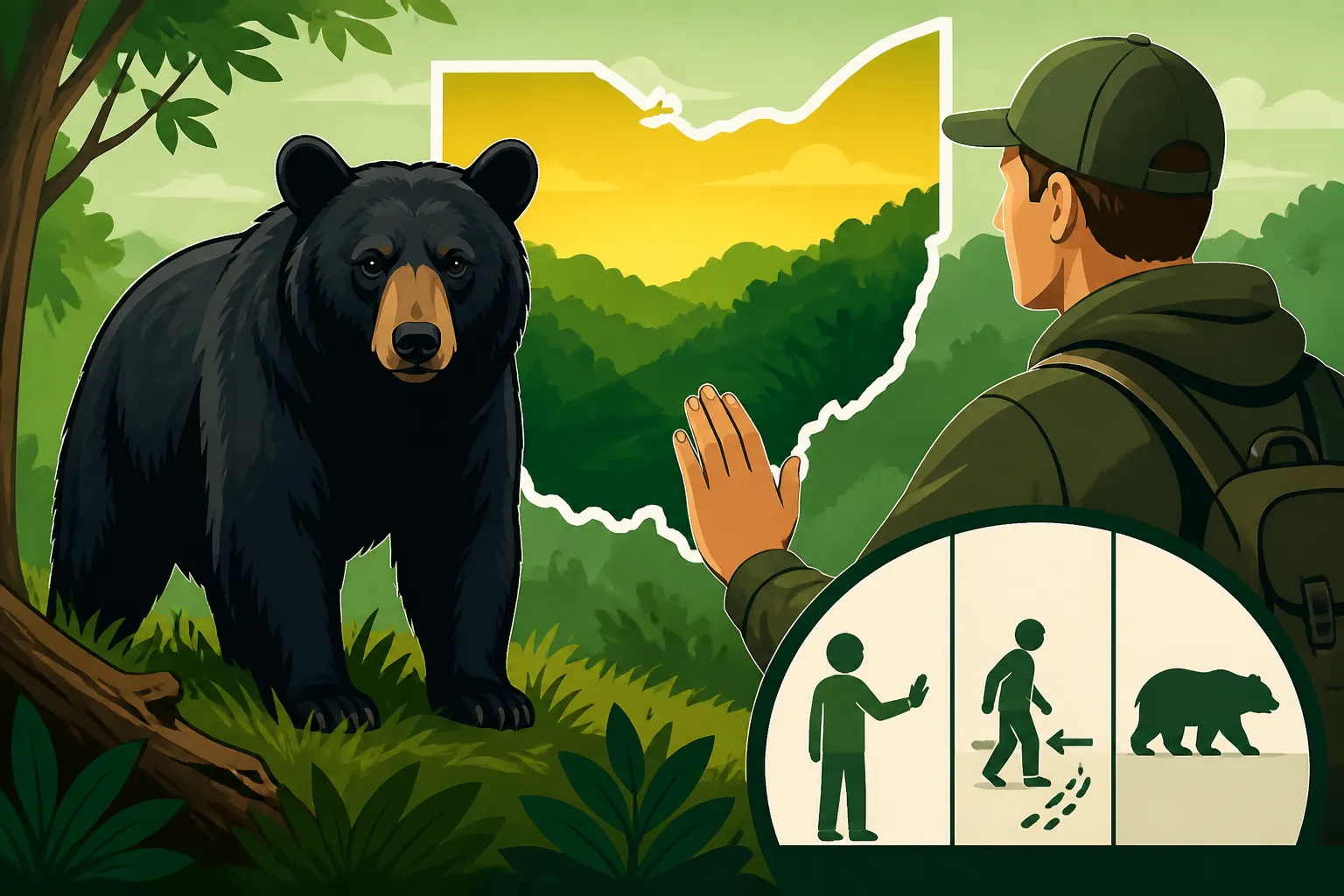
What to Do If You Spot an Ohio Black Bear
It's an unforgettable moment when you're out enjoying Ohio's beautiful wild spaces and you suddenly realize you're not alone – especially when your companion is a black bear. While many of us grew up thinking bears were a distant, almost mythical presence in our state, their numbers are indeed on the rise, leading to more encounters and, naturally, more questions about what to do. This guide is here to walk you through exactly how to react safely and responsibly when you come face-to-face with one of Ohio's magnificent black bears.
The Reality of Black Bears in Ohio's Wilds
For many years, the idea of seeing a black bear in Ohio felt like something out of a storybook, a relic from a bygone era. Our grandfathers might have talked about them, but for most of our lives, they were just not part of the landscape. However, times have changed dramatically, and these incredible animals are making a comeback. Whether you're chasing longbeards in the spring or still-hunting whitetails in the fall, or just hiking a scenic trail, the possibility of encountering a bear is real, particularly in the eastern and southern parts of the state.
Black bears, despite their sometimes intimidating size, are generally quite shy and prefer to avoid humans. They're naturally curious and are often just passing through an area, looking for food, or exploring new territories. Understanding their natural behavior is the first step in knowing how to react. They aren't inherently aggressive towards people, but like any wild animal, they can be unpredictable if they feel threatened, cornered, or if cubs are present. The key is to remain calm and respect their space, which often means being aware of your surroundings even when you're deeply focused on other things, like reading a ridge for Finding Sign in Big Appalachian Timber.
Where Ohio's Black Bears Are Making a Comeback
You're most likely to encounter a black bear in the heavily forested, less populated regions of eastern and southern Ohio. Counties bordering Pennsylvania, West Virginia, and Kentucky have historically been strongholds or re-entry points for bears wandering in from neighboring states. The extensive woodlands of places like Wayne National Forest, or the vast tracts of land in counties such as Ashtabula, Jefferson, Athens, and Scioto, provide the cover and food sources these animals need to thrive.
The return of black bears is a testament to habitat recovery and conservation efforts, but it also means we, as outdoor enthusiasts, need to adapt our habits and knowledge. It's not just a casual sighting anymore; it's a genuine part of the Ohio outdoor experience. Many hunters, myself included, have had the unexpected thrill of seeing a bear while scouting for deer or turkey, or even just walking through the woods. It's a truly humbling experience, reminding you of the wildness that still exists right here in our backyard. For more insights into their presence, you might want to look at Ohio Black Bear Sighting Reports by Year.
Why Black Bears Are Appearing More Frequently
The increase in sightings isn't just a fluke; it's part of a broader trend of black bear populations expanding across the Northeast and Midwest. Ohio, with its mixture of recovering forest land and abundant food sources, particularly hard mast like acorns and hickory nuts, provides an increasingly hospitable environment. While Ohio has historically had black bears (you can learn more about their past presence in Ohio Bison Before European Settlement), their numbers dwindled significantly with early European settlement and deforestation.
Today, improved forest management, reduced persecution, and the bears' natural ability to disperse and colonize new areas are all contributing factors. Young males, in particular, often venture far from their birth territories in search of new homes and mates, which is why you might see a bear in an unexpected county. It's truly incredible to witness this recovery, even if it requires us to be more vigilant. For serious outdoor adventurers, knowing this helps you understand why you need to be prepared for more than just deer or turkey when you head into the woods.
Immediate Steps During a Bear Encounter
So, you're out in the woods, maybe glassing a distant ridge for deer or setting up for a morning gobbler, and you see it – a black bear. Your heart might leap into your throat, and your first instinct could be to panic or bolt. However, those are often the worst reactions. The most important thing is to stay calm and follow a few simple, yet critical, steps to ensure both your safety and the bear's.
First, identify the situation. Is the bear aware of you? What is it doing? Most encounters are brief, with the bear quickly moving off once it realizes a human is present. But sometimes, they might be curious, or you might have surprised one. Your actions in the next few moments are crucial. Remember, black bears are typically not looking for trouble with humans.
Staying Safe When a Bear Sees You
When a black bear notices you, your immediate goal is to establish that you are a human and not a potential meal or a threat. This might sound counterintuitive, but it's effective.
Here's how to do it:
- Stop, Don't Run: Running can trigger a chase response in many predators, including bears. They're faster than you, especially in the woods. Stand your ground, at least initially.
- Make Yourself Look Large: Raise your arms above your head, spread your jacket, and try to appear as big as possible. The goal is to make the bear realize you're not a small animal it can intimidate.
- Make Noise: Talk in a low, calm voice. Don't scream or make high-pitched noises, as this can sound like prey. Announce your presence clearly: "Hey bear! Get out of here!"
- Back Away Slowly: Once you've established yourself, slowly start to back away, making sure you don't turn your back on the bear. Give it plenty of space to retreat. Avoid sudden movements.
- Never Approach: Even if the bear seems calm or curious, never, ever try to approach it, especially if there are cubs nearby. A sow with cubs is the most protective and potentially dangerous bear.
- Use Bear Spray (if you have it): If a bear continues to approach or acts aggressively, and you carry bear spray, be prepared to use it. Aim for the bear's face. This is a last resort and should only be used in a clear threat situation. It's important to understand the difference between bear spray and personal defense spray; they are not the same.
Think of it like this: you're trying to send a clear message. "I am a big, noisy human, and I am not food, nor am I a threat, but I'm not going to run away." For hunters, especially those using tools like GoHunt to navigate public lands, being prepared for any wildlife encounter is just part of responsible outdoor ethics. Knowing this protocol can make all the difference in a tense situation.
When a Bear Doesn't Notice You
Often, you'll spot a bear before it spots you. This is the ideal scenario, as it gives you the advantage of planning your next move without inciting a direct interaction.
In this situation:
- Remain Quiet and Still: If you're undetected, the best course of action is often to simply observe the bear from a safe distance without disturbing it. Take a moment to appreciate the rare sight.
- Assess the Situation: Is the bear moving towards you or away? Is it engrossed in foraging? Are there cubs present?
- Quietly Retreat: Once you've taken it all in, slowly and quietly back away in the opposite direction the bear is traveling. Put as much distance between you and the bear as possible without making sudden noises or movements that could draw its attention. Use cover if it helps you move silently, but ensure you maintain visibility of the bear's actions.
The goal here is to avoid detection and let the bear continue its natural activities undisturbed. This respects the animal and keeps you safe. It’s always better to avoid an encounter than to have to manage one. This is especially true if you are hunting, as an unexpected bear encounter could easily spook game or even compromise your hunt. While you might be focusing on Hunting Ohio Farmland Deer, awareness of all potential wildlife is key.
Here's a quick summary of responses to different bear behaviors:
| Bear Behavior | Your Immediate Reaction | What Not to Do |
|---|---|---|
| Bear is Undetected | Remain calm, observe, quietly back away, make noise if needed. | Approach, run, make sudden movements. |
| Bear Sees You, Keeps Distance | Stand tall, make noise, slowly back away. | Turn and run, scream, approach the bear. |
| Bear Approaches Calmly | Stand ground, make more noise, wave arms, prepare bear spray. | Run, lie down, play dead (only for grizzly/brown bears). |
| Bear Charges (Bluff Charge) | Stand ground, make maximum noise, use bear spray. | Run, climb a tree (black bears can climb). |
| Bear Attacks (Rare) | Fight back aggressively with anything available. | Play dead. |
Post-Sighting Protocols and Coexistence
You've had an encounter, you're safe, and your heart rate is slowly returning to normal. What now? Your role doesn't end when the bear disappears into the brush. Reporting the sighting and understanding how to coexist with these incredible creatures are important steps for both conservation and public safety. This information helps wildlife biologists monitor bear populations, understand their movements, and identify potential conflict areas.
Reporting Your Sighting to Wildlife Officials
It's highly encouraged to report any black bear sighting to the Ohio Department of Natural Resources (ODNR), Division of Wildlife. This isn't just for curiosity's sake; it's vital for their management strategy. Even if the bear was just passing through and didn't cause any issues, that data point is important.
When you report, be prepared to share as much detail as possible:
- Date and Time: Exactly when you saw the bear.
- Location: Be as precise as possible. GPS coordinates from your phone or a hunting app like GoHunt are extremely helpful. If you can't provide coordinates, give specific landmarks, road names, or even a street address if it was near human habitation.
- Bear Description: Size (cub, juvenile, adult), color (most are black, but some can be brown or cinnamon), distinguishing marks.
- Bear Behavior: What was it doing? Eating, running, just walking, acting aggressively? Was it with cubs?
- Your Actions: How did you react? Did it react to you?
This information allows wildlife officials to track bear movements, identify trends, and educate the public in areas where bears are becoming more common. They can also investigate if there are reports of nuisance behavior developing, helping to address issues before they escalate. You can usually find the contact information for your local ODNR Division of Wildlife office or wildlife officer on the ODNR website. Remember, this is about contributing to a larger understanding of Ohio's wildlife, not about causing problems for the bear. You can also report injured or sick animals, which falls under Reporting a Sick Animal in Ohio.
Understanding Ohio's Bear Management Philosophy
Ohio currently has no open hunting season for black bears, a policy that underscores the state's focus on population recovery and monitoring. Why Ohio Bears Have No Open Season explains some of the reasons behind this. The ODNR's primary goal is to manage conflicts between humans and bears as the population grows, while allowing the species to re-establish a stable presence. This often involves educating the public about coexistence and managing nuisance situations.
It's important to differentiate between a curious bear and a "problem bear." A bear exploring a new area or foraging for natural food is simply being a bear. A "problem bear" might be one that repeatedly raids garbage cans, actively seeks out human food, or shows no fear of people, often as a result of being habituated to human food sources. These situations require careful management by wildlife professionals to protect both the public and the bear. By reporting sightings and following best practices, we all play a part in promoting peaceful coexistence.
Preventing Future Encounters and Coexisting Peacefully
Living with black bears, or simply enjoying the outdoors where they live, means taking proactive steps to minimize human-bear conflicts. Most negative encounters arise when bears become habituated to human food sources, leading them to associate people with easy meals. This is where vigilance and responsibility really come into play.
Whether you're camping, hiking, hunting, or just living in a rural area that borders bear habitat, a few simple rules can greatly reduce the chances of an unwanted interaction. It's about securing attractants and making sure bears remain wary of humans, which is ultimately in their best interest too.
Securing Food and Attractants
This is arguably the most critical step in preventing bear encounters, both in the backcountry and near your home. Bears are incredibly driven by their sense of smell and their need for calories, especially during the fall when they are trying to put on weight for winter.
- Camping and Backpacking: If you're in bear country, never leave food or scented items (like toothpaste, deodorant, or even bug spray) in your tent or accessible on the ground. Use a bear-resistant canister, hang your food in a "bear bag" from a tree limb (at least 10-12 feet high and 4-6 feet from the trunk), or store it in a vehicle. Always cook at least 100 yards from your tent. Be sure to understand the specific Camping Rules on Ohio State Forest Land regarding food storage.
- Home and Yard: If you live in an area where bears are present, secure your garbage in bear-resistant containers or store it in a garage or shed until collection day. Bring pet food indoors, especially at night. Clean your grill thoroughly after each use. Avoid leaving bird feeders out during active bear seasons, as the seeds and suet are high-calorie attractants.
- Hunting Camps: For hunters who set up temporary camps, the same rules apply. Food scraps, cooking odors, and even deer carcasses can attract bears. Manage your waste carefully and keep your camp clean. While you might be focused on Ohio Deer Camp Traditions, bear awareness needs to be part of that tradition now too.
By removing these easy food sources, you teach bears that human areas aren't worth the risk, encouraging them to forage naturally for berries, nuts, insects, and other wild foods. This prevents them from becoming "nuisance bears" and helps keep them wild.
Staying Aware and Making Your Presence Known
Beyond food management, simply being mindful of your surroundings and letting bears know you're there can go a long way.
- Make Noise on Trails: If you're hiking or walking through dense cover, especially alone, make some noise. Talk, sing, or carry a small bell. This gives bears a chance to hear you coming and move away before you surprise them. While you might be focused on tracking deer in Reading Ohio Snow for Fresh Deer Movement, an occasional cough or conversation can prevent an accidental close encounter with a bear.
- Travel in Groups: Bears are generally less likely to approach a group of people than a lone individual.
- Keep Dogs Leashed: An unleashed dog, especially a small one, can harass or provoke a bear, potentially leading the bear to chase the dog back to you. Keeping your dog under control is safer for everyone.
- Pay Attention to Bear Sign: While you're out, keep an eye out for fresh bear scat, claw marks on trees, or overturned rocks and logs (signs of foraging). If you see fresh sign, it means a bear is in the area, and you should be extra vigilant. Using mapping tools like GoHunt or the Ohio HuntFish App can help you scout areas for game, but also for general wildlife activity, including potential bear sign. This adds another layer to your situational awareness, whether you're looking for Where Shawnee State Forest Bucks Bed or just enjoying a hike.
By integrating these practices into your outdoor routine, you're not just protecting yourself, but you're also playing an active role in allowing Ohio's black bear population to thrive as a wild, healthy, and respectful part of our state's natural heritage. These animals are a precious resource, and with a little common sense and preparation, we can all enjoy our shared wild spaces safely.
Disclaimer
This article is for general informational purposes only and does not constitute professional advice. Laws, prices and regulations vary by location and change over time. Consult a qualified professional for guidance on your specific situation.