How River Otters Returned to Ohio
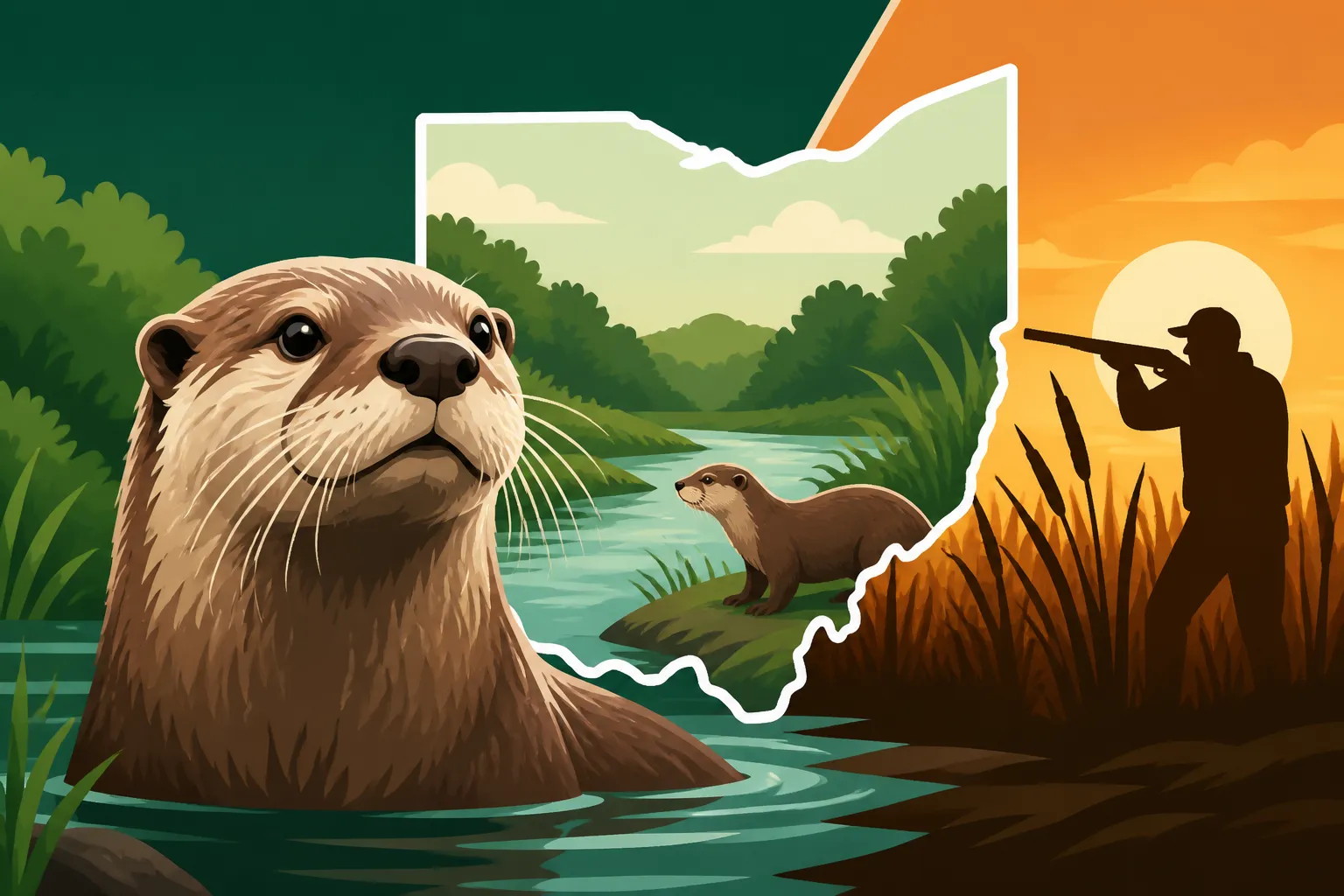
It's hard to imagine our Ohio waterways without the playful splash of a river otter, but there was a time, not so long ago, when these charismatic creatures had vanished from our landscape. For generations, the sight of an otter diving into an Appalachian stream or gliding across a central Ohio river was nothing more than a historical footnote, a story told by grandparents about a wilder Ohio. This guide will take a deep dive into the incredible journey of how river otters, once extirpated from our state, made their triumphant return, becoming a beacon of hope for wildlife conservation in Ohio.
The Long Goodbye: How River Otters Vanished from Ohio
Before European settlement, river otters were abundant throughout Ohio, thriving in the state's intricate network of rivers, streams, and wetlands. They were a vital part of the aquatic ecosystem, their presence indicating healthy water quality and a robust prey base. But as Ohio’s landscape began to transform, so too did the fate of these furbearers. Their disappearance wasn't a sudden event, but rather a gradual decline driven by a perfect storm of environmental changes and unchecked human activity.
Habitat Destruction and Degradation
One of the primary drivers of the otter's decline was the widespread alteration of their natural habitat. As settlers moved into Ohio, vast tracts of forest were cleared for agriculture, leading to increased soil erosion and sedimentation in rivers and streams. Wetlands, which serve as crucial otter habitat for denning, foraging, and raising young, were drained and converted for farming or development. These changes directly impacted the otters' ability to find food, shelter, and safe breeding grounds. Imagine a river that once had clear, clean water, abundant fish, and shaded banks dotted with burrows. Now picture that same river, muddy with runoff, its banks stripped bare, and its fish populations decimated by pollution. It becomes obvious why otters, requiring specific conditions to thrive, simply couldn't make a living there anymore.
The sheer scale of this habitat loss was staggering. What were once pristine, connected waterways became fragmented and degraded. Many smaller streams and tributaries, essential travel corridors for otters, were channelized or filled in, further isolating remaining populations. Without sufficient healthy habitat, even if other pressures were removed, the otters would have struggled to sustain themselves. They are highly dependent on diverse riparian zones that provide cover from predators, stable den sites, and ample food sources like fish, crayfish, and amphibians. When these critical elements are removed or severely compromised, a species like the river otter faces an uphill battle for survival.
Unregulated Trapping and Hunting Pressure
Another significant factor in the river otter's decline was intense and unregulated trapping and hunting. Otter pelts were highly prized for their durability and luxurious feel, fueling a robust fur trade that began in the early days of Ohio’s statehood and continued for decades. Unlike today, there were no bag limits, no seasons, and no strict regulations on how many animals could be taken. Trappers, responding to market demand, efficiently harvested otters from every corner of the state where they could be found. This relentless pressure, combined with their relatively slow reproductive rate, made otters particularly vulnerable.
The lack of any conservation foresight meant that otter populations were continually hammered without a chance to recover. It wasn't until the early 20th century that some states began to recognize the devastating impact of unregulated fur harvest on furbearer populations. For Ohio's river otters, however, it was too late. By the early 1900s, confirmed sightings became increasingly rare, and by the 1920s, the species was officially considered extirpated from Ohio—completely gone from the wild within its borders. This loss was a stark reminder of how quickly human activities, when unchecked, can erase a species from an entire region.
Water Pollution and Declining Prey Bases
Beyond habitat loss and direct harvest, pollution also played a critical, insidious role in the otter's demise. As Ohio industrialized and its population grew, rivers and streams became dumping grounds for industrial waste, agricultural runoff, and untreated sewage. Otters, being apex predators in aquatic environments, are highly susceptible to bioaccumulation of toxins. Persistent pollutants like heavy metals, PCBs, and pesticides would accumulate in the fish and other prey they consumed, eventually leading to sickness, reproductive failure, and death in the otter population.
The decline in water quality also had a cascading effect on their food supply. Many fish species, particularly sensitive ones, could not tolerate the polluted conditions, leading to significant reductions in the otter's primary diet. Without a healthy and abundant food source, even otters that managed to escape direct trapping pressure or find marginal habitat would have struggled to survive and reproduce. It's a classic ecological domino effect: disrupt one part of the system, and the effects ripple through, impacting all species, especially those at the top of the food chain. The combined impact of these factors created an environment where the river otter simply couldn't sustain itself, leading to their complete disappearance from Ohio's waterways.
A Second Chance: The Ohio River Otter Reintroduction Program
The story of the river otter's return to Ohio is a testament to dedicated conservation efforts and a remarkable example of successful wildlife reintroduction. By the mid-20th century, as environmental awareness grew and water quality began to improve in some areas, wildlife biologists started to consider the possibility of bringing these captivating creatures back. It was a daunting task, but one filled with hope for restoring a missing piece of Ohio's natural heritage.
Planning and Sourcing the Otters
The Ohio Department of Natural Resources (ODNR) began laying the groundwork for a reintroduction program in the late 1980s. This wasn't a project to be taken lightly; it required extensive research, careful planning, and significant resources. Biologists first had to identify suitable release sites that offered not only good water quality but also abundant prey, sufficient denning sites, and minimal human disturbance. They looked for areas with healthy river systems and connected wetlands, primarily focusing on the eastern and southeastern parts of the state, where habitat was recovering and seemed most promising. For anyone interested in the broader picture of wildlife management in Ohio, studying how these decisions are made can be insightful, much like understanding the factors that determine Ohio's Chronic Wasting Disease Surveillance Area or Ohio's New Waterfowl Zone Map.
Once sites were identified, the next crucial step was finding healthy source populations of otters. Ohio partnered with states that had robust otter numbers, specifically Arkansas and Louisiana, which generously provided otters for the program. Between 1986 and 1993, a total of 274 river otters were trapped in these southern states and carefully transported to Ohio. Each otter underwent a health check, was tagged for identification, and then released into selected waterways. This interstate collaboration was critical, as it ensured that the reintroduced otters were genetically diverse and healthy, giving them the best possible chance of establishing viable populations in their new homes.
Release Sites and Initial Successes
The reintroduction efforts focused on several key watersheds across eastern and southeastern Ohio, chosen for their improving habitat and reduced pollution levels. Notable release sites included areas within the Grand River, Little Muskingum River, and Stillwater Creek watersheds. These locations were carefully selected because they offered a mix of deep pools, riffles, undercut banks, and wooded riparian zones, providing ideal conditions for otters to establish territories and reproduce. The idea was to create several foundational populations that could then expand and connect across the landscape.
The initial years after the releases were a period of cautious optimism. Biologists closely monitored the tagged otters, tracking their movements and looking for signs of reproduction. It wasn't long before positive news started to emerge. Otters were observed settling into their new habitats, and, most excitingly, evidence of successful breeding was found. Small litters of otter pups, a clear indication of a self-sustaining population, were being born in Ohio streams once again. This early success was a huge morale booster for everyone involved in the program, signaling that the years of planning and effort were paying off. It showed that with dedicated conservation, even a species driven to extirpation could make a remarkable comeback.
Ohio's Otters Today: Signs of a Thriving Comeback
Today, the river otter's presence in Ohio is a remarkable conservation success story. From being completely absent, these playful furbearers have not only re-established themselves but are now thriving in many parts of the state. This comeback is a powerful example of what can be achieved when scientific management and public support align.
Current Population Status and Range
The river otter reintroduction program has been so successful that the species is now found in all 88 counties of Ohio. While their populations are densest in the eastern and southeastern regions—the initial release areas that offered the most favorable habitat—sightings are common even in the more developed parts of central and northern Ohio, particularly along larger rivers and their tributaries. Surveys and incidental observations indicate a robust and growing population, far exceeding the expectations of many when the program first began. This widespread distribution underscores the health of Ohio's waterways and the resilience of these adaptable creatures.
This incredible expansion highlights the interconnectedness of our aquatic ecosystems. As water quality has continued to improve in many areas, and new habitat protection measures have been implemented, otters have been able to disperse and colonize new territories. Their presence is a natural indicator of environmental health; if otters are doing well, it suggests that the fish, amphibians, and invertebrates they rely on are also present and thriving. It's truly inspiring to see how a concerted effort can transform the ecological landscape and bring back a species that was once thought lost forever.
Ecological Impact and Benefits
The return of river otters brings significant ecological benefits to Ohio's aquatic ecosystems. As top predators, otters play a crucial role in maintaining the balance of their environment. They help control fish populations, particularly slower-moving or diseased individuals, which can improve the overall health and vigor of fish stocks. Their foraging activities, which often involve digging in streambeds for crayfish or disturbing vegetation, can also create microhabitats for other aquatic species, enriching biodiversity.
Beyond their direct predatory role, otters are also an excellent indicator species. A healthy, reproducing otter population signals that the surrounding aquatic environment is relatively clean and productive. This means good water quality, ample food sources, and suitable riparian habitat are all in place. Their comeback reinforces the importance of ongoing conservation efforts, like wetland restoration and pollution reduction, which benefit not just otters but countless other species, from muskrats and mink to various bird species. Understanding how different species interact, and the ripple effect of reintroduction, is key to managing our state's wildlife effectively, similar to how biologists analyze Ohio Deer Population Estimate or Ohio Turkey Population Trends.
Challenges and Ongoing Conservation
While the river otter's return is a celebrated success, it doesn't mean their future is without challenges. Habitat fragmentation, though lessened, still exists in some areas, making it harder for populations to expand and connect. Road mortality is also a concern, as otters often cross roads when moving between waterways or during dispersal phases. Water quality, while improved, remains a continuous battle against agricultural runoff, urban stormwater, and the potential for new industrial pollutants.
The ODNR continues to monitor otter populations and habitat, ensuring that conservation efforts remain effective. Protecting riparian corridors, advocating for clean water policies, and educating the public about the importance of these furbearers are ongoing priorities. Furthermore, understanding other furbearers in Ohio, such as the Raccoons and Ohio Furbearers or Coyotes and Predators in Ohio, helps inform broader wildlife management strategies. The continued health of Ohio's otter population depends on sustained vigilance and a commitment to preserving and enhancing their aquatic homes for generations to come.
Coexisting with Ohio's River Otters: What Hunters and Outdoor Enthusiasts Can Do
The successful reintroduction of river otters is a source of pride for Ohioans, and ensuring their continued flourishing requires understanding, respect, and ongoing conservation efforts from all outdoor enthusiasts, including hunters. While otters are not a game species in Ohio, their presence is a positive sign for the overall health of the ecosystems that hunters also rely upon for deer, turkey, and waterfowl.
Respecting Their Space and Reporting Sightings
One of the most important things outdoor enthusiasts can do is simply respect the space of river otters. If you're out scouting for deer, setting up a Treestand Setups in Appalachian Ohio Hardwoods, or hunting waterfowl in the Hunting Lake Erie Marsh Zone Waterfowl, and you encounter an otter, observe it from a distance. Do not approach or disturb den sites, especially during the spring when pups might be present. Otters are generally shy and will avoid human contact, but like any wild animal, they can be unpredictable if cornered or if their young are perceived to be threatened.
Reporting otter sightings to the ODNR can also be incredibly valuable. While the population is robust, continued data collection helps biologists track their dispersal, identify new areas of colonization, and monitor for any potential issues. If you happen to be on public land or even private property with permission, remember that observing and reporting wildlife contributes to a larger understanding of the state's ecological health. You don't need fancy tools or extensive training; a simple note of date, time, and location can be very helpful for biologists managing Ohio River Otter Recovery. This kind of citizen science helps paint a more complete picture of our wildlife.
Supporting Habitat Protection and Clean Water Initiatives
For hunters and all outdoor enthusiasts, protecting and enhancing aquatic habitats is paramount for the long-term success of river otters and countless other species. Otters need clean water, healthy riparian zones, and diverse prey bases. This means supporting local and statewide initiatives aimed at reducing water pollution, preventing soil erosion, and restoring wetlands. Whether it's advocating for responsible agricultural practices, participating in stream cleanups, or supporting conservation organizations, every effort makes a difference.
Consider the ripple effect: a cleaner stream benefits not only otters but also the fish they eat, the insects the fish eat, and the larger animals that drink from that water. Healthy wetlands provide crucial breeding and foraging grounds for ducks and geese, which are popular game species in Ohio, and also filter water before it enters larger rivers. By prioritizing clean water and intact habitat, we're not just helping otters; we're investing in the overall health of Ohio's natural resources, which directly impacts the quality of our hunting and outdoor experiences. Understanding habitat is key to all forms of hunting, from Squirrel Hunting Ohio Hardwoods to Hunting Northwest Ohio Farmland Deer, and it directly correlates to the health of our furbearer populations.
Engaging in Responsible Land Use and Education
Finally, responsible land use and educating others about river otters are critical components of their ongoing conservation. If you own land near a waterway, consider planting native vegetation along the banks to create a buffer zone, reduce erosion, and provide habitat. Minimizing chemical runoff from your property can also directly benefit aquatic ecosystems. For those who hunt or spend time on public lands like Wayne National Forest Hunting or Shawnee State Forest Hunting, understanding and adhering to all regulations helps maintain these areas for all wildlife.
Educating children and other newcomers to the outdoors about the river otter's incredible comeback story can foster a deep appreciation for wildlife and conservation. Sharing information about why otters disappeared and how they returned emphasizes the power of collective action. By serving as stewards of the land and water, and by being informed advocates, hunters and outdoor enthusiasts play a vital role in ensuring that the playful splashes of river otters remain a permanent fixture in Ohio's wild places. Their return isn't just a biological success; it's a cultural one, reminding us of the wild beauty we share.
Here's a quick look at the journey of Ohio's river otters:
| Phase | Time Period | Key Factors | Otter Status |
|---|---|---|---|
| Native Abundance | Pre-1800s | Pristine habitat, abundant prey, no human pressure | Widespread, common |
| Rapid Decline | 1800s – early 1900s | Habitat destruction, unregulated fur trade, pollution | Declining rapidly |
| Extirpation | 1920s | Habitat fragmented, prey scarce, continued pressure | Absent from Ohio |
| Reintroduction Prep | 1980s | Habitat assessment, source identification, planning | Extirpated |
| Active Reintroduction | 1986 – 1993 | 274 otters released from AR & LA into OH watersheds | Establishing |
| Recovery & Expansion | 1990s – Present | Improved water quality, habitat protection, breeding | Thriving, widespread |
Disclaimer
This article is for general informational purposes only and does not constitute professional advice. Laws, prices and regulations vary by location and change over time. Consult a qualified professional for guidance on your specific situation.