Why Wild Pheasants Faded From Ohio
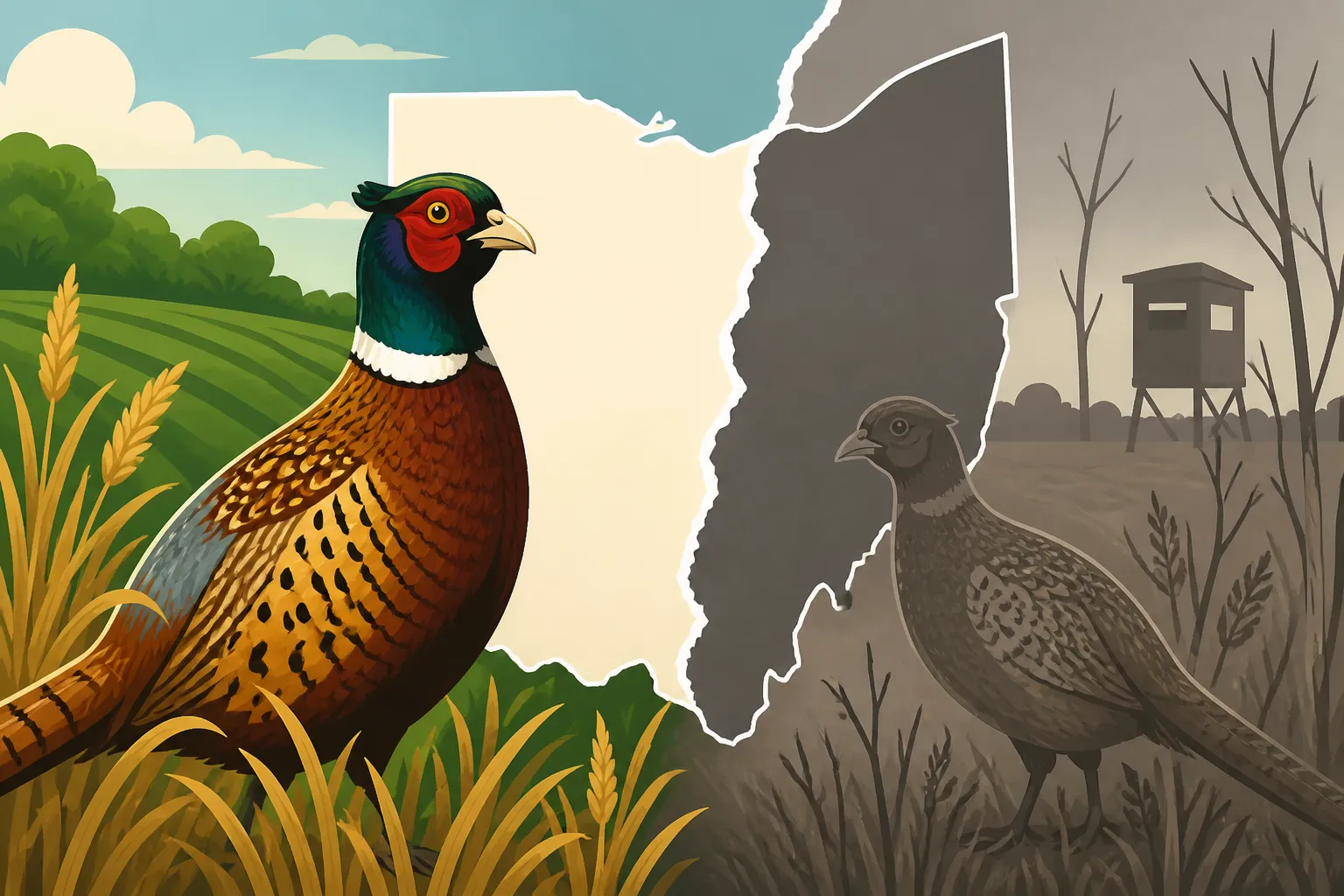
For many of us who grew up hearing stories from our grandparents or even our parents, the thought of wild pheasants bursting from a fencerow across Ohio farmlands is a cherished, almost mythical image. Today, the reality is starkly different. The vibrant, noisy flushes that once characterized autumn days in much of the state are, for the most part, gone, replaced by quiet fields. This guide dives deep into understanding the complex web of reasons why wild pheasants, once so abundant, have largely faded from the Ohio landscape, and what that means for hunters and conservationists alike.
The Golden Age of Ohio Pheasants
It’s hard to imagine now, but there was a time when wild ring-necked pheasants were truly king of the Ohio farmlands. Introduced from Asia in the late 1800s and early 1900s, these hardy, colorful birds found a veritable paradise in the patchwork agricultural landscapes of the early to mid-20th century. Ohio wasn't just a place where pheasants could live; it was a place where they thrived, their numbers exploding to provide incredible hunting opportunities for generations.
Back then, Ohio's agricultural landscape was far different from the vast, clean fields we see today. Farms were smaller, more diverse, and less intensively managed. Imagine a mosaic of small grain fields, hay meadows, pastures, and unkempt fencerows that provided everything a pheasant needed: food, cover, and nesting sites, all within easy reach. These conditions created the perfect storm for a booming wild pheasant population, making Ohio a premier destination for upland bird hunters.
A Look Back at Abundance
During this heyday, particularly from the 1940s through the 1960s, pheasants were considered so numerous in many counties that they were almost taken for granted. Hunters could expect to walk out into a good patch of cover – perhaps a cornfield bordered by a thick hedgerow or an ungrazed pasture – and reliably flush birds. The sound of a cackling rooster exploding from cover was a common soundtrack to autumn in much of the state, especially in the fertile agricultural belt of western and central Ohio.
These birds didn't need to be stocked; they were reproducing naturally and in prodigious numbers. The sheer density meant that even with significant hunting pressure, the populations remained robust. It wasn't just about hunting; seeing these iridescent birds along rural roadsides or hearing their distinctive calls was simply a part of the Ohio countryside experience. They were an integral part of the ecosystem, a testament to the landscape’s ability to support diverse wildlife.
Farming Practices That Supported Birds
The farming practices of that era inadvertently created ideal pheasant habitat. Crop rotations often included small grains like oats and wheat, which provided excellent nesting cover in the spring and early summer. Hayfields, often cut later in the season, also served as crucial nesting grounds, even if some nests were lost during harvest. Crucially, these smaller fields were often bordered by wide, brushy fencerows, ungrazed pastures, and even small woodlots, creating a rich tapestry of escape and winter cover.
Farms also had much more "waste ground" or idle acres compared to today. Think about those corners of fields that were too wet to plant, or odd-shaped plots that weren't efficient for large machinery. These areas, along with fallow fields left to rest, quickly grew up in weeds and grasses, becoming sanctuaries for pheasants and other small game. This diverse habitat, with its abundance of insect life for chicks and protective cover, was the backbone of Ohio's wild pheasant success story. Ohio Rabbit Hunting Thick Ohio Fencerows is another great read on how these linear habitats were crucial.
Habitat Loss: The Primary Culprit
If you talk to any long-time Ohio hunter or conservationist about the decline of wild pheasants, habitat loss will invariably be the first thing mentioned. It’s not just a contributing factor; it’s the overwhelmingly dominant reason. The landscape transformation that began in earnest in the latter half of the 20th century irrevocably altered the very foundation upon which pheasants depended.
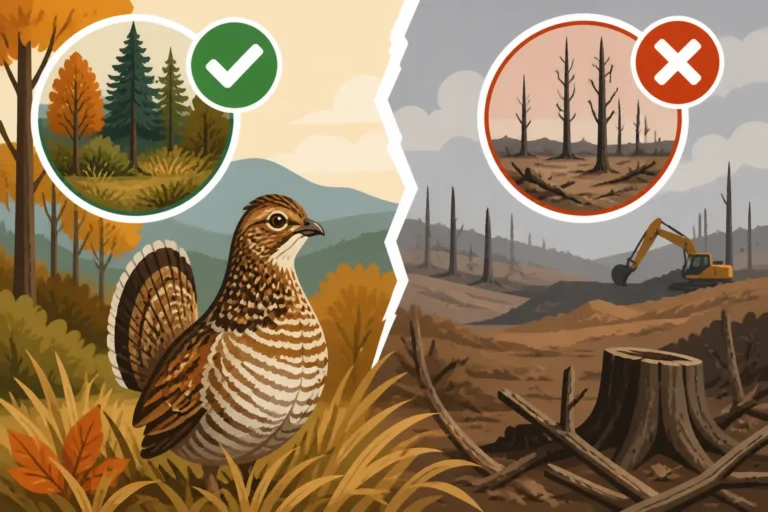
Imagine taking all the varied, interconnected pieces of a pheasant's home and slowly, piece by piece, removing them. That’s what happened across much of Ohio. The diverse agricultural tapestry began to unravel, replaced by a more uniform, intensive farming model driven by economic pressures and technological advancements. What once supported an abundance of ground-nesting birds became less and less hospitable.
From Diverse Fields to Monoculture
The shift to large-scale, industrial agriculture truly spelled doom for wild pheasant populations. Farms began specializing, often focusing almost exclusively on corn and soybeans, sometimes wheat, but rarely the diverse mix of crops that once characterized Ohio agriculture. These row crops, while productive for human food and feed, offer very little in the way of nesting cover or reliable winter refuge for pheasants.
Furthermore, fields grew exponentially larger. Small, irregular parcels were consolidated into vast tracts, often requiring the removal of fencerows, ditches, and other "obstructions" to accommodate massive machinery. This homogenization of the landscape meant fewer edges, fewer places for birds to hide, and a dramatically reduced variety of food sources throughout the year. The year-round security pheasants needed simply wasn't there anymore.
Urban Sprawl and Fragmentation
Beyond changes in farming, the outward creep of urban and suburban development also played a significant role, particularly in counties bordering major cities. As populations grew and infrastructure expanded, former farmland, woodlots, and open spaces were converted into housing developments, shopping centers, and roadways. This isn't just about the direct loss of acres; it's also about fragmentation.
When prime pheasant habitat is broken up into smaller, isolated pockets, it becomes much harder for populations to sustain themselves. Birds can't easily move between areas for food, cover, or breeding, increasing their vulnerability to predators and limiting genetic exchange. These isolated patches, often surrounded by human activity, simply can't support the robust, self-sustaining populations that larger, contiguous habitats once did. The same pattern has contributed to Habitat Loss Behind Ohio's Grouse Decline in other parts of the state.
Modern Agricultural Practices and Their Impact
Even on the agricultural land that remains, the methods employed have changed drastically, further exacerbating the habitat loss issue for pheasants. Modern farming prioritizes efficiency and yield, which often comes at the expense of wildlife habitat. These practices, while economically necessary for many farmers, create an environment that is increasingly hostile to the specific needs of wild pheasants.
It's a complex dance between food production and wildlife conservation, and unfortunately for the pheasant, the rhythm of modern agriculture leaves little room for their survival. The clean lines, the intensive input, and the removal of "waste" areas all contribute to a landscape that offers very few lifelines to these once-thriving game birds.
Clean Farming and Chemical Use
The push for "clean farming" means leaving very little behind. Crop stubble is often tilled under immediately after harvest, removing crucial winter cover and food sources. Weeds, once a source of seeds and insect protein for pheasant chicks, are now aggressively managed with herbicides, leaving bare ground or monocultures with no food diversity. This leaves pheasants with nowhere to go when snow falls and temperatures drop.
Pesticide use, while essential for crop protection, also has an indirect impact on pheasant chicks. Young pheasants rely heavily on insects for protein in their first few weeks of life. A landscape devoid of a diverse insect population due to widespread pesticide application makes it incredibly difficult for chicks to find the nutrition they need to survive and grow. This lack of insect forage during critical growth stages means fewer chicks make it to adulthood.
The Disappearance of Edge Cover
Perhaps one of the most visible changes is the dramatic reduction in what we call "edge cover." Where once there were wide, brushy fencerows, thick ditches, and uncultivated buffer strips along streams, now we often see fence-to-fence cultivation or tightly mowed edges. These linear habitats were absolutely vital for pheasants, providing travel corridors, escape cover, and additional nesting sites.
The loss of these edges means birds are exposed for longer periods, whether trying to find food or move between fields. They also lose critical thermal cover, which is essential for surviving harsh Ohio winters. Without those protected areas to escape to, pheasants are much more vulnerable to predators and the elements. Farmers, trying to maximize every inch of tillable ground and make their operations more efficient, often see these edges as unproductive space, leading to their widespread removal. This trend is keenly felt by hunters pursuing other small game as well, as highlighted in Rabbit Hunting Ohio Fencerows.
Other Contributing Factors
While habitat loss is the undeniable heavyweight champion of pheasant decline, it's not the only factor at play. Other elements, often intertwined with habitat changes, have also chipped away at wild pheasant populations, making recovery even more challenging. It's a cumulative effect, where multiple stressors combine to push a species to the brink in a given area.
Understanding these secondary factors is important because it provides a more complete picture of the challenges facing pheasants and other ground-nesting birds. It also helps conservationists design more holistic strategies that address various pressures on wildlife.
Increased Predation Pressure
In fragmented landscapes, where pheasants are concentrated in smaller, less secure pockets of habitat, they become much easier targets for predators. Coyotes, foxes, raccoons, opossums, and even domestic cats have an easier time locating nests and adult birds when cover is sparse and disconnected. While these predators are a natural part of the ecosystem, their impact can be magnified when prey species are stressed and exposed.
A lack of secure nesting cover is particularly devastating. If nests are easily found by predators, then fewer chicks hatch, and the population's ability to reproduce is severely hampered. Even if adult birds survive, repeated nest failures mean no new birds are being added to the population, leading to a slow, steady decline.
Weather Extremes and Nesting Success
Pheasants are surprisingly resilient, but extreme weather events can deliver significant blows to nesting success and chick survival. Prolonged periods of cold, wet weather during the spring nesting and hatching period can lead to high chick mortality. Young pheasant chicks are particularly susceptible to hypothermia in damp conditions. A late spring snowstorm, while rare, can also destroy early nests.
Conversely, severe drought conditions can also reduce insect populations, making it harder for chicks to find food, and can degrade available cover. The timing and intensity of weather events play a crucial role, and as Ohio experiences more unpredictable weather patterns, wild pheasant populations face additional hurdles in successfully raising their broods. This ties into broader discussions about Ohio Turkey Brood Survey Results and other ground-nesting birds.
Genetic Dilution and Stocking Programs
For decades, Ohio has engaged in pheasant stocking programs to provide hunting opportunities, as natural reproduction has become insufficient. While these "put-and-take" programs are valuable for hunters seeking an upland experience, there's a debate among wildlife biologists about the potential impact on remaining wild birds. Some argue that pen-raised birds, which are less wary and often genetically different from wild strains, can dilute the gene pool of wild populations if they interbreed.
The argument is that these pen-raised birds may pass on traits that are less suited for survival in the wild, such as reduced predator avoidance or poor foraging skills. While the primary goal of stocking is hunter opportunity, it's an important consideration when evaluating the long-term viability of true wild populations, which are now incredibly scarce outside of heavily managed private lands or specific conservation efforts. For more on this, see Ohio Pheasant Stocking Locations.
What's Being Done and How Hunters Can Help
Despite the challenging reality, there is still hope for pheasants in Ohio, even if the vision of widespread wild populations may never return to its former glory. Dedicated conservationists, landowners, and hunters are working to restore and protect crucial habitats, providing glimmers of hope for these iconic birds. It's a long, uphill battle, but every effort to create and maintain suitable habitat makes a difference.
As hunters, we have a vital role to play, not just in enjoying the outdoors but in actively contributing to its health. Understanding the issues is the first step; taking action, whether big or small, is what truly makes a difference for the future of upland hunting in Ohio. Ohio Small Game and Upland Bird Seasons outlines the ongoing opportunities, many of which rely on these efforts.
Conservation Efforts and CRP Programs
One of the most impactful conservation programs for pheasants and other grassland birds has been the Conservation Reserve Program (CRP). This federal initiative pays farmers to take environmentally sensitive land out of production and plant it with species that improve environmental quality and provide habitat. CRP fields, typically planted with dense grasses and wildflowers, offer excellent nesting cover, brood-rearing habitat, and winter protection.
Ohio also has various state and local programs, often administered through the Ohio Department of Natural Resources (ODNR) and local Soil and Water Conservation Districts, that encourage habitat creation. These programs provide technical and sometimes financial assistance to landowners willing to plant native grasses, establish pollinator habitats, or restore wetlands. Organizations like Pheasants Forever and Quail Forever also play a huge role, working directly with landowners to implement habitat projects.
Supporting Habitat on Private and Public Land
Hunters can be powerful advocates for habitat. On a personal level, if you own land, consider implementing habitat improvements like planting native warm-season grasses, leaving un-mowed buffer strips, or creating brush piles for cover. Even small efforts can have a cumulative impact. If you don't own land, support organizations like Pheasants Forever, which use membership fees and donations to fund on-the-ground habitat projects across Ohio. GoHunt, with its mapping tools and public land overlays, can also help identify areas that might benefit from or already contain these types of habitat improvements.
Engage with local farmers and landowners. Offer to help plant habitat, or simply express your appreciation for those who are already dedicating ground to conservation. On public lands, which provide crucial access for many hunters, respect the regulations regarding habitat, and consider volunteering for habitat workdays if opportunities arise. Every acre of restored grassland, every fencerow allowed to grow wild, is a step towards a healthier ecosystem for pheasants and countless other species. Hunting Ohio Farmland Deer often involves appreciating similar habitat pockets.
The Role of Stocking for Opportunity
While the dream of widespread wild pheasants across Ohio may be a distant memory, stocking programs remain a critical component of providing hunting opportunities. The ODNR regularly releases pen-raised pheasants on various public hunting areas throughout the fall season, offering a chance for hunters to experience the thrill of flushing and bagging these magnificent birds. These "put-and-take" hunts are designed to supplement natural populations and ensure that Ohio hunters, particularly those without access to private land or managed preserves, can still enjoy pheasant hunting.
It's important to understand that these birds are largely for immediate harvest and are not typically expected to establish self-sustaining wild populations. However, for many, it's their only chance to chase pheasants, allowing them to introduce new hunters to the sport and keep the tradition alive. Hunters participating in these programs can find more information on Ohio Pheasant Season and Stocking to plan their trips effectively.
| Aspect | Mid-20th Century Ohio | Modern Ohio Farmland | Impact on Pheasants |
|---|---|---|---|
| Farm Size | Small, diverse | Large, consolidated | Reduced habitat diversity, less edge cover. |
| Crop Diversity | High (grains, hay) | Low (corn, soybeans) | Limited nesting cover, fewer varied food sources. |
| Edge Habitat | Abundant (fencerows) | Scarce (clean farming) | Loss of travel corridors, escape cover, and winter refuge. |
| Idle Ground | Common | Rare | Fewer sanctuaries for nesting and protection. |
| Chemical Use | Minimal | Extensive | Reduced insect populations for chick survival, weed control. |
| Predation Pressure | Balanced | Increased (fragmented) | Higher vulnerability of nests and adult birds. |
| Nesting Cover | Plentiful, secure | Sparse, exposed | Poor reproductive success, high nest mortality. |
This shift has created a very different world for pheasants, making it clear why wild populations have struggled so immensely.
Disclaimer
This article is for general informational purposes only and does not constitute professional advice. Laws, prices and regulations vary by location and change over time. Consult a qualified professional for guidance on your specific situation.