Ohio Pheasant Stocking Locations
It's incredibly frustrating when you yearn for that classic pheasant flush, the cackle of a ringneck bursting from cover, only to realize that Ohio's wild pheasant populations just aren't what they used to be. For many of us, chasing pheasants means hitting up the areas where the Ohio Department of Natural Resources (ODNR) actively stocks birds, ensuring there's still a chance to experience this iconic hunt. This guide will walk you through where these pheasant stocking locations are, what to expect, and how to maximize your hunting efforts on these managed lands.
Why Ohio Stocks Pheasants for Hunters
For decades, the vibrant cackle of a wild ring-necked pheasant was a common sound across much of Ohio's rural landscape. Sadly, those days are largely behind us. The biggest reason for this decline, and why stocking programs are so vital, boils down to habitat loss. As agricultural practices intensified and fencerows, small woodlots, and native grasslands disappeared, so did the places pheasants needed to nest, raise their broods, and find winter cover. Without this diverse habitat, wild populations simply can't sustain themselves.
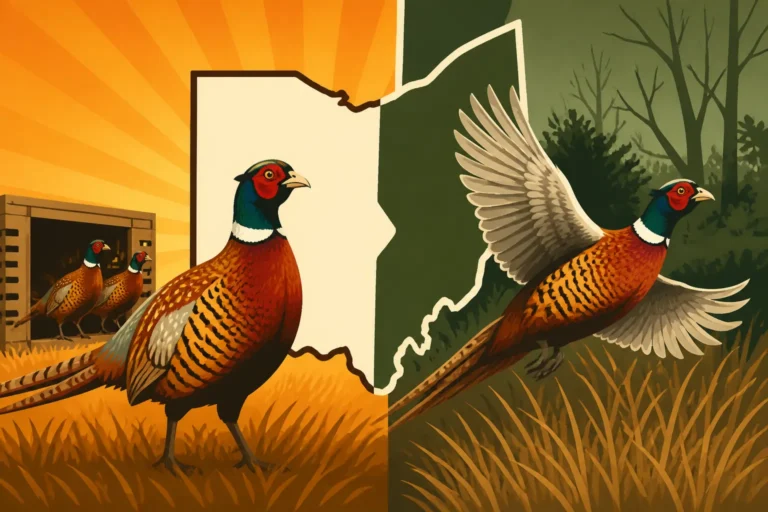
The ODNR's pheasant stocking program isn't about re-establishing wild birds, at least not directly. Instead, it's a "put-and-take" system designed to provide hunting opportunities where they otherwise wouldn't exist. It's a way to keep the tradition alive, offering hunters a chance to chase these beautiful game birds even in areas where natural breeding success is minimal. These programs ensure that, despite the challenges facing wild pheasants, Ohio hunters can still enjoy the thrill of a pheasant hunt. It's a crucial effort to maintain engagement in upland hunting and support conservation through license sales, even if it's not the same as hunting truly wild birds.
The Decline of Wild Pheasants in Ohio
It's a bittersweet reality that the Ohio we grew up in, or perhaps heard stories about, was once flush with wild pheasants. But modern farming has fundamentally changed the landscape. Monoculture farming, where vast fields are planted with a single crop like corn or soybeans, offers little in the way of nesting cover or diverse food sources throughout the year. Herbicides and pesticides also impact insect populations, which are a critical food source for pheasant chicks. Beyond agriculture, suburban sprawl and industrial development have further eaten away at the fragmented pockets of habitat that remained.
This loss isn't unique to pheasants; Ohio's Declining Ruffed Grouse Range tells a similar, disheartening story for another beloved upland bird. When you lose the dense, protective cover of tall grasses, shrubs, and brushy fencerows, pheasants become incredibly vulnerable to predators, harsh winter weather, and simply can't find enough food to thrive. The remaining wild birds are often found in highly localized, undisturbed areas, far from the pressures of intensive land use. This makes them incredibly hard to find, even for the most dedicated upland hunters.
The Purpose of Stocking Programs
Given the uphill battle for wild pheasants, stocking programs serve as a lifeline for upland hunting enthusiasts. The primary goal is straightforward: to provide readily available birds for hunters during specific seasons. It creates a managed hunting experience, where the thrill of the chase and the opportunity to put a few pheasants in the vest is a direct result of human intervention rather than natural reproduction. This "put-and-take" model means the birds are released, hunted, and generally not expected to establish self-sustaining populations.
These programs are vital for maintaining interest in upland hunting, especially for new hunters or those who don't have access to prime wild bird habitat in other states. They offer a more predictable experience compared to the often-disappointing search for wild pheasants in Ohio. By providing these opportunities, the ODNR helps fund other conservation efforts through the sale of hunting licenses and permits, creating a positive feedback loop for wildlife management across the state. It's not a perfect solution for the ecosystem, but it's a practical one for the hunting community.
Prime Public Land Pheasant Stocking Locations
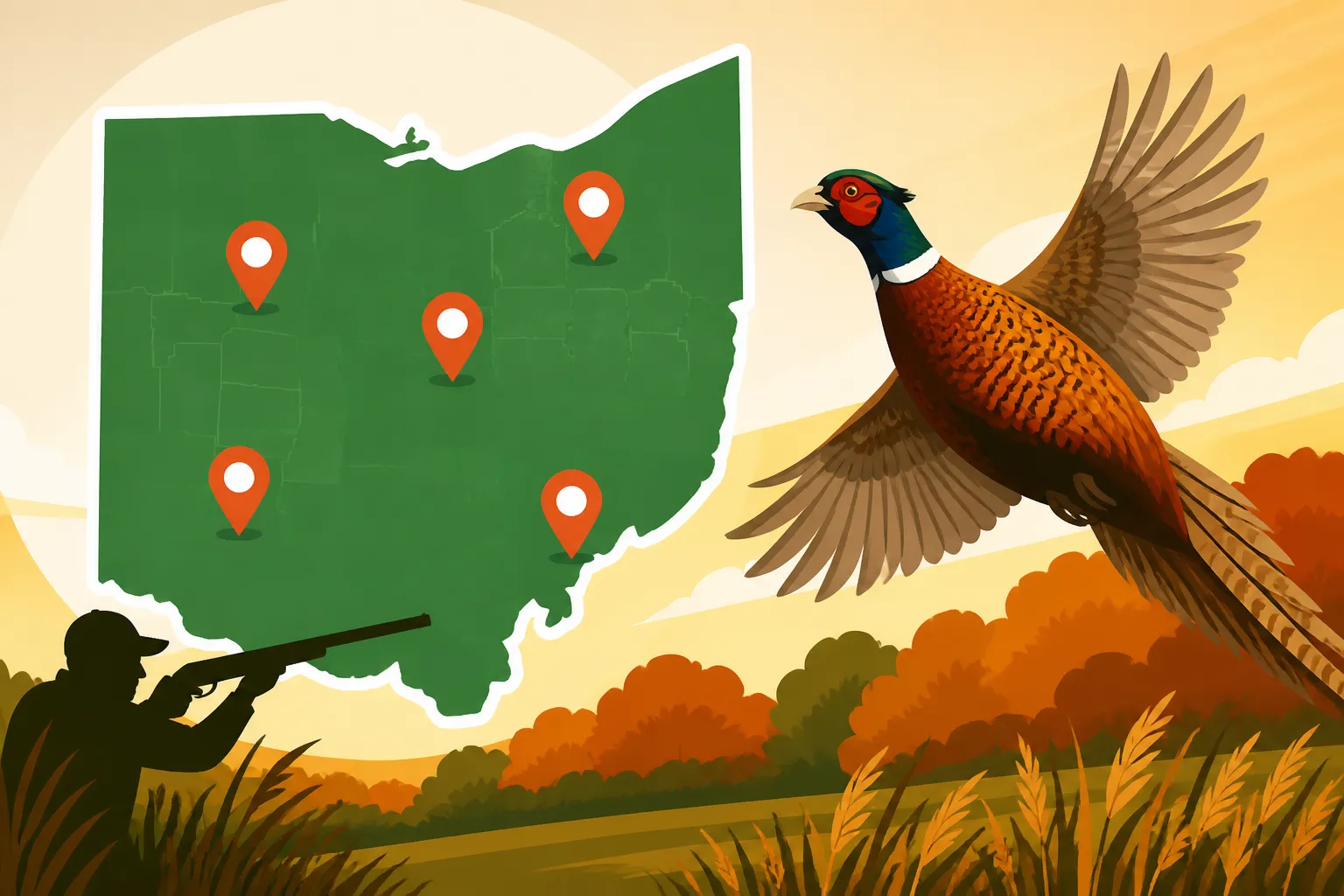
Ohio’s pheasant stocking program focuses primarily on public hunting lands, making these areas accessible to a wide range of hunters. These wildlife areas are strategically chosen for their suitable cover and ease of access, ensuring hunters have a reasonable chance of success. While the exact dates and numbers of birds can vary year to year, the core locations remain fairly consistent. Being familiar with these areas and their specific regulations is key to a successful outing. Many hunters use mapping tools like GoHunt to scout these areas virtually before they even step foot on the ground, identifying potential travel corridors, dense cover, and parking areas.
Here’s a look at some of the most consistent and well-known stocking locations across the state:
Northwest Ohio Stocking Hubs
Northwest Ohio, with its expansive agricultural fields, might seem like ideal pheasant country on the surface, but it's also where the pressure of modern farming hit wild populations hardest. The ODNR focuses significant stocking efforts here to counterbalance this, providing opportunities on several large wildlife areas. These areas are specifically managed to hold pheasants, often with tracts of dense cover, food plots, and managed grasslands designed to offer some protection to the released birds.
One of the flagship locations is Killdeer Plains Wildlife Area in Wyandot and Marion Counties. Killdeer Plains is legendary among Ohio pheasant hunters dueards, known for its extensive grassland habitat and the sheer volume of birds released there. It’s a popular spot, especially during opening weekend, so expect company. Another key area is Big Island Wildlife Area in Marion County, which also offers a mix of grasslands and wetlands that pheasants favor. When planning a hunt in these areas, remember that other small game, like rabbits, also thrive in this habitat, offering additional opportunities as outlined in Rabbit Hunting Ohio Fencerows. These areas offer some of the Best Ohio Counties for Pheasant hunting experiences, purely due to the stocking efforts.
Central and Eastern Ohio Opportunities
While the northwest might be the traditional heartland for stocked pheasants, central and eastern Ohio also have significant stocking sites, albeit often with different terrain characteristics. These areas tend to feature more rolling hills and smaller, fragmented fields compared to the flat expanses of the northwest. This means the pheasants might hold tighter in thicker pockets of cover, making for some exciting flushes.
Woodbury Wildlife Area in Coshocton County is a prime example in central Ohio, known for its varied terrain including timber, brush, and agricultural fields. It's a vast area, so spreading out is often possible, especially if you're willing to walk a bit. Appalachian Ohio, while generally more challenging for pheasant habitat, does have some specific areas. For instance, some sections of Salt Fork Wildlife Area in Guernsey County and Tri-Valley Wildlife Area in Muskingum County receive stockings. These areas often blend upland fields with timber edges, requiring hunters to adapt their tactics to the topography. Using a detailed map like those found on GoHunt can help you pinpoint the best cover within these larger areas, allowing you to maximize your time.
South and Southwest Ohio Locations
Southern Ohio, with its rugged hills and dense forests, is far from traditional pheasant habitat. However, the ODNR still provides stocking opportunities in select areas to offer local hunters a chance to pursue these birds. These locations are often smaller or are specific units within larger wildlife areas, meticulously managed to provide the necessary cover for pheasants. Hunting in these regions often involves navigating steeper terrain and more diverse vegetation, which can be both challenging and rewarding.
Deer Creek Wildlife Area in Fayette and Madison Counties, though technically central, serves as a great example for this region, offering managed grasslands and crop fields that are ideal for pheasants. Further south, though rarer, some stockings have occurred at areas like Indian Creek Wildlife Area in Brown County or portions of Caesar Creek Wildlife Area in Clinton, Greene, and Warren Counties. These locations typically see fewer birds than the northwest hotspots, but they also tend to draw fewer hunters, potentially offering a more solitary experience. Always check the current year’s stocking schedules on the ODNR website, as these southern sites can sometimes vary more in their participation.
Preparing for Your Ohio Pheasant Stocking Hunt
Hunting stocked pheasants isn't exactly like hunting truly wild birds, but it still requires preparation, strategy, and respect for the game and fellow hunters. These hunts often occur on public land, which means you'll likely be sharing the woods and fields with others. Understanding the regulations, knowing when to go, and having the right gear can make all the difference between a frustrating day and a memorable one.
One of the biggest differences is how the birds behave. Stocked pheasants, fresh from a game farm, might not be as "wild" or wary as birds that have evaded predators their whole lives. They might hold tighter, run less, or sometimes even flush prematurely if pushed too hard. This means adjusting your approach is crucial.
Understanding Stocking Schedules and Regulations
The ODNR typically announces its pheasant stocking schedules well in advance of the season, usually available on their website. It's absolutely critical to consult these dates, as stockings are often done just before or on opening day of the upland game season for pheasants. Some areas might have multiple stocking dates throughout the season, while others may only receive one or two. Timing your hunt to coincide with a recent stocking can significantly increase your chances of success.
Beyond the schedule, be meticulous about reviewing the specific regulations for each wildlife area. Some areas might have special hours, specific hunting zones, or even mandatory hunter check-in procedures. For example, some areas are designated for youth hunts on certain weekends or require a free permit. Always carry your valid Ohio Resident Hunting License Options or Ohio Nonresident Hunting License Options, a current pheasant permit if required, and proof of your Ohio Migratory Bird Certification if you're hunting other migratory birds as well. Blaze orange requirements are also a must, as outlined in Ohio Blaze Orange Requirements, especially on crowded public lands.
Tactics for Hunting Stocked Birds
Hunting stocked pheasants effectively requires a slightly different approach than chasing truly wild birds. Since these birds are often less wary and might not have a strong homing instinct, they tend to stay closer to where they were released, or move into the nearest dense cover. This means focusing your efforts on heavy cover areas, like switchgrass fields, dense briar patches, tall fencerows, and thick wetland edges.
- Walk Slowly and Methodically: Don't rush through cover. Stocked pheasants often hold incredibly tight, sometimes letting you walk right past them. A slow, deliberate pace, methodically working through cover, is more effective than busting through it quickly.
- Work Edges and Transitions: Pheasants love edges – where a field meets a woodlot, where tall grass meets short grass, or where a brush line meets a ditch. These transition zones offer both food and escape cover.
- Use Blocking Strategies: If hunting with a group, having "blockers" positioned at the end of a long strip of cover can be incredibly effective. As the primary hunters push through, the pheasants that try to run out the end will either flush or be pushed back towards the main hunting party. Just ensure clear communication and safety at all times, especially when doing Deer Drives With Three or Four Hunters or similar group tactics.
- Hunt with a Dog: This is perhaps the biggest game-changer. A good bird dog, whether a flushing dog like a springer spaniel or a pointing dog like a German shorthair, is invaluable. Dogs can find birds you would walk right past, and their enthusiasm keeps the hunt exciting. Plus, they help with retrieving downed birds, minimizing loss. Learn more about Bird Dog Gear for Ohio Farm Country if you're considering bringing a canine companion.
Remember, safety is paramount, especially on busy public lands. Always know where your hunting partners are and maintain safe shooting lanes.
Essential Gear and Equipment
Being prepared with the right gear ensures comfort, safety, and success. For stocked pheasant hunting, your equipment checklist should be fairly standard for upland game.
- Shotgun and Ammunition: A 12 or 20 gauge shotgun is ideal. For ammunition, choose shells with No. 4, 5, or 6 shot. Since you'll be hunting on public land, and potentially near wetlands, ensure you're using Where Nontoxic Shot Is Required in Ohio if there's any chance you'll be in an area with those regulations. Practice Patterning a Turkey Gun at 40 Yards or your pheasant gun at a similar distance to know its effective range.
- Blaze Orange: This is non-negotiable on public land during pheasant season. A blaze orange vest and/or hat is required and crucial for visibility among other hunters. How Much Blaze Orange Ohio Requires can guide your choices.
- Comfortable, Durable Clothing: You'll be walking through thick, often thorny cover. Brush pants or chaps are a must to protect your legs. Layering is also important, as you’ll be exerting yourself, but early season mornings can still be chilly.
- Sturdy Boots: Waterproof, comfortable boots with good ankle support are essential for navigating varied terrain and potentially wet conditions.
- Water and Snacks: Hydration and energy are critical for a full day of walking.
- Mapping Tool: A reliable GPS unit or a hunting app on your phone (like GoHunt) is invaluable for navigating public land, marking downed birds, and staying aware of property lines. Make sure you understand how Scouting With the Ohio HuntFish App works.
- Game Bag: A simple vest with a built-in game bag is perfect for carrying your birds.
- First Aid Kit: A basic kit for minor scrapes, cuts, or twisted ankles is always a good idea, especially when hunting in remote areas like those detailed in First Aid Kits for Remote Wayne Forest Ground.
The Future of Pheasant Hunting in Ohio
While the challenges facing wild pheasants in Ohio are significant, the commitment to providing hunting opportunities through stocking programs remains strong. The enthusiasm for these hunts, especially during the special youth and controlled hunt weekends, is a testament to the enduring appeal of the ringneck. It’s not just about the bird, but the tradition, the camaraderie, and the chance to get out and enjoy Ohio's diverse landscapes.
As hunters, our role extends beyond just harvesting game. Supporting habitat conservation efforts, advocating for sensible land use practices, and introducing new generations to the joys of upland hunting are all critical for the future. Even though many of the pheasants we chase are stocked, every hunt contributes to the ongoing conversation and appreciation for wildlife. It's a reminder that even in a landscape that has changed dramatically, the spirit of the hunt can still thrive.
Conservation Efforts and Habitat Restoration
The long-term solution for Ohio's wild pheasant population, if one exists, lies squarely in large-scale habitat restoration. Programs by the ODNR and private organizations aim to create more diverse and interconnected habitats, but it’s an uphill battle against development and intensive agriculture. Efforts include planting native warm-season grasses, establishing pollinator-friendly plots, and encouraging farmers to leave field edges unmowed or plant cover crops. These initiatives benefit not only pheasants but also other ground-nesting birds, pollinators, and overall ecosystem health.
Organizations like Pheasants Forever play a crucial role, working with landowners to implement habitat projects and educating the public on the importance of diverse landscapes. While these efforts may not bring back widespread wild pheasant populations to their historic levels, they do create pockets where wild birds can persist and even thrive. Hunters who participate in stocking programs contribute indirectly to these efforts through their license fees, showing that every aspect of hunting plays a part in the larger conservation picture.
Controlled Hunts and Youth Opportunities
Ohio's ODNR often organizes special controlled pheasant hunts, particularly at popular wildlife areas. These hunts are usually offered through a lottery system, and successful applicants get exclusive access to prime hunting areas on specific dates. They're often tailored to specific groups, such as youth hunters or hunters with disabilities, providing a safer and less crowded environment. These controlled hunts are a fantastic way to introduce new hunters to the sport, as success rates are typically higher, and the focus can be more on safety and instruction.
The Ohio Youth Gun Weekend Rules for deer hunting have long been a success, and similar youth-focused opportunities for pheasants introduce youngsters to the thrill of upland hunting. These programs are vital for ensuring the future of hunting in Ohio, fostering a love for the outdoors and an appreciation for wildlife conservation in the next generation. Always check the ODNR website for application periods and specific rules for controlled hunts, as they are highly sought after.
Table of Popular Ohio Pheasant Stocking Wildlife Areas
To help you plan your next pheasant hunt, here's a table summarizing some of Ohio's most well-known and consistently stocked wildlife areas. Remember that conditions and specific regulations can vary, so always double-check the ODNR website for the most current information before heading out.
| Wildlife Area (County) | Primary Region | Key Features for Pheasants | Best for (Hunter Type) | Notes |
|---|---|---|---|---|
| Killdeer Plains (Wyandot/Marion) | Northwest | Extensive grasslands, CRP fields, managed cover | Dog hunters, groups, experienced | Very popular, expect crowds, multiple stocking dates |
| Big Island (Marion) | Northwest | Diverse grasslands, wetlands, some crop edges | Dog hunters, groups | Good alternative to Killdeer, often busy |
| Woodbury (Coshocton) | Central/East Central | Varied terrain, timber, brush, agricultural fields | Dog hunters, those willing to walk | Larger area, allows for more spreading out |
| Deer Creek (Fayette/Madison) | Central/Southwest | Managed grasslands, crop fields | Dog hunters, mixed groups | Can be busy, good for beginners, diverse habitat for small game |
| Salt Fork (Guernsey) | East Central/Appalachian | Upland fields, timber edges, brushy draws | Patient hunters, those seeking challenge | More rugged terrain, pheasants hold tighter |
| Tri-Valley (Muskingum) | East Central | Mix of agriculture, woodlands, and managed cover | Experienced hunters, dog hunters | Less pressure than NW Ohio, varied hunting |
Always consult the ODNR's official resources or use a tool like GoHunt to verify boundaries, access points, and specific stocking schedules for the current season.
Disclaimer
This article is for general informational purposes only and does not constitute professional advice. Laws, prices and regulations vary by location and change over time. Consult a qualified professional for guidance on your specific situation.