Why Ohio Grouse Numbers Fell So Far
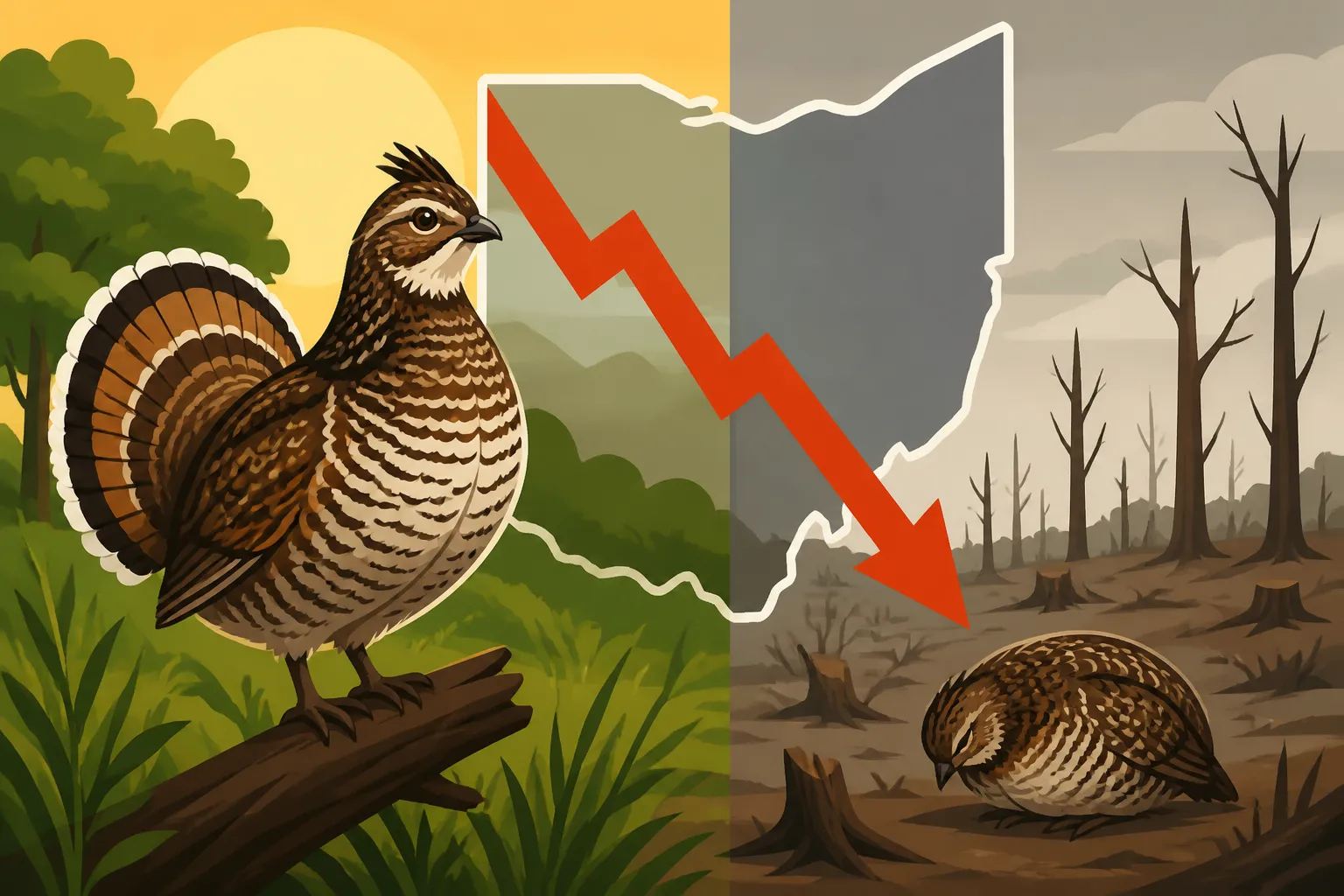
It's tough to talk about ruffed grouse in Ohio without feeling a pang of nostalgia, isn't it? For many of us who grew up hunting the hardwoods of the Buckeye State, the explosive flush of a grouse was once a common sound, a heart-stopping moment that defined autumn. But those days, sadly, seem to be largely behind us. If you've spent any time chasing these elusive birds in recent decades, you've likely noticed the dramatic decline. This isn't just a subjective feeling; the numbers confirm it. This guide will delve deep into the complex, often heartbreaking reasons why Ohio's ruffed grouse numbers have plummeted so drastically, transforming a once-vibrant hunting tradition into a rare pursuit.
The Echoes of a Golden Age: When Grouse Ruled Ohio's Woods
For older generations of hunters, the concept of widespread grouse hunting across Ohio isn't some mythical tale; it was a reality. My grandpa used to tell me stories about hunting grouse with his beagles, or just walking through the tangled undergrowth with a .22, and coming home with a few birds for dinner. Those stories paint a picture of a landscape far different from what we see today.
Habitat Flourishing from Past Land Use
The truth is, Ohio's ruffed grouse populations weren't always as robust as they were during their peak. The "golden age" of grouse hunting in the state, generally considered from the mid-20th century through the 1980s, was actually a product of specific historical land use patterns. During the late 19th and early 20th centuries, much of Ohio's timber was clear-cut, especially in the Appalachian foothills. Farms then sprang up, but many were marginal, and as people moved to cities, these farms were abandoned and began to revert to forest. This created a patchwork quilt of young, regenerating forests, brushy fields, and overgrown pastures.
This early successional habitat – young forests, thickets, and brushy areas – is absolute paradise for ruffed grouse. They need dense cover close to the ground to hide from predators, to nest, and to feed on buds, berries, and insects. The constant disturbance of logging and agricultural abandonment inadvertently provided this ideal environment on a massive scale. It wasn't planned for grouse, but it certainly benefited them immensely. You could walk almost any forested area in eastern and southern Ohio and expect to bump into birds.
High Grouse Populations and Hunter Memories
During this period, grouse populations thrived. Hunters didn't have to seek out specialized cover; it was everywhere. Bag limits were more generous, and harvest numbers were substantial. Many Ohio hunters, including myself, have vivid memories from the 70s, 80s, and even early 90s, of crisp autumn mornings filled with anticipation, listening for that tell-tale drumming or the thunder of wings taking flight. These birds were a cornerstone of upland hunting, providing a challenging and rewarding experience. The sheer abundance meant that even an average hunter could consistently find birds, making it a popular and accessible pursuit. It wasn't unusual to hear tales of hunters flushing dozens of birds in a single day, a scenario that feels almost impossible in most parts of Ohio now.
The accessibility wasn't just geographical; it was also psychological. There was a sense of expectation that you would find grouse, not just hope to. This expectation drove many hunters, often with pointing dogs or flushing dogs, into the dense cover that these birds called home. It was a time when Ohio Small Game and Upland Bird Seasons often included multiple opportunities for robust grouse harvests.
The Primary Culprit: Habitat Loss and Fragmentation
When you ask most wildlife biologists about the decline of Ohio's grouse, habitat loss is almost always the first thing mentioned. It’s not just a subtle shift; it’s a profound change in the very landscape these birds depend on. The dynamic nature of forests means that what was once prime habitat can, over time, become unusable if not actively managed.
Maturing Forests and Lack of Early Successional Habitat
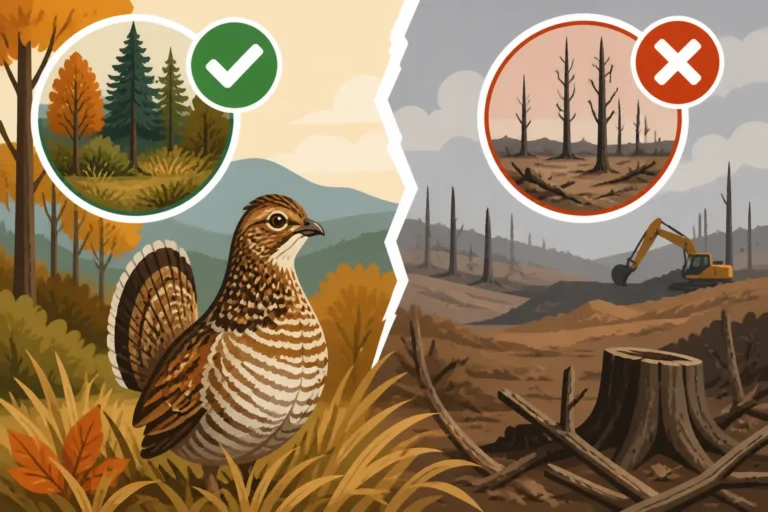
The biggest issue is quite simple: our forests got old. Those young, regenerating forests that sprang up after widespread logging and agricultural abandonment eventually matured. While mature forests are fantastic for many species, they’re generally poor for ruffed grouse. As the tree canopy closes, sunlight no longer reaches the forest floor effectively, preventing the growth of dense understory vegetation. The thick tangles of saplings, brush, and briars that grouse need simply don't exist in a mature, open woods.
Think about it: a grouse needs to be able to disappear instantly into a dense thicket when a hawk flies overhead or a coyote trots by. In an open, mature forest, there's nowhere to go. This lack of suitable cover leaves them vulnerable to predators and makes nesting sites scarce. Ohio's forests have largely transitioned from a mosaic of young and old growth into predominantly mature, unbroken tracts, leading to a significant reduction in Ohio's Declining Ruffed Grouse Range.
Timbering Practices and Forest Management Shifts
While some timbering still occurs, the nature of it has changed significantly in many areas. Historically, clear-cutting or aggressive selective logging created large patches of young forest, ideal for grouse. Today, while some commercial timber harvesting still benefits grouse by creating early successional habitat, it’s not always enough, nor is it always strategically placed for grouse needs. Often, logging is done on a smaller, more selective scale that might not open up enough canopy to create the dense undergrowth grouse require over a broad area.
Furthermore, forest management priorities have shifted. While wildlife habitat is a consideration, it's often balanced with other goals like aesthetics, recreation, and maximizing timber value, which might favor older, larger trees over creating thick, young growth. The decline of the timber industry in some parts of Ohio has also meant less widespread, habitat-creating logging. Even on public lands, the scale of management needed to significantly impact grouse populations can be difficult to implement due to budget constraints, public opposition to large-scale cutting, and bureaucratic hurdles. This is a critical factor in understanding Habitat Loss Behind Ohio's Grouse Decline. GoHunt's mapping tools can sometimes reveal past logging operations or clear-cuts, which might still hold some pockets of habitat, but these are increasingly rare and isolated.
Urban Sprawl and Agricultural Expansion
Beyond the natural maturation of forests, direct habitat destruction from human development has also played a role. While perhaps less impactful than forest maturation on a statewide scale for grouse, urban and suburban sprawl continue to eat away at forested land, especially in regions closer to major cities. Every new housing development, shopping center, or road takes away potential grouse habitat, fragmenting what little remains.
Similarly, intensified agricultural practices in parts of Ohio mean less marginal land reverting to forest. Modern farming is efficient, and fields are often managed right up to the tree line, leaving no room for the brushy fencerows or forest edges that grouse might have utilized. While grouse are primarily woodland birds, these transitional zones can be important. The cumulative effect of these losses, while incremental in some areas, contributes to the overall decline and further isolates remaining populations, making it harder for them to rebound.
Compounding Factors: Predators, Disease, and Climate
While habitat loss is the undeniable heavyweight champion of grouse decline, other factors act as insidious accomplices, further suppressing populations and hindering recovery. It's a complex web where multiple pressures work together to create a perfect storm for these vulnerable birds.
Increased Predator Pressures
The natural world is a balance, and when one element shifts, others often follow. As grouse populations declined and became more fragmented, they also faced increased pressure from a variety of predators. While predators have always been a part of the grouse's life cycle, habitat changes have made the grouse more vulnerable. With less dense escape cover, grouse are easier targets for raptors like goshawks and great horned owls, and ground predators such as coyotes, foxes, bobcats (which are recovering in Ohio but still relatively rare), raccoons, and even domestic cats.
Some argue that generalist predators like raccoons and opossums, whose populations can thrive in fragmented, human-altered landscapes, exert greater pressure on nests and young poults. While predator control is often a contentious topic, the fact remains that a grouse in a sparse, mature woodlot has fewer options to evade a hungry predator than one in a thick, regenerating clear-cut. This is particularly relevant when considering the decline in Ruffed Grouse in Decline Across Ohio.
West Nile Virus Concerns
A more recent and particularly troubling factor has been the emergence of West Nile Virus (WNV). Studies across several states in the eastern U.S. have strongly linked WNV to ruffed grouse declines. The virus, transmitted by mosquitoes, is known to cause severe illness and mortality in many bird species, and ruffed grouse appear to be particularly susceptible.
When a grouse contracts WNV, it can lead to neurological damage and death. What makes this so devastating is that it acts independently of habitat quality. Even in areas with decent habitat, WNV can decimate populations, especially during periods of high mosquito activity. While the full impact and long-term consequences are still being studied, it's widely believed that WNV has played a significant role in accelerating the decline of grouse populations across their range, including in Ohio. It's an invisible threat that adds another layer of challenge to conservation efforts.
Climate Change and Weather Patterns
Climate change and shifting weather patterns introduce another layer of complexity. Grouse are adapted to specific environmental conditions, and changes in temperature, precipitation, and growing seasons can have subtle but significant impacts. Milder winters, for example, might not provide the deep, insulating snow cover that grouse rely on for thermal refuge, leaving them more exposed to cold and predators. Conversely, unusually wet and cold springs can be devastating for nesting hens and young poults, leading to high mortality rates for newly hatched birds.
Changes in insect populations, which are a critical food source for grouse poults, could also be affected by climate shifts. Furthermore, if mosquito populations thrive in warmer, wetter conditions, the threat of West Nile Virus could intensify. It’s a cascading effect: one environmental shift can trigger a series of negative impacts on a species already struggling. This highlights the vulnerability of species like the ruffed grouse to broader ecological changes.
Geographic Shifts: Where Grouse Still Cling On
Given the widespread decline, it’s fair to wonder if there are any places left in Ohio where you can still find ruffed grouse. The answer, thankfully, is yes, but the map has shrunk dramatically. What was once broadly distributed is now hyper-localized, requiring hunters to be much more strategic in their search.
The Last Strongholds in Appalachian Ohio
Today, the vast majority of Ohio's remaining ruffed grouse populations are found in the rugged, unglaciated Appalachian foothills of southeastern Ohio. Counties like Athens, Hocking, Vinton, Jackson, Meigs, and parts of Scioto and Gallia still offer the best, albeit diminished, chances. This region naturally boasts more unbroken forest cover and less agricultural land than the rest of the state. More importantly, these areas often have a history of active forest management, including timber harvesting on public and private lands, that creates the essential early successional habitat.
State forests like Shawnee, Zaleski, Tar Hollow, and Wayne National Forest's units are critical. Here, you might still find pockets of younger timber resulting from recent clear-cuts or selective logging that allowed sunlight to hit the forest floor. These are the precious "islands" where grouse can still thrive, albeit in smaller numbers. When considering Hunting Southeast Ohio Appalachian Foothills, remember that targeting recent timber cuts or thick, brushy regrowth zones will give you the best odds. GoHunt or similar mapping applications can be invaluable for identifying these areas, especially when combined with boots-on-the-ground scouting to confirm habitat conditions.
Isolated Pockets and Fragmented Populations
Beyond the core Appalachian stronghold, finding grouse is like searching for a needle in a haystack. There might be isolated pockets in other parts of the state, particularly on some of Ohio's Ohio Wildlife Areas or larger private timber tracts, but these are often highly fragmented and unsustainable in the long run. A small, isolated population in a single woodlot is much more vulnerable to localized events – a harsh winter, a severe WNV outbreak, or increased predator activity – than a robust, interconnected population.
These fragmented groups struggle with genetic diversity and dispersal, making it incredibly difficult for them to rebound if hit hard. For hunters, this means that even if you find a bird or two in an unexpected location, it’s likely an anomaly rather than an indication of a healthy, huntable population. The days of casual grouse hunting across much of Ohio are gone; it's now a specialized pursuit requiring extensive scouting and a deep understanding of habitat. Grouse Hunting Southeast Ohio Hills has become the primary destination for any serious grouse hunter in Ohio.
Here's a quick look at the stark contrast:
| Factor | Golden Age (Mid-20th Century) | Present Day (21st Century) |
|---|---|---|
| Dominant Habitat | Abundant young, regenerating forest, brushy | Mature, closed-canopy forest; fragmented young |
| Forest Management | Widespread logging, agricultural reversion | Less clear-cutting, varied management goals |
| Population Density | High, widespread | Low, highly localized in Appalachian region |
| Threats | Traditional predators | Habitat loss, WNV, increased predator pressure |
| Hunter Success Rate | Relatively high | Very low, requires specific knowledge/locations |
| Primary Region | Eastern half of state | Southeast Ohio Appalachian foothills only |
Conservation Efforts: A Glimmer of Hope?
The decline of ruffed grouse is a dire situation, but it's not entirely without hope. Dedicated wildlife professionals, conservation groups, and even hunters are working to reverse the trend, primarily by focusing on what we know is the root cause: habitat.
ODNR Initiatives and Partnerships
The Ohio Department of Natural Resources (ODNR), along with partners like the Ruffed Grouse Society (RGS) and the National Wild Turkey Federation (NWTF), are actively engaged in habitat management efforts. These initiatives focus primarily on creating and maintaining early successional habitat within state forests and wildlife areas. This often involves strategic timber harvesting, prescribed burns, and other forestry techniques designed to mimic natural disturbances and encourage the growth of dense, young vegetation.
For example, on properties like Zaleski State Forest or some units of Wayne National Forest, you might see recent clear-cuts or areas where older, less diverse stands have been thinned to promote new growth. These projects are expensive and labor-intensive, but they are absolutely vital for the future of grouse. The ODNR also conducts population surveys, tracks harvest data, and monitors for diseases like WNV to better understand the challenges facing grouse. Understanding How Ohio Wildlife Areas Are Managed can give hunters insight into where these habitat projects might be occurring.
The Importance of Active Forest Management
The key takeaway for grouse conservation is "active forest management." Simply letting forests grow old without intervention will not bring grouse back. It requires intentional disturbance. This means clear-cutting, patch-cutting, or heavy thinning on rotation to ensure a continuous supply of young forest. This kind of management benefits not only grouse but also many other early successional species, including woodcock, rabbits, and deer.
While "clear-cutting" can sound harsh to some, it’s a natural process that mimics the effects of wildfires or severe weather, and it’s what many wildlife species, including the ruffed grouse, have evolved to depend on. The challenge lies in implementing this management on a scale large enough to make a difference, often in the face of public misunderstanding or opposition. Organizations like RGS advocate strongly for scientifically sound forest management practices, working with landowners and public agencies to create and restore critical habitat. Even private landowners can play a significant role by managing their woodlots for younger growth.
Hunter Contributions to Conservation
Hunters, as always, are a crucial part of the conservation solution. Through license sales and excise taxes on firearms and ammunition (Pittman-Robertson Act funds), hunters provide significant financial resources for wildlife habitat management. Many hunters also volunteer their time or donate to organizations like the Ruffed Grouse Society, directly supporting habitat projects that benefit grouse.
Furthermore, ethical hunting practices and adherence to regulations help ensure sustainable populations where they still exist. While the grouse season in Ohio is still open, bag limits are conservative, reflecting the species' fragile status. For those who still choose to pursue grouse, it's often more about the experience of being in the woods and the hope of a flush than filling a vest. It's a testament to the dedication of upland bird hunters who understand that the future of this iconic bird depends on our collective efforts and a long-term commitment to habitat restoration. Tools like those from GoHunt can help hunters find public land and understand its characteristics, which can indirectly support conservation by helping hunters connect with the landscapes being managed.
Disclaimer
Please note: Hunting regulations, seasons, and disease statuses can change. Always consult the most current Ohio Department of Natural Resources (ODNR) hunting regulations before planning any hunting trip. This article is for informational purposes only and does not constitute legal or official advice.