Ohio’s Declining Ruffed Grouse Range
For those of us who grew up with the distinctive drum of a ruffed grouse echoing through Ohio's timber, the silence that has fallen across much of the state is heartbreaking. It's a tough pill to swallow, seeing a once-common game bird become a rare sight, and for many, a ghost of hunts past. This guide delves deep into the unfortunate story of Ohio's declining ruffed grouse range, exploring the complex reasons behind their disappearing act and what's being done to try and bring them back.
The Heartbreaking Reality of Ohio's Ruffed Grouse Decline
It's not just a feeling; the numbers and our firsthand experiences tell a clear story: the ruffed grouse, once a staple of Ohio's autumn woods, is in serious trouble. For those of us who chased them with beagles or shotguns, the change is palpable and profoundly saddening.
Where Grouse Once Roamed in Abundance
Go back a few decades, and the rolling hills of Appalachian Ohio were synonymous with ruffed grouse. We're talking about counties like Athens, Vinton, Hocking, Scioto, and Adams – the heart of our state's most rugged and heavily forested regions. Hunters would spend crisp fall days working the thickets and clear-cuts, always with an ear out for that explosive flush that would send your heart into your throat. It was a challenging hunt, for sure, but the reward of a plump grouse for the table, or simply the thrill of the encounter, made every busted bird worthwhile.
Many of us remember those days vividly, the sound of a good flush breaking the quiet of an October morning. It wasn't uncommon to hear several drumming logs in a morning walk, each signaling a male grouse marking his territory. You didn't have to look hard to find them; they were integrated into the fabric of the eastern Ohio woods, thriving in the mosaic of habitats that defined the region. This rich history makes the current situation even harder to bear. The memory of those abundant days serves as a constant reminder of what we've lost and fuels the desire to see them return.
The Current, Shrinking Footprint
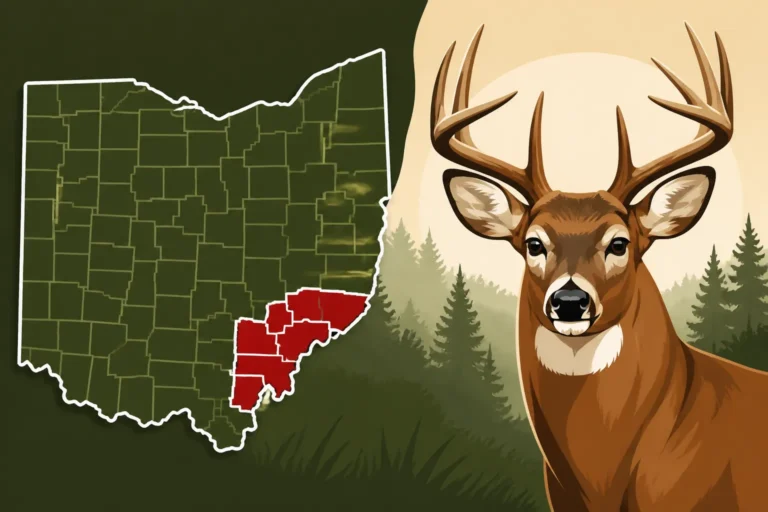
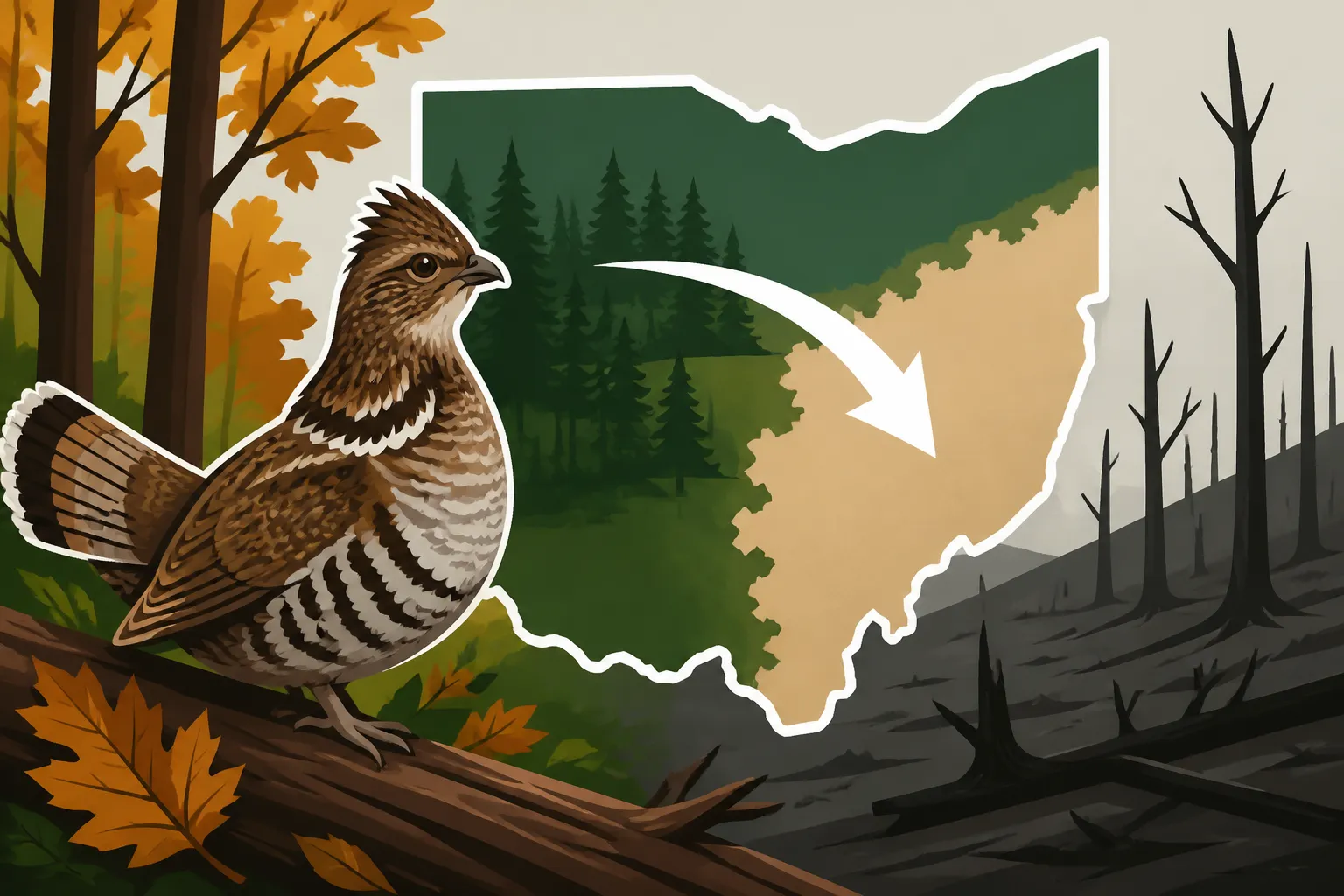
Today, the picture is starkly different. While some grouse still cling to existence in isolated pockets of extreme southeastern Ohio, their range has shrunk dramatically, almost to the point of extirpation in many areas where they once flourished. The core population, if you can even call it that, is now confined to the deepest, most remote sections of counties like Athens, Vinton, and parts of Monroe and Noble, particularly within the larger tracts of public land like Wayne National Forest and Zaleski State Forest. Even there, encounters are few and far between, often requiring extensive scouting and a stroke of luck.
The change isn't just about fewer birds; it's about the very nature of the hunting experience. What was once an expectation is now a distant hope. While you might still hear a drumming grouse in the most remote hollows, it's a rare and cherished sound, rather than a common one. According to recent data shared by the Ohio Department of Natural Resources, the population has plummeted by over 80% in the last 30 years, an alarming statistic that underscores the severity of the crisis. Hunters who previously pursued this game bird now face the reality that grouse are practically absent from areas like Tar Hollow State Forest or even parts of Shawnee State Forest where they once held on. This drastic reduction means that the casual grouse hunter is almost certain to be disappointed, while even dedicated efforts may yield little more than a memory of what once was. You can read more about Ohio's Ruffed Grouse Numbers Today and Which Ohio Counties Still Hold Grouse for specific details.
Unpacking the Primary Culprits Behind the Decline
The decline of Ohio's ruffed grouse isn't due to a single cause, but rather a perfect storm of environmental shifts and biological challenges. It's a complex puzzle, and understanding each piece is crucial to any hope of recovery.
Habitat Loss and Fragmentation
Perhaps the most significant factor contributing to the grouse's demise is the widespread loss and fragmentation of their preferred habitat: young, regenerating forest. Ruffed grouse are "early successional" species, meaning they thrive in woods that are 5-20 years old, often the result of clear-cutting, timber harvests, or natural disturbances like severe storms. These dense thickets provide vital cover from predators and an abundance of food sources like buds, catkins, and berries.
Over the past several decades, Ohio's forests have matured. We've seen a shift away from aggressive timber management practices that create those necessary clear-cuts. As older, mature forests dominate the landscape, the dense understory grouse rely on disappears, replaced by open woods that offer little protection. Urban sprawl and agricultural expansion have further carved up remaining forested areas, creating islands of habitat too small and isolated to support healthy grouse populations. This fragmentation makes it difficult for birds to disperse and find new mates, weakening genetic diversity and making local populations more vulnerable. It’s a classic example of Habitat Loss Behind Ohio's Grouse Decline playing out in real-time, impacting not just grouse but other early successional species as well. Without proactive management creating these crucial pockets of new growth, the birds simply can't find a place to thrive and hide from danger.
The Menace of West Nile Virus
Just when grouse populations were already struggling from habitat loss, a new and insidious threat emerged: West Nile Virus (WNV). This mosquito-borne illness, which spread across North America in the late 1990s and early 2000s, has proven particularly devastating to ruffed grouse. Unlike many other bird species that can fight off the infection, grouse appear to be highly susceptible, with studies showing high mortality rates when exposed to the virus. The virus attacks their nervous system, often leading to neurological damage, weakness, and eventual death.
The problem with WNV is its widespread nature; it's virtually impossible to control or vaccinate wild populations against it. Even in areas with seemingly good habitat, the presence of WNV can decimate a population, creating a sort of "ecological trap." While habitat management remains critical, the ongoing threat of WNV adds another layer of complexity and makes recovery efforts that much harder. Researchers are still trying to fully understand its long-term impact, but it's clear that this disease has severely hampered any potential rebound in grouse numbers, acting as a constant drain on struggling populations and contributing to Why Ohio Grouse Numbers Fell So Far.
Predator Dynamics and Their Role
While predators are a natural part of any ecosystem, changes in predator populations and habitat structure can exacerbate the struggles of a declining species like the ruffed grouse. As forests mature and habitat becomes less dense, grouse become more vulnerable to a wider array of predators. Raptors like goshawks and great horned owls, and mammalian predators such as coyotes, foxes, and raccoons, find it easier to hunt in more open understories.
Furthermore, some generalist predator populations have seen increases in recent decades. For instance, coyote populations have expanded across Ohio, and while they don't exclusively target grouse, they are opportunistic hunters. Less dense cover means grouse have fewer places to hide from these efficient hunters, especially during critical nesting and brood-rearing periods. If hens are easily picked off nests, or young chicks are exposed, the population struggles to reproduce successfully. It creates a difficult feedback loop: declining grouse numbers make it harder for individual birds to find mates, and increased predation pressure on remaining birds makes it even more challenging for the population to grow. These shifts in predator dynamics are a factor often discussed when talking about species declines, and grouse are unfortunately not immune to their effects.
Understanding What Ruffed Grouse Need to Thrive
To truly appreciate the challenge of bringing grouse back, we need to understand their intricate relationship with their environment. They're not just any forest bird; they have very specific demands that dictate their survival.
The Critical Need for Young Forest Habitat
Ruffed grouse are often called the "ghosts of the clear-cut" for a reason. Their entire life cycle revolves around the unique features of young forest or early successional habitat. This isn't just a preference; it's a non-negotiable requirement. Think of it as a multi-purpose grocery store, nursery, and fortress all rolled into one.
Firstly, dense, young saplings and brush, typically between 5 and 20 years old, provide unparalleled escape cover. When a hawk swoops down or a fox stalks through, the sheer number of small stems breaks up sightlines and slows down predators, giving the grouse a fighting chance to get away. Secondly, these areas are rich in food. Young trees and shrubs produce abundant buds, catkins (like those from aspen, birch, or hazelnut), and soft mast like berries, which are crucial for grouse, especially through the lean winter months. Older forests, while beautiful, simply don't offer the same density of low-lying cover or diverse food options. Females also rely on this thick cover for nesting, creating scrapes at the base of trees or under brush piles, where the dense canopy helps conceal them and their clutch from aerial predators. The drumming logs, vital for male grouse to display for mates, are also found in these areas, often older downed logs within the younger growth. Without this specific type of habitat, which is largely missing from much of Ohio's mature woodlands, grouse simply cannot survive and reproduce effectively. The decline in this habitat is a direct cause of the birds' struggles.
The Importance of Diverse Forest Stands
While young forest is paramount, a healthy grouse population benefits immensely from a mosaic of diverse forest stands. It’s not about one monoculture, but rather a patchwork quilt of different ages and species that offers resilience and a buffet of resources throughout the year. Imagine a landscape with blocks of those crucial 5-20-year-old clear-cuts, interspersed with slightly older stands (20-40 years) that might provide different food sources, and even some mature timber that offers hard mast like acorns or protective conifers.
This diversity is key because it hedges against various environmental challenges. For example, if one year’s aspen catkin crop is poor, grouse can rely on buds from oak or cherry in adjacent stands. Pockets of conifers, like pine or hemlock, are incredibly important for winter thermal cover, shielding grouse from bitter winds and heavy snow, reducing their energy expenditure. Moreover, a diverse landscape can offer some protection against disease outbreaks like West Nile Virus, as it may reduce the density of mosquitos or provide different habitat niches where birds might be less exposed. It also ensures a continuous supply of regenerating habitat as forest blocks age out of the optimal grouse range. A landscape managed for a variety of forest age classes and tree species is a resilient landscape, providing a stable environment for grouse and a host of other wildlife species that depend on varied forest conditions.
Efforts to Reverse the Trend and What Hunters Can Do
Despite the grim outlook, there are dedicated individuals and organizations working tirelessly to turn the tide for Ohio's ruffed grouse. Their efforts, combined with the support of the hunting community, offer the best hope for the future.
ODNR and Partner Conservation Initiatives
The Ohio Department of Natural Resources (ODNR) is certainly aware of the plight of the ruffed grouse and has initiated several programs aimed at restoring their populations, often in partnership with other conservation groups. A major focus is on creating and maintaining that crucial young forest habitat. This often involves carefully planned timber harvests on state forests and wildlife areas, mimicking natural disturbances that would historically create these conditions. For instance, within parts of Wayne National Forest, which is a key area for grouse, management plans are often implemented to generate the necessary early successional growth. Organizations like the Ruffed Grouse Society and the American Woodcock Society are invaluable partners, providing funding, expertise, and advocacy for these specific habitat needs. They understand that what's good for grouse is often good for many other species, including woodcock, deer, and turkeys.
These efforts aren't quick fixes; forest management is a long-term game. Projects often involve clear-cutting small patches of timber – sometimes just 5 to 10 acres – to stimulate new growth. These clear-cuts are strategically placed to create a diverse age structure across the landscape, providing benefits year after year as different sections mature. You can often see these efforts firsthand if you are Scouting Ohio Public Land Before Season in areas like the Athens Unit of the Wayne National Forest or Zaleski State Forest, where ODNR crews and partners are actively shaping the forest for wildlife. While these efforts face challenges, particularly regarding funding and public understanding of the benefits of active forest management, they represent the most direct and effective strategy for grouse recovery in Ohio.
The Hunter's Role in Grouse Recovery
As hunters, we have a vital role to play, not just as beneficiaries of healthy wildlife populations, but as active participants in conservation. First and foremost, ethical hunting practices are paramount. While the grouse season in Ohio is still open, the extremely low numbers mean that many dedicated hunters are voluntarily choosing not to pursue grouse, or if they do, they are limiting their take to ensure maximum breeding potential for the few birds remaining. Being mindful of the overall population status and exercising restraint is a crucial personal decision.
Beyond direct hunting pressure, our financial contributions through hunting license and permit purchases directly fund ODNR's wildlife management efforts, including habitat work beneficial to grouse. Joining and supporting conservation organizations like the Ruffed Grouse Society or even local sportsman's clubs that advocate for habitat improvements amplifies this impact. Furthermore, hunters can be powerful advocates for science-based forest management. Educating others about the critical need for young forest habitat and supporting timber harvest projects on public lands, even if they appear disruptive initially, is essential. When you're using resources like GoHunt to scout new areas or plan your next upland adventure, remember to look for signs of active habitat management. You might be able to identify areas where the habitat is improving, offering a glimmer of hope. Even small actions, like reporting grouse sightings to the ODNR (with specific locations), can help wildlife biologists monitor population trends more accurately. We must recognize that our passion for hunting is intrinsically linked to the health of the habitat and the species within it.
Looking Ahead: A Hopeful But Challenging Future
The path forward for Ohio's ruffed grouse is undoubtedly steep and fraught with challenges. Yet, hope persists, fueled by dedicated conservation efforts and a growing understanding of what these unique birds need.
The Long Road to Recovery
Bringing back a species from such a precipitous decline is a marathon, not a sprint. It requires patience, sustained funding, and a long-term commitment to habitat restoration. The trees we cut today for young forest habitat will take years to grow into the dense cover grouse need, and then they will only remain optimal for a relatively short window before maturing. This means that active, rotating forest management must be continuous and extensive across the landscape. The sheer scale of the historical habitat loss and the ongoing threat of West Nile Virus make this a monumental undertaking.
Realistically, we may not see a return to the grouse numbers of the mid-20th century anytime soon, if ever. However, the goal is to establish stable, resilient populations in core areas, ensuring the species' presence in Ohio for future generations. This will involve not just timber management but also research into WNV resistance and landscape-level planning that connects habitat patches. It's a continuous, evolving process where success is measured in decades, not seasons. Understanding this long-term commitment helps us temper expectations while appreciating the vital work being done. It will take time, but every small victory in creating new habitat is a step in the right direction. For those interested in seeing the season dates and rules, you can review Ohio Small Game and Upland Bird Seasons.
The Future of Grouse Hunting in Ohio
For those who cherish the tradition of chasing ruffed grouse in Ohio, the future is likely to look different than the past. We must be realistic. It’s highly improbable that grouse hunting will return to its former glory across a wide range of the state in the foreseeable future. Instead, grouse hunting may become an even more specialized pursuit, focused on specific, actively managed public lands where populations are being intentionally fostered. These hunts will likely be more about the experience of finding a rare bird in a wild setting than about filling a game bag.
Hunters, however, remain critical. Their participation in conservation funding, their advocacy for habitat work, and their willingness to adapt to evolving regulations or even self-impose harvest limits will be paramount. Embracing technology to find actively managed areas, perhaps by using detailed mapping apps like GoHunt that show forest age classes or recent timber cuts, will become more important. We might need to explore different hunting areas, perhaps focusing on Hunting Southeast Ohio Appalachian Foothills or other deeply forested public grounds where habitat work is ongoing. It’s a chance for hunters to contribute directly to the recovery effort, becoming citizen scientists by reporting sightings and supporting research. The experience might change, but the spirit of the grouse hunter – resilient, persistent, and deeply connected to the wild woods – will undoubtedly endure.
Here's a quick look at the core habitat needs for Ohio's ruffed grouse:
| Habitat Feature | Optimal Age/Description | Importance | Current Status in Ohio (General) |
|---|---|---|---|
| Young Forest (Dense Cover) | 5-20 years old clear-cuts/regrowth | Escape cover, nesting sites, brood rearing, food | Scarce, fragmented, and declining |
| Food Sources | Buds, catkins, berries, hard mast | Year-round nutrition, especially crucial in winter | Variable, dependent on forest diversity |
| Conifer Pockets | Dense stands of pine, hemlock | Winter thermal cover, protection from elements | Limited in many areas, localized |
| Drumming Logs | Large, decaying logs in young forest | Male territorial display, breeding success | Dependent on new growth and past logging |
| Water Sources | Seeps, small streams | Hydration, insect foraging for broods | Generally available, but habitat is key |
Disclaimer
The information provided in this guide is for general informational purposes only and does not constitute legal advice or an endorsement of specific hunting practices. Hunting regulations and conditions can change rapidly. Always consult the official Ohio Department of Natural Resources (ODNR) regulations and guidelines before planning any hunting activity. Always prioritize safety and ethical hunting practices.