Ohio’s Six-County CWD Footprint
It's disheartening, isn't it? You spend countless hours scouting, preparing your gear, and dreaming of that perfect Ohio whitetail hunt, only to have concerns about Chronic Wasting Disease (CWD) hanging in the back of your mind. It’s a real challenge for our deer herd and for us as hunters, adding a layer of complexity to what should be an enjoyable time outdoors. This comprehensive guide is here to unravel the mysteries of CWD in Ohio, specifically focusing on the six counties currently identified in the Disease Surveillance Area (DSA), so you can hunt responsibly and with confidence.
Understanding Chronic Wasting Disease Itself
CWD is one of those topics that can quickly feel overwhelming, especially when you're trying to understand what it means for your hunting season. At its core, CWD is a neurological disease affecting deer, elk, and moose. It's part of a family of diseases known as transmissible spongiform encephalopathies (TSEs), similar to "mad cow disease" in cattle. The real kicker? It's always fatal, and there's no known cure. It literally causes a slow, debilitating breakdown of the animal's brain.
What is CWD and How Does It Spread?
CWD is caused by abnormal proteins called prions. These aren't bacteria or viruses, which makes them incredibly tough to kill and manage. Infected animals shed these prions through saliva, urine, and feces, contaminating the environment. Other deer can then pick up these prions directly from an infected animal or indirectly from contaminated soil, plants, or even water. Imagine a deer licking a branch that an infected deer just licked, or simply grazing in an area where prions have been shed. It's a silent, persistent enemy in the environment.
The prions are incredibly resilient, able to persist in the soil for years, possibly even decades, resisting traditional disinfectants, freezing, and even burning at relatively high temperatures. This environmental persistence is why CWD is such a formidable challenge to control once it's established in an area. It’s not just about removing infected animals; it's about decontaminating an entire landscape, which is virtually impossible in a natural setting.
Recognizing the Signs of CWD in Deer
Identifying CWD in a live deer can be tricky, especially in the early stages, as the symptoms manifest slowly over months, sometimes even years, after infection. The deer might look perfectly healthy for a long time. However, as the disease progresses, you'll start to see a decline in body condition. Think of a deer that's emaciated, almost looking like a rack of bones covered in hide, even when food is plentiful.
Other tell-tale signs include noticeable changes in behavior: excessive salivation or drooling, often around the mouth; an altered gait, meaning they might stumble or walk with an odd, wide stance; head drooping; and a general lack of fear of humans or other predators, which is highly abnormal for a wild deer. They might also exhibit increased thirst and urination. It's a heartbreaking sight to behold, and if you ever spot a deer exhibiting these symptoms, it's crucial to report it to the Ohio Department of Natural Resources (ODNR) immediately. The sooner potentially infected animals are identified, the better chance we have at understanding the spread.
Is CWD a Risk to Humans or Livestock?
This is the question that weighs heavily on every hunter's mind, and it's a valid concern. Currently, there have been no documented cases of CWD transmission to humans. However, public health agencies like the Centers for Disease Control and Prevention (CDC) strongly recommend against consuming meat from CWD-positive animals. The scientific community is still actively researching potential transmission pathways and long-term effects. The prions, after all, are tough customers.
While research is ongoing, the general consensus is to err on the side of caution. This is why strict guidelines are in place for processing and consuming deer harvested in CWD-affected areas. For livestock, the risk also appears low, with no natural transmission to cattle or other domestic animals widely documented. Still, bioseosecurity measures are important, especially for those raising deer or elk, to prevent any potential spread. When in doubt, always follow the recommendations of wildlife and public health officials.
The Genesis of CWD in Ohio: Tracing the First Cases
For years, Ohio was fortunate to be CWD-free, a distinction many surrounding states had lost. Hunters and wildlife managers alike watched with a collective held breath as the disease crept closer from neighboring Pennsylvania, West Virginia, and Michigan. The day CWD was finally confirmed in Ohio was a somber one, signaling a new era for deer management in the state.
The Initial Discovery: Wyandot County's Unfortunate First
Ohio's first confirmed case of CWD was in Wyandot County back in 2014. It wasn't a wild deer that first tested positive, but rather a captive deer at a private cervid facility. This distinction is important because captive facilities often act as incubators for the disease, and their close quarters can accelerate transmission within the herd. The initial discovery quickly led to intensified surveillance and monitoring efforts in the surrounding wild deer population, because as we've learned, CWD rarely stays confined to a fence line.
The confirmation in a captive facility was a wake-up call, immediately triggering a response from the ODNR. This event set the stage for how Ohio would begin to tackle CWD, leading to increased testing and the establishment of proactive measures. If you're looking for more detail on this specific event, you might find more information in a post about How CWD Reached Wyandot County.
How CWD Likely Arrived in Ohio
The exact "how" CWD jumped into Ohio's wild deer herd is always a complex question, but the initial captive cervid case in Wyandot County offers a strong clue. The movement of live deer, often for breeding or stocking purposes, has been identified as a significant factor in CWD spread across North America. When infected animals are transported, they can introduce prions to new areas, either through direct contact with wild deer or by contaminating the environment.
Beyond captive cervid movements, natural migration of infected wild deer from neighboring states where CWD is already established is another pathway. Deer don't recognize state lines, and a buck crossing from a known CWD hotspot in Pennsylvania into eastern Ohio, for instance, could bring the disease with it. However, given the initial discovery in a captive facility, that remains the most likely vector for the disease's initial establishment within Ohio. It really highlights the challenges of managing wildlife diseases in a world where animals and people are constantly moving.
Early Response and Containment Efforts
Following the initial detection, the ODNR implemented a robust response plan, which included intensive surveillance within a newly established Disease Surveillance Area (DSA) around the affected captive facility. This involved increased mandatory testing of hunter-harvested deer, particularly during the early gun season and the statewide gun opener. The goal was to quickly assess the prevalence and geographic extent of the disease in the wild deer population.
Carcass movement restrictions were also put in place to prevent the transport of potentially infected deer parts out of the DSA, thus limiting further spread. Hunters were educated on how to properly handle and dispose of carcasses. These early efforts were critical, albeit challenging, as they directly impacted hunters and required significant cooperation from the public. The measures aimed to contain the disease while wildlife biologists worked to understand its footprint.
Mapping Ohio's CWD Footprint: The Six Counties
Over the years, the initial discovery in Wyandot County unfortunately led to subsequent detections in wild deer. This prompted the expansion and refinement of Ohio's Disease Surveillance Area (DSA), which now includes a defined set of counties where CWD is either confirmed or where the risk of transmission is considered high enough to warrant intense management. Understanding this "CWD footprint" is vital for every hunter in Ohio.
Identifying the Core DSA Counties
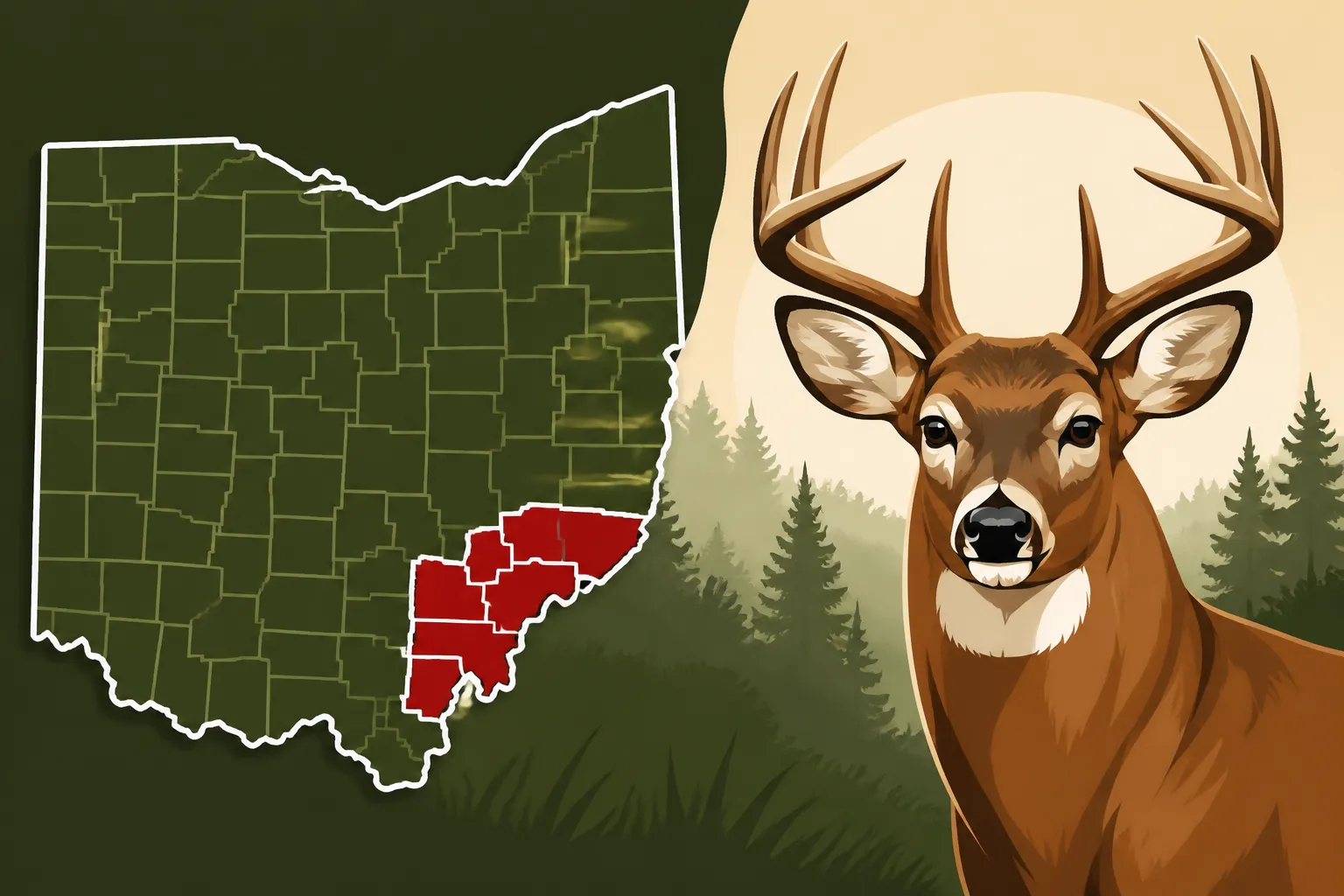
Currently, Ohio's Disease Surveillance Area encompasses six counties. These are the areas where CWD has been confirmed in wild deer populations or where extensive surveillance indicates a high probability of its presence. The counties are Wyandot, Marion, Hardin, Crawford, Delaware, and Union. Each of these counties has specific regulations and requirements that hunters must adhere to, designed to monitor and slow the spread of the disease. This is where you really need to pay attention to details, because failing to follow regulations can lead to serious consequences.
It's not just about the counties themselves, but the specific townships within them. Often, the DSA boundaries are drawn along township or even road lines, so it’s crucial to know exactly where you’re hunting. The ODNR provides detailed maps on their website, and using a hunting app like GoHunt can be incredibly helpful to pinpoint these boundaries right down to the property line, ensuring you know if you're in a mandatory testing zone. These counties represent the frontline in Ohio's battle against CWD.
Peripheral Counties Under Watch
While the six counties form the core of the DSA, the ODNR maintains a vigilant watch on adjacent counties. The nature of CWD's slow spread means that areas bordering the DSA are always at an elevated risk. Wildlife agencies conduct ongoing surveillance in these peripheral areas through voluntary testing programs or targeted surveillance efforts, especially if any deer exhibiting suspicious symptoms are reported.
These "under watch" counties might not have the same mandatory regulations as the core DSA, but it's wise for hunters in these areas to remain informed and consider submitting samples voluntarily. Any new CWD positive found in these peripheral counties would likely trigger an expansion of the DSA and new regulations. Staying ahead of the curve is key, and resources like the ODNR website or even a quick check on a platform like GoHunt can provide the latest boundary updates.
Visualizing the Geographic Spread
To truly grasp the CWD situation, it helps to visualize it. Imagine a map of central Ohio: Wyandot County, where it all started, forms a sort of epicenter. Radiating from there, you have Marion, Hardin, and Crawford counties forming a northern and eastern arc. Then, stretching south and east, you find Delaware and Union counties. This cluster effectively covers a significant portion of north-central Ohio, forming a contiguous zone.
The concentration of these counties reflects the localized spread of the disease from its initial point of entry. It's a prime example of why early detection and strict adherence to regulations are so important. The hope is that with ongoing management, the disease's spread can be slowed and ideally, contained within this current footprint, preventing it from reaching the denser deer populations of Appalachian Ohio or the vast farmlands further north. For more context on which specific counties are included, you can check out a post on Which Counties Sit Inside the Ohio DSA.
Life in the Disease Surveillance Area (DSA): What Hunters Need to Know
Hunting in a CWD Disease Surveillance Area (DSA) comes with a different set of rules and responsibilities than hunting outside it. It's not about making hunting harder; it's about being a proactive and responsible steward of the deer herd and the hunting tradition. These regulations are in place to help wildlife managers understand the prevalence of CWD and to minimize its potential spread.
Mandatory Testing Requirements for Hunters
One of the most significant changes for hunters in the DSA is the mandatory CWD testing of all deer harvested during specific periods. Typically, this includes the opening weekends of the statewide gun season and sometimes the early gun season within the DSA. Hunters are required to present their deer or the deer's head at designated CWD sampling stations. These stations are often located at convenient spots like wildlife area offices, public land access points, or even self-serve kiosks.
The purpose of this mandatory testing is to gather critical data. By testing a large sample of deer, wildlife biologists can determine the prevalence rate of CWD in the area and track its geographic spread. This information is invaluable for making informed management decisions. You'll want to check the current hunting regulations each year, as the specific dates and locations for mandatory testing can change. A quick search for Mandatory CWD Testing Windows in the DSA will give you the most up-to-date information.
Carcass Movement Restrictions and Regulations
Another crucial aspect of hunting in a DSA is understanding and adhering to carcass movement restrictions. To prevent the further spread of CWD prions, hunters are generally prohibited from moving whole deer carcasses or certain high-risk parts out of the DSA. This means if you harvest a deer in one of the six CWD counties, you can't just throw the whole thing in the back of your truck and take it home to a county outside the DSA for processing.
The acceptable parts to remove from the DSA typically include boned-out meat, capes (without the skull or spinal column), antlers (clean of any brain tissue), and cleaned skull plates. All other parts, particularly the brain, spinal cord, and lymph nodes, must be left within the DSA for proper disposal. This can be a hassle, especially for those who travel, but it's a non-negotiable step in containing the disease. For precise details on what can and cannot be moved, refer to the ODNR’s guidelines or a relevant article such as Ohio Carcass Movement Restrictions.
Sampling Stations and Reporting Procedures
The ODNR has established a network of CWD sampling stations across the DSA counties to facilitate mandatory and voluntary testing. These stations range from staffed locations during peak hunting weekends to 24/7 self-serve kiosks. At a staffed station, wildlife personnel will collect the necessary tissue samples (typically from the lymph nodes in the neck) and answer any questions you might have.
For self-serve kiosks, hunters are provided with instructions and materials to collect the deer's head, attach a tag, and place it in a designated freezer. It's vital to follow these instructions carefully to ensure the sample is viable for testing. After submitting a sample, you'll receive a unique identification number that allows you to check the test results online. This process is how the state keeps track of the disease's progression. Details on specific locations can often be found by searching for Ohio CWD Sampling Station Locations. Remember, reporting sick animals is always encouraged, so keep the ODNR contact information handy, as seen in Reporting a Sick Animal in Ohio.
Impact on Ohio's Deer Herd and Hunting Future
The presence of CWD, even if currently localized, casts a long shadow over Ohio's celebrated white-tailed deer herd and the future of hunting in the state. Wildlife managers, biologists, and hunters are all grappling with the potential long-term consequences, both ecological and sociological. It's not just about managing a disease; it's about adapting an entire hunting culture.
Potential Long-Term Effects on Deer Populations
If left unchecked, CWD has the potential to significantly impact deer populations. In other states where CWD has been present for a longer duration and at higher prevalence rates, localized declines in deer numbers have been observed. This isn't just about mortality from the disease itself, but also potential impacts on fawn survival, overall herd health, and reproductive success. A stressed, diseased population is a vulnerable one.
The ODNR monitors these trends closely, using harvest data and biological surveys to understand the health of Ohio's deer. While Ohio's CWD prevalence remains relatively low compared to some other states, the concern is that, over time, a high prevalence rate could lead to fewer mature deer, an imbalance in the buck-to-doe ratio, and generally less robust animals. This would be a stark change for a state known for its healthy deer population and trophy bucks. Understanding the disease’s impact is part of broader Ohio Wildlife Disease Monitoring.
Changes to Hunting Seasons and Bag Limits
In response to CWD, wildlife agencies often modify hunting regulations to help manage the disease. This can include targeted antlerless harvests to reduce deer density, thereby potentially slowing transmission rates. For example, some areas within a DSA might see increased antlerless opportunities or extended seasons to encourage greater harvest and reduce the overall deer population density.
While Ohio hasn't implemented drastic statewide changes solely due to CWD yet, the possibility of future adjustments remains. Hunters might see specific zones with different bag limits or even changes to the types of weapons allowed during certain periods if it's deemed necessary to manage the deer herd more aggressively in CWD hot zones. These changes are never popular, but they are considered essential tools in disease management, aiming for long-term herd health.
Shifting Hunter Behavior and Public Perception
CWD undoubtedly influences how hunters approach their season. Some hunters might be hesitant to hunt in DSA counties, preferring to avoid the added regulations and the perceived risk, however small. Others might become more diligent in submitting samples, viewing it as their civic duty to protect the resource. There’s also the public perception aspect, with non-hunters often concerned about the disease and its implications for wild game.
The challenge is to maintain hunter participation and enthusiasm while also effectively managing CWD. Education and transparent communication from the ODNR are critical to fostering understanding and cooperation. It's a tough balancing act, but the Ohio hunting community has a long history of adapting and supporting wildlife conservation efforts. The success of CWD containment efforts will largely depend on this continued collaboration and adherence to guidelines like those for Moving a Deer Carcass Out of the DSA.
The Hunter's Role in CWD Management and Prevention
As hunters, we are often the first line of defense and the most vital partners in wildlife conservation. This is especially true when it comes to managing diseases like CWD. Our actions in the field, our willingness to comply with regulations, and our active participation in surveillance efforts are absolutely critical to limiting the spread of this formidable disease. It's about being more than just a harvester; it's about being a steward.
Best Practices for Responsible Hunters
When hunting in or near the CWD Disease Surveillance Area, several best practices can significantly reduce your impact and aid in management:
- Know the Regulations: Before heading out, always check the current year's hunting regulations for any updates regarding CWD testing, carcass movement, or specific harvest quotas in your hunting zone. ignorance is not an excuse, and rules can change.
- Voluntary Testing: Even if you're hunting outside a mandatory testing zone but still within or adjacent to the DSA, consider submitting a sample voluntarily. The more data the ODNR collects, the clearer picture they have of the disease's spread. GoHunt and the ODNR website are great places to check on current conditions and testing options.
- Proper Carcass Disposal: If you process your deer yourself, ensure that all high-risk parts (brain, spinal cord, lymph nodes) are disposed of properly, preferably in a landfill that can handle them, especially if you're in the DSA. Never leave them in the woods where other deer can access them.
- Avoid Spreading: If you quarter your deer in the field, leave the "guts" and skeletal remains where the deer was harvested, rather than transporting them to a new location.
- Cleanliness: Thoroughly clean all equipment (knives, saws, processing surfaces) that comes into contact with deer, especially if you're processing multiple animals from different areas.
- Report Sick Deer: If you see a deer exhibiting any CWD-like symptoms, do not harvest it. Instead, contact the ODNR immediately and provide as much detail as possible about its location and behavior.
Supporting ODNR's Efforts
The ODNR is working tirelessly with limited resources to monitor and manage CWD. As hunters, we have a direct stake in their success. Supporting their efforts means more than just following the rules; it means being an advocate and an active participant. Attend public meetings, provide feedback on proposed regulations, and spread accurate information among your fellow hunters.
Financial support through license and permit purchases also directly funds these critical wildlife management programs, including CWD research and surveillance. Consider making a donation to wildlife conservation groups that support CWD initiatives. Every little bit helps the ODNR continue to protect Ohio's incredible natural resources and hunting heritage. When the opening day arrives, knowing your local rules, especially during periods like Mandatory Testing on Early Gun Opening Weekend, is crucial for supporting these efforts.
The Future of CWD in Ohio
The future of CWD in Ohio, and indeed across North America, is uncertain. There's no magic bullet, no easy fix. It's a long-term challenge that requires sustained effort, scientific research, and ongoing adaptability from wildlife agencies and the hunting public. The goal isn't necessarily eradication – which is largely considered impossible once established in wild populations – but rather containment and management to keep prevalence rates low and minimize its impact on the deer herd.
Continued research into CWD detection, potential mitigation strategies, and improved understanding of prion behavior is vital. For Ohio, that means continuing the vigilant surveillance in the six CWD counties and surrounding areas, adjusting management strategies as new data emerges, and relying heavily on the cooperation of its dedicated hunting community. It's a marathon, not a sprint, and our collective commitment will define the future health of Ohio's deer. To stay updated on the most current information, resources like the GoHunt platform often aggregate relevant state-specific news and regulations.
Ohio's CWD Counties and Key Regulations
To help keep things clear, here's a quick overview of the six counties currently in Ohio's CWD Disease Surveillance Area (DSA) and the general implications for hunters. Always consult the current ODNR hunting regulations for the most up-to-date and precise information.
| County | CWD Status (Wild Deer) | Mandatory Testing Status (Typically) | Carcass Movement Out of County | Key Impact for Hunters |
|---|---|---|---|---|
| Wyandot | Confirmed | Yes (specific weekends) | Restricted | Original epicenter, highest vigilance. |
| Marion | Confirmed | Yes (specific weekends) | Restricted | Closely monitored due to proximity to Wyandot. |
| Hardin | Confirmed | Yes (specific weekends) | Restricted | Part of the central Ohio cluster. |
| Crawford | Confirmed | Yes (specific weekends) | Restricted | Eastern neighbor to Wyandot, under strict surveillance. |
| Delaware | Confirmed | Yes (specific weekends) | Restricted | Southern reach of the CWD footprint. |
| Union | Confirmed | Yes (specific weekends) | Restricted | Also part of the southern cluster, critical for containment. |
Note: "Restricted" typically means only boned-out meat, capes (without skull/spinal column), clean antlers, and clean skull plates can leave the DSA. Always verify specific dates and rules with current ODNR regulations.
Disclaimer
The information provided in this guide is intended for general knowledge and informational purposes only, and does not constitute legal advice or replace official regulations. Hunting laws and CWD management protocols in Ohio are subject to change. Always consult the most current Ohio Department of Natural Resources (ODNR) hunting regulations and guidelines before participating in any hunting activities.